

5 Essential Ways to Avoid an Auto Collision
62100e897b6206a05bdd2a0e • June 14, 2023
Auto Body Repair | Auto Collision Repair
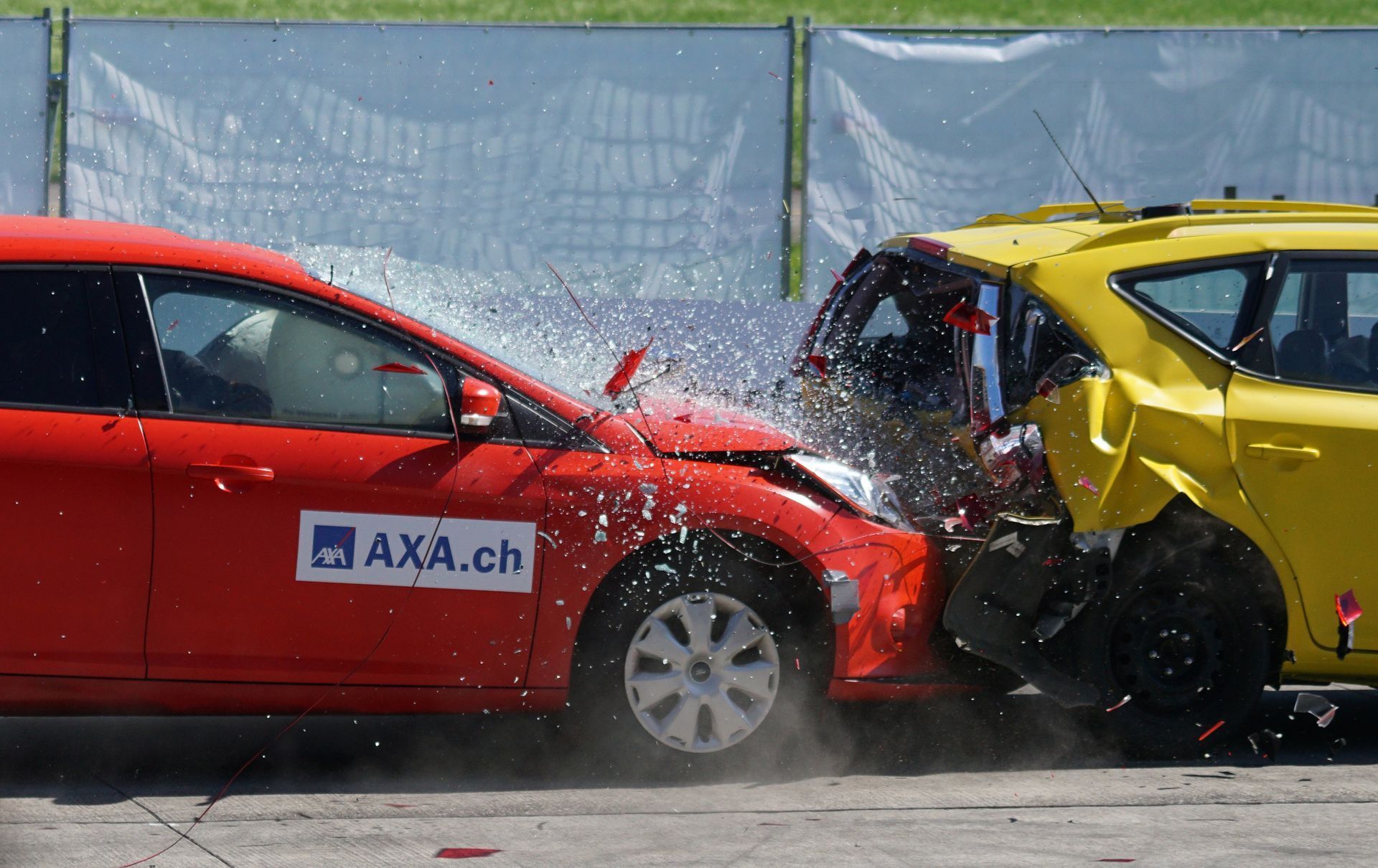
The number of auto collisions that occur each year is alarmingly high, with devastating consequences for individuals and their families. However, many accidents can be prevented by practicing safe driving habits and being aware of potential hazards on the road. In this blog post, we will discuss five essential ways to avoid an auto collision, helping you stay safe and keep others protected.
2. Focus on Defensive Driving:
Practicing defensive driving is one of the most effective ways to avoid collisions. It involves being aware of potential dangers and proactively taking steps to mitigate them. Here are some key defensive driving techniques to adopt:
a. Keep a safe distance: Maintain a sufficient following distance from the vehicle ahead to allow for sudden stops or emergencies.
b. Use turn signals: Indicate your intentions early when changing lanes or making turns to inform other drivers of your actions.
c. Check blind spots: Always check your blind spots before changing lanes to ensure there are no vehicles in your path.
d. Anticipate and predict: Scan the road ahead and be prepared for potential hazards, such as pedestrians, cyclists, or sudden stops by other vehicles.
3. Avoid Distracted Driving:
Distracted driving has become a leading cause of auto collisions in recent years. To avoid distractions, practice the following:
a. Put away electronic devices: Keep your phone out of sight or on silent mode to avoid the temptation of using it while driving.
b. Set GPS and adjust controls before driving: Set your navigation system and adjust temperature or audio controls before you start your journey.
c. Avoid multitasking: Focus solely on driving and avoid activities like eating, grooming, or reading that divert your attention from the road.
4. Observe Traffic Rules and Speed Limits:
a. Adhering to traffic rules and speed limits is crucial for preventing collisions and maintaining road safety. Always obey traffic signs and signals, as they are designed to regulate traffic flow and prevent accidents.
b. Speed limits are set based on road conditions, visibility, and the presence of pedestrians, so it is essential to drive within these limits to maintain control of your vehicle and react appropriately to unexpected situations.
5. Stay Sober and Avoid Fatigue:
a. Driving under the influence of alcohol or drugs is not only illegal but also extremely dangerous. Alcohol and drugs impair judgment, reaction time, and coordination, greatly increasing the risk of collisions.
b. Additionally, driving while fatigued can have similar effects on your ability to drive safely. Ensure you are well-rested and in a suitable physical and mental state before getting behind the wheel.
Conclusion:
Preventing auto collisions requires a combination of responsible driving practices and a proactive mindset. By following these five essential ways to avoid an auto collision, you can significantly reduce the likelihood of accidents and help create a safer road environment for everyone. Remember, the safety of yourself and others is in your hands, so always prioritize responsible driving and make a commitment to stay vigilant on the road. Drive safely and arrive at your destination without incident.
Here at DACC, we would love to serve you. Feel free to give us a call at 972-242-0092, or drop by our location at 2536 Dickerson Parkway, Suite 110 in Carrollton.
- Maintain Proper Vehicle Maintenance:
Regular vehicle maintenance is crucial for ensuring optimal performance and reducing the risk of mechanical failure while driving. Neglecting maintenance tasks such as oil changes, tire rotations, and brake inspections can lead to malfunctioning parts, increasing the chances of an accident. Make it a habit to schedule routine maintenance checks with a trusted mechanic, ensuring your vehicle remains in excellent condition.
2. Focus on Defensive Driving:
Practicing defensive driving is one of the most effective ways to avoid collisions. It involves being aware of potential dangers and proactively taking steps to mitigate them. Here are some key defensive driving techniques to adopt:
a. Keep a safe distance: Maintain a sufficient following distance from the vehicle ahead to allow for sudden stops or emergencies.
b. Use turn signals: Indicate your intentions early when changing lanes or making turns to inform other drivers of your actions.
c. Check blind spots: Always check your blind spots before changing lanes to ensure there are no vehicles in your path.
d. Anticipate and predict: Scan the road ahead and be prepared for potential hazards, such as pedestrians, cyclists, or sudden stops by other vehicles.
3. Avoid Distracted Driving:
Distracted driving has become a leading cause of auto collisions in recent years. To avoid distractions, practice the following:
a. Put away electronic devices: Keep your phone out of sight or on silent mode to avoid the temptation of using it while driving.
b. Set GPS and adjust controls before driving: Set your navigation system and adjust temperature or audio controls before you start your journey.
c. Avoid multitasking: Focus solely on driving and avoid activities like eating, grooming, or reading that divert your attention from the road.
4. Observe Traffic Rules and Speed Limits:
a. Adhering to traffic rules and speed limits is crucial for preventing collisions and maintaining road safety. Always obey traffic signs and signals, as they are designed to regulate traffic flow and prevent accidents.
b. Speed limits are set based on road conditions, visibility, and the presence of pedestrians, so it is essential to drive within these limits to maintain control of your vehicle and react appropriately to unexpected situations.
5. Stay Sober and Avoid Fatigue:
a. Driving under the influence of alcohol or drugs is not only illegal but also extremely dangerous. Alcohol and drugs impair judgment, reaction time, and coordination, greatly increasing the risk of collisions.
b. Additionally, driving while fatigued can have similar effects on your ability to drive safely. Ensure you are well-rested and in a suitable physical and mental state before getting behind the wheel.
Conclusion:
Preventing auto collisions requires a combination of responsible driving practices and a proactive mindset. By following these five essential ways to avoid an auto collision, you can significantly reduce the likelihood of accidents and help create a safer road environment for everyone. Remember, the safety of yourself and others is in your hands, so always prioritize responsible driving and make a commitment to stay vigilant on the road. Drive safely and arrive at your destination without incident.
Here at DACC, we would love to serve you. Feel free to give us a call at 972-242-0092, or drop by our location at 2536 Dickerson Parkway, Suite 110 in Carrollton.
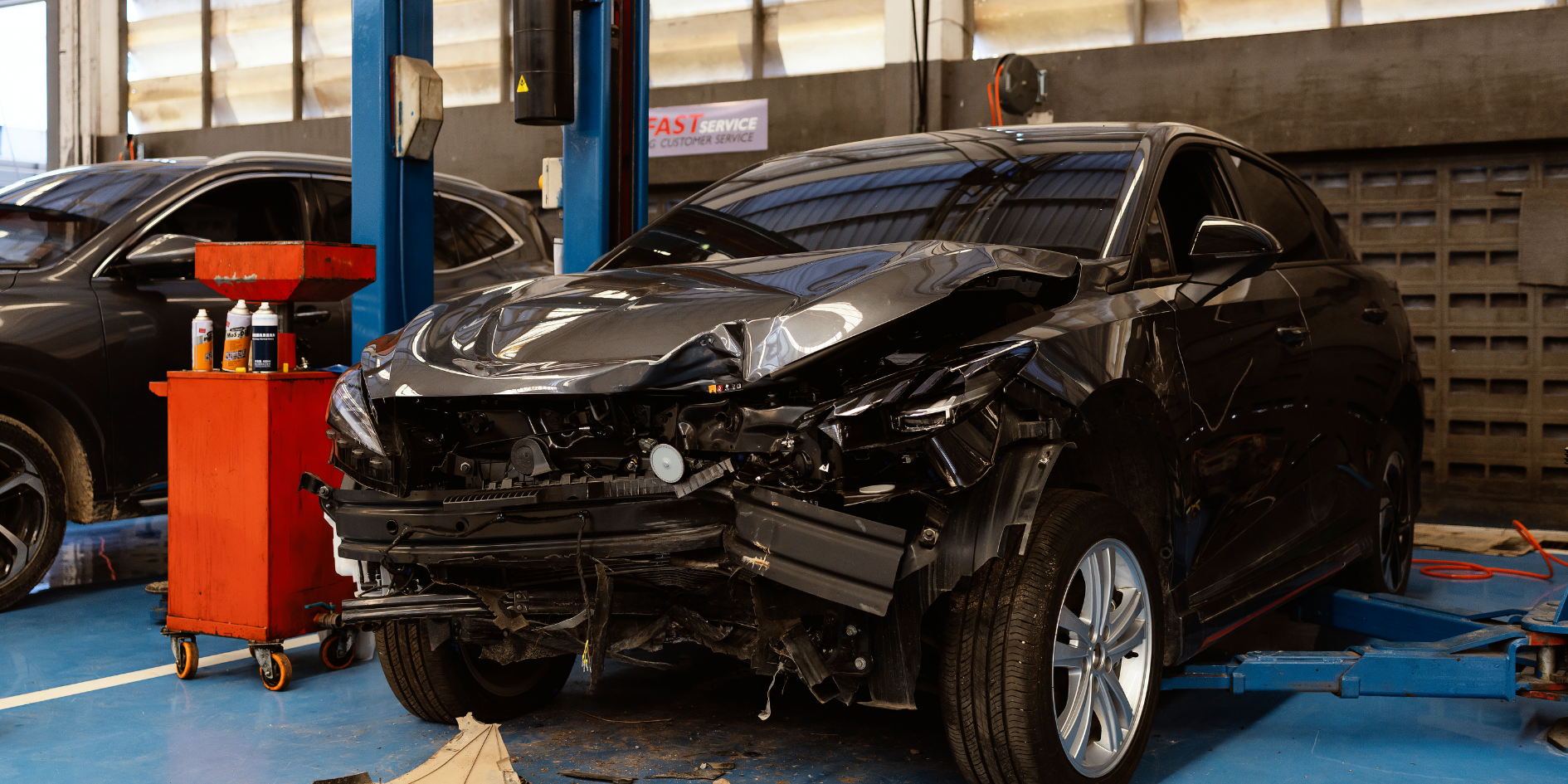
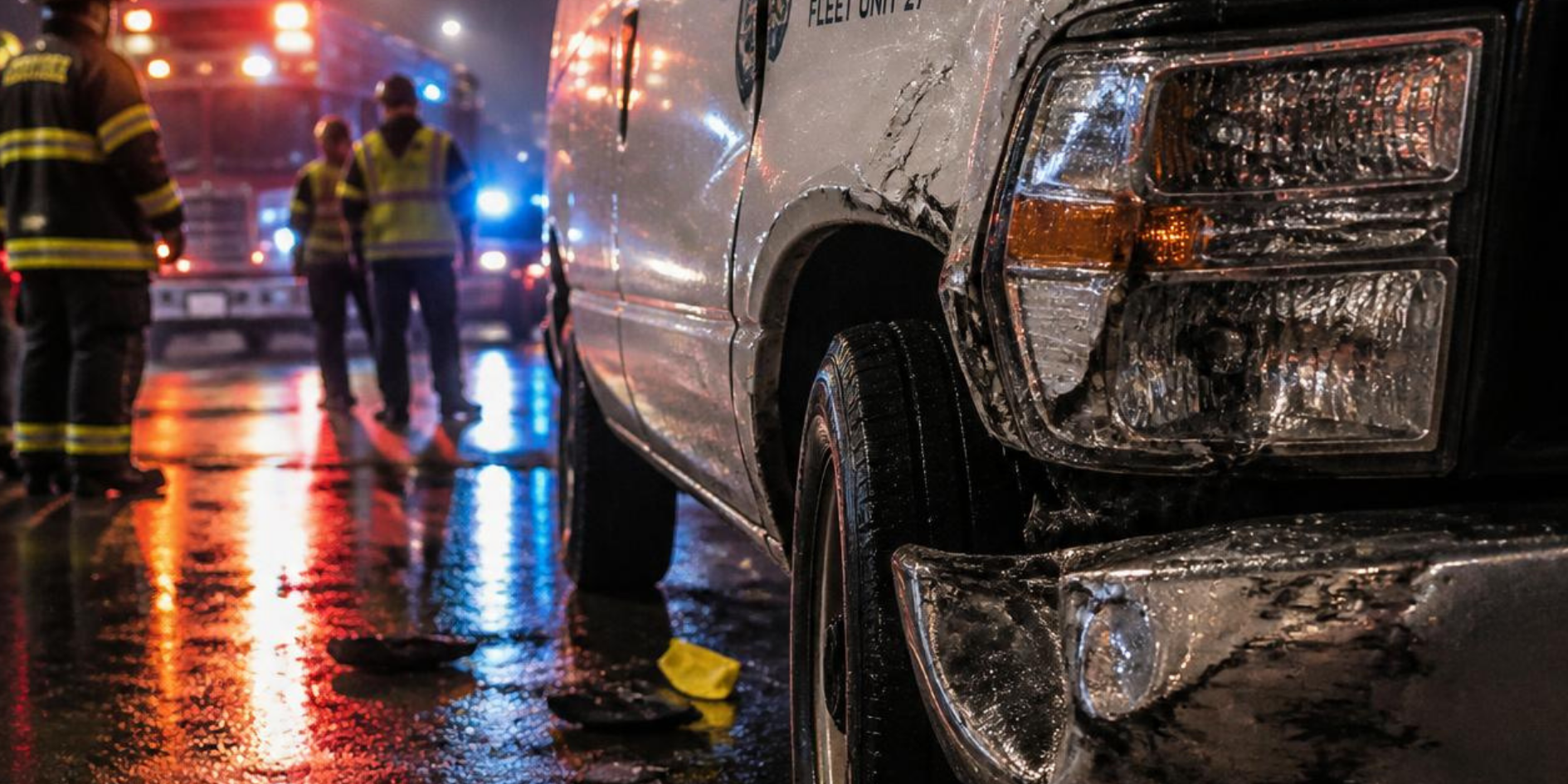
After an accident, the damage you can see isn’t always the only damage your vehicle sustained. A damaged bumper, dented quarter panel, or broken headlight may be obvious, but the impact can also affect structural components underneath the vehicle’s exterior. At Dealership Autoplex Collision Center (DACC) , we believe a proper collision repair is about more than making a vehicle look good again. It’s about identifying and addressing the damage that may be hidden underneath. What Is Structural Damage? Modern vehicles are designed with structural components that help support the vehicle and manage crash forces. Depending on the location and severity of an impact, a collision can potentially affect areas such as: Frame or unibody components Structural rails Suspension mounting points Body alignment Doors and panels Wheel alignment Bumpers and reinforcement components Even an accident that doesn’t appear severe from the outside can sometimes cause damage behind exterior panels.
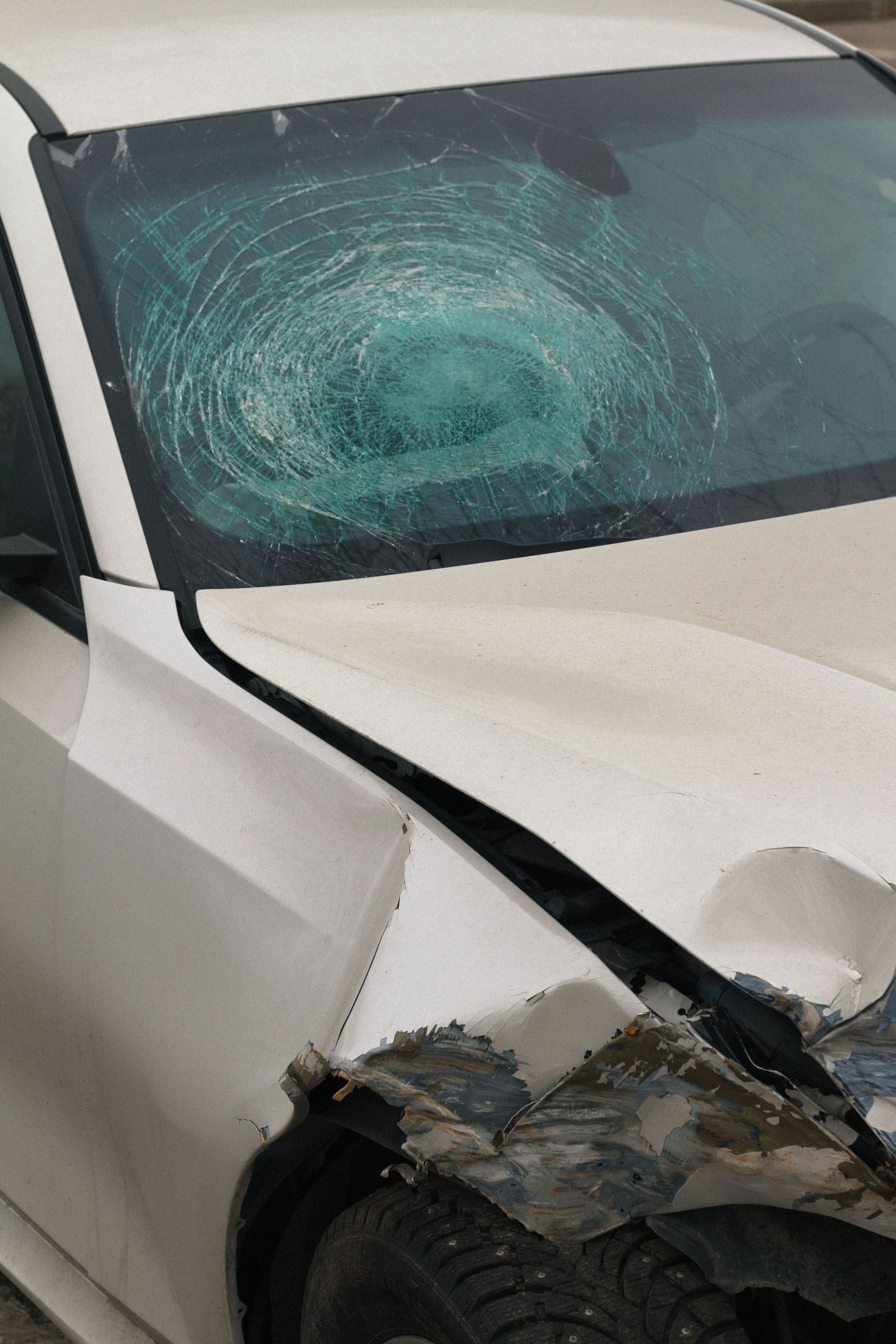
After a car accident, there are a lot of decisions to make. Between filing an insurance claim, arranging transportation, and getting your vehicle repaired, the process can quickly become overwhelming. One common question we hear at Dealership Autoplex Collision Center (DACC) is: “Do I have to use the collision repair shop my insurance company recommends?” In Texas, you generally have the right to choose the repair facility you want to handle your vehicle. Your Insurance Company May Recommend a Shop After you file a claim, your insurance company may provide a list of repair facilities or recommend one of its preferred shops. While these recommendations can be convenient, you are not necessarily required to choose a shop simply because it was suggested by the insurance company. Your vehicle is an important investment, and you should feel comfortable with the facility performing the repairs. What Should You Look for in a Collision Repair Shop? When choosing a collision center, consider more than just how quickly the shop can get your vehicle in. Look for a facility that provides: Experienced collision repair technicians Proper structural and body repairs Professional paint matching and refinishing Clear communication throughout the repair process Assistance working with insurance companies Quality-control inspections before the vehicle is returned Help coordinating rental transportation when needed A quality collision repair should restore more than the appearance of your vehicle. The goal is to properly repair the damage and return the vehicle to you safely and professionally.
Today’s vehicles are equipped with more technology than ever before. Cameras, radar sensors, parking sensors, lane-assist systems, and automatic emergency braking can all be affected by a collision—even when the damage appears minor. That’s why modern collision repair involves much more than repairing dents and replacing damaged parts. What Is ADAS? ADAS stands for Advanced Driver Assistance Systems. Depending on your vehicle, these systems may include: Forward collision warning Automatic emergency braking Lane departure warning Lane-keeping assistance Adaptive cruise control Blind-spot monitoring Parking assistance Surround-view or backup cameras Many of these features rely on cameras and sensors positioned throughout the vehicle.