

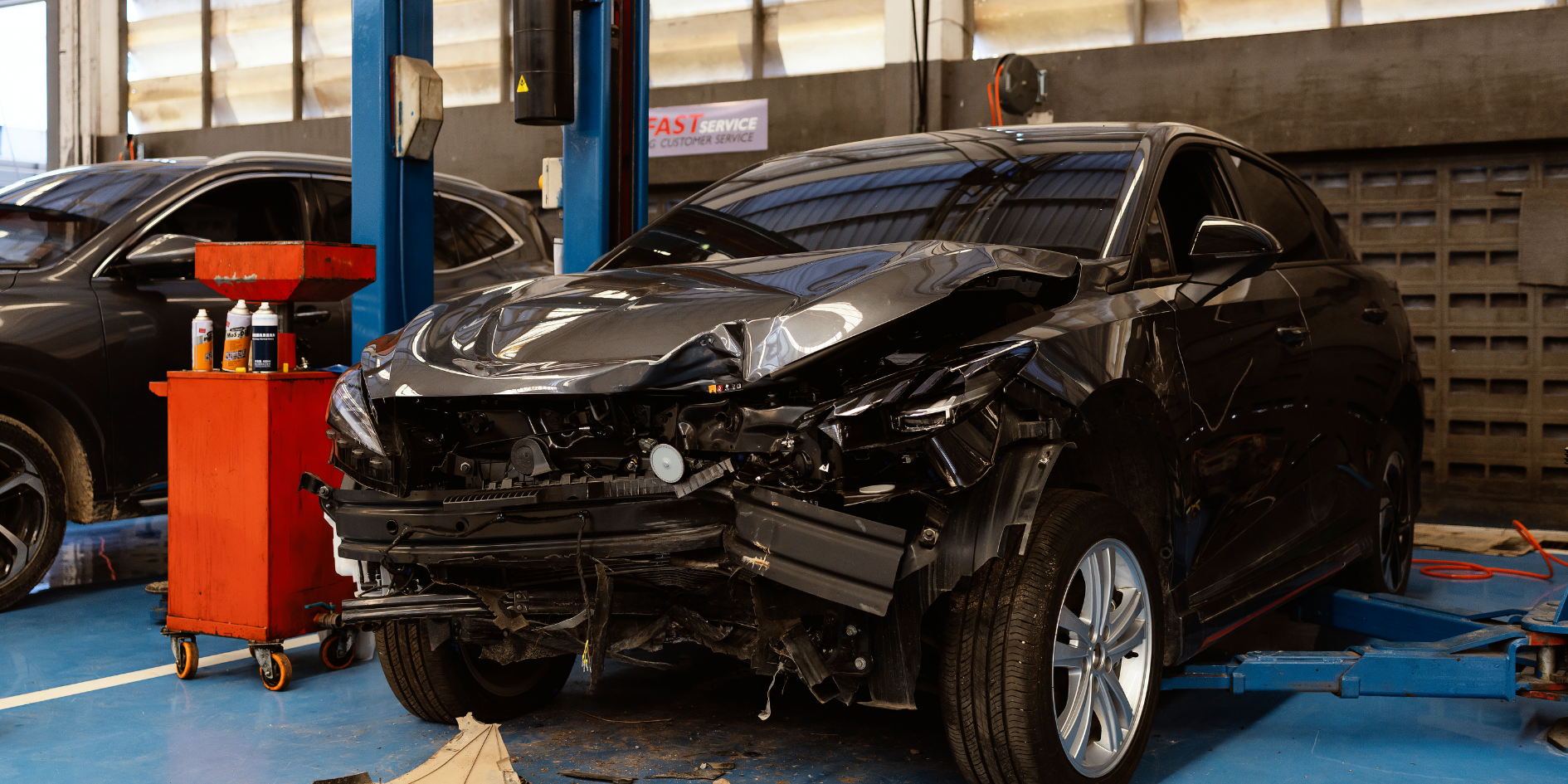
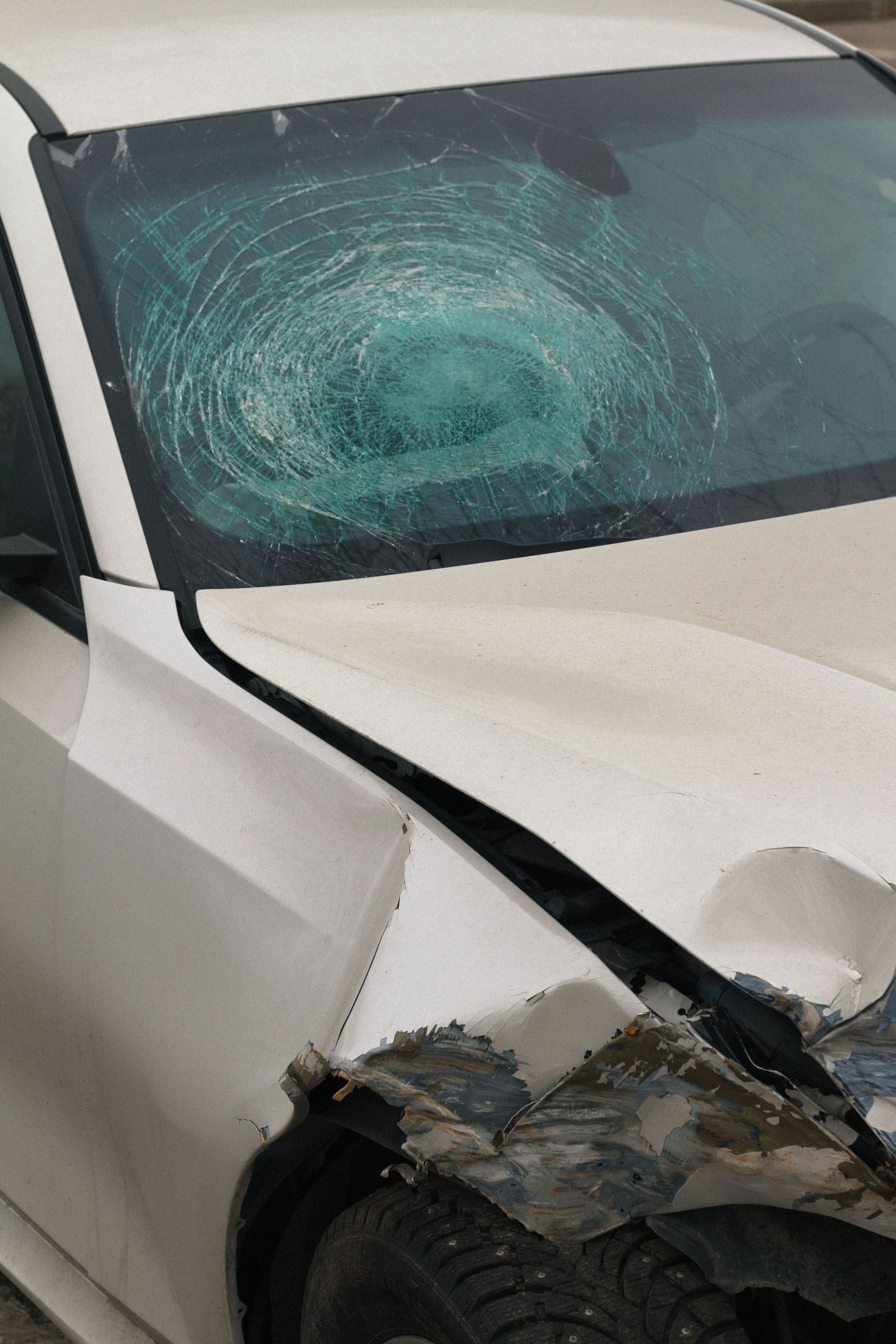
After an accident, the damage you can see isn’t always the only damage your vehicle sustained. A damaged bumper, dented quarter panel, or broken headlight may be obvious, but the impact can also affect structural components underneath the vehicle’s exterior. At Dealership Autoplex Collision Center (DACC) , we believe a proper collision repair is about more than making a vehicle look good again. It’s about identifying and addressing the damage that may be hidden underneath. What Is Structural Damage? Modern vehicles are designed with structural components that help support the vehicle and manage crash forces. Depending on the location and severity of an impact, a collision can potentially affect areas such as: Frame or unibody components Structural rails Suspension mounting points Body alignment Doors and panels Wheel alignment Bumpers and reinforcement components Even an accident that doesn’t appear severe from the outside can sometimes cause damage behind exterior panels.
After a car accident, there are a lot of decisions to make. Between filing an insurance claim, arranging transportation, and getting your vehicle repaired, the process can quickly become overwhelming. One common question we hear at Dealership Autoplex Collision Center (DACC) is: “Do I have to use the collision repair shop my insurance company recommends?” In Texas, you generally have the right to choose the repair facility you want to handle your vehicle. Your Insurance Company May Recommend a Shop After you file a claim, your insurance company may provide a list of repair facilities or recommend one of its preferred shops. While these recommendations can be convenient, you are not necessarily required to choose a shop simply because it was suggested by the insurance company. Your vehicle is an important investment, and you should feel comfortable with the facility performing the repairs. What Should You Look for in a Collision Repair Shop? When choosing a collision center, consider more than just how quickly the shop can get your vehicle in. Look for a facility that provides: Experienced collision repair technicians Proper structural and body repairs Professional paint matching and refinishing Clear communication throughout the repair process Assistance working with insurance companies Quality-control inspections before the vehicle is returned Help coordinating rental transportation when needed A quality collision repair should restore more than the appearance of your vehicle. The goal is to properly repair the damage and return the vehicle to you safely and professionally.
Today’s vehicles are equipped with more technology than ever before. Cameras, radar sensors, parking sensors, lane-assist systems, and automatic emergency braking can all be affected by a collision—even when the damage appears minor. That’s why modern collision repair involves much more than repairing dents and replacing damaged parts. What Is ADAS? ADAS stands for Advanced Driver Assistance Systems. Depending on your vehicle, these systems may include: Forward collision warning Automatic emergency braking Lane departure warning Lane-keeping assistance Adaptive cruise control Blind-spot monitoring Parking assistance Surround-view or backup cameras Many of these features rely on cameras and sensors positioned throughout the vehicle.
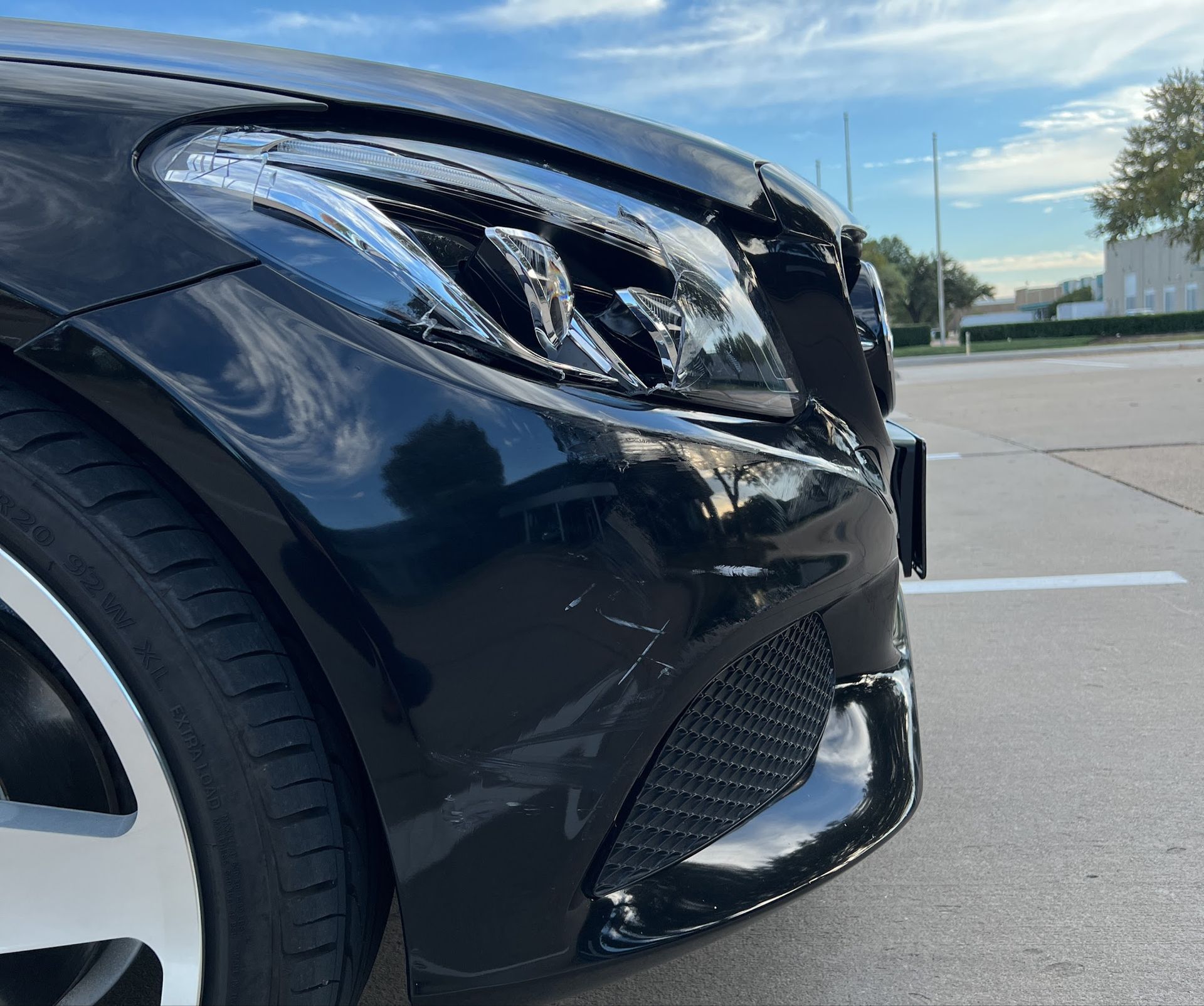
After an accident, repairing damaged panels is only part of getting your vehicle back to its pre-accident appearance. One of the most important—and noticeable—parts of a quality collision repair is proper paint matching . At Dealership Autoplex Collision Center (DACC) in Carrollton, TX, we understand that even a small difference in color can stand out once your vehicle is back in the sunlight. Why Isn’t Matching the Paint Code Enough? Every vehicle has a factory paint code, but that doesn’t always mean new paint will automatically match perfectly. Age, sun exposure, weather, previous repairs, and normal wear can slightly change the appearance of your vehicle’s original finish. That’s why professional paint matching involves more than simply ordering paint using the manufacturer’s color code.
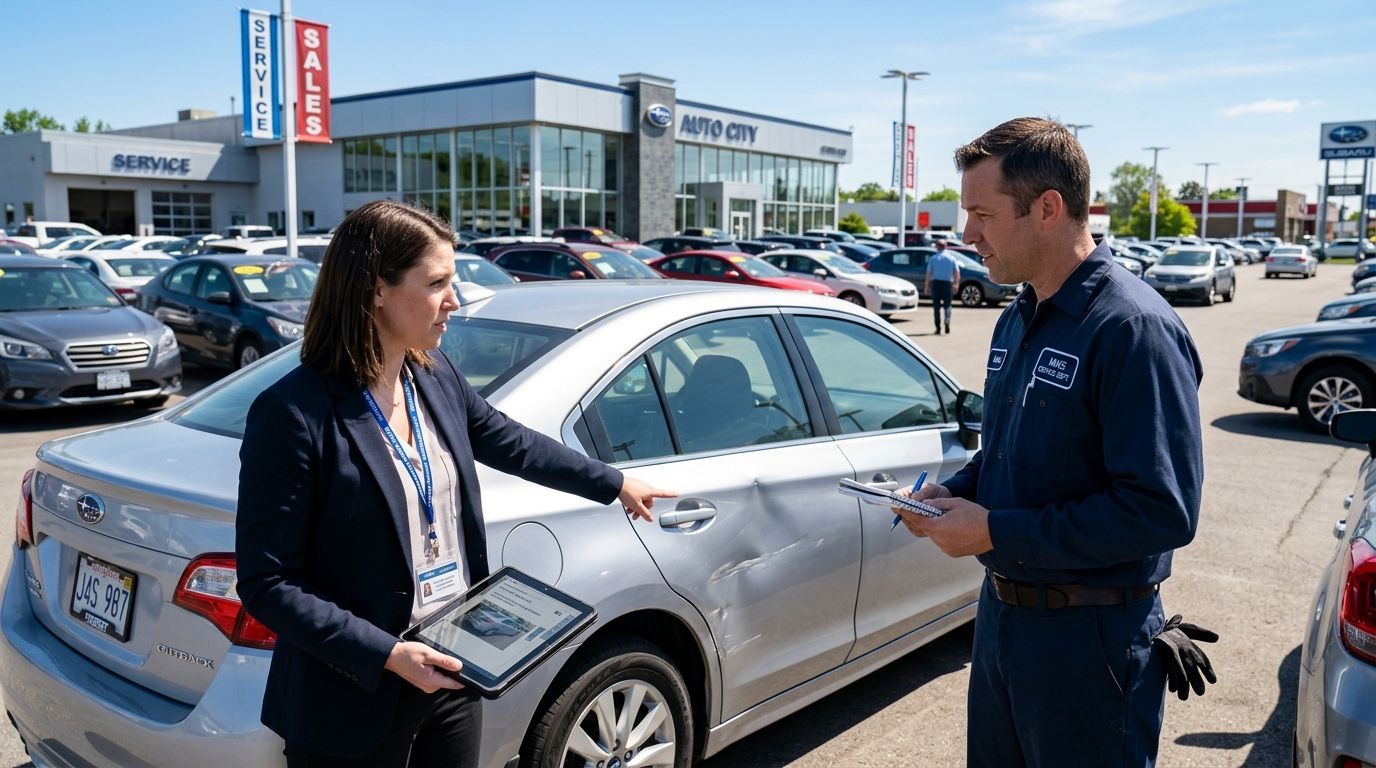
If you’ve recently been in an accident, you may hear your collision center or insurance company use the word“supplement.” If you’ve never filed an auto insurance claim before, it can sound like an additional bill or unexpected charge. The good news is that supplements are a common part of the collision repair process. What Is an Insurance Supplement? An insurance supplement is a request for additional repair costs when damage or necessary repairs are discovered that weren’t included in the insurance company’s original estimate. When an insurance adjuster initially inspects a vehicle, some damage may not be visible. Once the collision center begins disassembly, technicians can get a much better look at what’s happening underneath damaged bumpers, panels, trim, and other components.
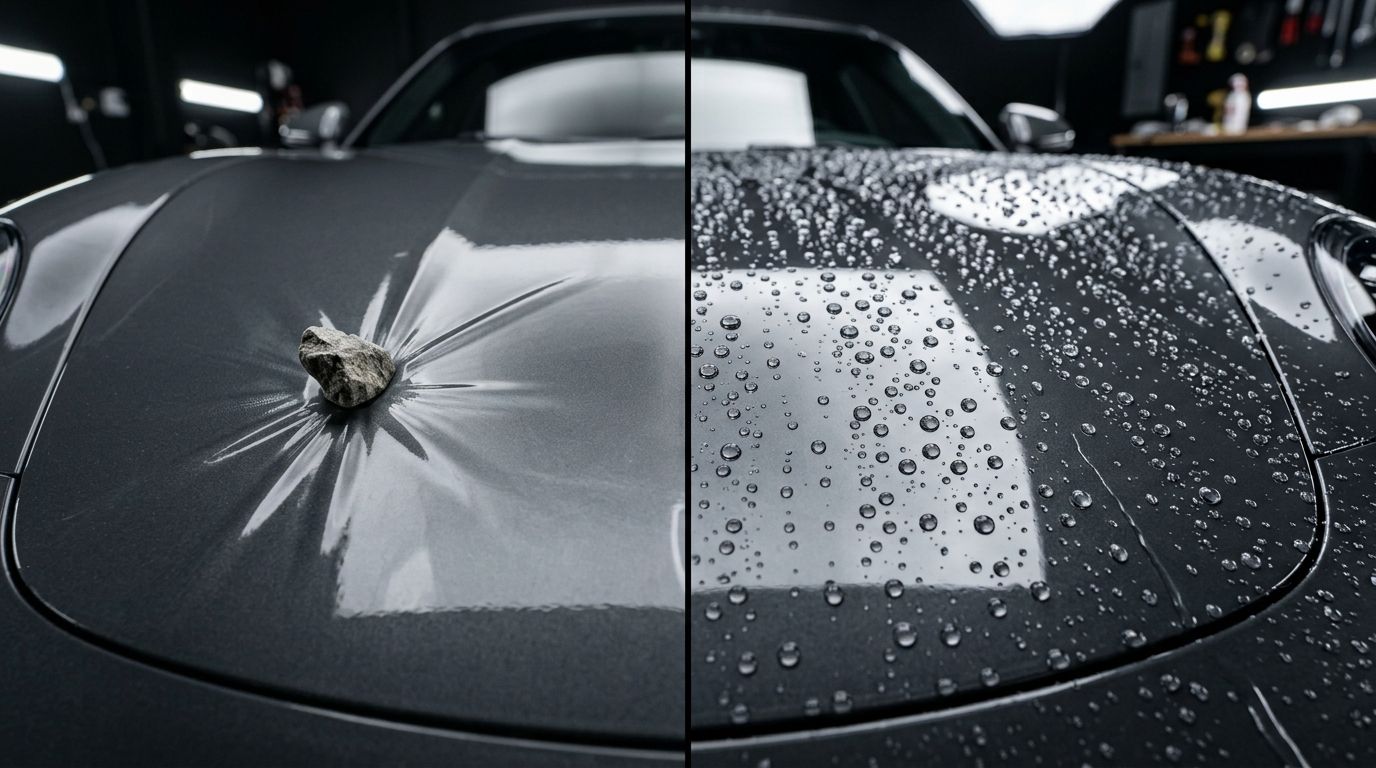
If you want to keep your vehicle looking newer longer, you’ve probably heard about Paint Protection Film (PPF) and ceramic coating. Both can help protect your vehicle’s finish, but they aren’t the same thing and choosing between them depends on what type of protection you’re looking for. What Is Paint Protection Film (PPF)? Paint Protection Film, commonly called PPF, is a transparent film applied directly over your vehicle’s painted surfaces. It creates a physical protective barrier between your paint and everyday road hazards. PPF is especially useful on high-impact areas such as the: Front bumper Hood Fenders Side mirrors Rocker panels Door edges For drivers around Dallas-Fort Worth, PPF can be particularly helpful in protecting against small rock chips and road debris encountered during everyday highway driving.
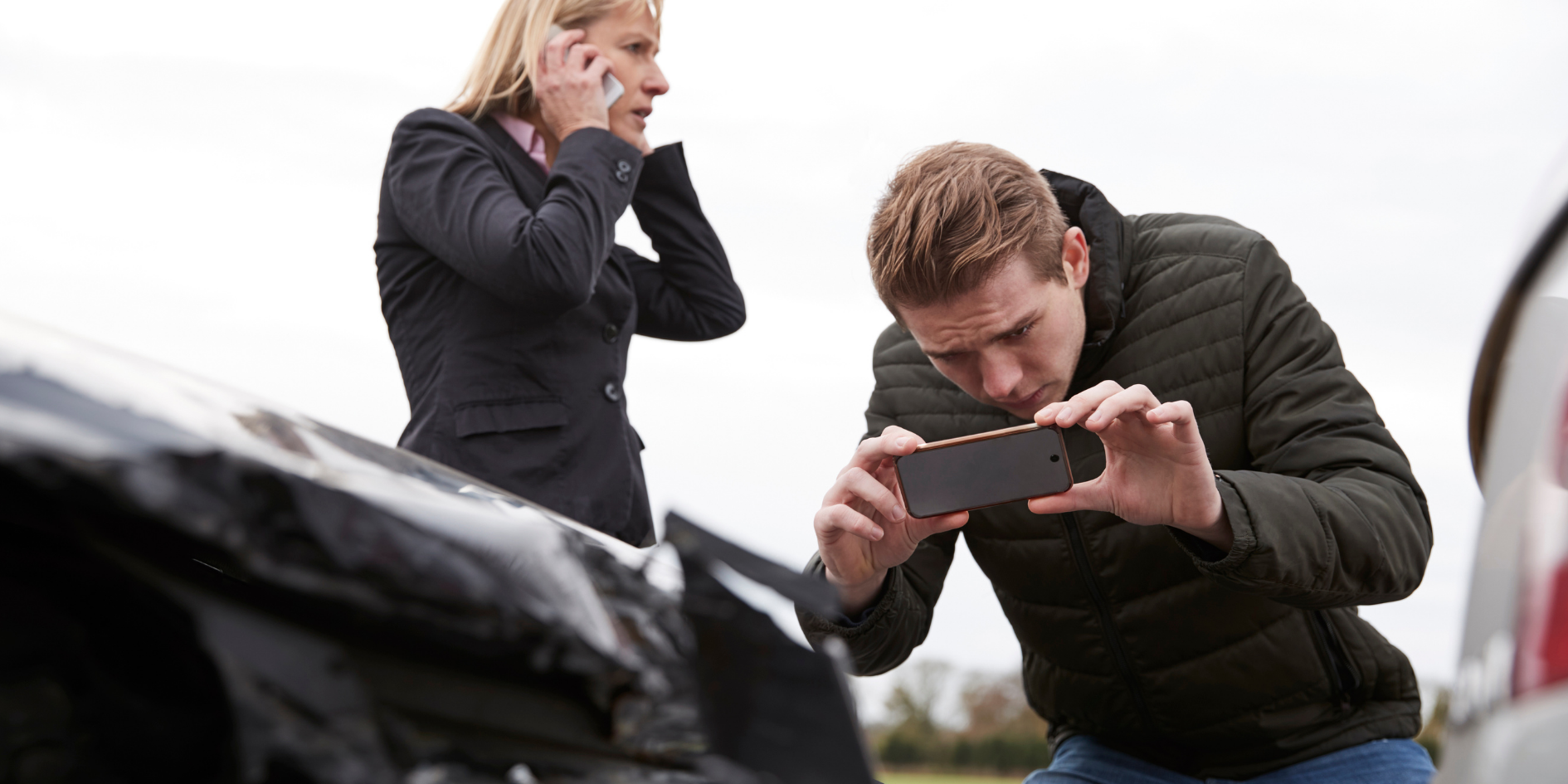
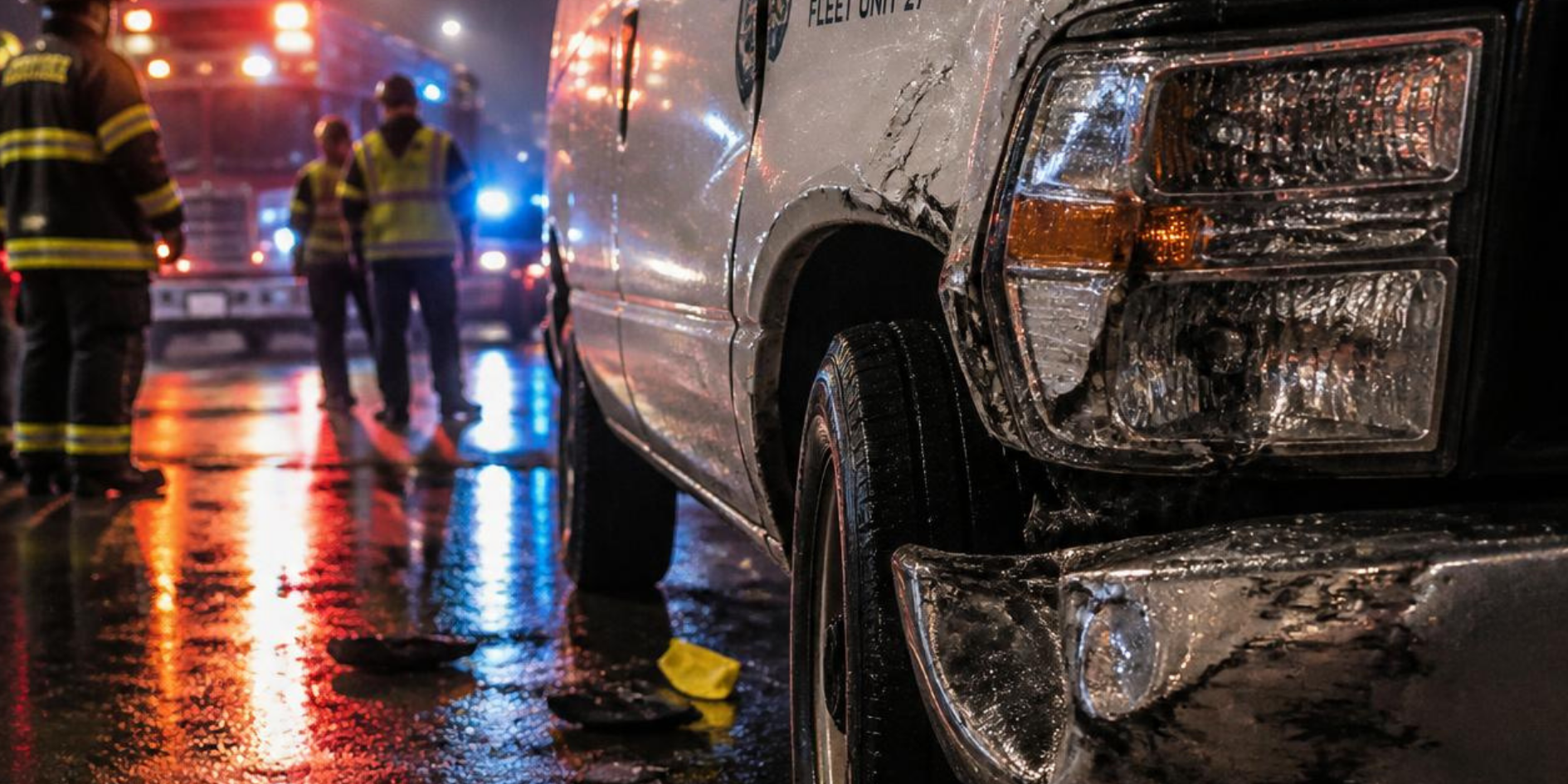
A car accident can happen in seconds, but knowing what to do afterward can make the repair and insurance process much easier.
When a fleet vehicle is down, it’s more than an inconvenience—it can mean lost time, delayed jobs, and lost revenue.
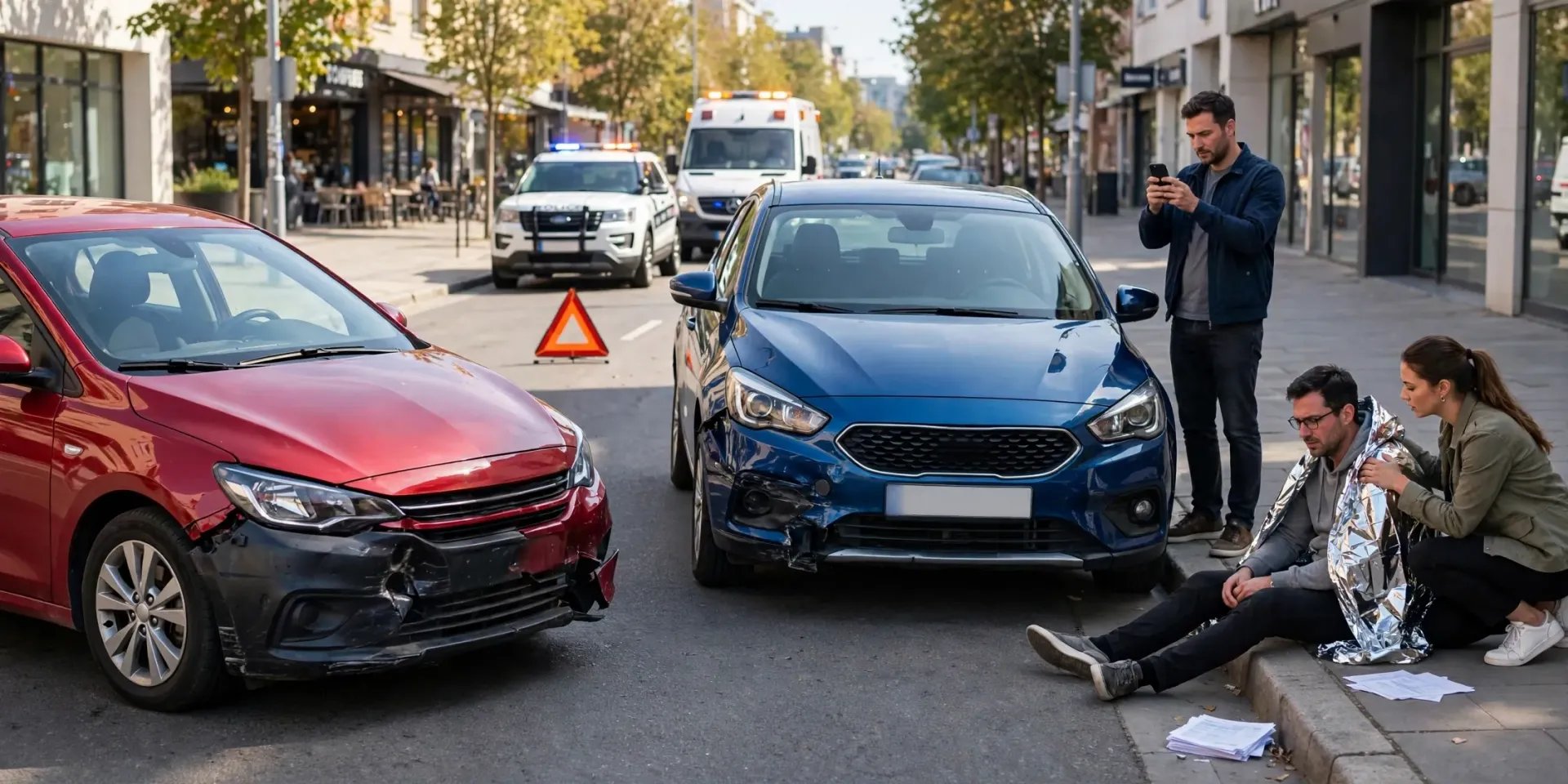
Being involved in an accident can be overwhelming. Knowing what to do next can make the repair process much easier and help protect both your safety and your investment. Step 1: Make Sure Everyone Is Safe Check for injuries and move to a safe location if possible. Call emergency services if anyone is injured. Step 2: Document the Accident Take photos of: Vehicle damage License plates Insurance cards Driver’s licenses The accident scene This information will help with your insurance claim.