

What Quality Control Looks Like in Professional Collision Repair
When a vehicle is brought into a collision repair shop, most owners focus on the visible outcome. They expect the dents to be gone, the paint to match, and the vehicle to look as it did before the accident. While appearance is important, professional collision repair goes far beyond surface-level results. At the center of that process is quality control, a structured approach that ensures every repair meets safety, performance, and aesthetic standards before the vehicle is returned.
Understanding what quality control involves helps explain why thorough repairs take time and why attention to detail is essential.
More Than a Final Check
Quality control is not a single step that happens at the end of the repair process. It is integrated throughout the entire workflow. From the initial assessment to final delivery, each stage includes checkpoints designed to verify that the work is being completed correctly.
This approach ensures that issues are identified early rather than after the repair is finished. By maintaining oversight at multiple stages, technicians can confirm that each part of the process aligns with manufacturer specifications and industry standards.
Verifying Structural Integrity
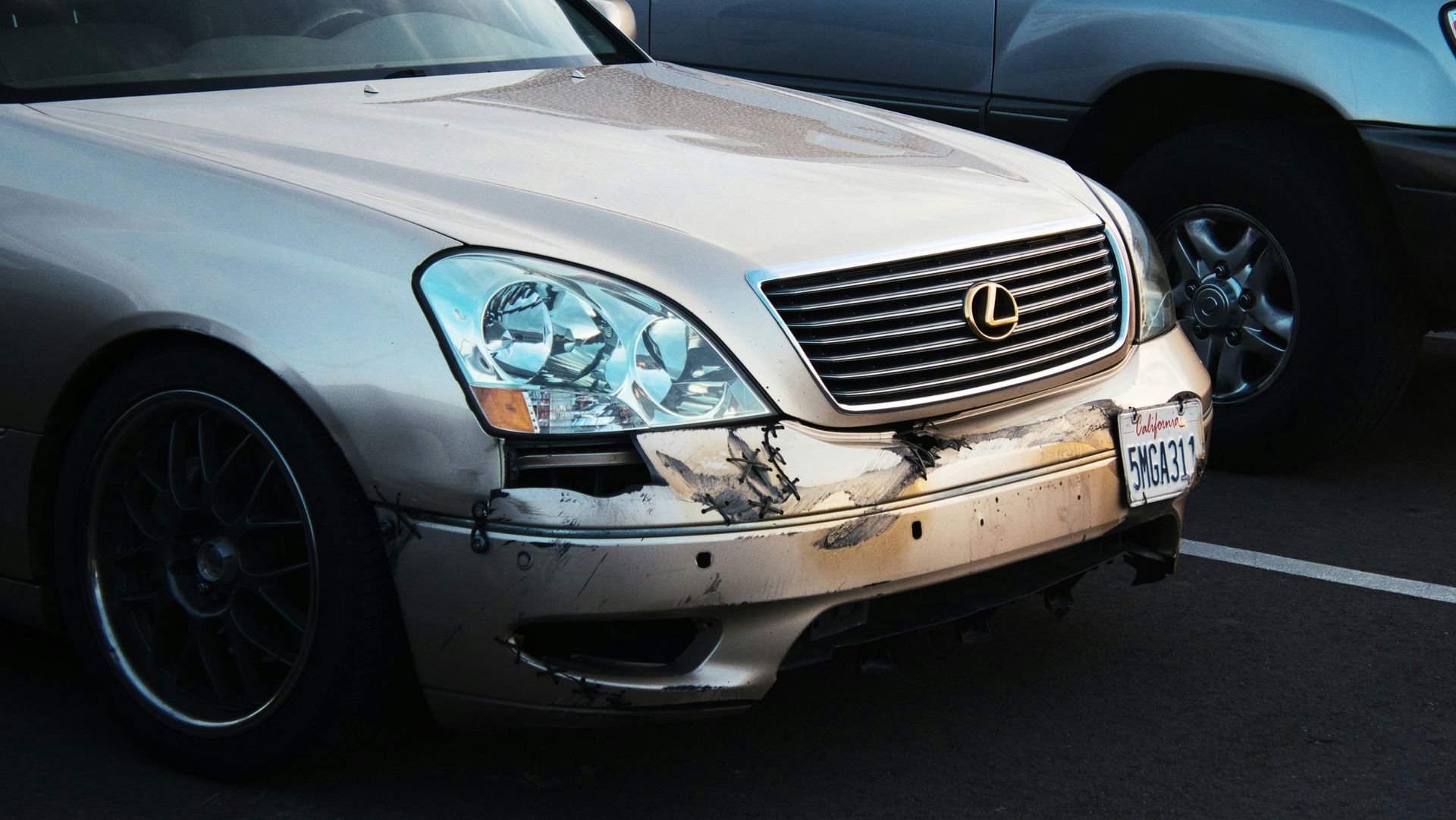
One of the most critical aspects of collision repair is restoring the vehicle’s structural integrity. Modern vehicles are designed with specific crumple zones and support structures that protect occupants during an impact. When these components are damaged, they must be repaired or replaced with precision.
Quality control at this stage involves confirming that measurements match manufacturer guidelines. Specialized equipment is used to verify alignment, ensuring that the frame and structural components are returned to their intended position. Without this level of accuracy, the vehicle may not perform as expected in future driving conditions.
Ensuring Proper Fit and Alignment
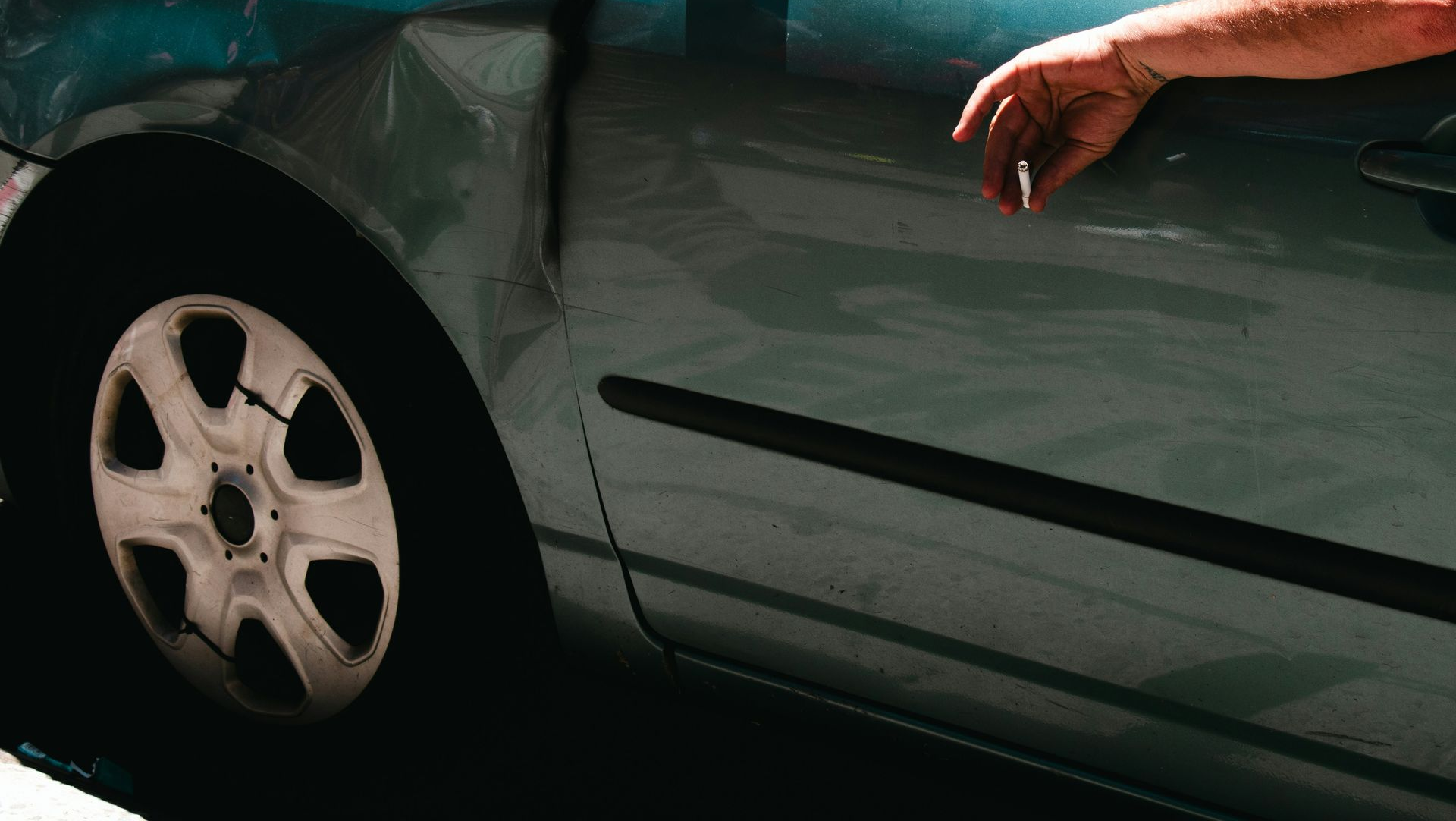
After structural repairs are complete, attention shifts to how the vehicle’s components fit together. Panels, doors, and trim must align correctly, not only for appearance but also for function.
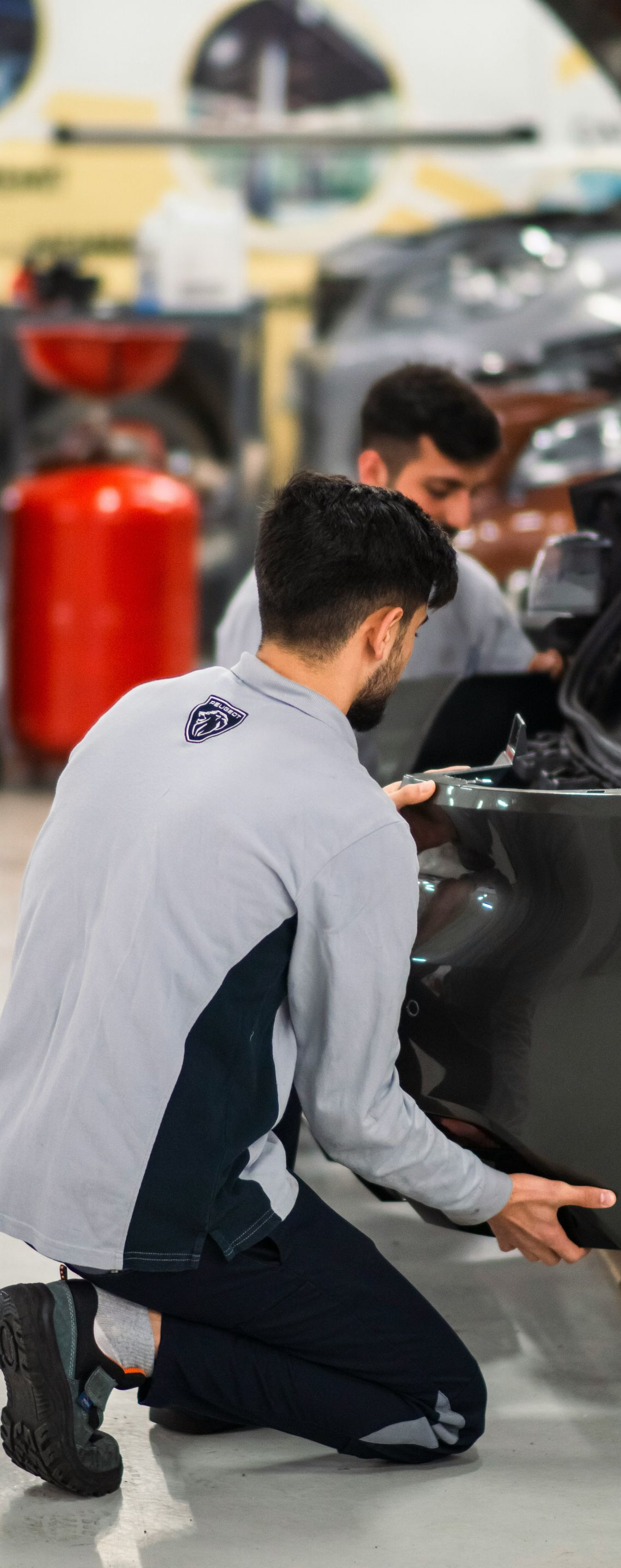
Quality control checks include evaluating panel gaps, ensuring doors open and close properly, and confirming that all components are securely installed. Even small misalignments can affect how the vehicle operates over time, making this step essential for long-term reliability.
Precision in Paint and Finish
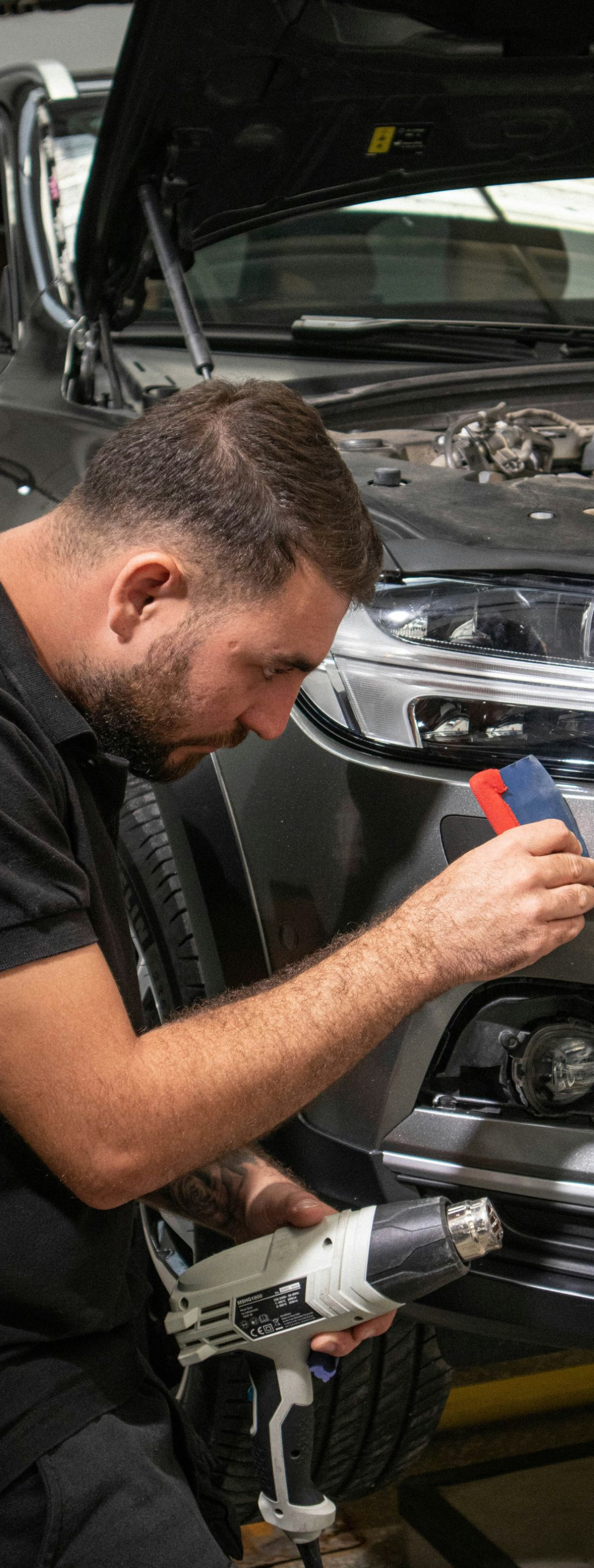
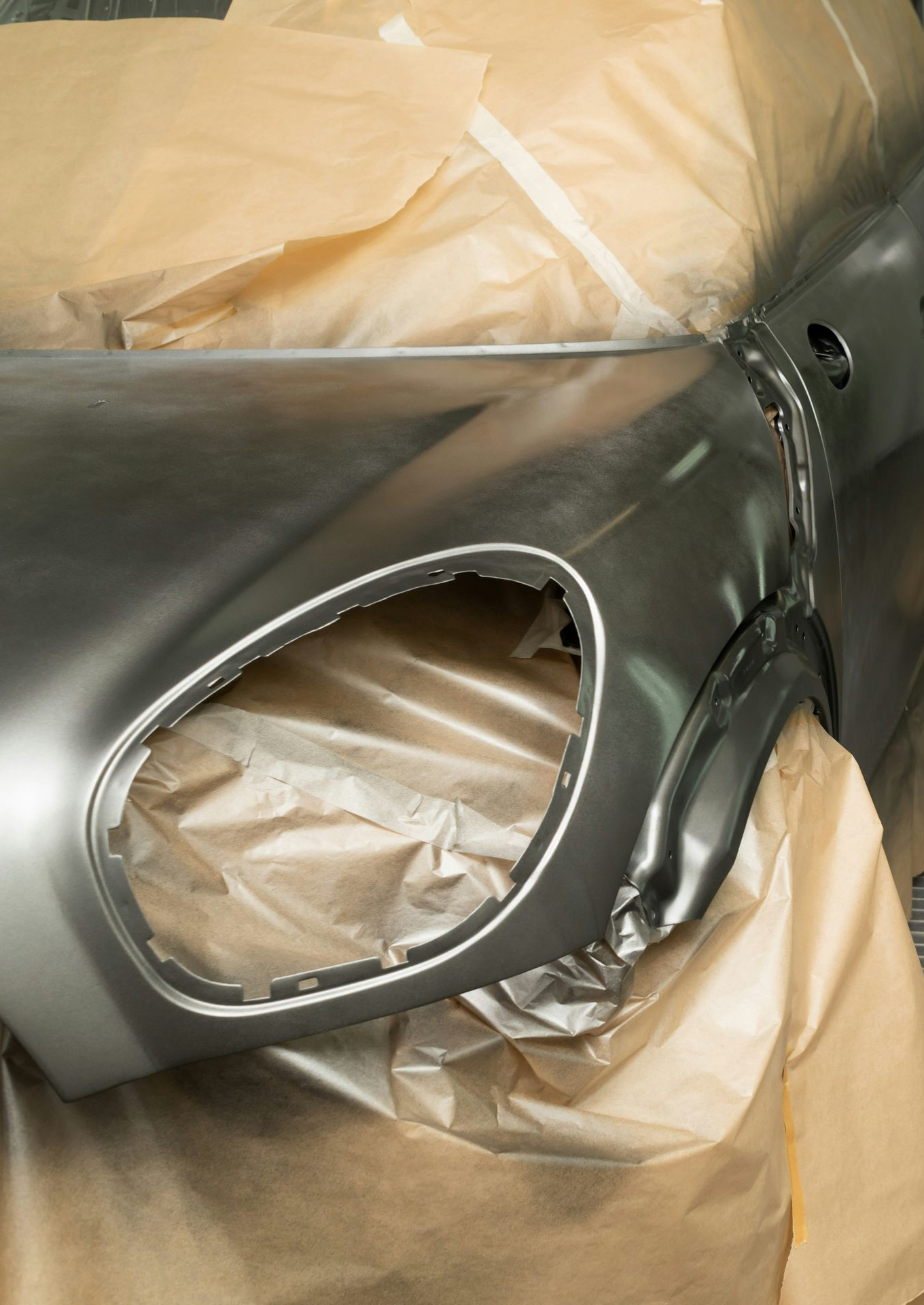
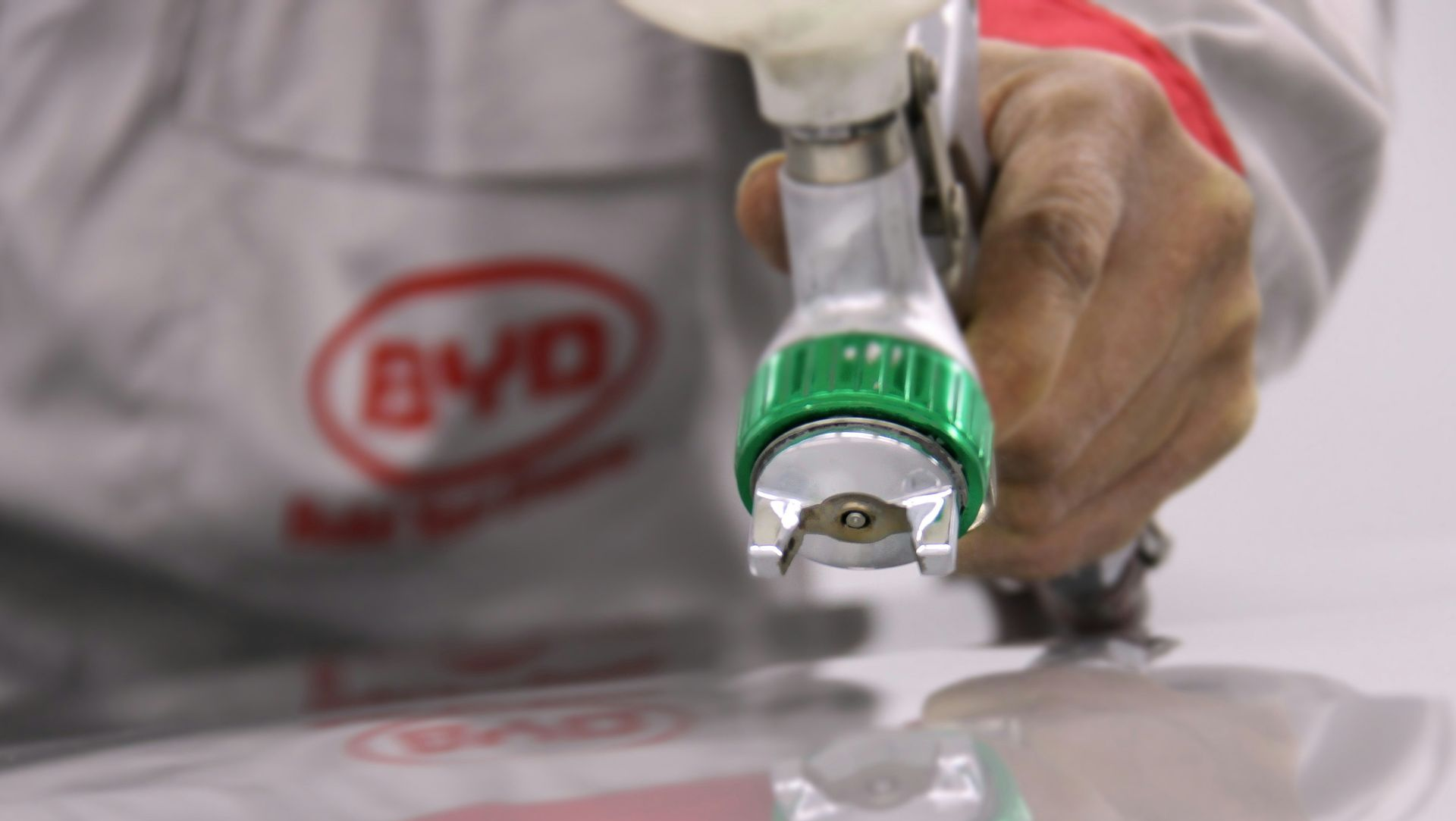
Refinishing is one of the most visible parts of the repair process, and it requires careful inspection. Professional shops use advanced color-matching systems to replicate the original finish, but quality control ensures that the result is consistent across the entire vehicle.
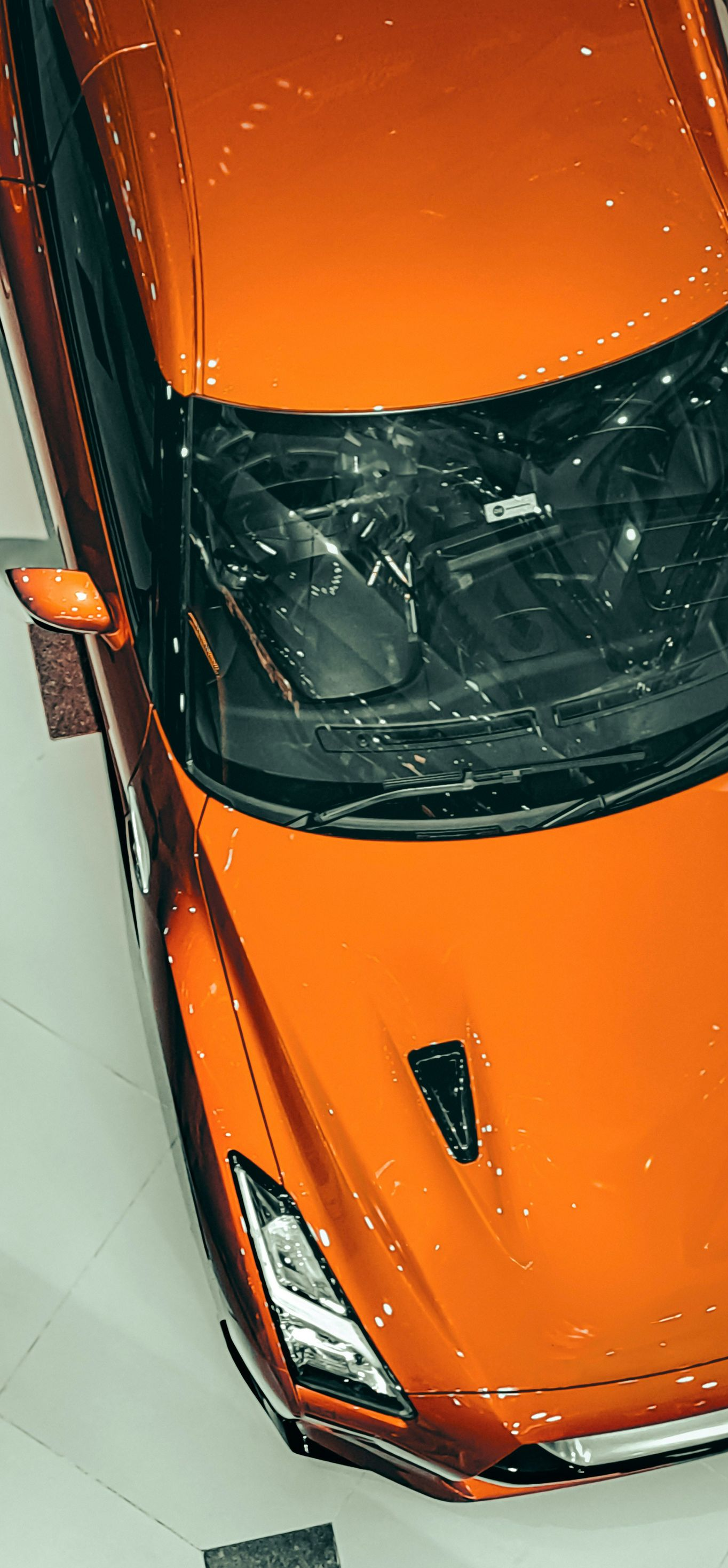
This includes examining the paint under different lighting conditions, checking for uniform coverage, and ensuring that the finish blends seamlessly with surrounding panels. The goal is not just to restore the vehicle’s appearance, but to achieve a result that is indistinguishable from the original factory finish.
Functionality and System Checks
Modern vehicles rely on a range of systems that can be affected by a collision. Sensors, cameras, and electronic components must all function correctly after repairs are completed.
Quality control involves verifying that these systems are properly calibrated and operational. This step is especially important in vehicles equipped with advanced driver assistance features, where accuracy directly impacts safety.
Road Testing and Performance Evaluation
Before a vehicle is returned to its owner, it may undergo a road test to evaluate how it performs in real-world conditions. This allows technicians to identify any issues related to handling, alignment, or overall drivability.
During this phase, the focus is on ensuring that the vehicle responds as expected. Any irregularities can be addressed before the repair is considered complete.
A Commitment to Consistency
Quality control is ultimately about consistency. It ensures that every repair meets the same standard, regardless of the extent of the damage. This consistency builds trust and provides vehicle owners with confidence that their car has been restored properly.
Professional collision repair is a detailed process, and quality control is what brings all of those details together. It is the difference between a repair that simply looks complete and one that performs as intended.
Dealership Autoplex Collision Center (D.A.C.C.) is committed to delivering repairs that meet high standards of safety, precision, and reliability. If your vehicle has been involved in an accident, contact D.A.C.C. to learn how a comprehensive quality control process ensures your vehicle is fully restored before it returns to the road.