

What Happens Behind the Scenes in a Collision Repair Shop
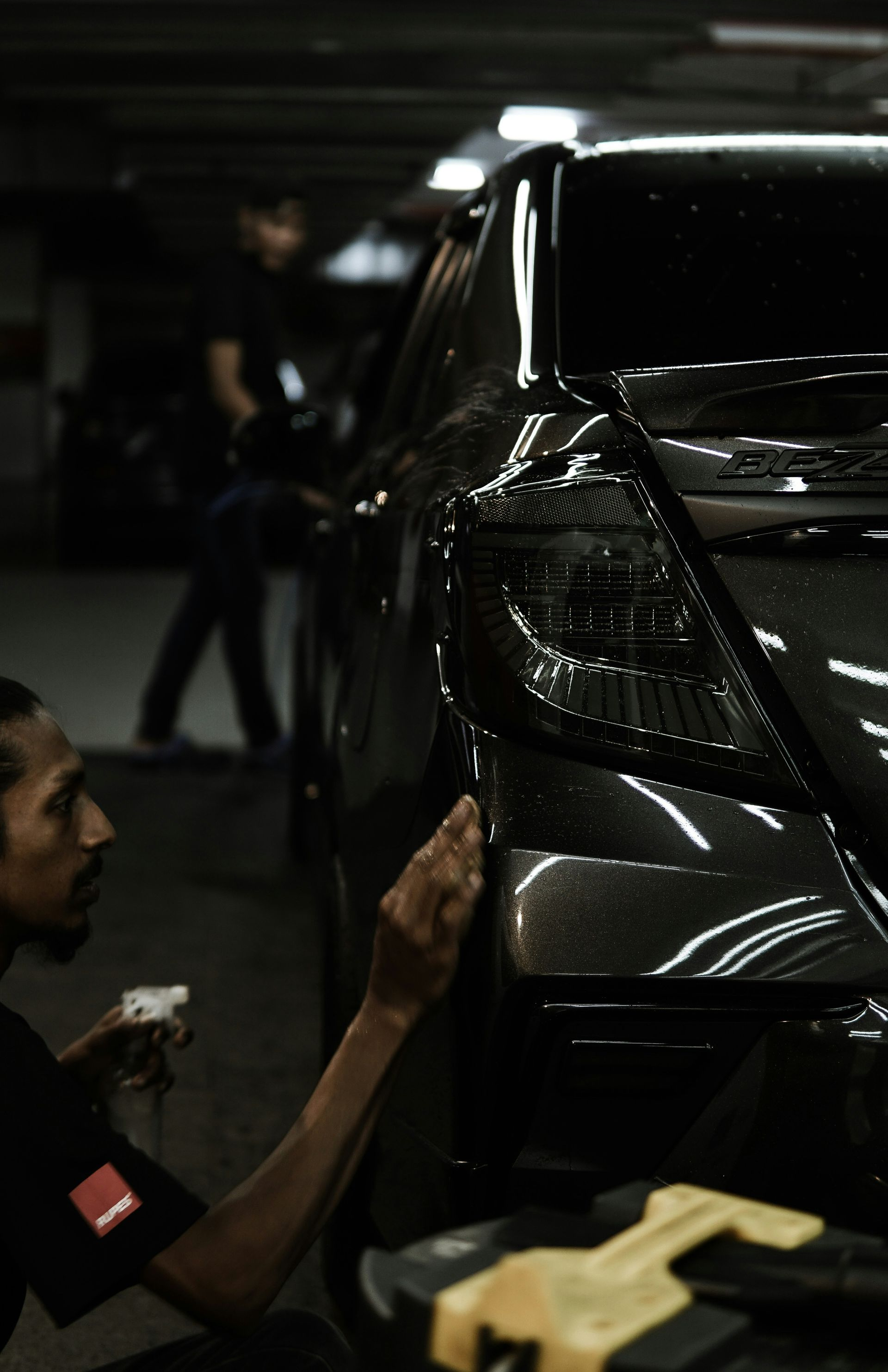
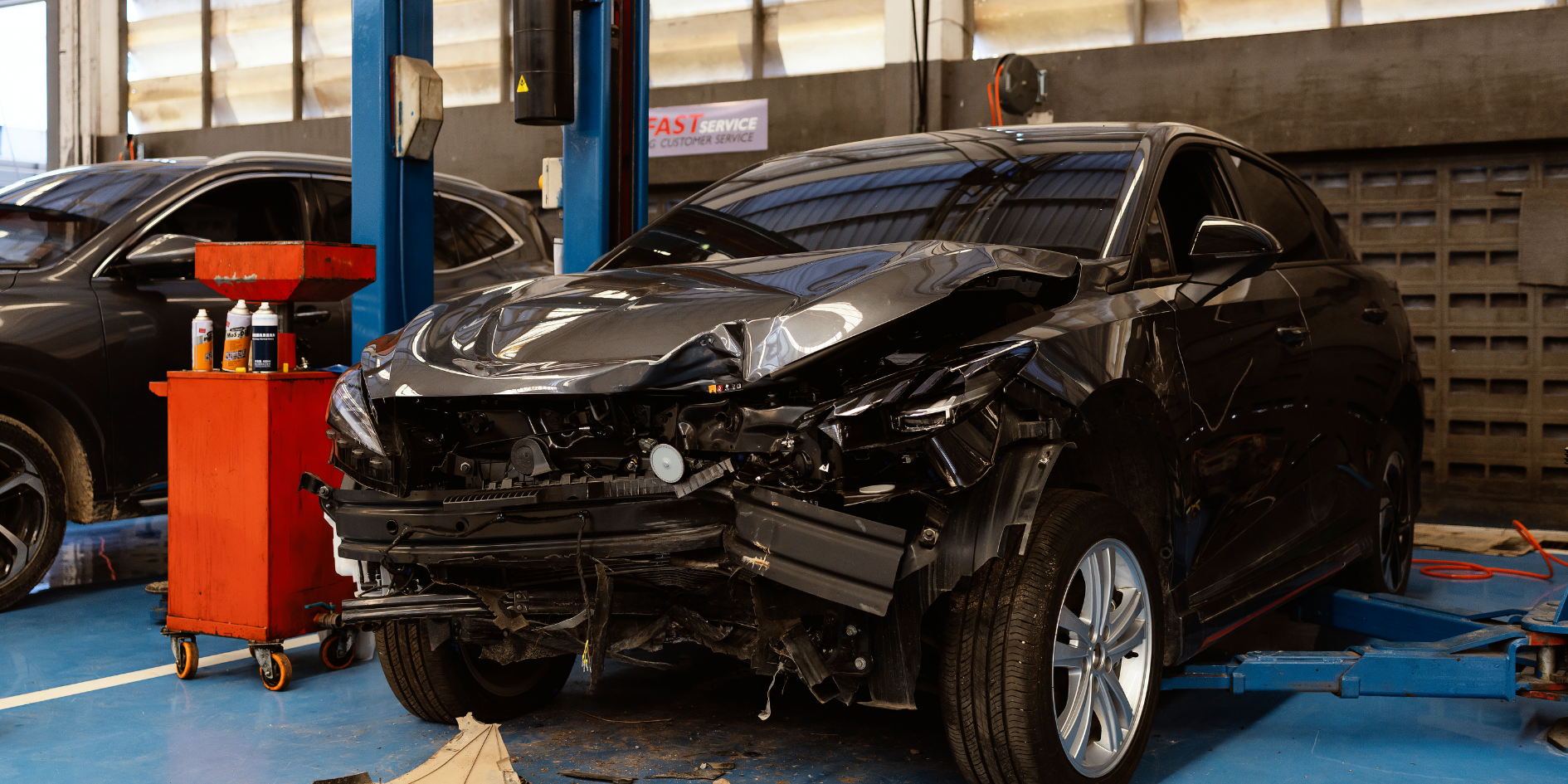
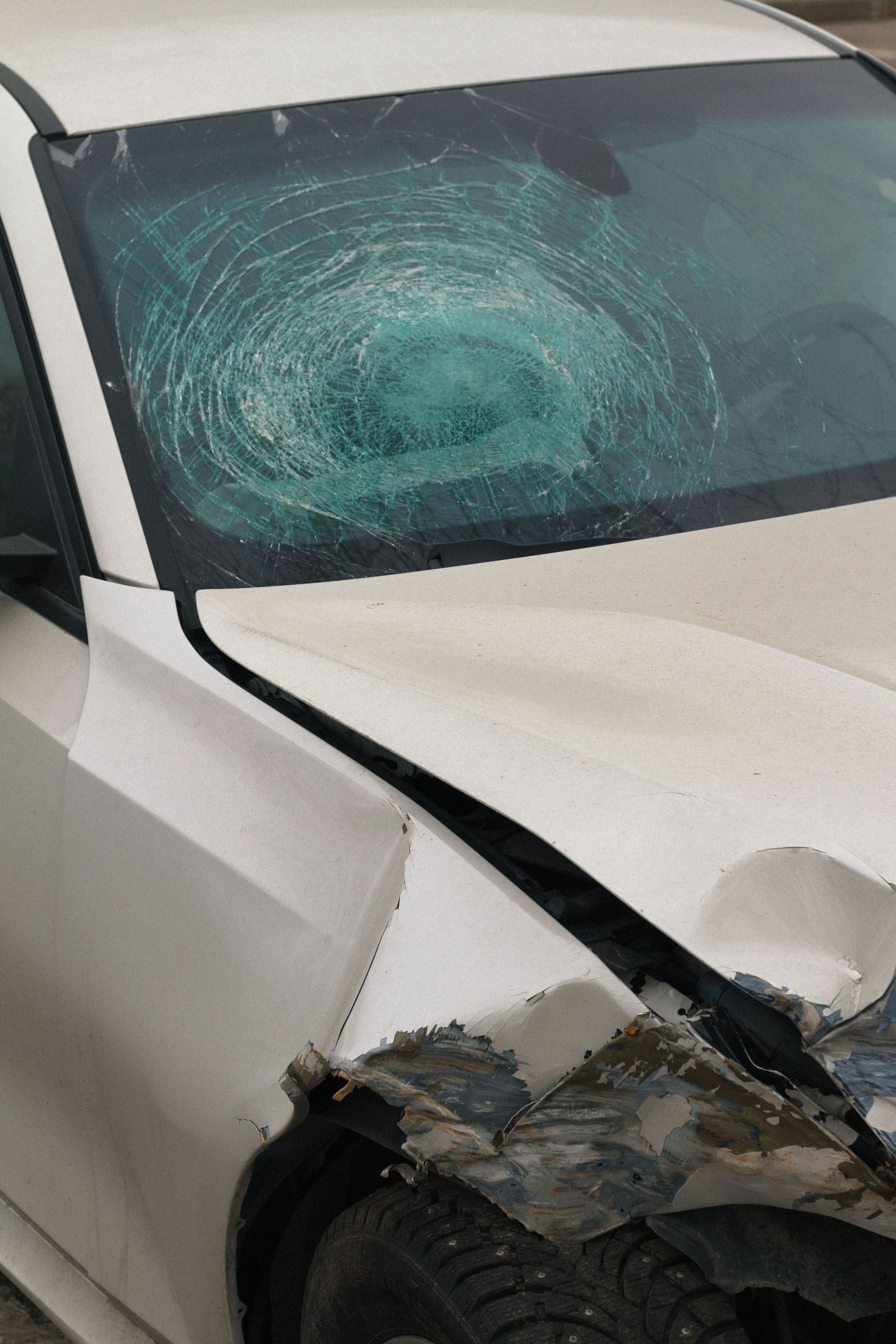
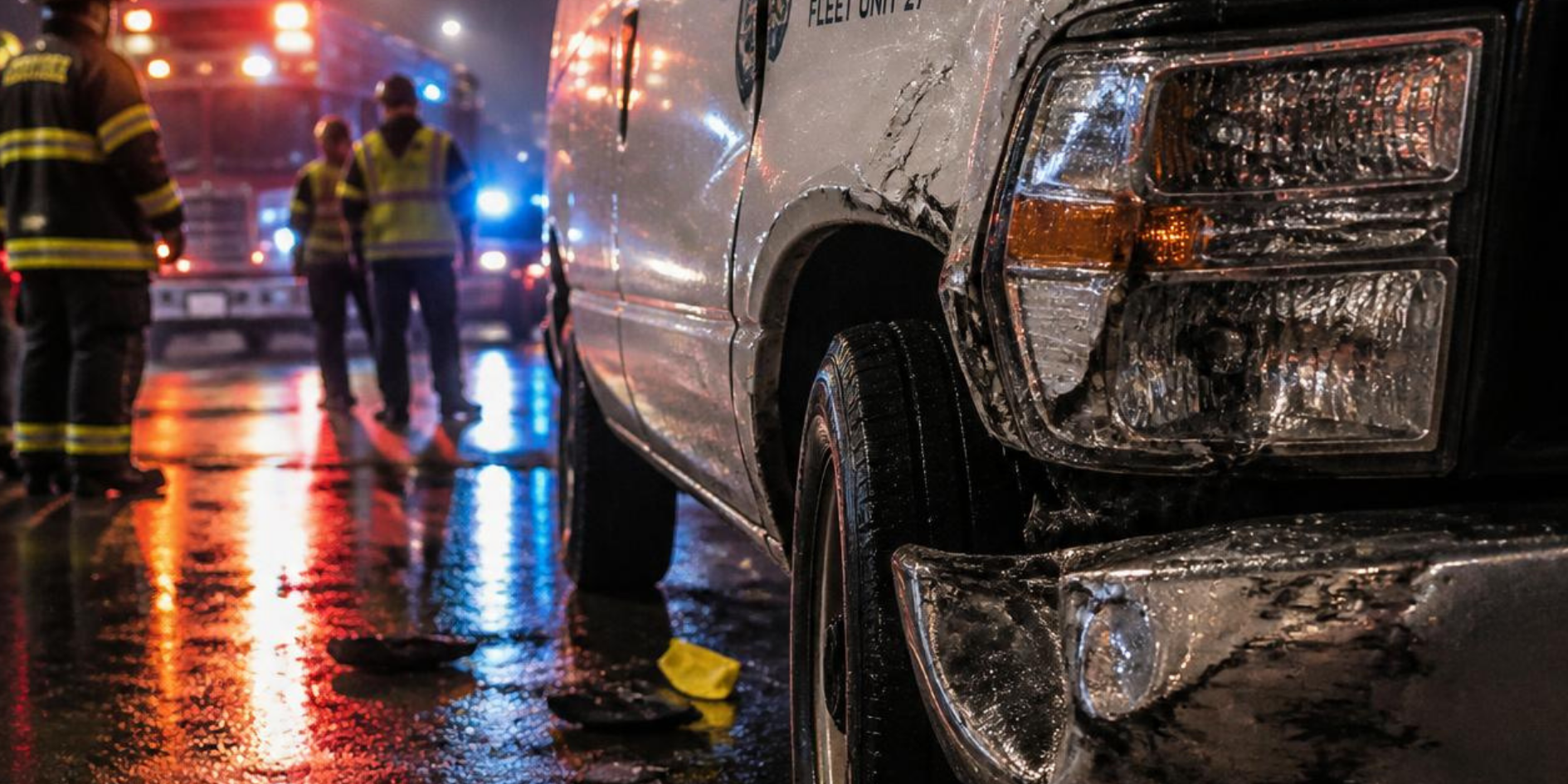
After a collision, most vehicle owners focus on the visible damage. Dents, scratches, and misaligned panels are easy to recognize, but the repair process involves far more than restoring appearance. Behind the scenes, collision repair is a detailed, multi-step process that prioritizes safety, precision, and long-term performance.
Understanding what happens inside a professional collision repair shop helps explain why quality repairs require both time and expertise.
Initial Assessment and Documentation
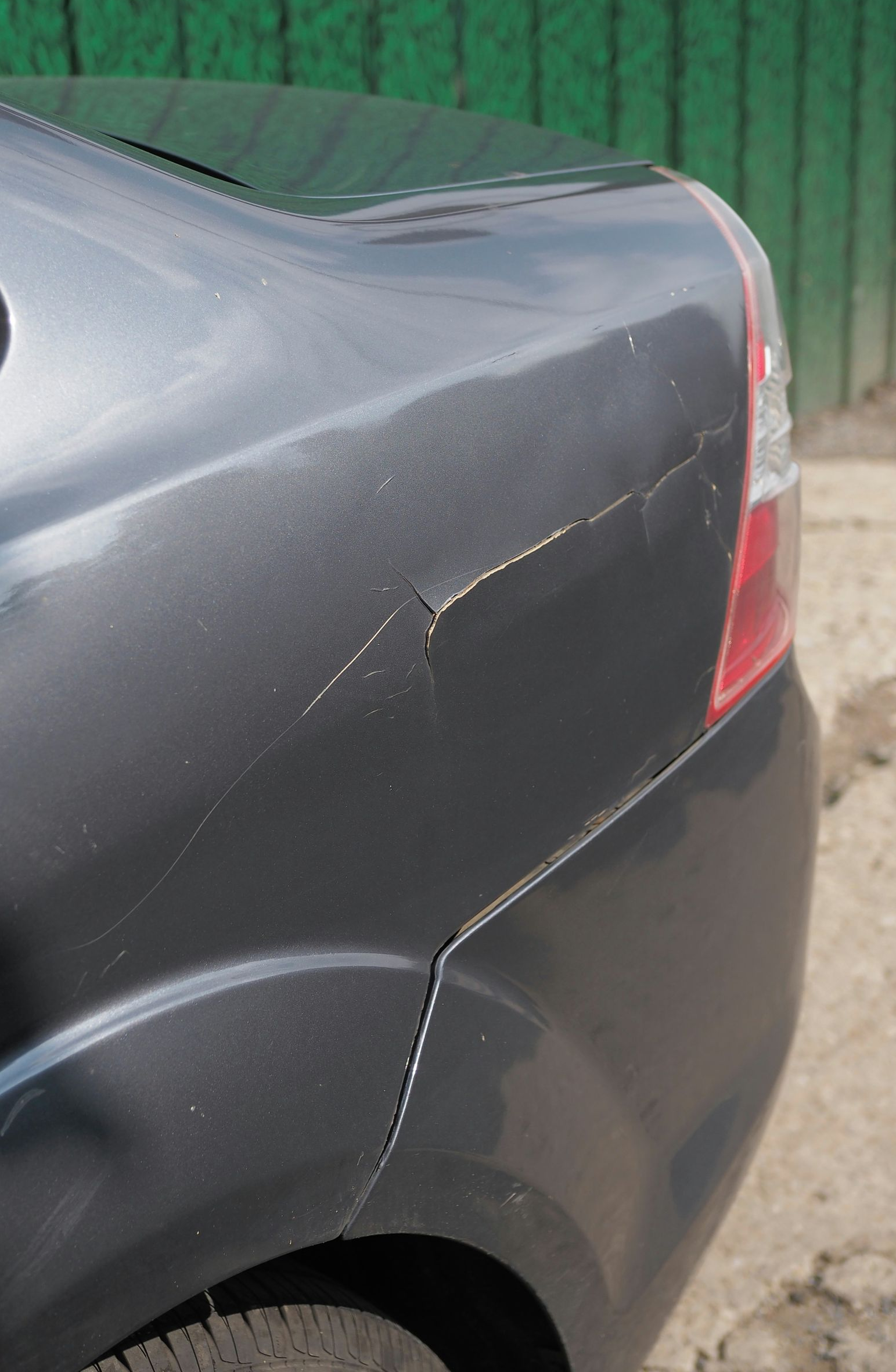
Every repair begins with a thorough inspection. Technicians evaluate both visible and hidden damage to determine the full scope of the repair. This step is critical because not all issues are immediately apparent.
The assessment process may include:
- Visual inspection of exterior damage
- Evaluation of structural components
- Identification of potential hidden issues
Detailed documentation is created to support repair planning and insurance coordination. This ensures that all necessary work is accounted for before repairs begin.
Disassembly to Reveal Hidden Damage
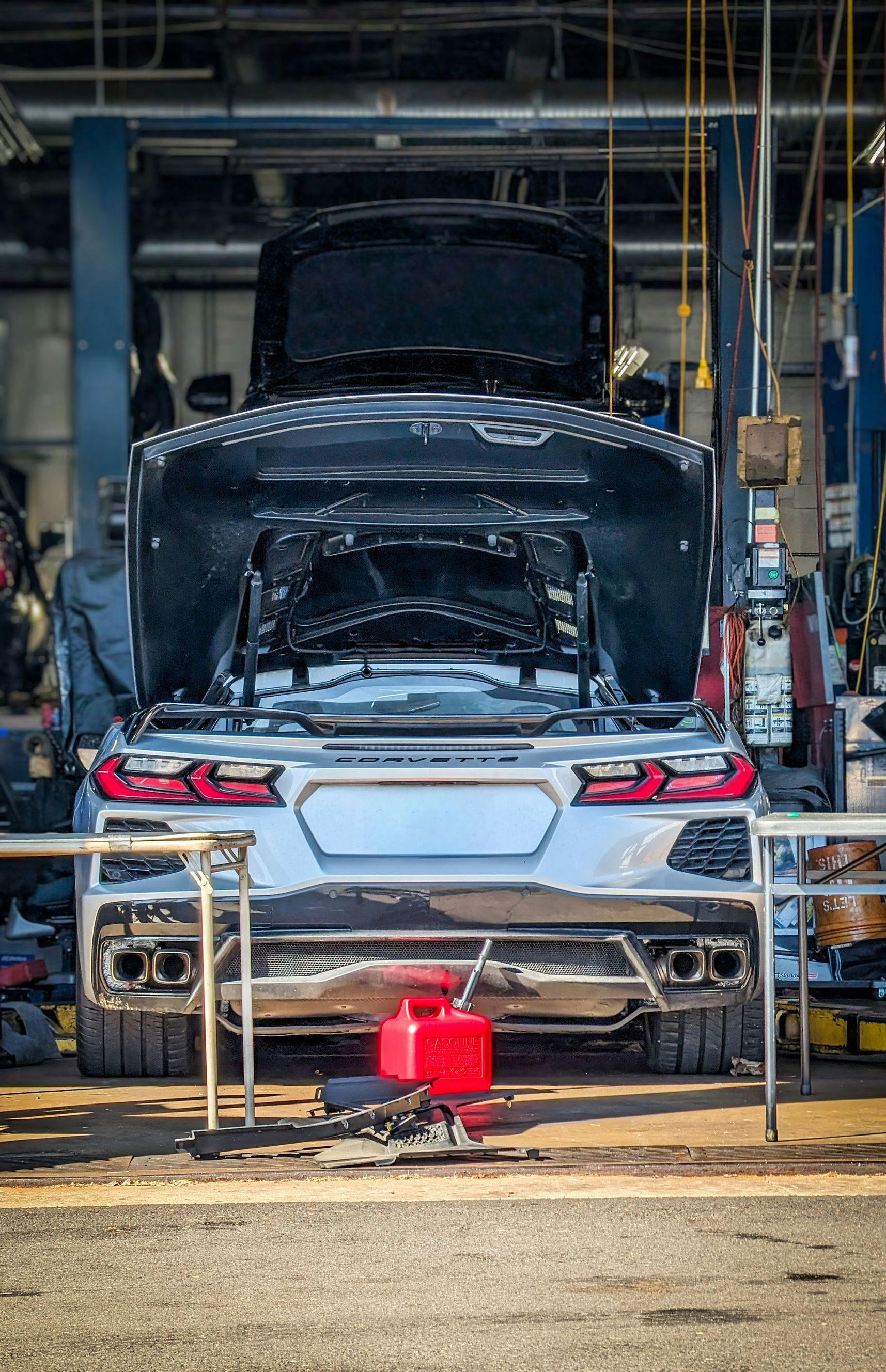
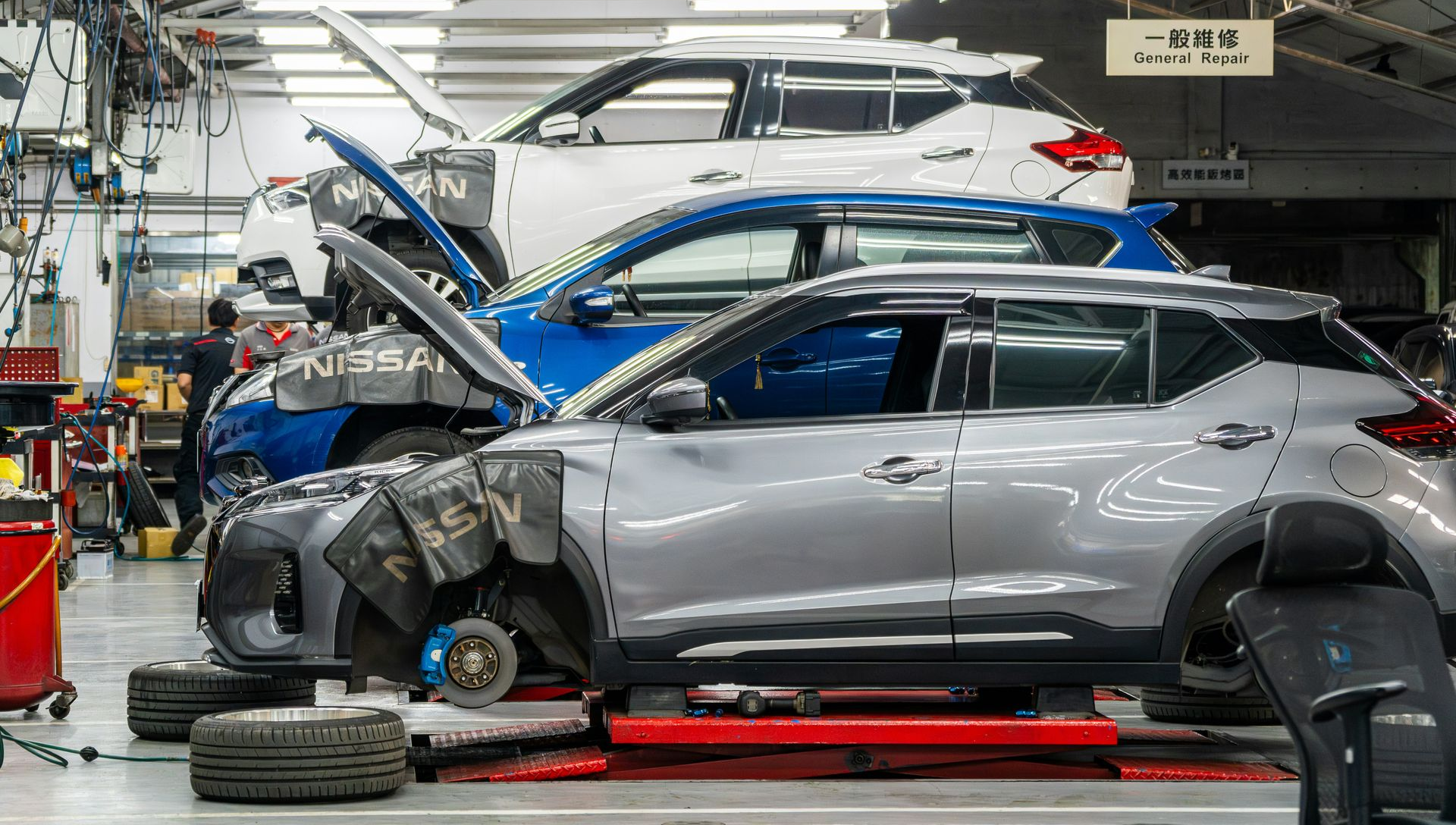
In many cases, parts of the vehicle must be removed to access underlying areas. This step allows technicians to identify damage that may not have been visible during the initial inspection.
Disassembly may involve:
- Removing panels and trim components
- Accessing internal structural areas
- Inspecting systems that could be affected by impact
This process often reveals additional issues that need to be addressed to restore the vehicle properly.
Structural and Frame Evaluation
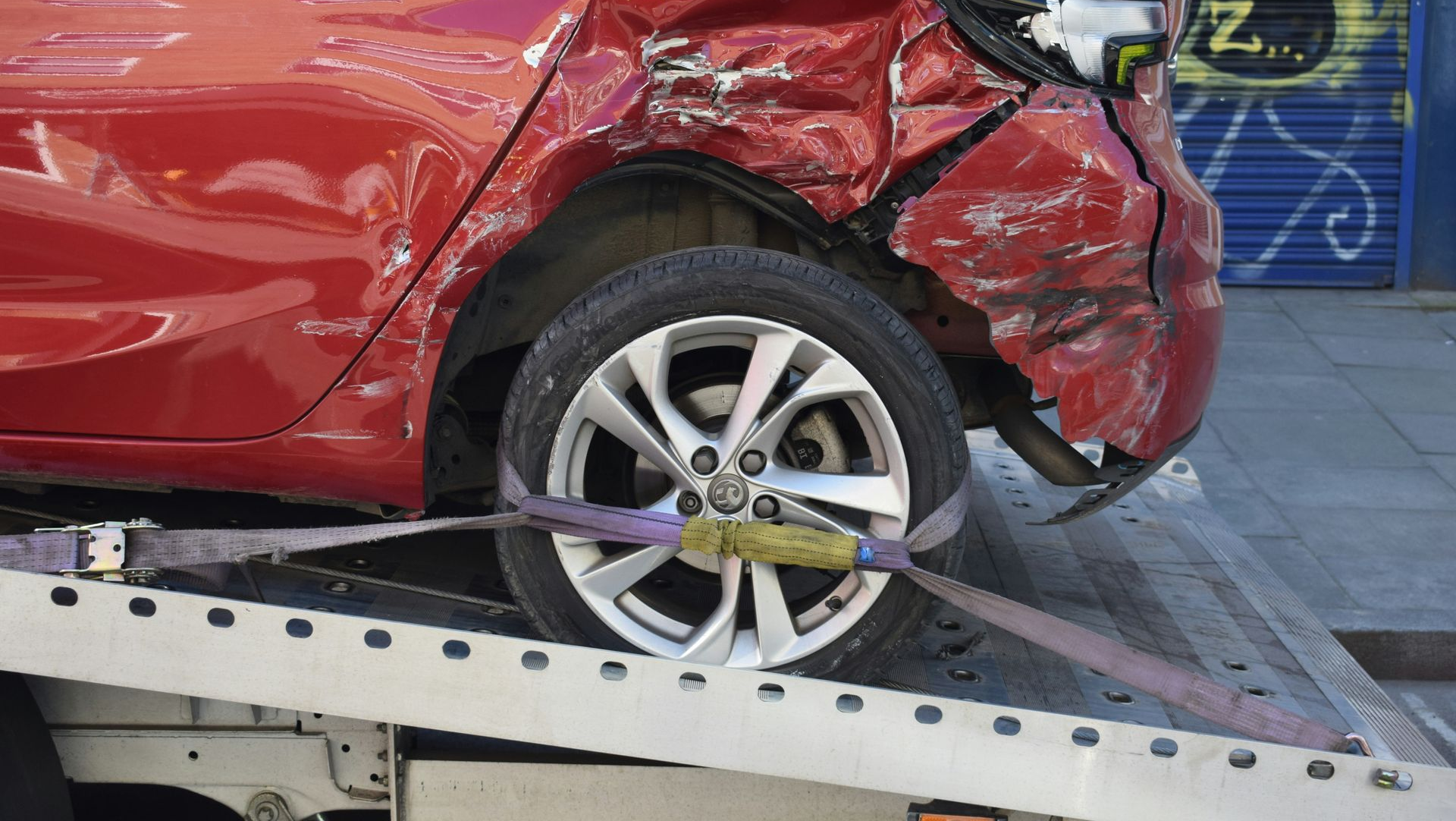
Modern vehicles are designed with structural components that absorb impact and protect occupants. After a collision, these components must be carefully evaluated.
If structural damage is present, technicians use specialized equipment to:
- Measure the frame against manufacturer specifications
- Realign components with precision
- Restore the vehicle’s structural integrity
This step is essential to ensure that the vehicle performs as intended in future driving conditions.
Repairing or Replacing Damaged Components
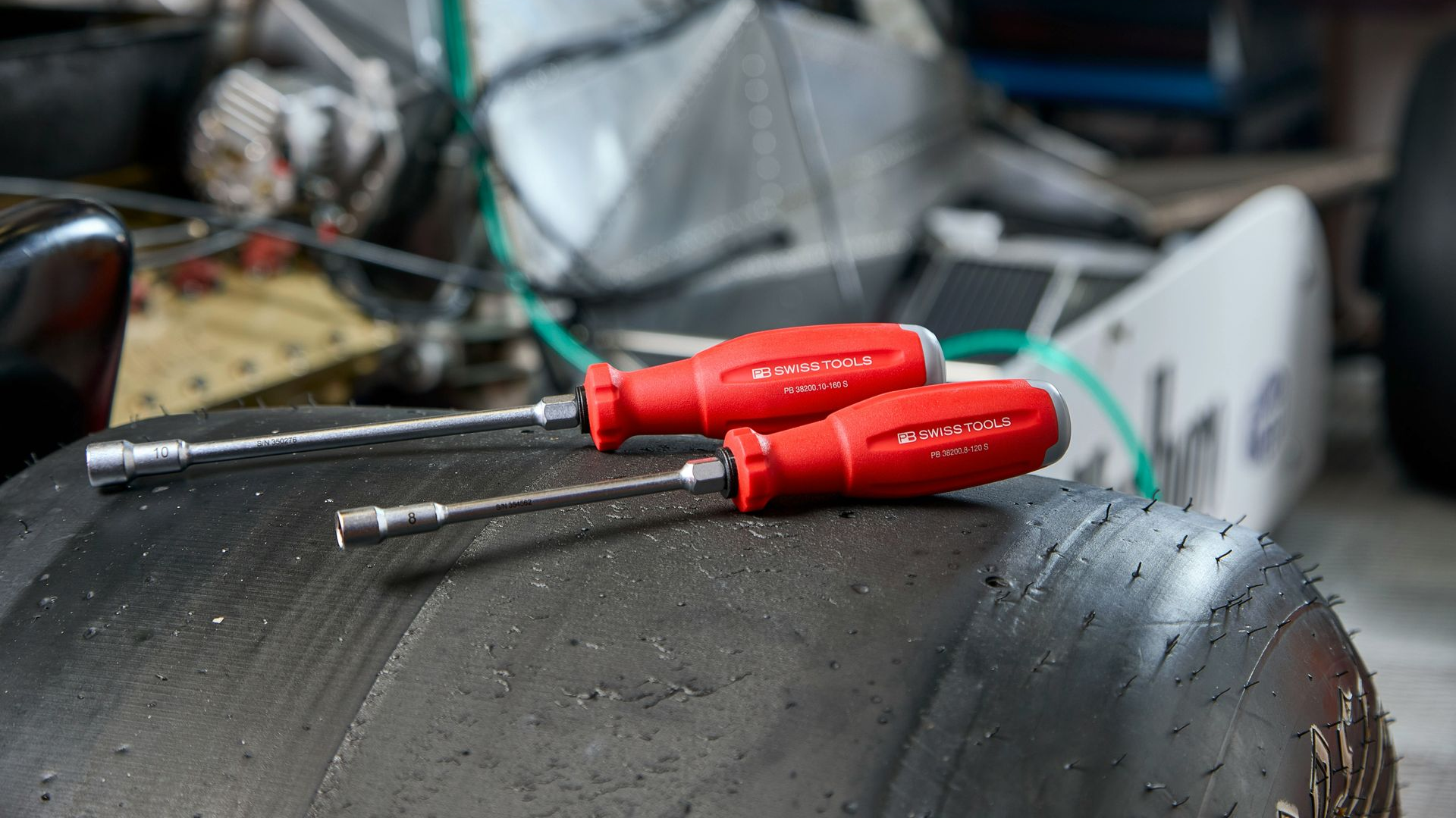
Once the full extent of the damage is known, technicians determine whether parts can be repaired or need to be replaced. This decision is based on safety, manufacturer guidelines, and the condition of the component.
The process may include:
- Repairing panels when appropriate
- Replacing parts that cannot be restored
- Using OEM components when possible
Each decision is made with the goal of maintaining the vehicle’s original performance and safety standards.
Surface Preparation for Refinishing
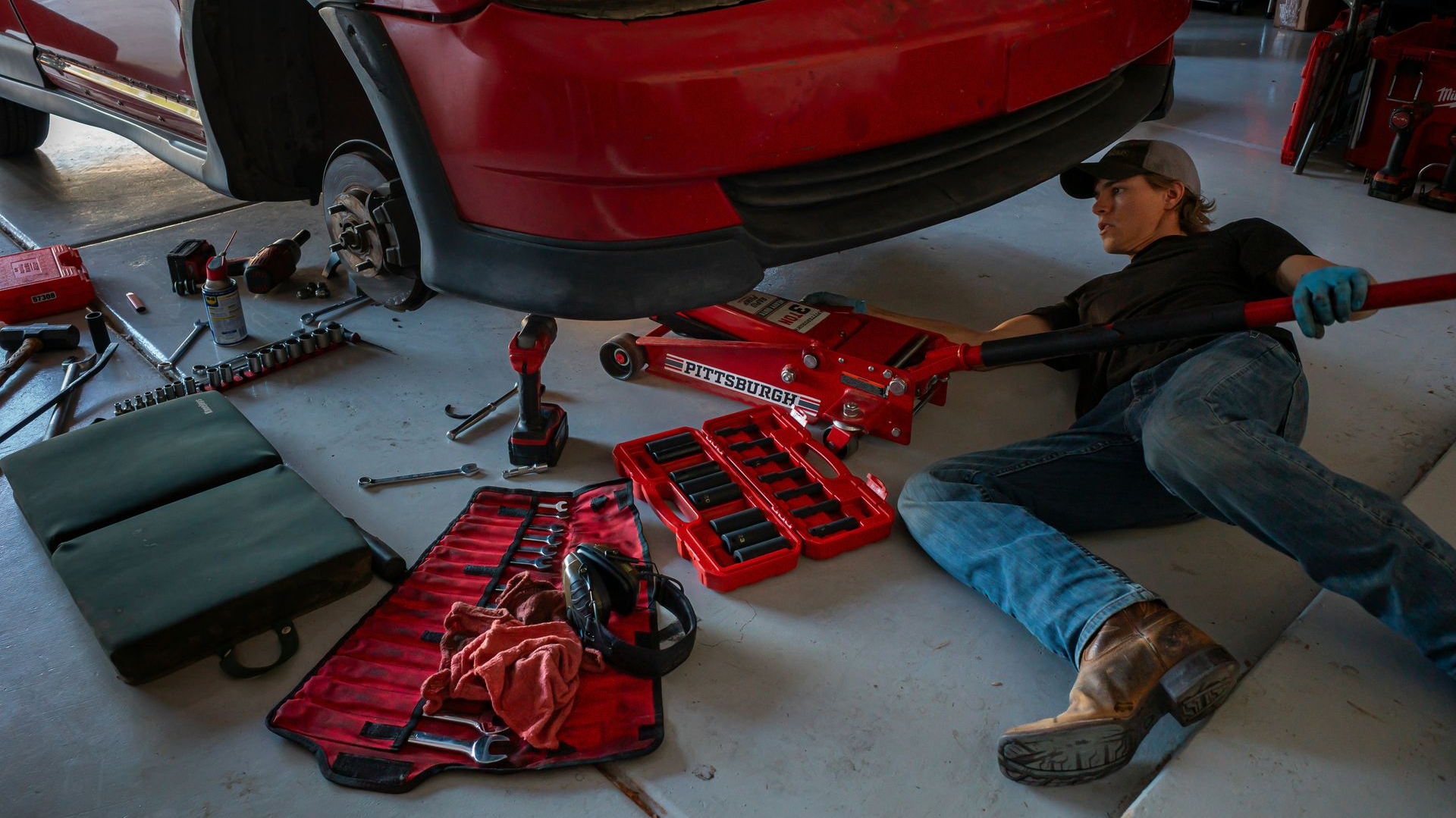
Before any paint work begins, surfaces must be carefully prepared. This step ensures that the final finish adheres properly and matches the rest of the vehicle.
Preparation involves:
- Smoothing repaired areas
- Applying primers and sealers
- Ensuring a consistent surface for painting
Attention to detail during this phase directly affects the quality of the final result.
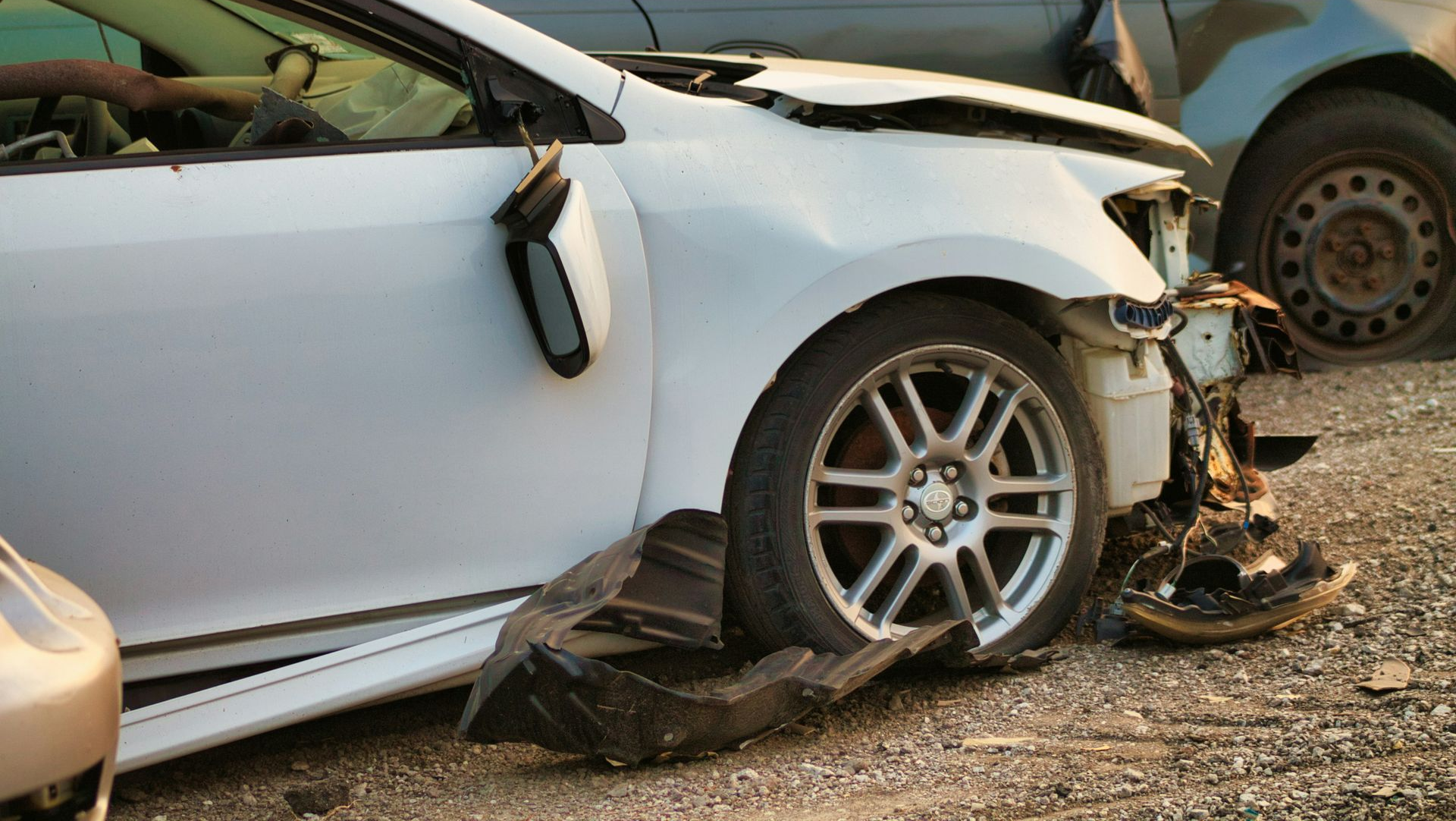
Precision Paint and Color Matching
Modern paint systems rely on advanced technology to achieve a factory-like finish. Technicians use computerized color matching tools to ensure accuracy.
The refinishing process includes:
- Matching the original color formulation
- Applying paint in controlled conditions
- Blending adjacent panels for consistency
This step restores the vehicle’s appearance while maintaining a seamless finish.
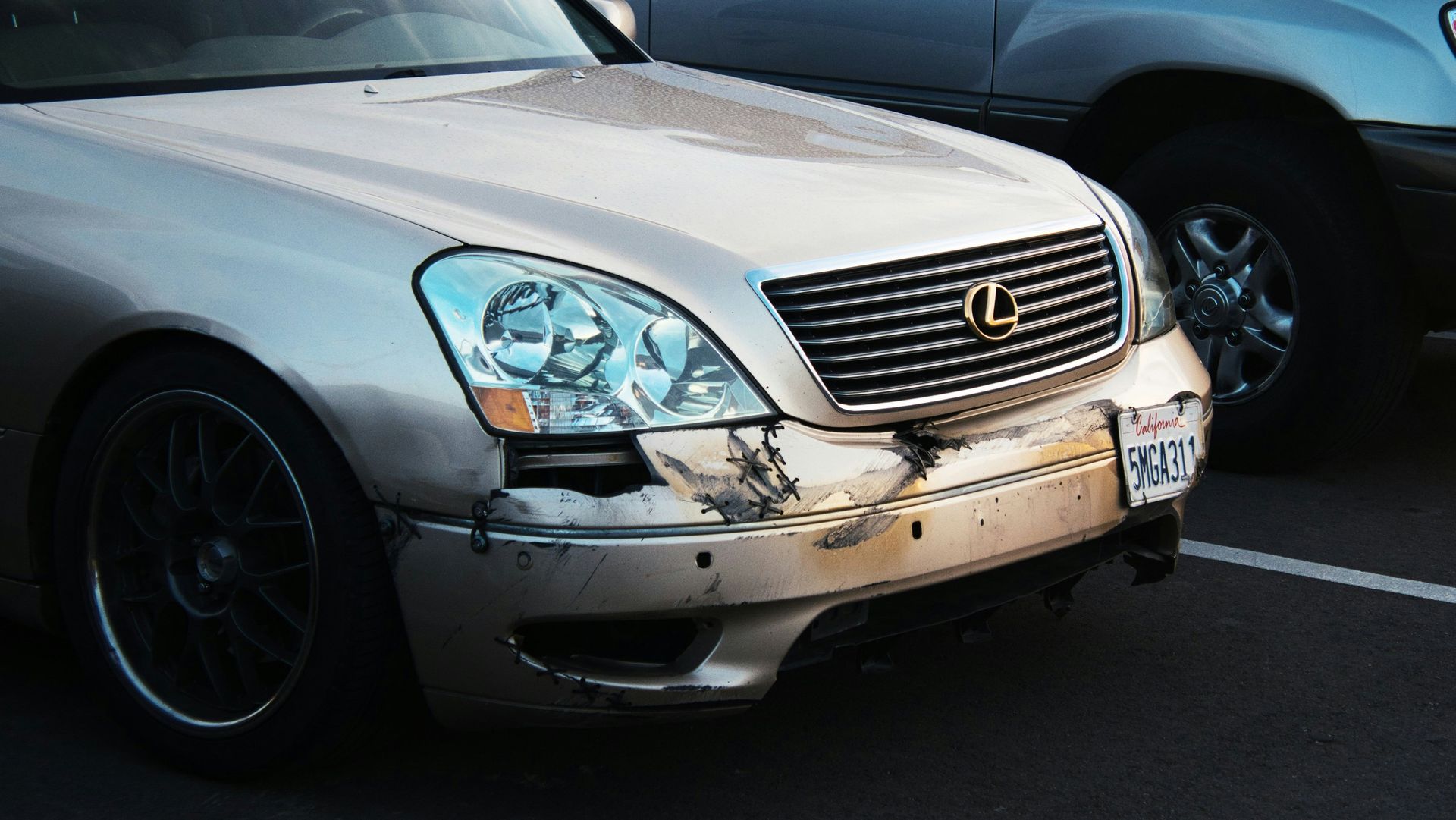
Reassembly and System Checks
After repairs and refinishing are complete, the vehicle is reassembled. All components are carefully reinstalled, and systems are checked to ensure proper function.
This stage may involve:
- Reinstalling panels and trim
- Verifying alignment and fit
- Testing systems affected by the repair
Every detail is reviewed to confirm that the vehicle is fully restored.
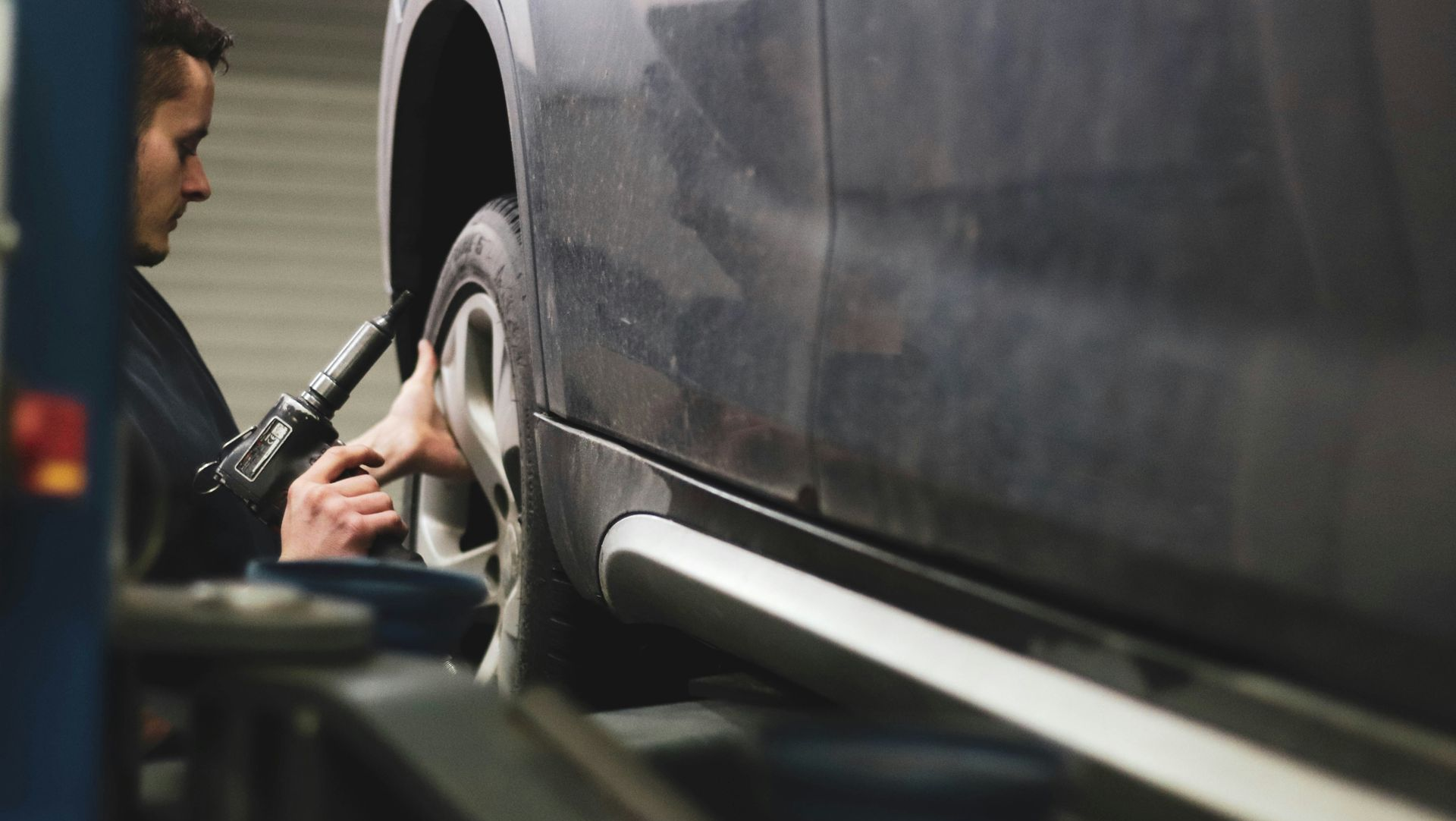
Final Inspection and Quality Control
Before the vehicle is returned to the owner, it undergoes a final inspection. This quality control step ensures that all repairs meet professional standards.
Technicians review:
- Structural integrity
- Surface finish and appearance
- Overall functionality
Only after passing this inspection is the vehicle considered ready for delivery.
A Process Focused on Safety and Precision
Collision repair is a comprehensive process that goes far beyond surface-level fixes. Each step is designed to restore the vehicle’s safety, performance, and appearance.
Dealership Autoplex Collision Center (D.A.C.C.) provides professional collision repair services backed by experienced technicians, advanced equipment, and a commitment to quality. If your vehicle has been involved in an accident, contact D.A.C.C. to learn how a thorough, behind-the-scenes process ensures a complete and reliable repair.