

The Difference Between Insurance Estimates and Actual Repair Costs
What Drivers Should Know After Filing a Claim
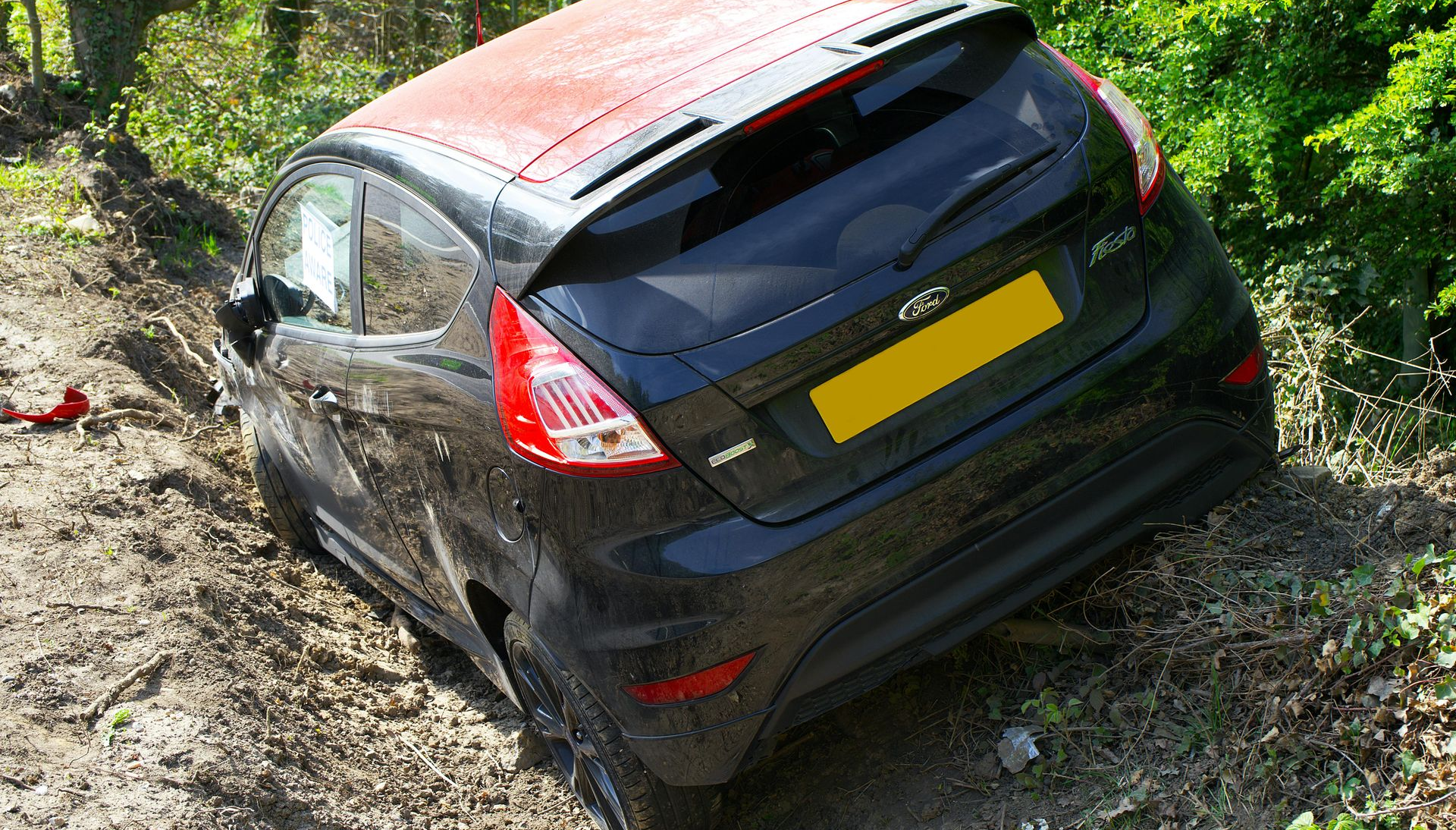
After a car accident, one of the first steps many drivers take is filing an insurance claim. Shortly after, an estimate is often provided outlining the expected cost of repairs. While this estimate is an important part of the process, it is not always the final word on what it will take to fully restore a vehicle.
Understanding the difference between an initial insurance estimate and the actual repair cost can help set realistic expectations and reduce confusion during the repair process.
What an Insurance Estimate Represents
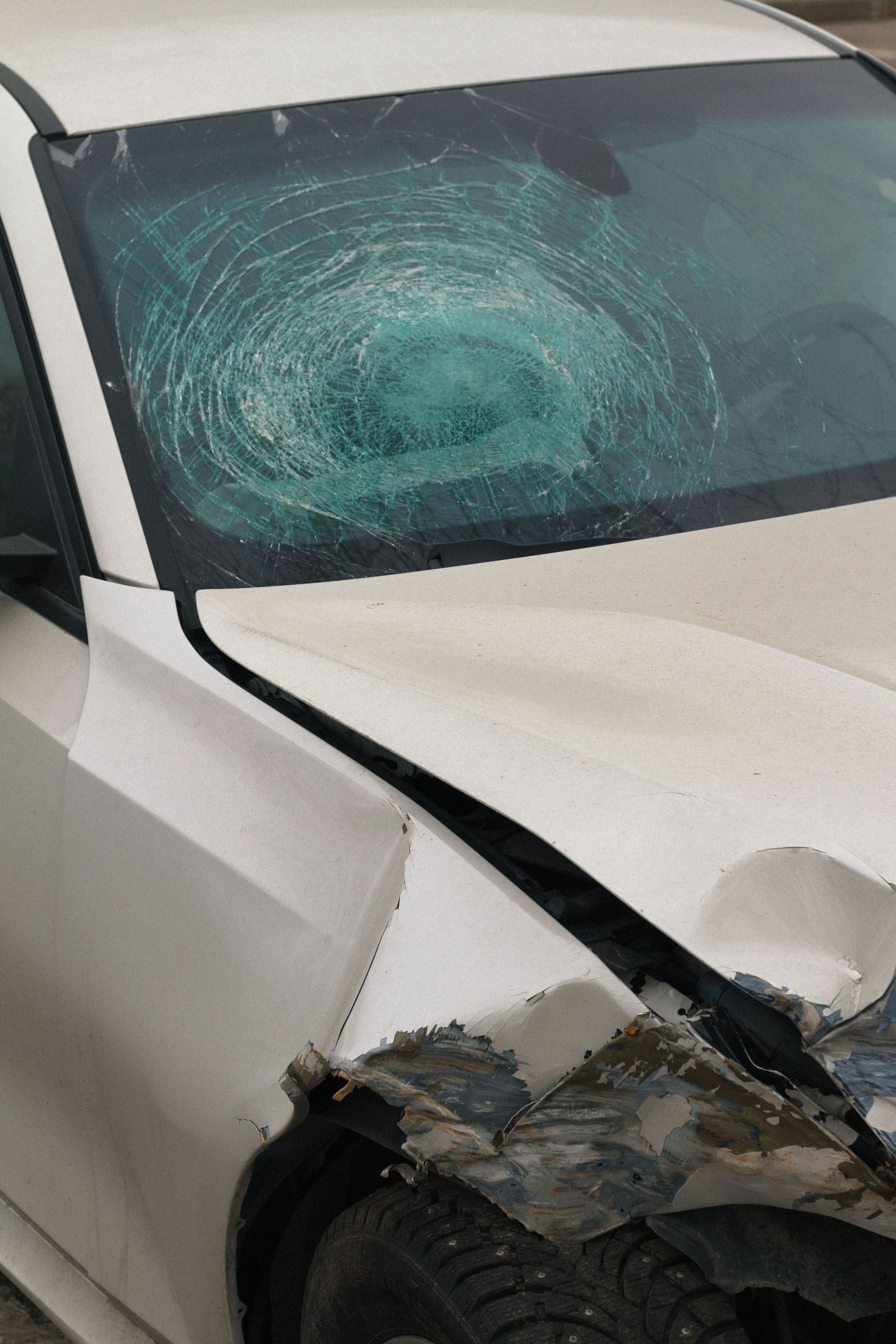
An insurance estimate is typically based on a preliminary inspection of the vehicle. This inspection may be conducted visually or through photos, focusing on damage that is immediately visible.
The estimate is designed to:
- Provide a starting point for repair costs
- Help determine claim approval and coverage
- Outline what can be identified without disassembly
At this stage, the estimate is not a complete assessment. It reflects what can be seen, not necessarily everything that has been affected by the accident.
Why Initial Estimates Are Often Incomplete
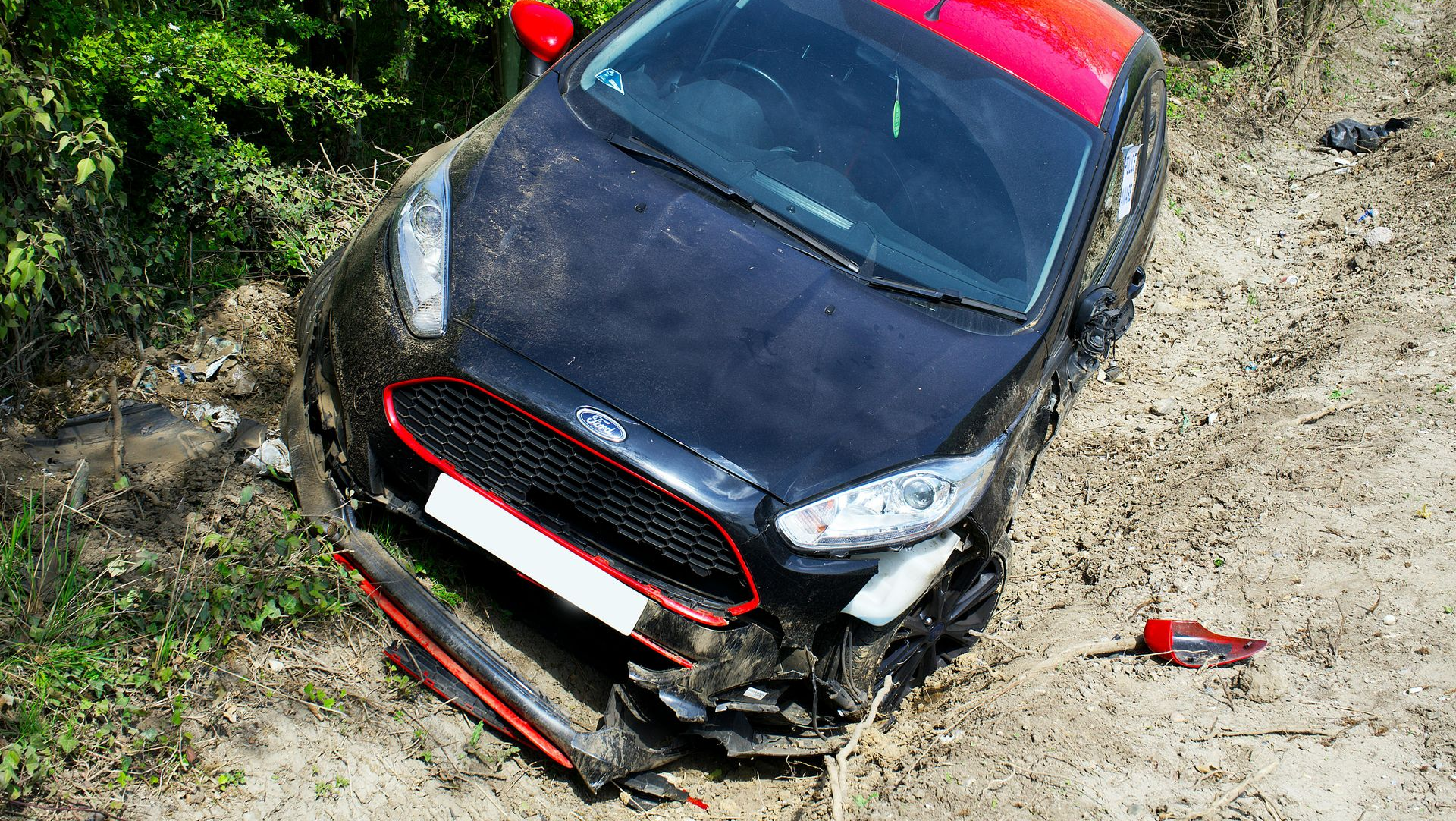
Modern vehicles are complex systems with interconnected components. Damage that appears minor on the surface can extend deeper into structural or mechanical areas.
Because of this, certain issues may not be identified until:
- Panels are removed
- Components are inspected more closely
- Internal systems are evaluated
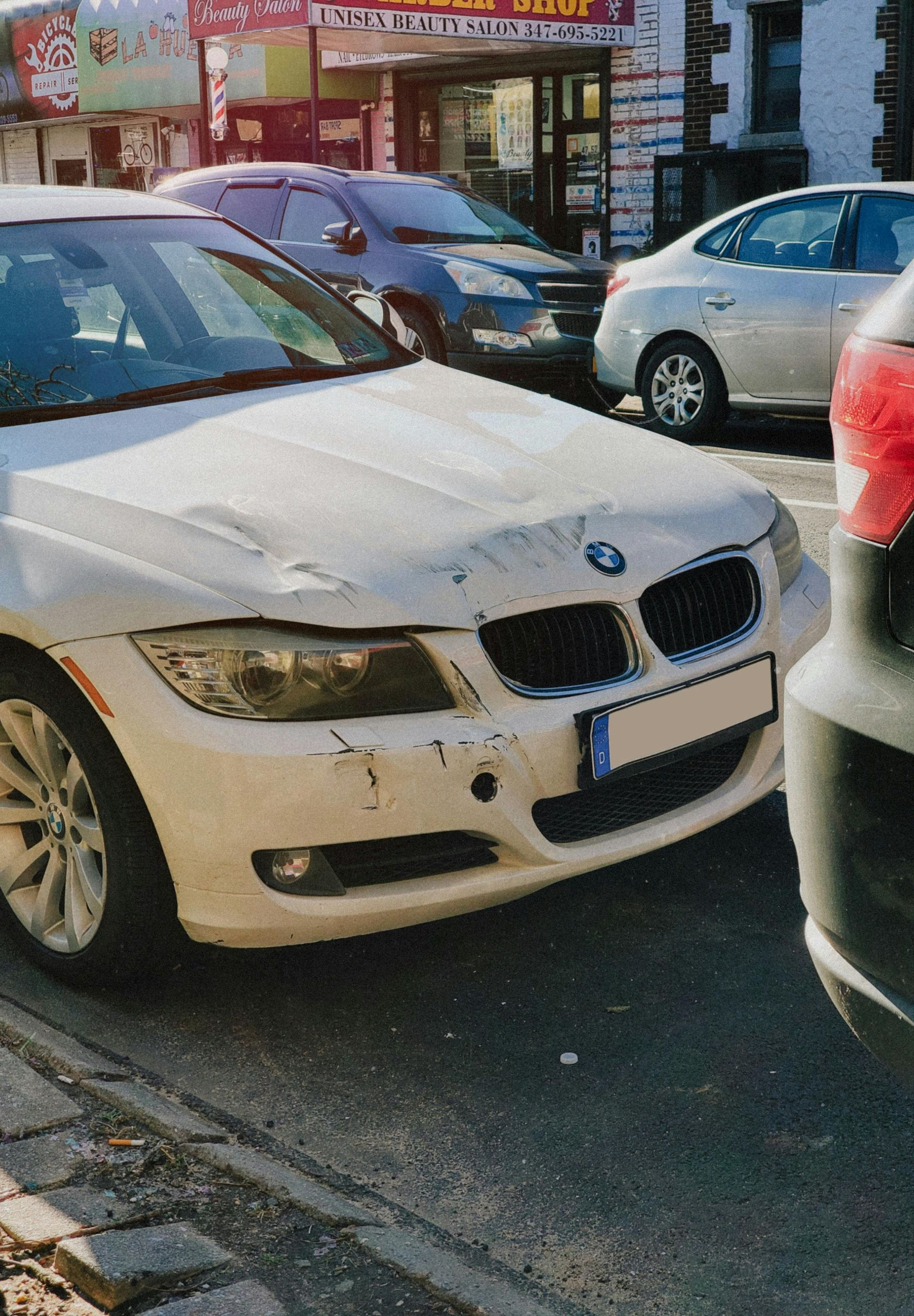
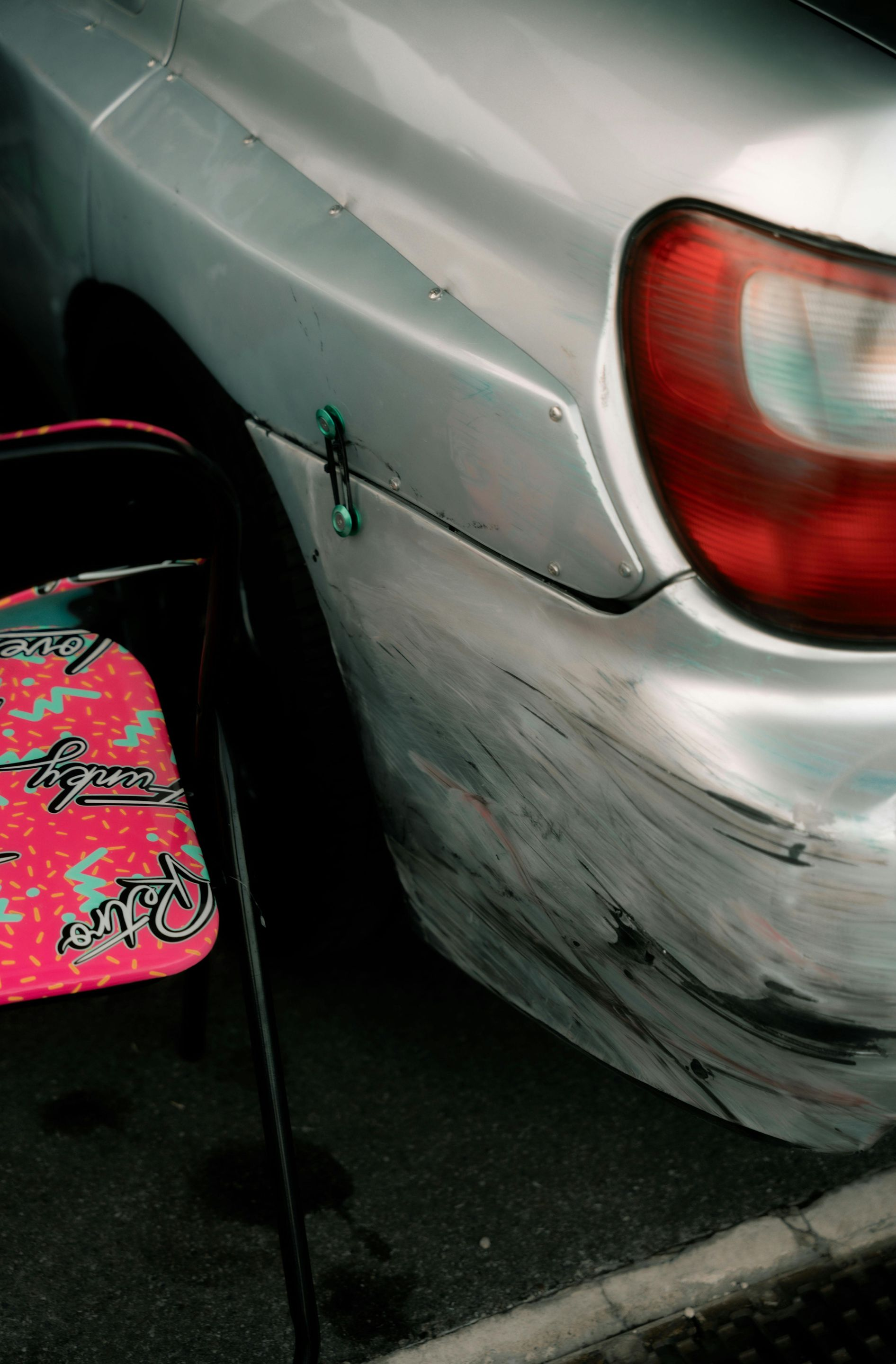
For example, what appears to be a simple dent may involve underlying structural damage or alignment issues. These factors cannot always be confirmed during an initial inspection.
As a result, the original estimate may not include all necessary repairs.
The Role of a Detailed Repair Inspection
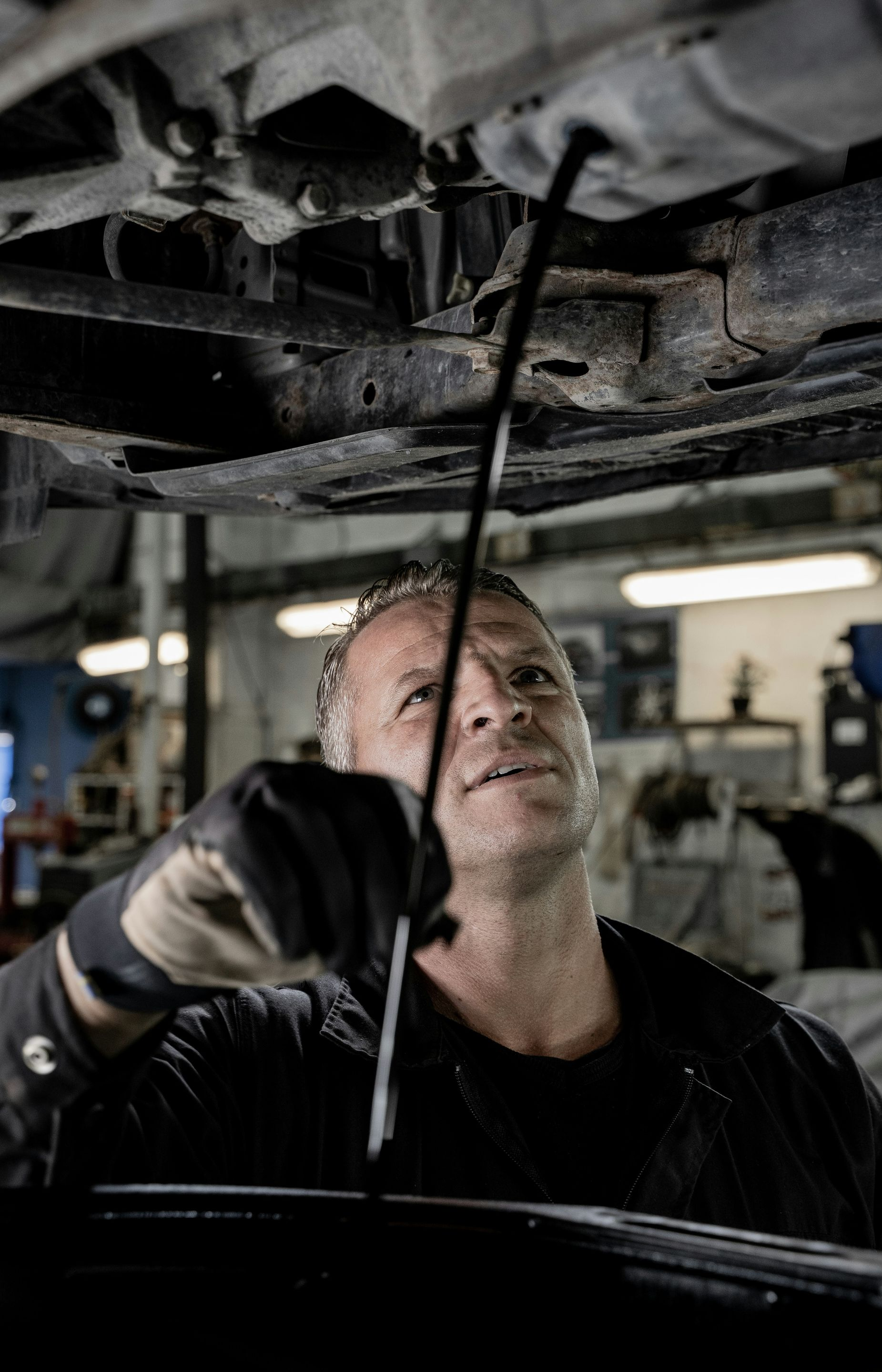
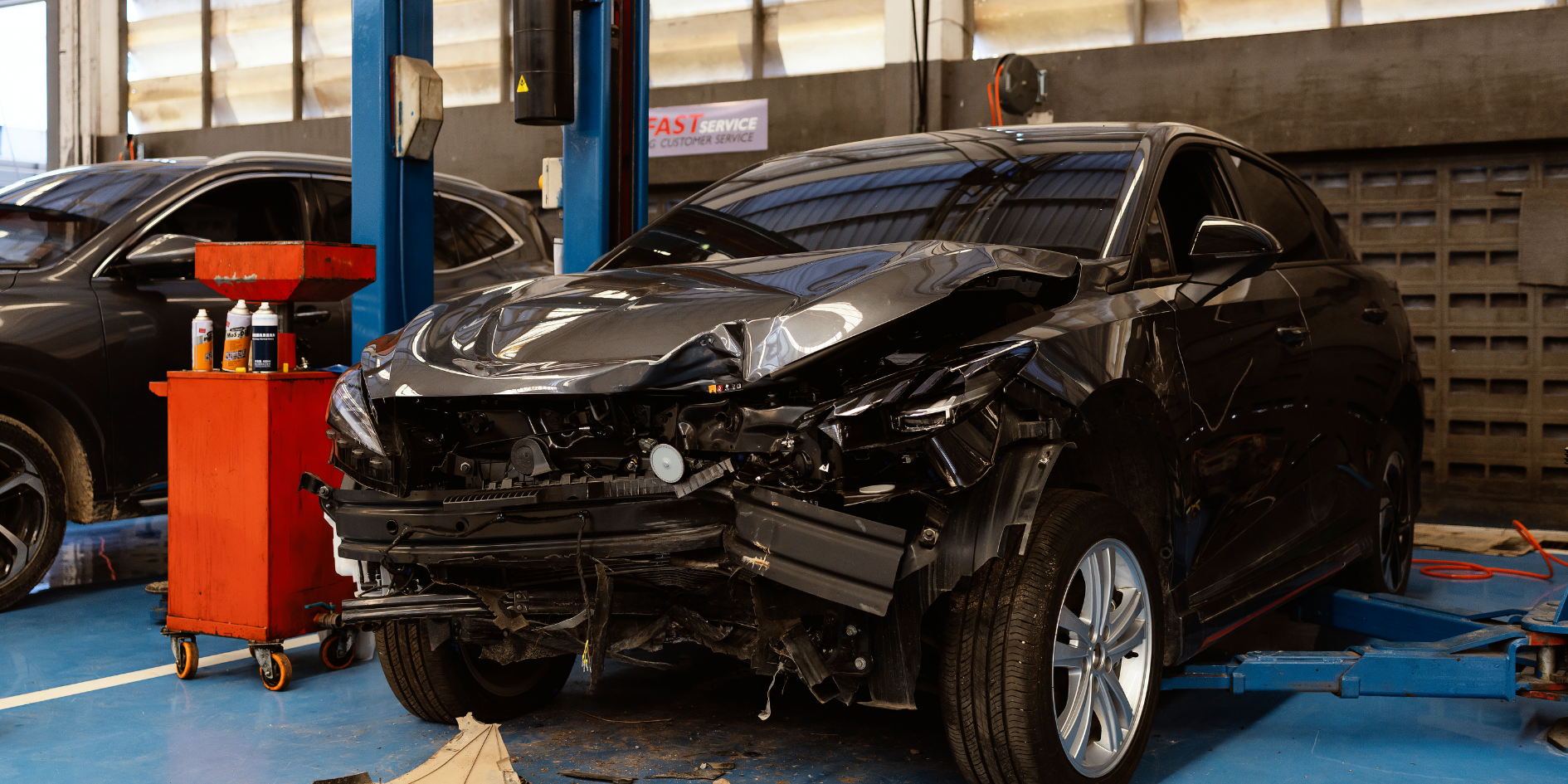
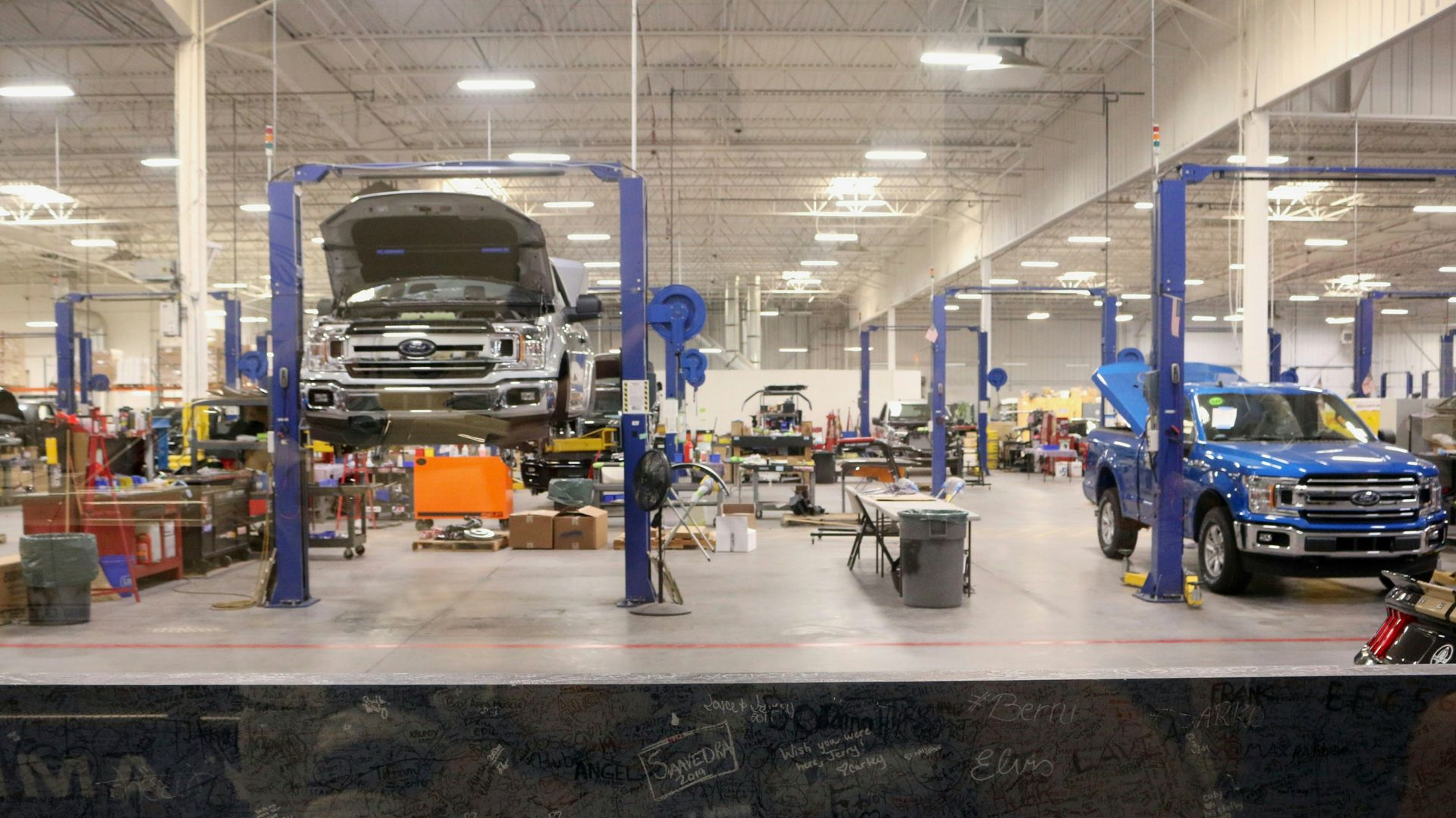
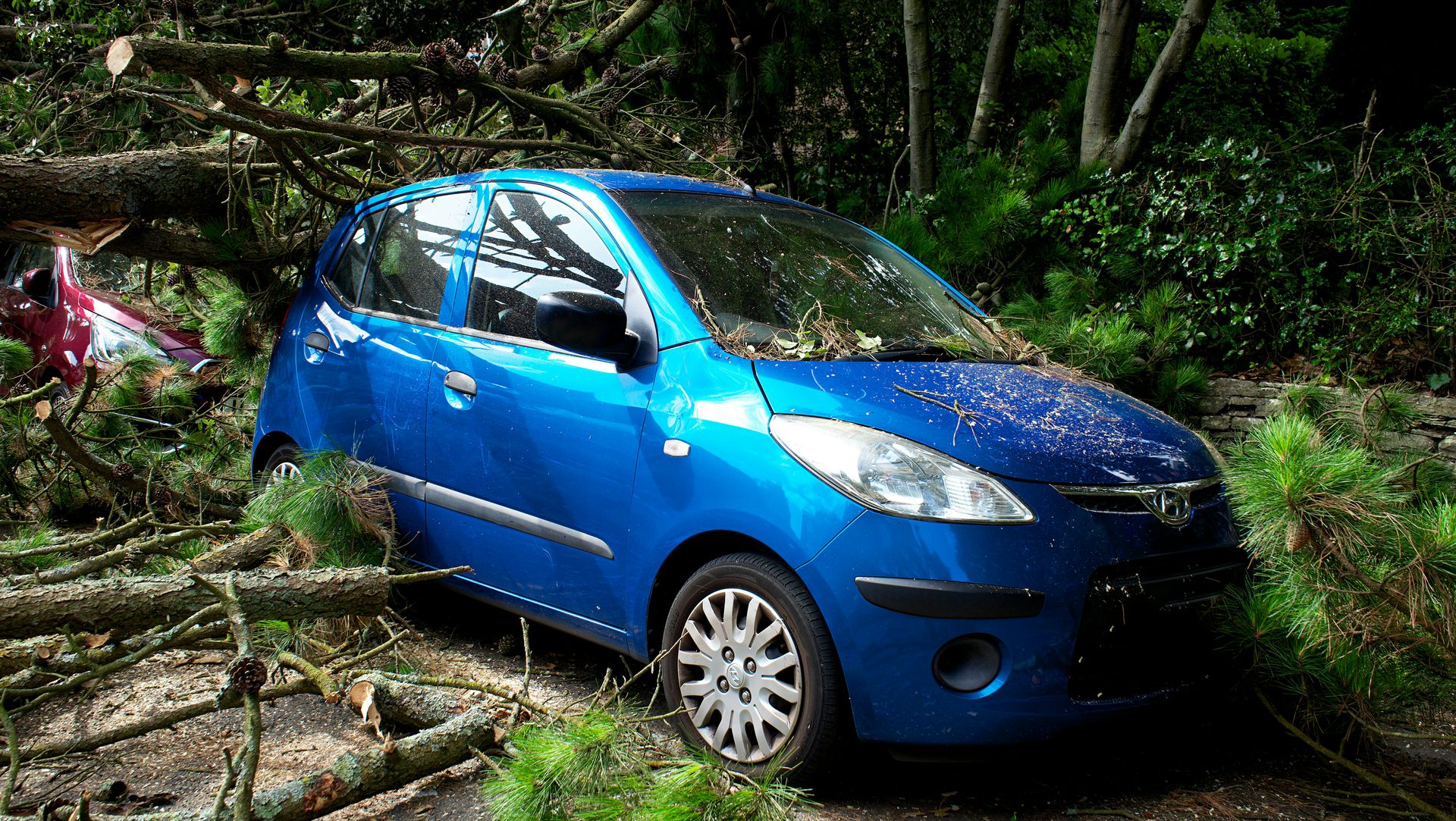
Once a vehicle arrives at a collision center, technicians perform a more thorough evaluation. This process often includes partial disassembly to identify hidden damage.
During this stage, technicians may discover:
- Additional structural issues
- Damage to internal components
- Misalignment that was not visible externally
This information allows the repair team to develop a more accurate understanding of what is required to restore the vehicle.
What Are Supplemental Estimates?
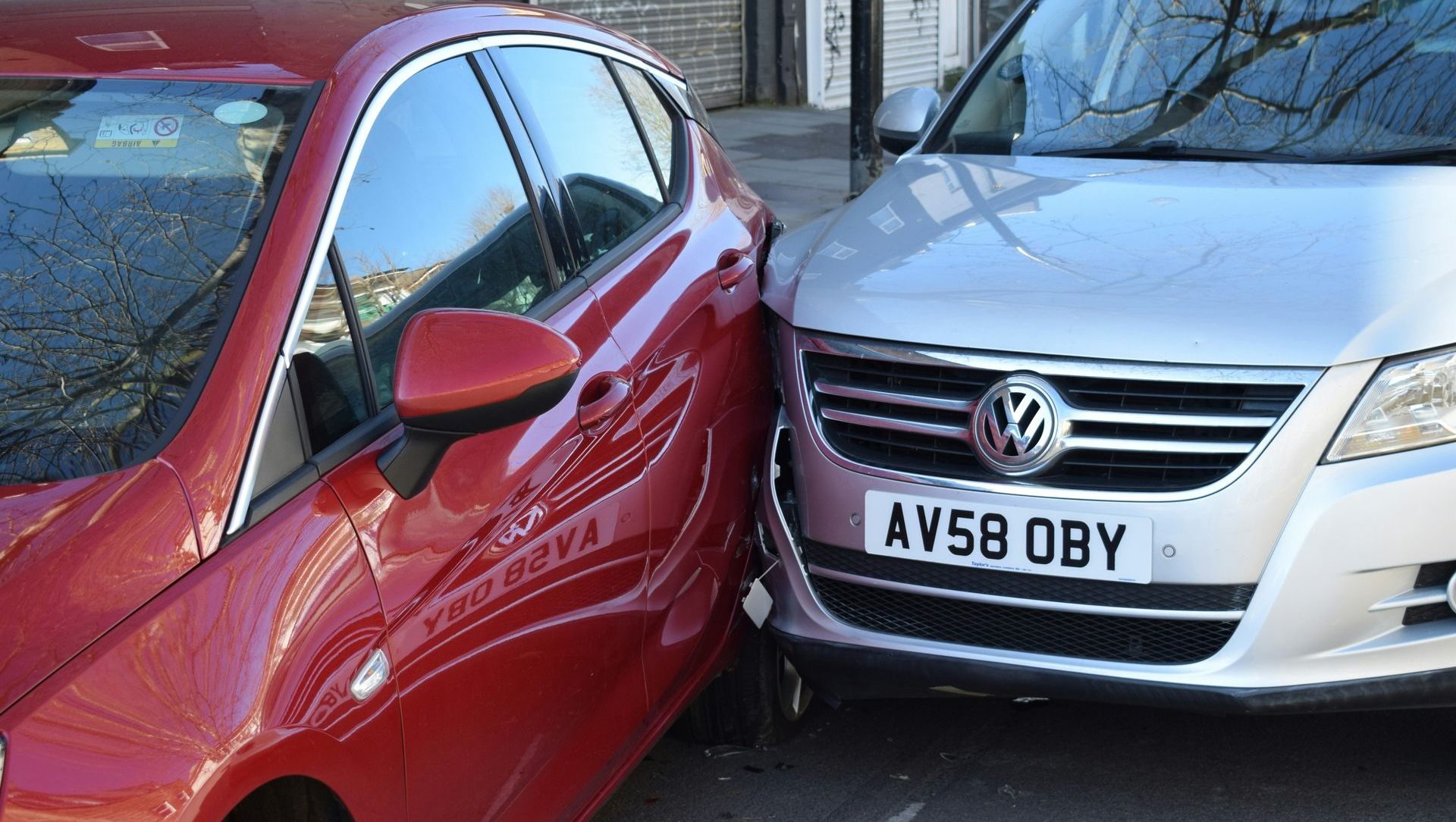
When additional damage is identified, a supplemental estimate is created. This document updates the original estimate to reflect the full scope of repairs.
Supplemental estimates are a normal part of the repair process and may include:
- Additional labor
- Replacement parts
- Adjustments to repair procedures
These updates are submitted to the insurance company for approval. While this step may extend the timeline, it ensures that all necessary repairs are accounted for.
Why Accurate Repairs Matter More Than Speed
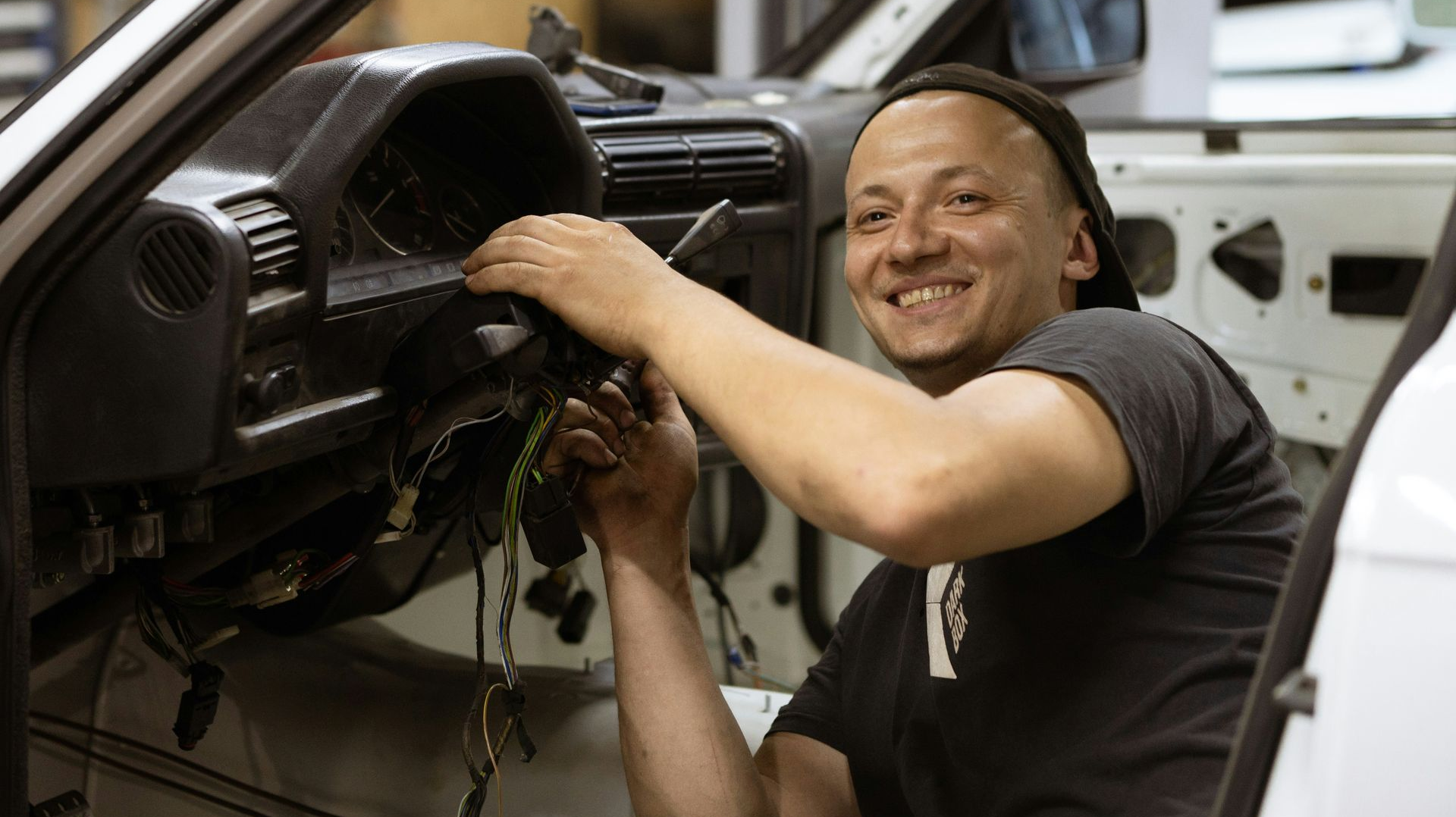
It can be frustrating when repair costs increase beyond the initial estimate. However, focusing only on the original estimate can lead to incomplete repairs.
A proper repair process prioritizes:
- Structural integrity
- Safety of the vehicle
- Long-term performance
Addressing all damage, including what is not immediately visible, helps ensure that the vehicle is returned to pre-accident condition.
Communication Throughout the Process
Clear communication between the collision center, the insurance company, and the customer is essential. As new information is discovered, updates should be shared so that expectations remain aligned.
A reputable collision center will:
- Explain why additional repairs are needed
- Provide updated timelines
- Coordinate directly with the insurance provider
This level of transparency helps reduce uncertainty and keeps the process moving forward.
Understanding the Full Picture
An insurance estimate is an important first step, but it is not a final determination of repair costs. The actual cost of restoring a vehicle depends on a complete and accurate assessment of all damage.
By understanding how estimates evolve, drivers can approach the repair process with greater clarity and confidence.
Dealership Autoplex Collision Center works closely with both customers and insurance providers to ensure that every repair is thorough, accurate, and properly documented. If you have questions about an estimate or need assistance navigating the repair process, contact Dealership Autoplex Collision Center today for professional guidance and support.