

How Modern Vehicles Absorb Collision Impact Differently Than Older Cars
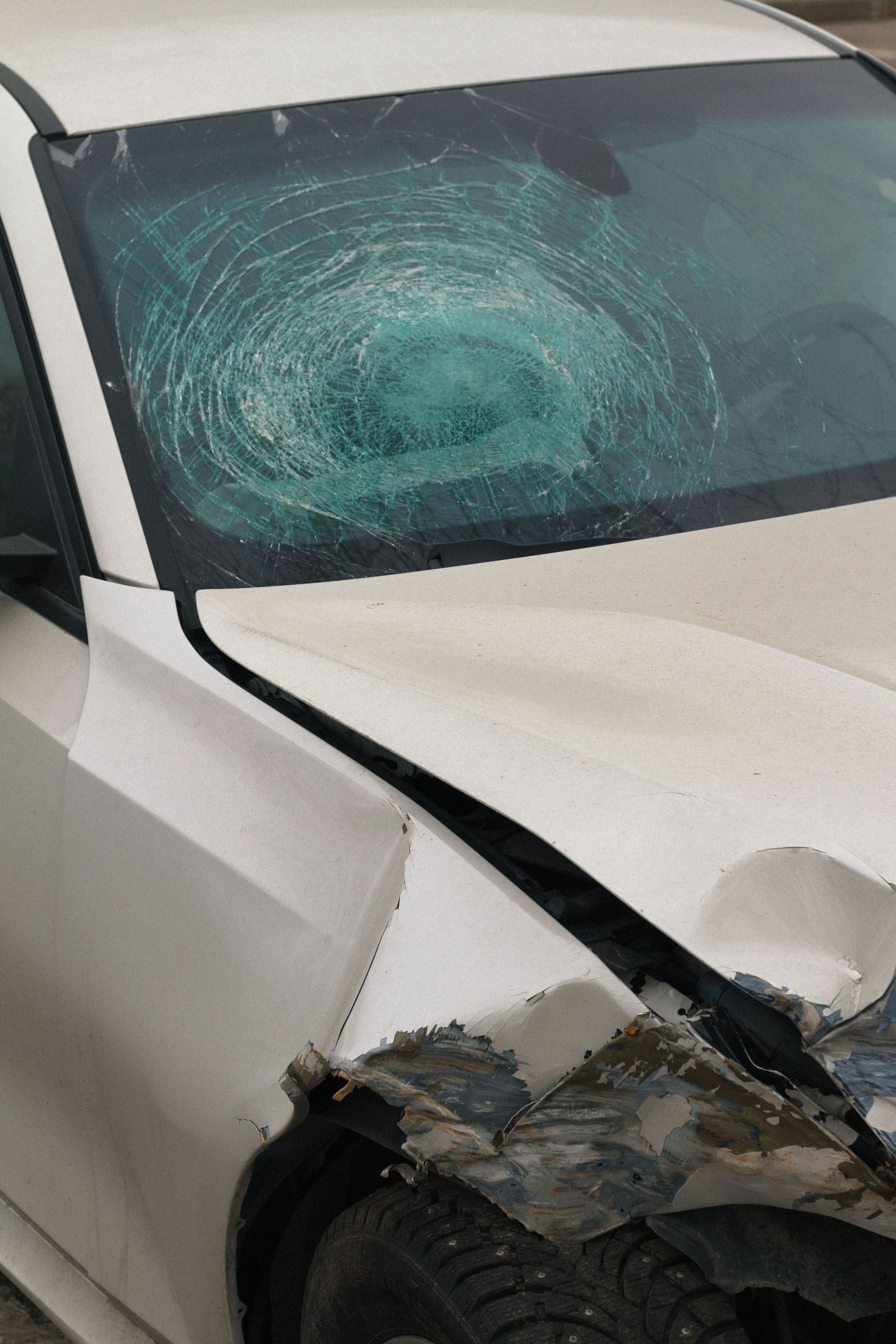
Many drivers assume that newer vehicles should always look less damaged after an accident because of advances in automotive engineering. In reality, modern vehicles are often designed to absorb collision energy differently than older vehicles, which can sometimes make accident damage appear more extensive even during lower-speed impacts.
At Dealership Autoplex Collision Center, we regularly help customers understand that modern collision damage is closely connected to how today’s vehicles are engineered for occupant safety. What may initially appear to be excessive damage is often part of the vehicle’s designed crash protection system.

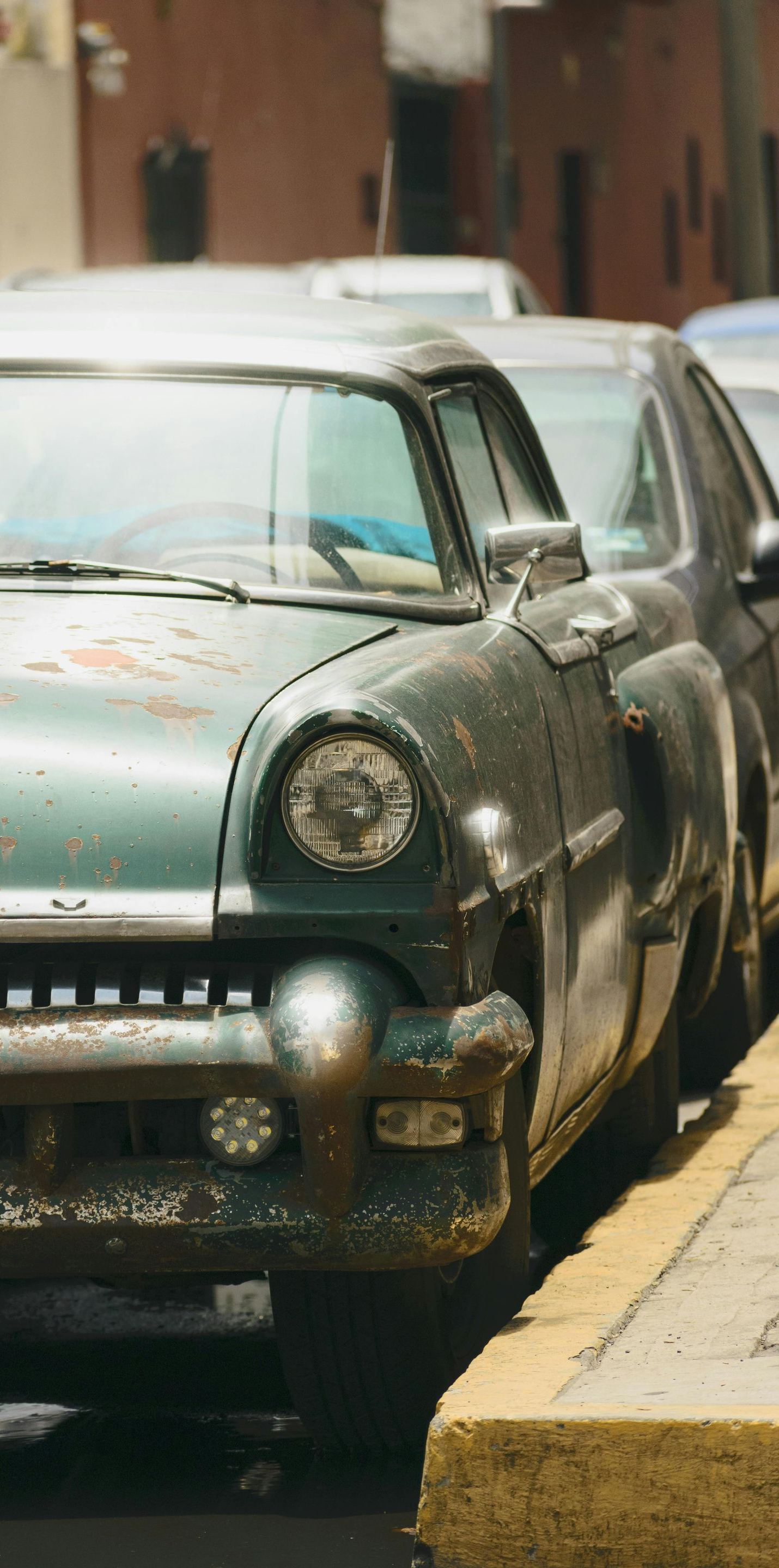
Older Vehicles Were Built Differently
Decades ago, vehicles were often constructed with heavier steel frames and more rigid body structures. While these designs sometimes appeared durable externally, they transferred a greater amount of collision force directly to the occupants inside the vehicle.
In many older vehicles, the body structure itself resisted impact rather than actively managing crash energy. As a result, passengers could experience stronger force during collisions even if exterior damage looked relatively limited.
Modern vehicle design approaches safety differently.
Modern Vehicles Use Crumple Zones
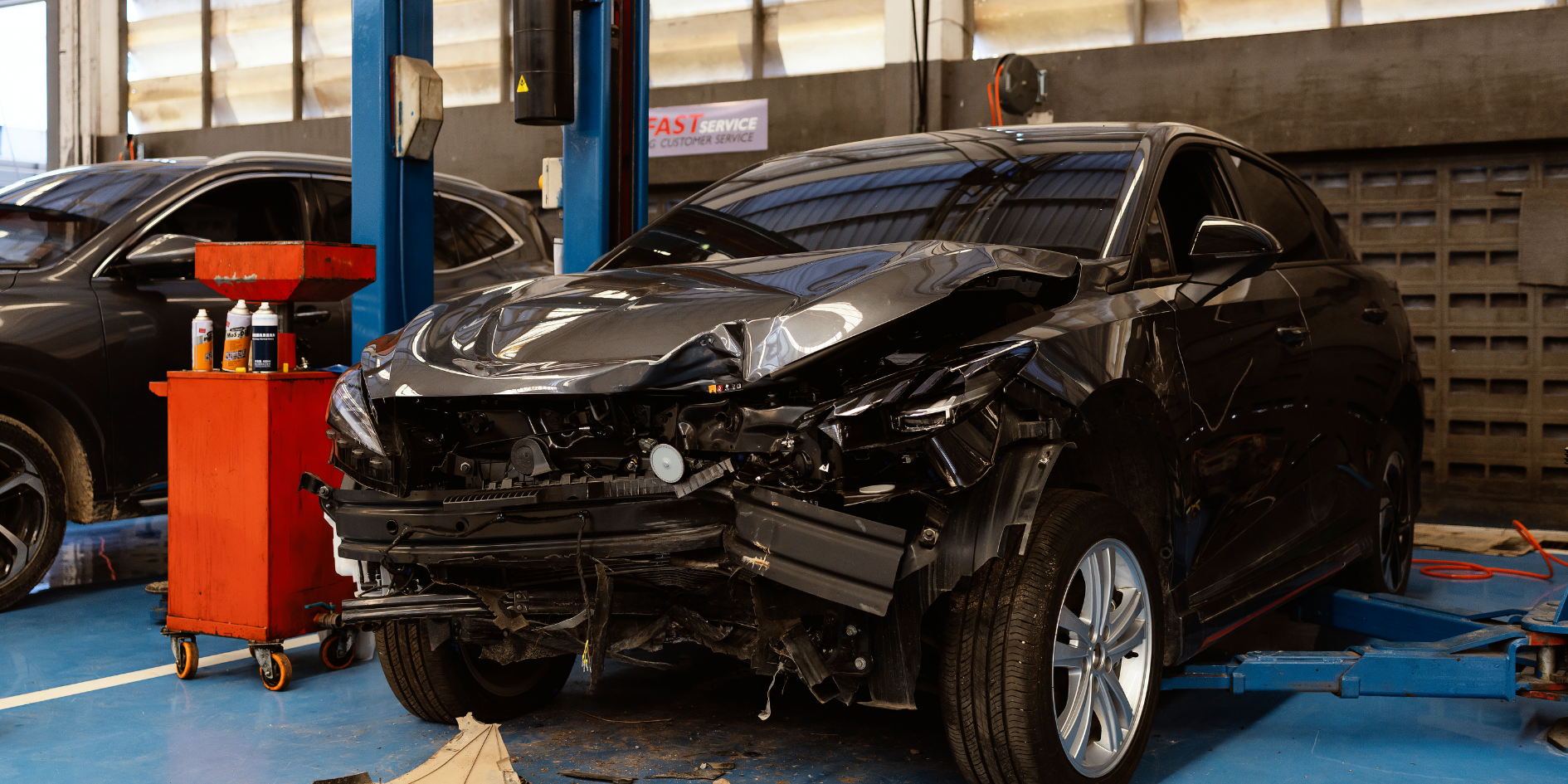
Today’s vehicles are engineered with crumple zones, which are areas specifically designed to deform during an accident. Rather than resisting impact completely, these sections absorb and redirect crash energy away from the passenger compartment.
This controlled deformation helps reduce the force transferred to occupants during a collision.
As a result, modern vehicles may show more visible exterior damage after an accident because certain components are intentionally designed to collapse or compress during impact.
While this can increase repair complexity, it also plays a major role in
improving occupant protection.

Safety Systems Work Together During Collisions
Modern vehicles rely on multiple integrated safety systems working together during an accident.
These systems may include:
- Airbags
- Seatbelt tensioners
- Impact sensors
- Crumple zones
- Reinforced passenger compartments
- Advanced driver assistance systems
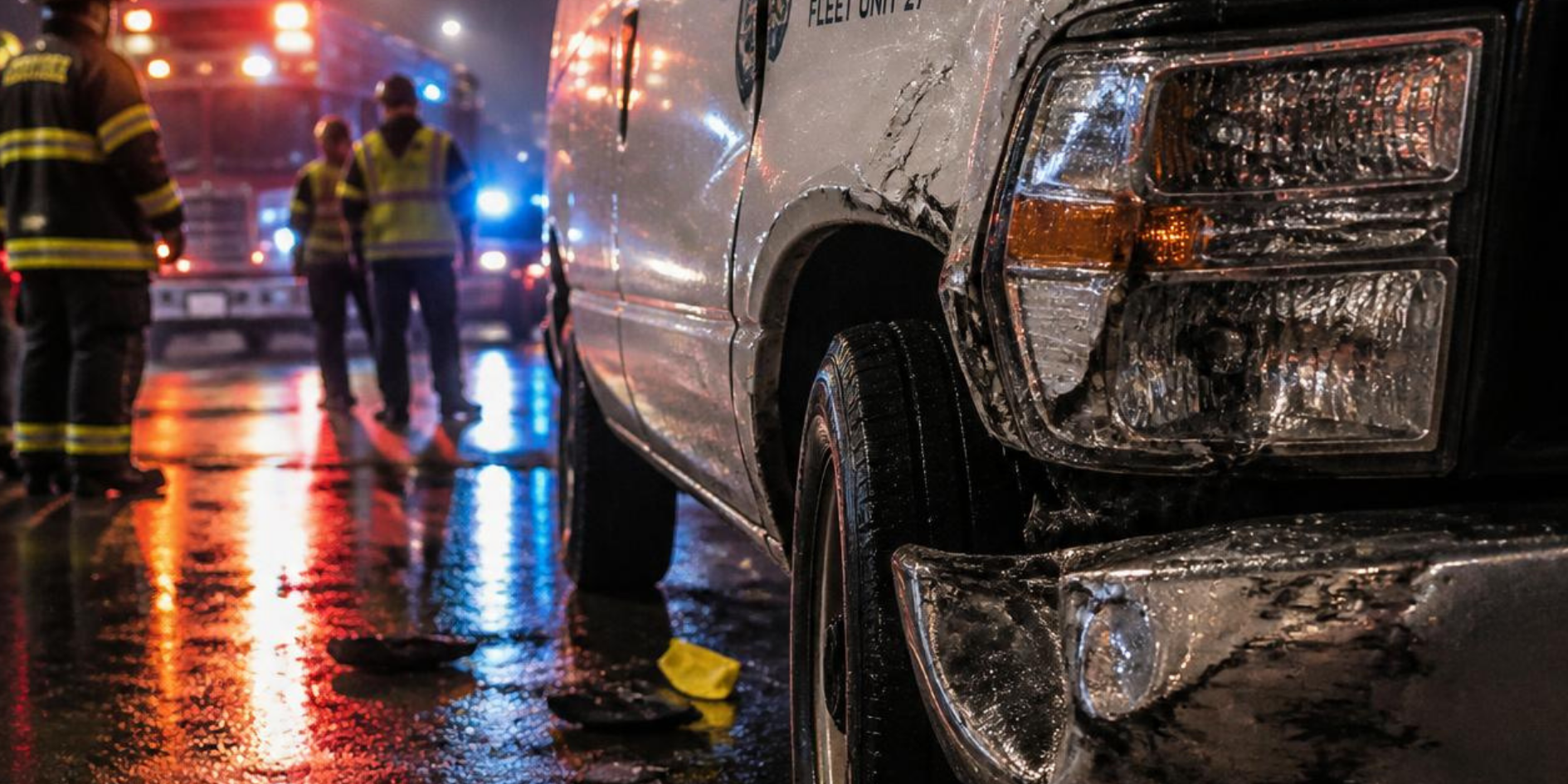
During a collision, the vehicle’s structure and electronic systems respond almost instantly to help manage crash forces and protect occupants.
Because these systems are interconnected, collision damage today often involves far more than visible dents or broken panels.
Hidden Damage Is More Common in Modern Vehicles
One of the biggest differences in modern collision repair is the amount of hidden damage that may exist beneath the surface.
Even relatively minor accidents can affect:
- Structural reinforcement components
- Sensor alignment
- Suspension systems
- Safety calibration systems
- Internal mounting structures
A vehicle may appear drivable while still having compromised safety components that require professional inspection and repair.
This is one reason post-accident diagnostics and structural evaluations are so important after modern collisions.
Advanced Materials Behave Differently
Modern vehicles also use a wider range of materials than older vehicles. Manufacturers now incorporate:
- High-strength steel
- Aluminum
- Composite materials
- Lightweight alloys
These materials help improve fuel efficiency and crash performance, but they also require specialized repair procedures.
For example, aluminum repairs often involve different tools and techniques than traditional steel bodywork. Structural components may also require replacement rather than reshaping depending on the severity of the impact.
Modern repair work therefore requires both technical training and advanced equipment.
Proper Repairs Restore Safety Performance
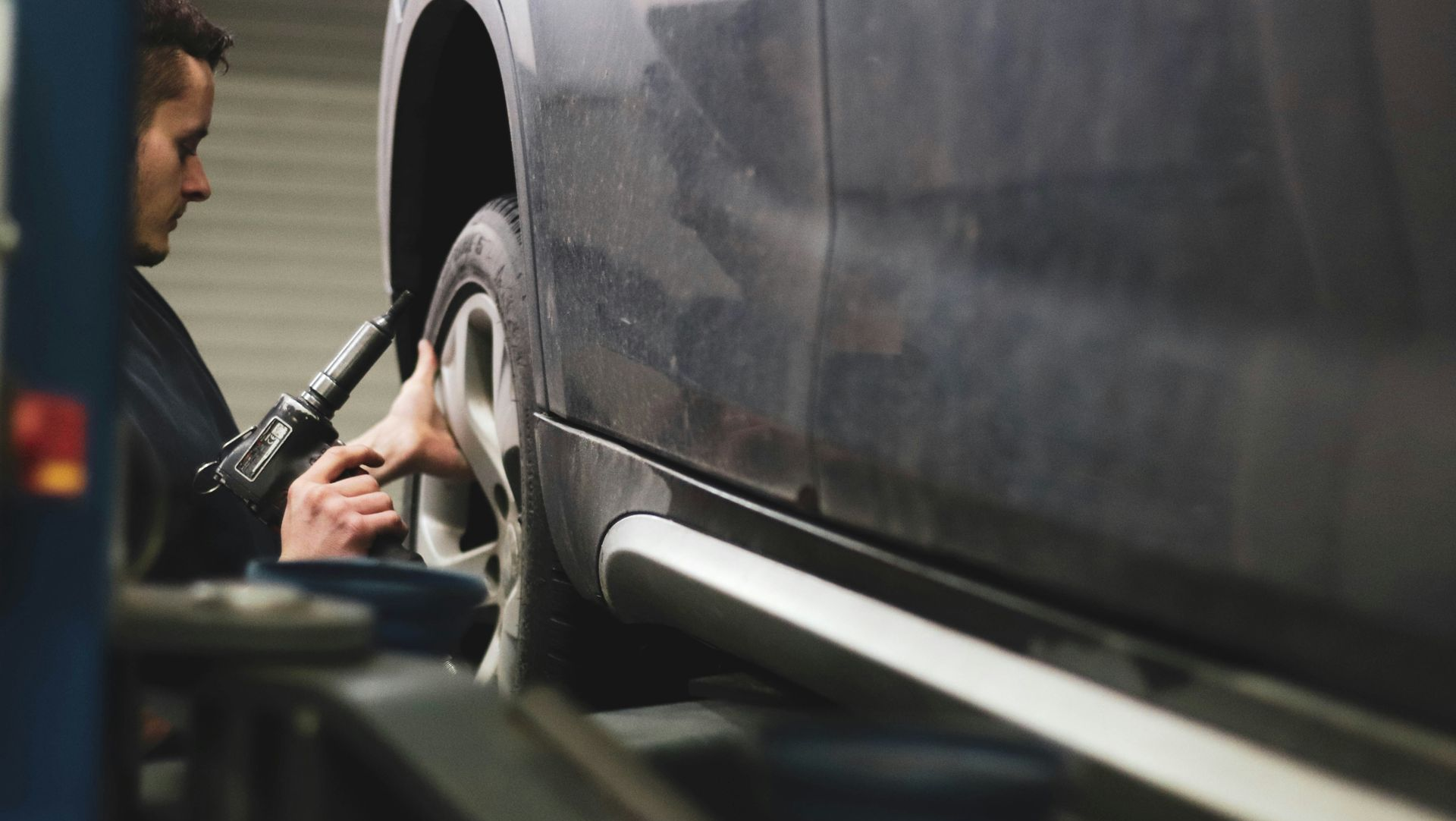
Collision repair today involves much more than restoring appearance. Proper repairs help ensure that structural components, safety systems, and electronic technologies function correctly if another accident occurs in the future.
At Dealership Autoplex Collision Center, our ASE-certified technicians use advanced diagnostics, structural repair equipment, and manufacturer-approved repair procedures designed to restore vehicle safety and performance as accurately as possible.
This includes evaluating hidden damage, recalibrating safety systems, and ensuring repairs meet modern vehicle standards.

Understanding Modern Collision Repair
Modern vehicles are designed very differently from older models, particularly when it comes to crash protection and energy absorption. While newer vehicles may sometimes appear more heavily damaged after an accident, much of that damage reflects engineered safety systems working as intended.
At Dealership Autoplex Collision Center, we help drivers navigate the repair process with professional inspections, advanced collision restoration, and experienced repair technicians who understand today’s increasingly complex vehicle systems.
If your vehicle has been involved in an accident, contact Dealership Autoplex Collision Center for a professional evaluation and collision repair services designed to restore both appearance and safety performance.