

Why Your Vehicle Should Be Inspected by an ASE Certified Technician After an Accident
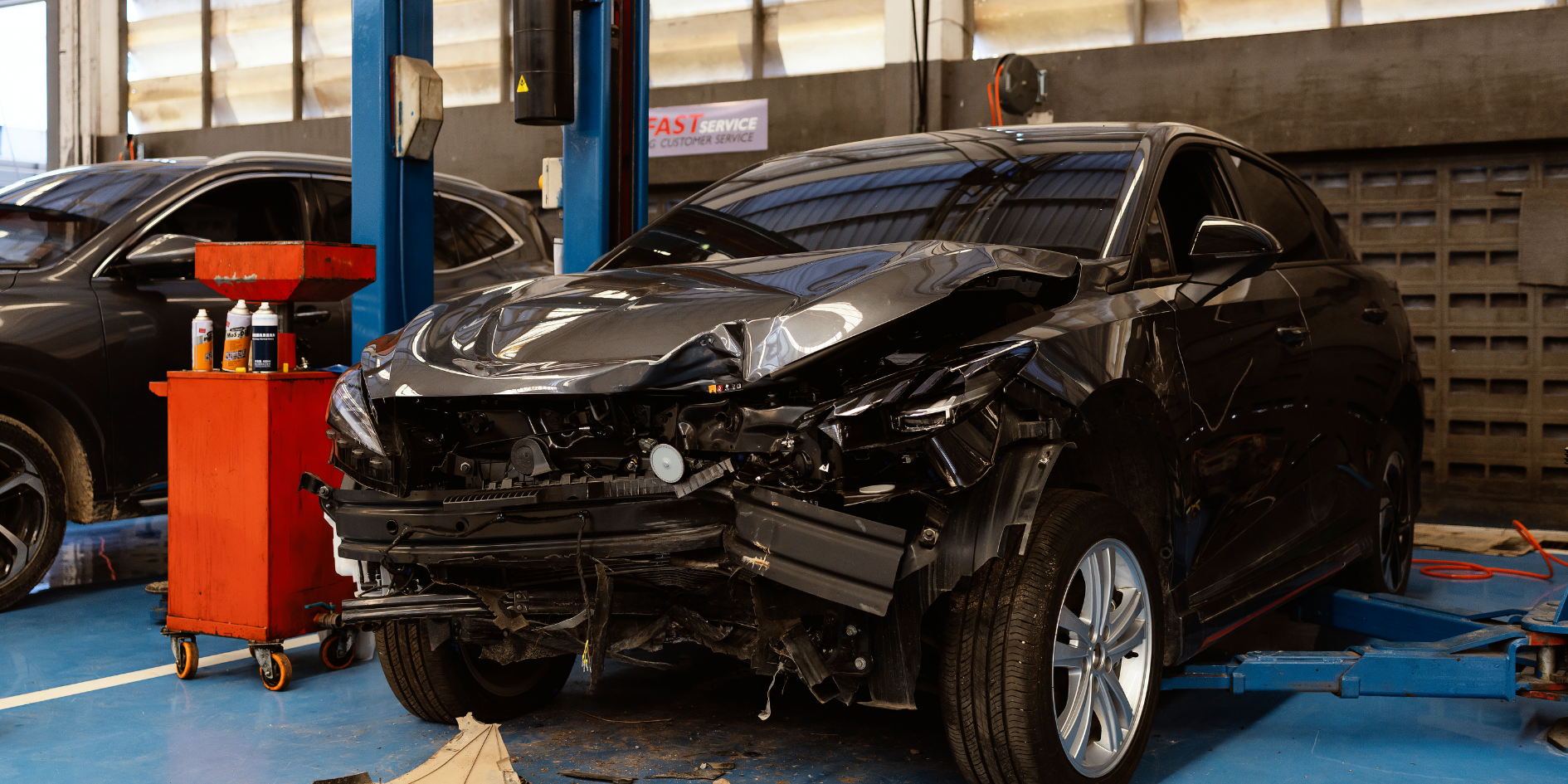
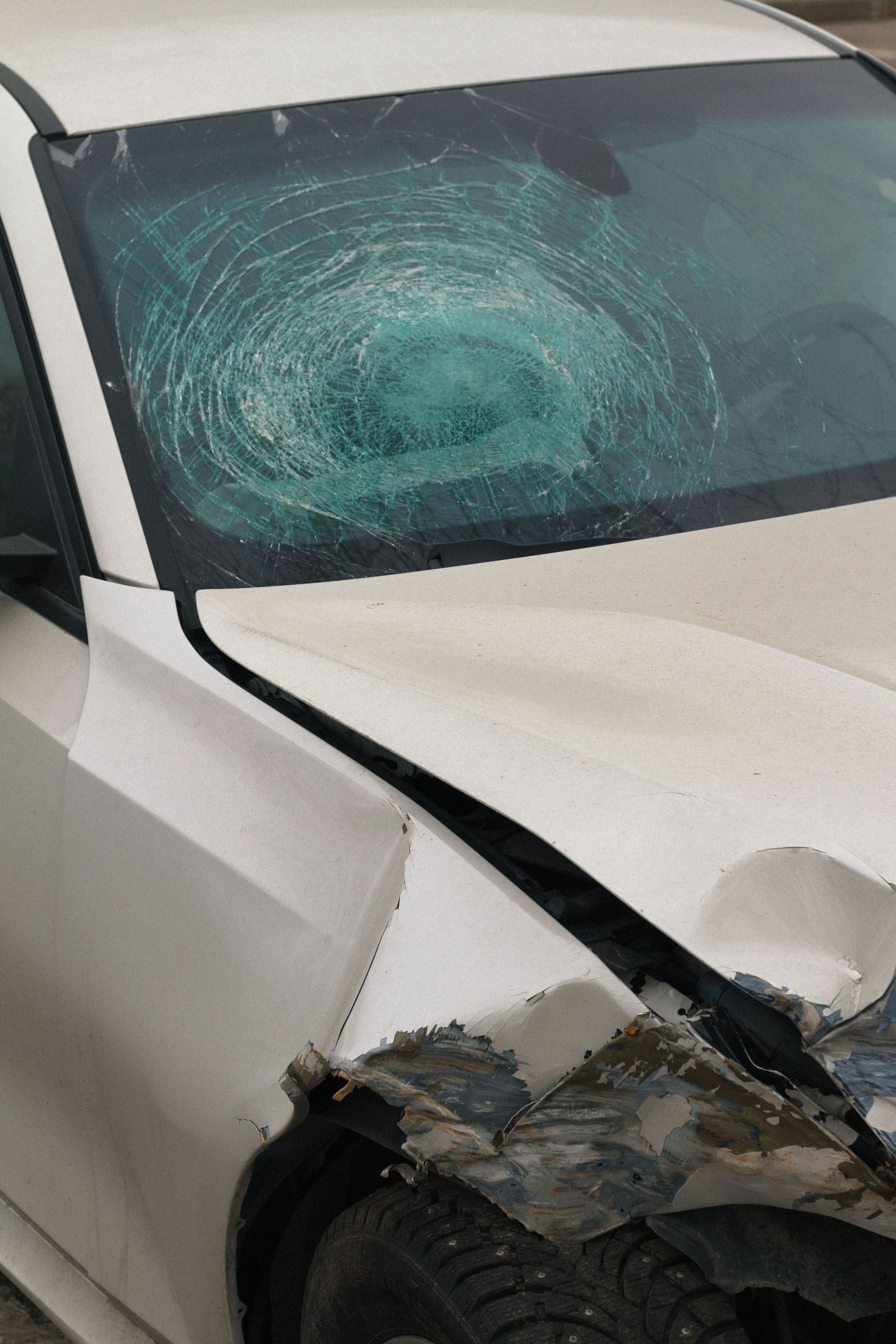
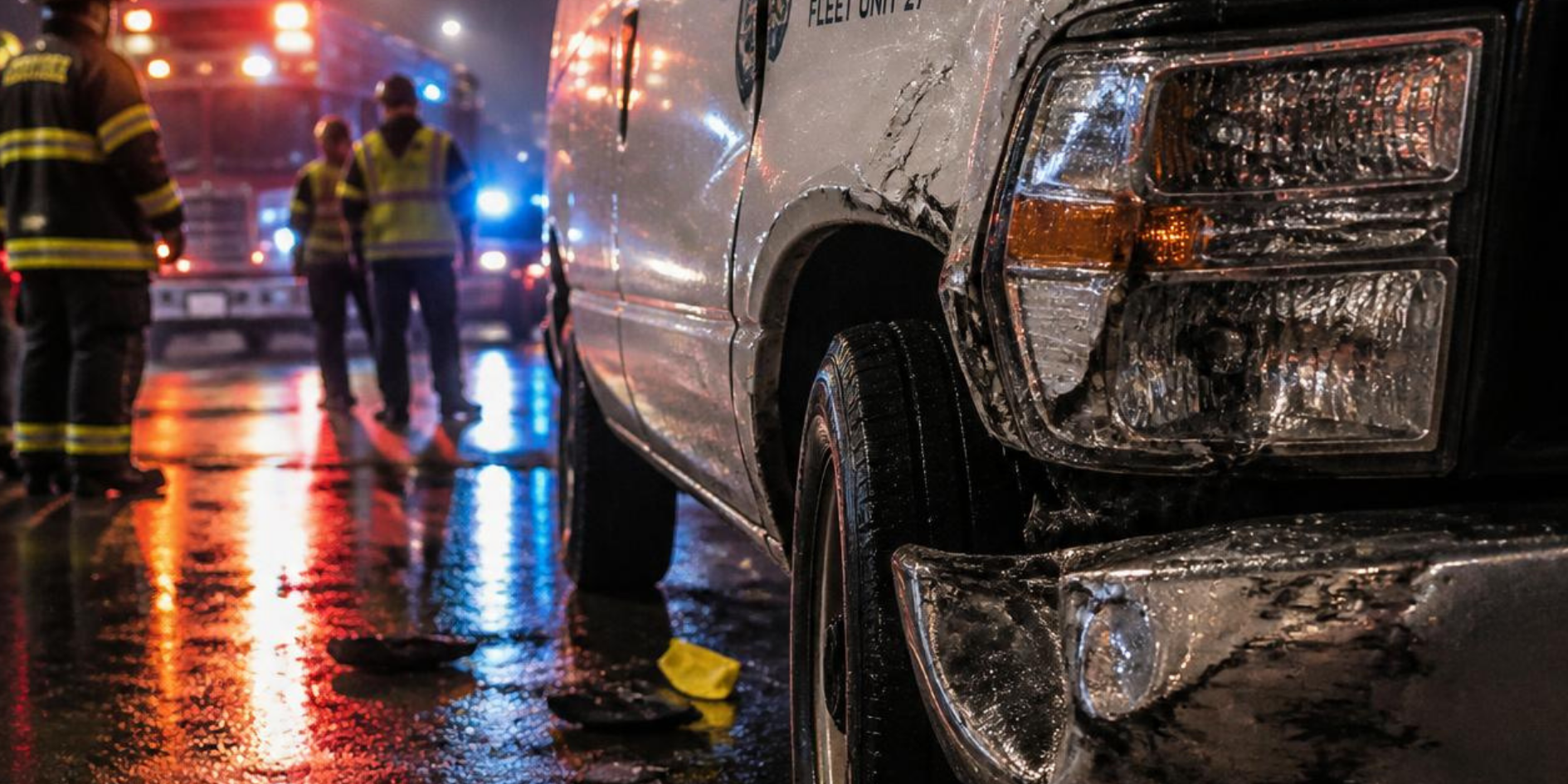
After a vehicle accident, many drivers focus first on visible damage. Dents, cracked bumpers, broken lights, and scratched paint are often the most obvious concerns. However, some of the most serious problems caused by a collision are not immediately visible from the outside. Even relatively minor accidents can create hidden structural, mechanical, or safety-related issues that affect how a vehicle performs afterward.
This is why having the vehicle inspected by an ASE-certified technician is so important following an accident.
At Dealership Autoplex Collision Center, we understand that collision repair involves far more than cosmetic appearance. Proper post-accident inspections help identify hidden damage that could affect vehicle safety, drivability, and long-term reliability.
Hidden Damage Is Common After Collisions
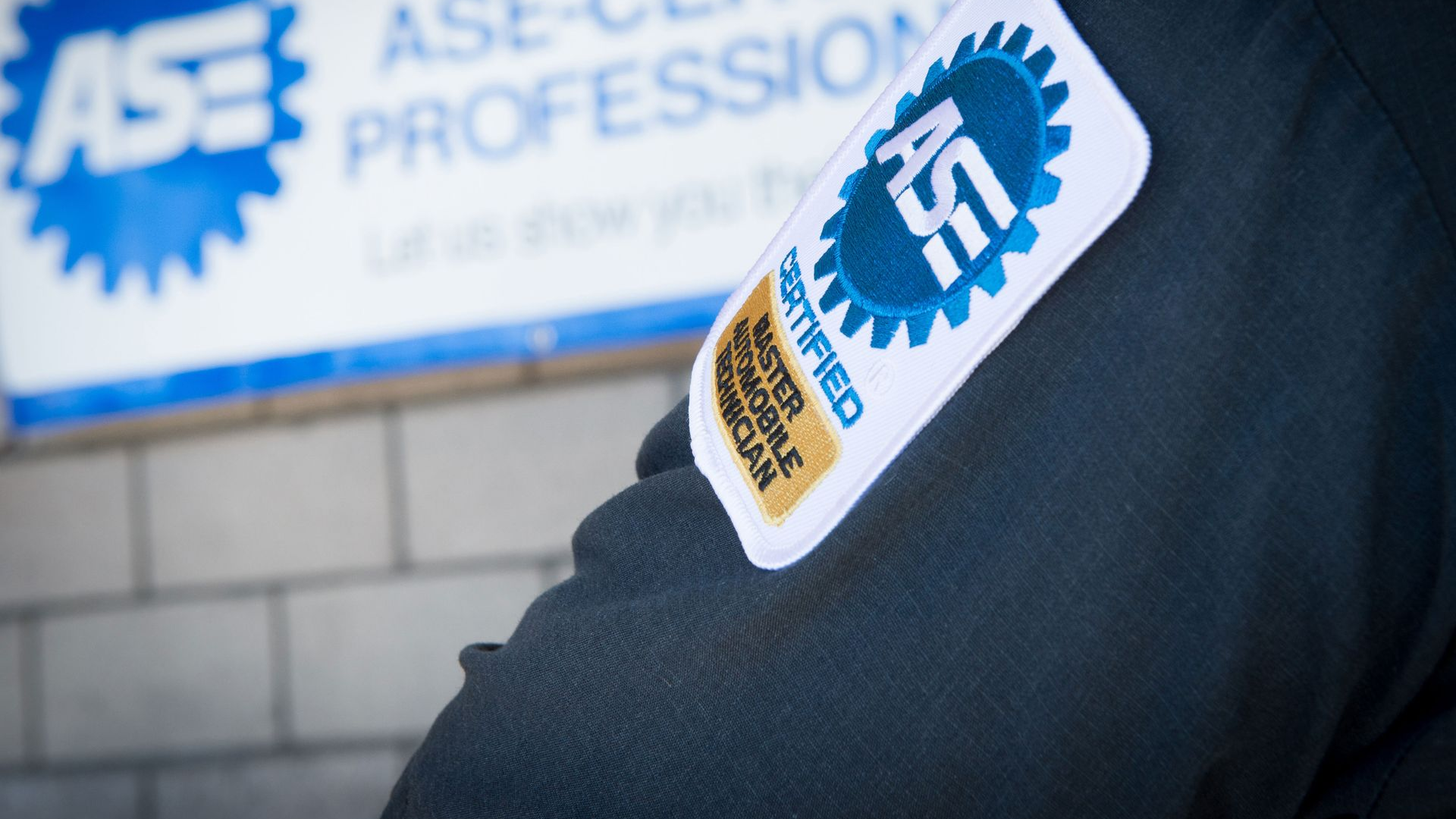
Modern vehicles are designed with complex safety systems, sensors, structural components, and computerized technology. During an accident, force travels throughout the vehicle, often affecting areas that are not visibly damaged.
A vehicle may appear drivable while still having problems involving:
- Suspension components
- Steering systems
- Frame alignment
- Braking systems
- Sensor calibration
- Wheel alignment
- Structural integrity
Without a
professional inspection, these issues can remain undetected until they become more serious or begin affecting vehicle performance.
Why ASE Certification Matters
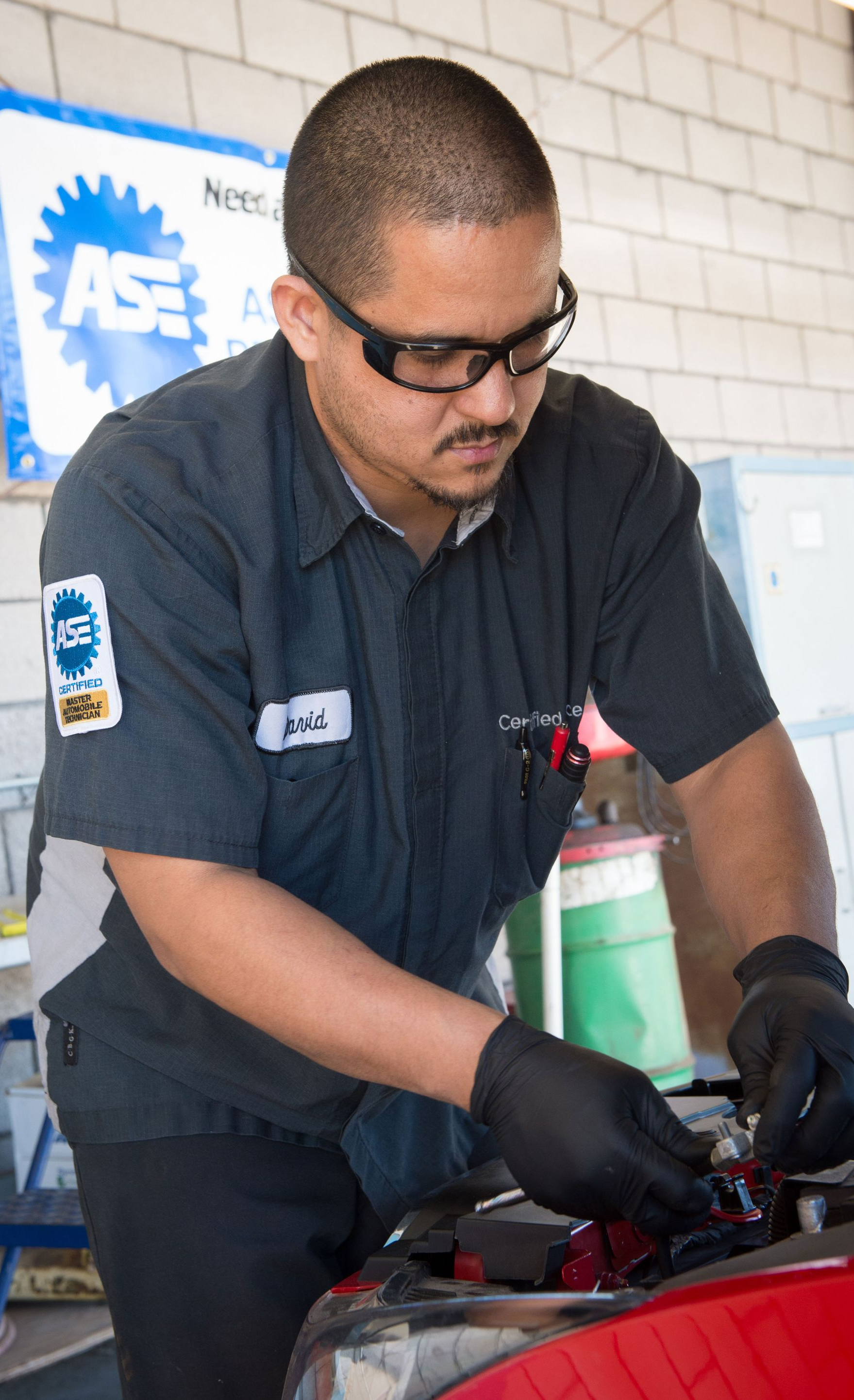
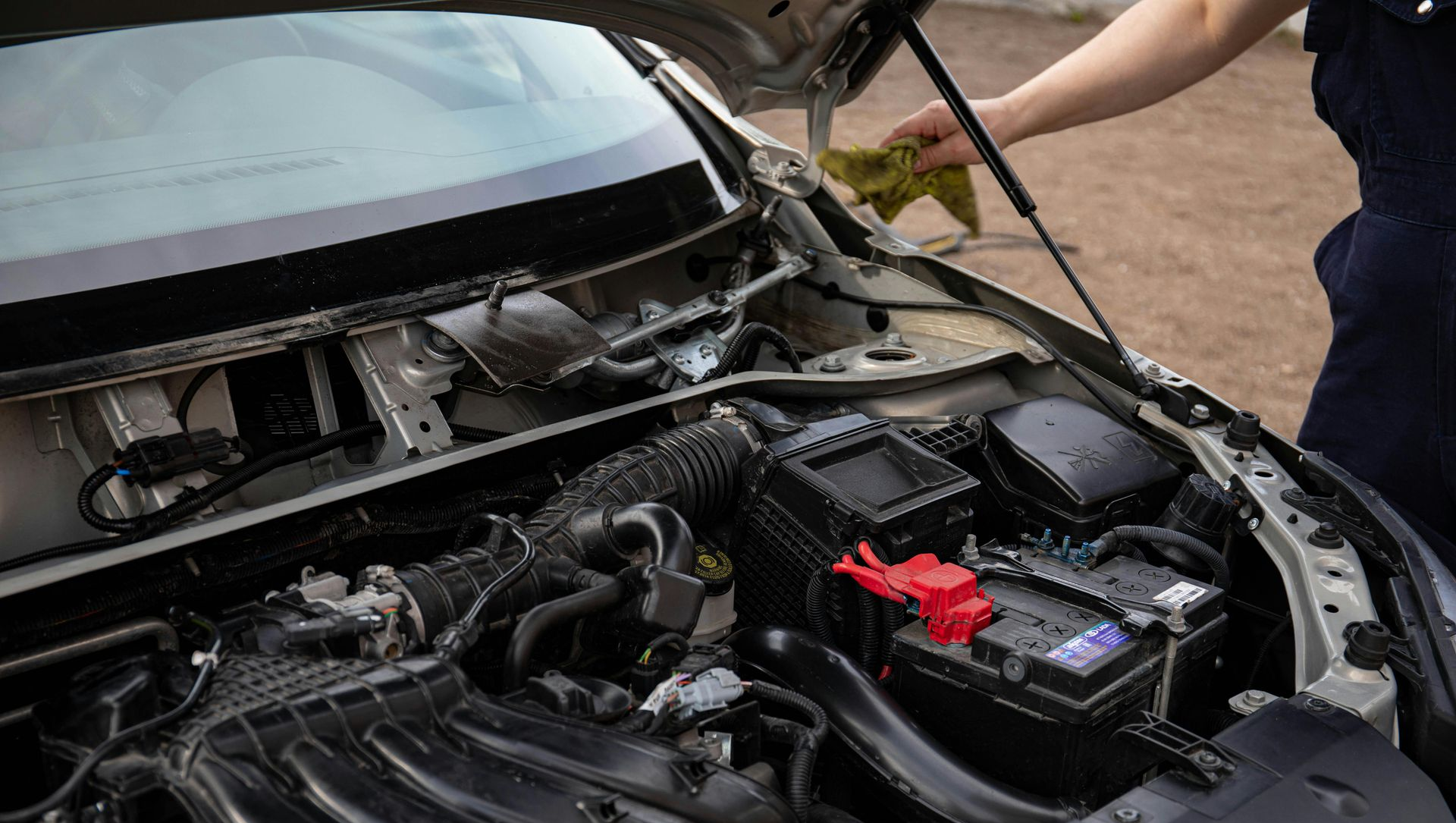
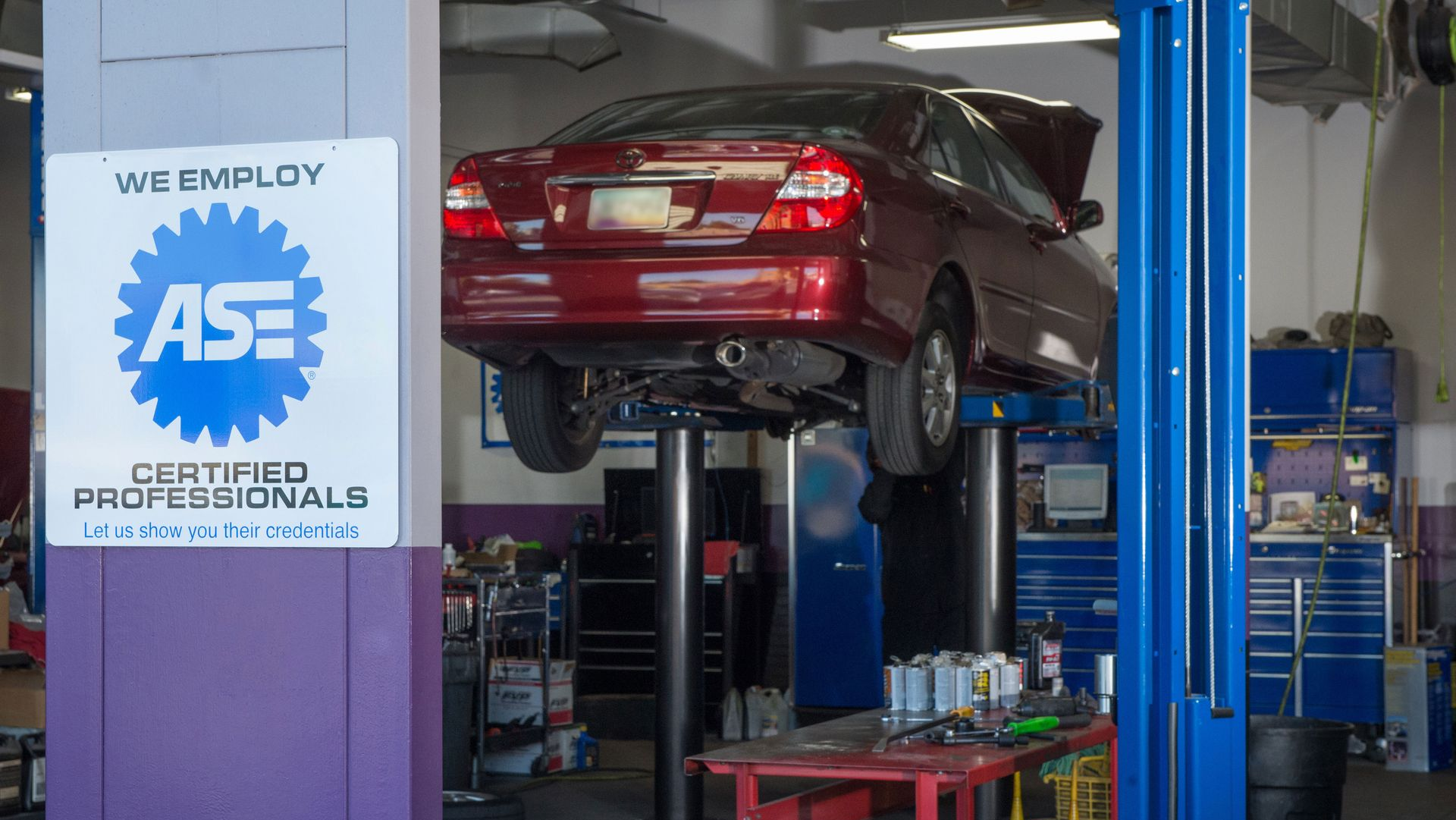
ASE stands for the National Institute for Automotive Service Excellence, an organization that certifies automotive professionals based on technical knowledge and industry standards.
ASE-certified technicians undergo testing and continuing education to demonstrate competency in vehicle diagnostics, repair procedures, and safety systems. After an accident, this level of expertise becomes especially important because collision-related damage is often more complicated than it initially appears.
An ASE-certified technician understands how to evaluate both visible and hidden damage across multiple vehicle systems.
Structural Damage May Not Be Visible
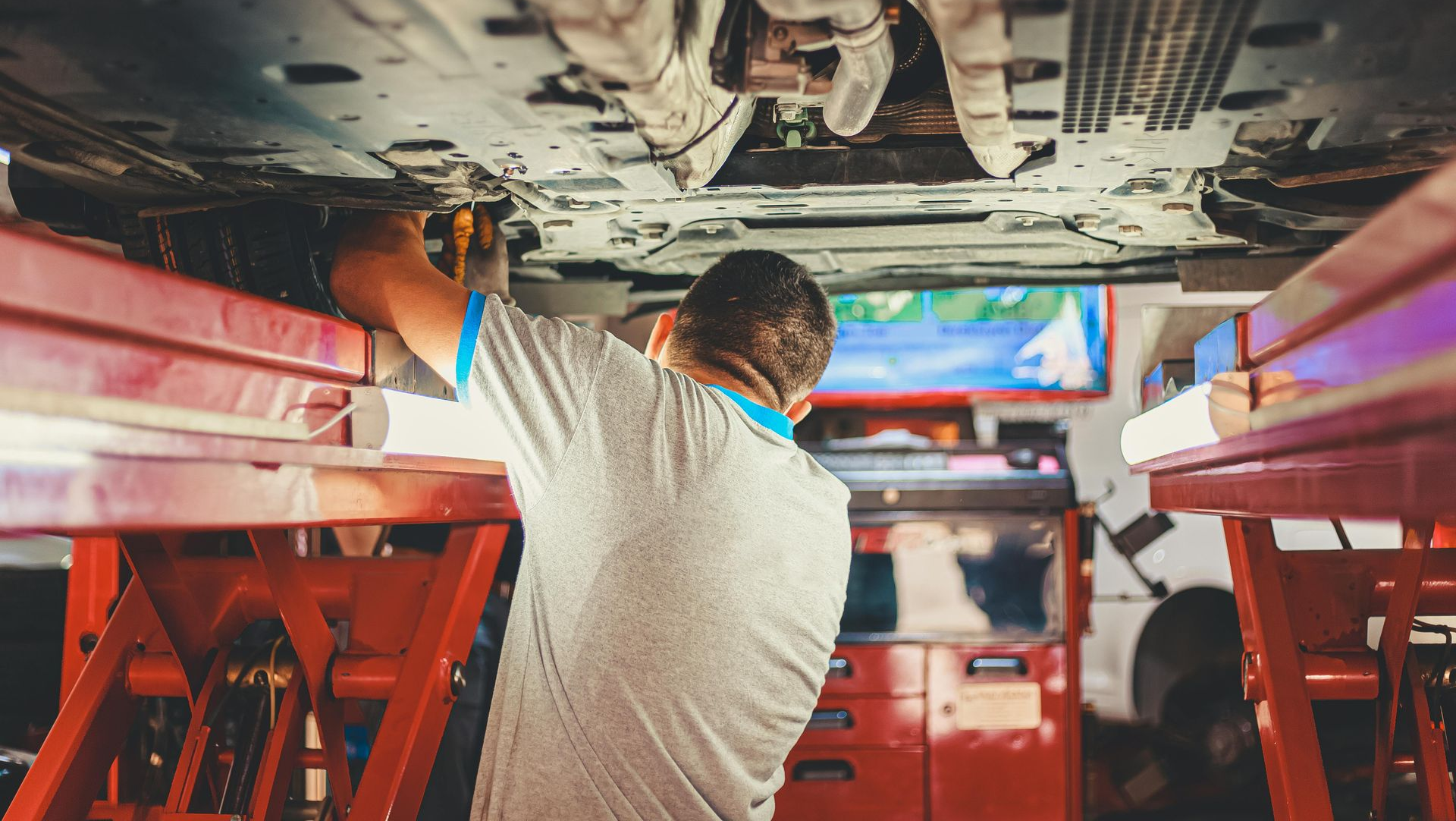
One of the greatest dangers after an accident is assuming the vehicle is safe simply because it still drives normally. Structural damage can exist even when the exterior damage appears minor.
Frame and structural issues may affect:
- Crash protection performance
- Vehicle stability
- Tire wear patterns
- Steering response
- Door and panel alignment
If structural problems are not identified and corrected properly, the vehicle may not protect occupants as effectively in a future collision.
Professional inspections help determine whether the underlying structure has been compromised.
Safety Systems Require Proper Evaluation
Modern vehicles rely heavily on advanced safety technology. Airbags, collision sensors, lane assistance systems, and electronic braking components all depend on proper calibration and alignment.
After an accident, these systems may stop functioning correctly even if no warning lights appear immediately. In some cases, damaged sensors continue operating inaccurately without obvious symptoms.
An ASE-certified inspection helps ensure that critical safety systems are functioning as intended before the vehicle returns to regular use.
Mechanical Problems Can Develop Gradually
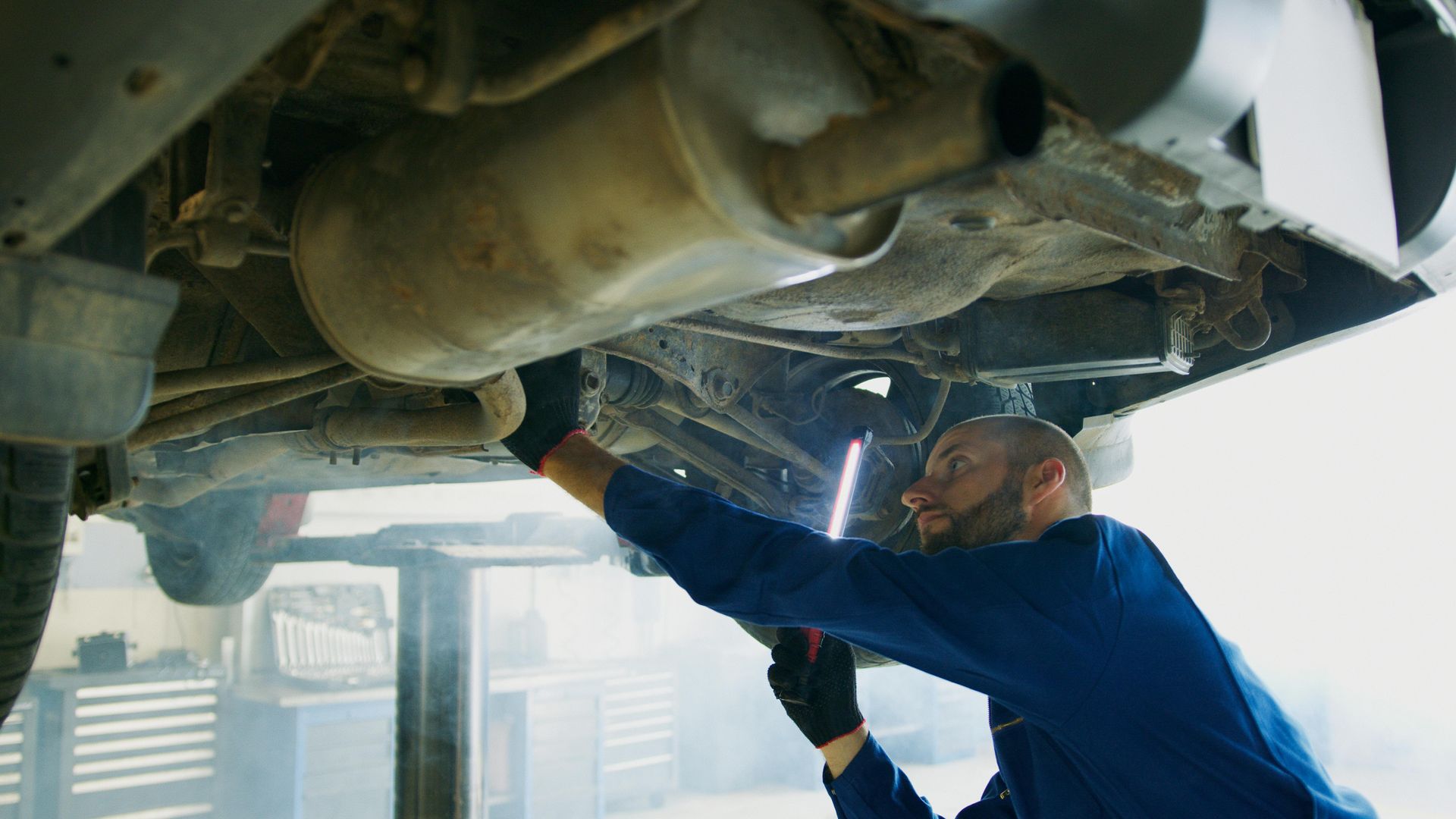
Some accident-related damage becomes more noticeable over time rather than immediately after the collision.
For example:
- Slight suspension damage may cause uneven tire wear
- Alignment issues may worsen gradually
- Steering components may develop instability
- Hidden fluid leaks may increase over time
Drivers sometimes continue using damaged vehicles without realizing that internal systems are deteriorating progressively.
Early inspections help prevent these smaller issues from developing into larger and more expensive repairs later.
Proper Repairs Protect Long-Term Vehicle Value
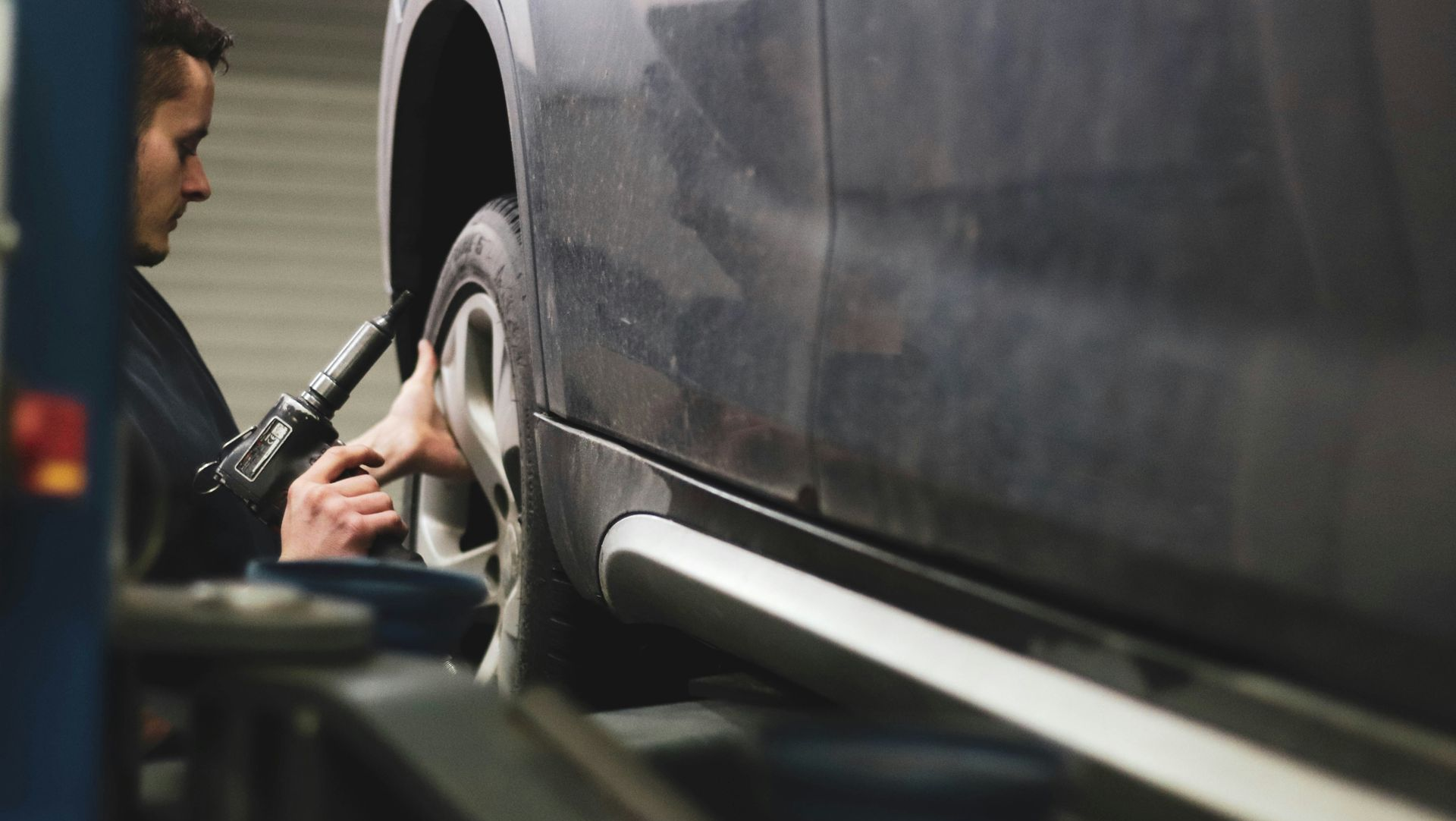
Collision repair quality also affects long-term vehicle value and reliability. Incomplete inspections or improper repairs can lead to recurring issues that reduce the overall condition of the vehicle.
Professional diagnostics and repair planning help ensure that repairs address the full extent of the damage rather than only the visible cosmetic areas.
This is especially important for maintaining structural integrity, drivability, and future resale value.
Why Professional Collision Repair Matters
Collision repair today requires more than replacing damaged panels or repainting surfaces. Modern vehicles contain highly integrated systems that must work together correctly for the vehicle to operate safely.
At Dealership Autoplex Collision Center, our ASE-certified technicians perform detailed post-accident evaluations designed to identify both visible and hidden damage. From structural repair and frame alignment to safety system diagnostics and refinishing, our goal is to restore vehicles properly and safely.
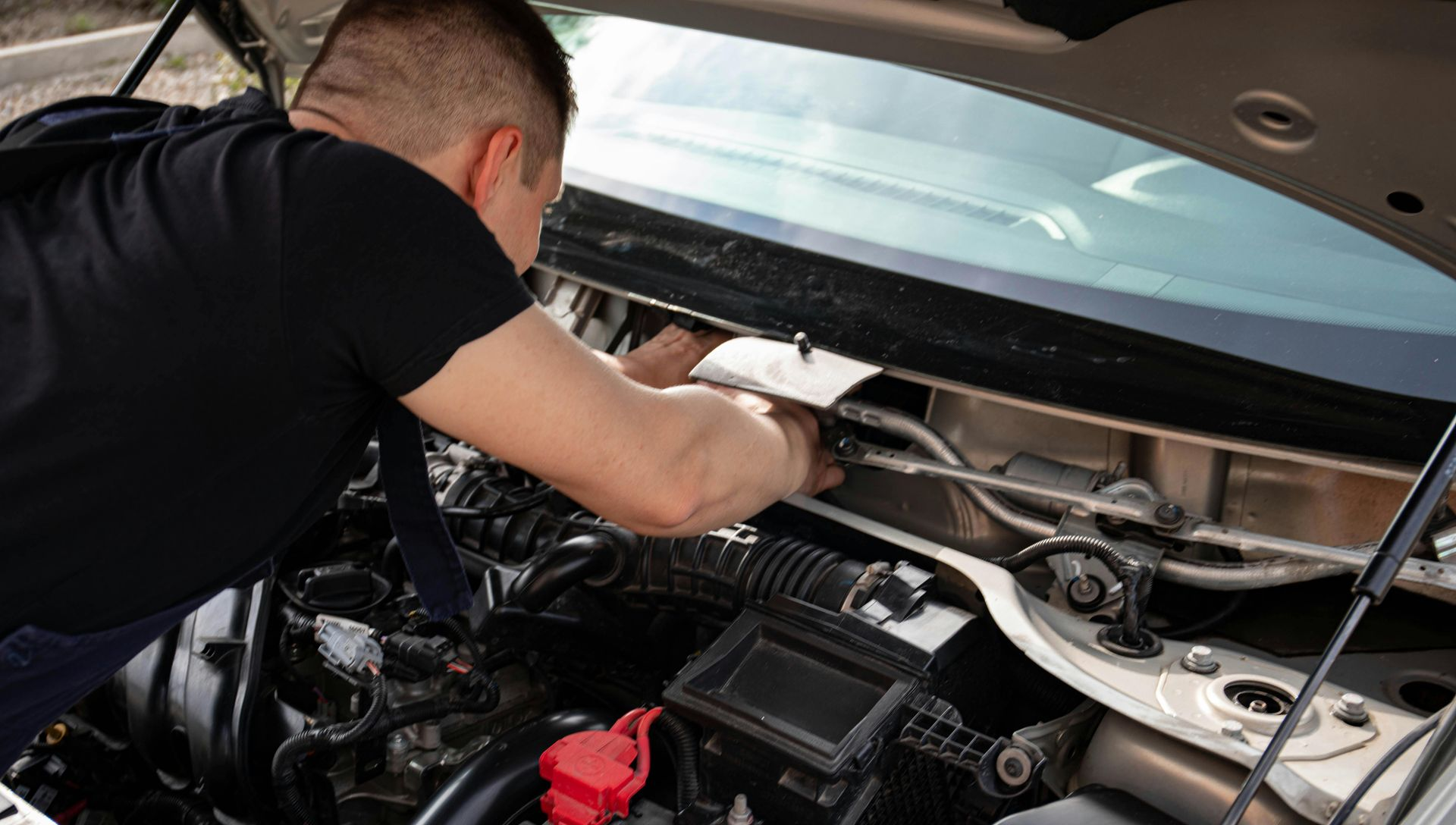
Protecting Safety After an Accident
Even minor accidents can create hidden problems that affect how a vehicle performs and protects its occupants. Assuming a vehicle is safe without a professional inspection can leave important issues undiscovered.
Having the vehicle evaluated by ASE-certified technicians helps ensure that structural components, safety systems, and mechanical functions are inspected thoroughly before returning to the road.
If your vehicle has been involved in an accident, contact Dealership Autoplex Collision Center for a professional inspection and collision repair evaluation from experienced ASE-certified technicians.