

What You Should Know Before Accepting an Insurance Estimate
After a car accident, receiving an insurance estimate can feel like a major step toward resolving the situation. It provides a number, a scope of work, and a sense that the process is moving forward. However, accepting an estimate too quickly, without fully understanding what it represents, can lead to confusion later in the repair process.
Taking the time to review and understand an estimate can help ensure that your vehicle is properly restored and that your expectations align with the reality of the repair.
An Estimate Is a Starting Point, Not a Final Answer
Insurance estimates are typically based on a preliminary inspection. In many cases, this inspection is limited to visible damage or photos provided shortly after the accident.
Because of this, the estimate is intended to:
- Provide an initial cost projection
- Identify obvious areas of damage
- Help initiate the claims process
It is important to recognize that this document does not always reflect the full extent of repairs required. It is a starting point, not a final determination.

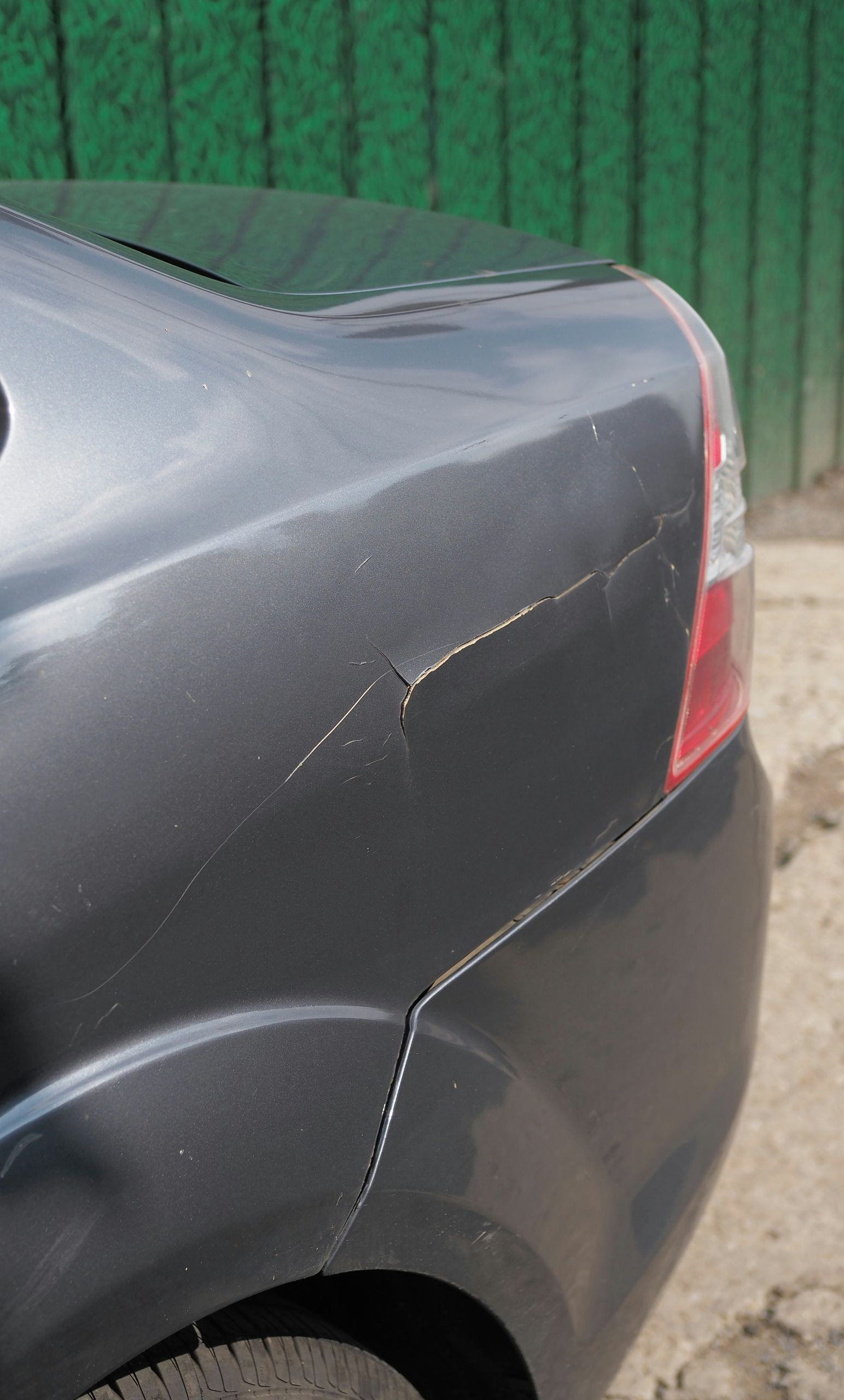
Visible Damage Does Not Tell the Whole Story
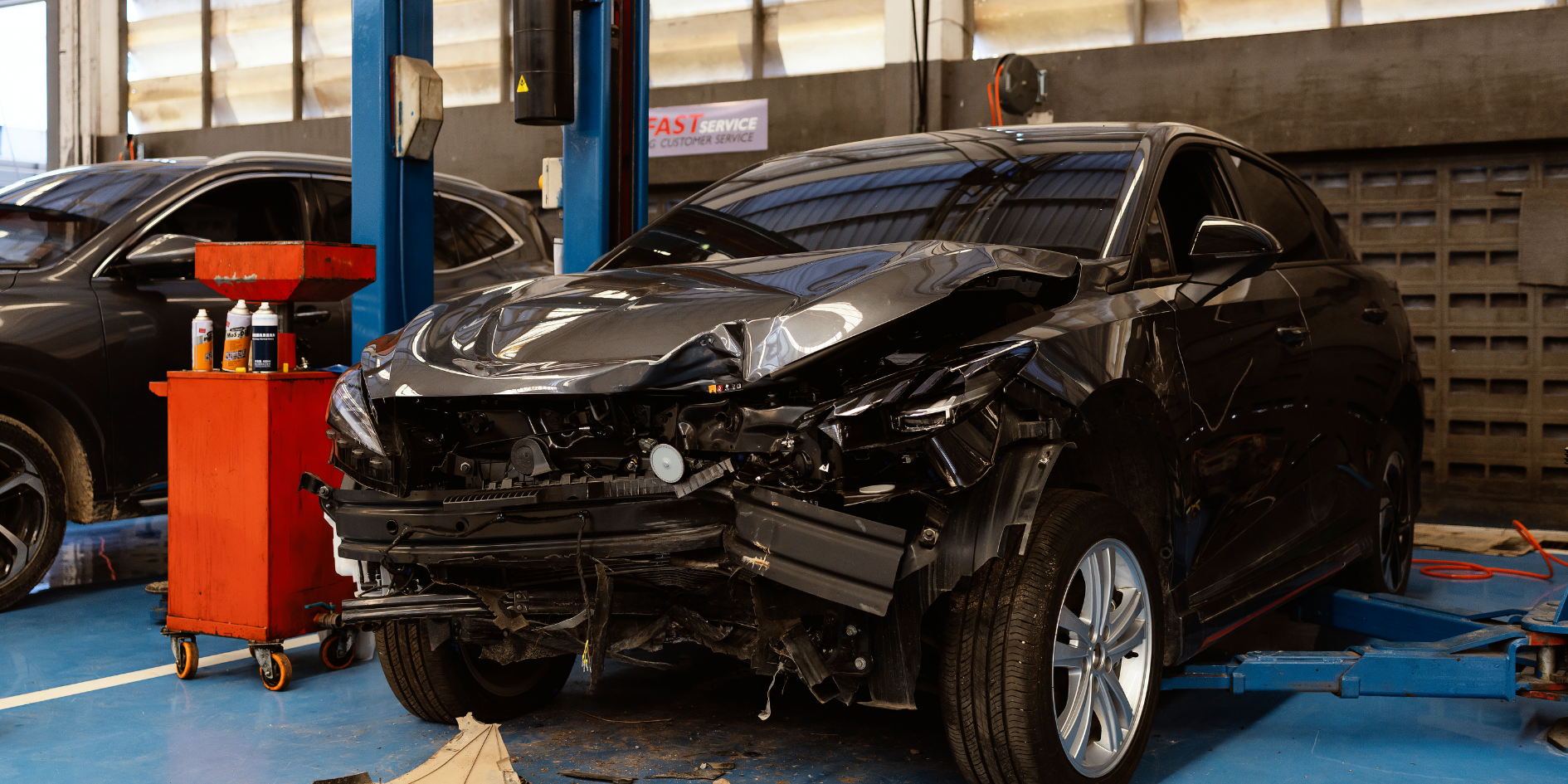
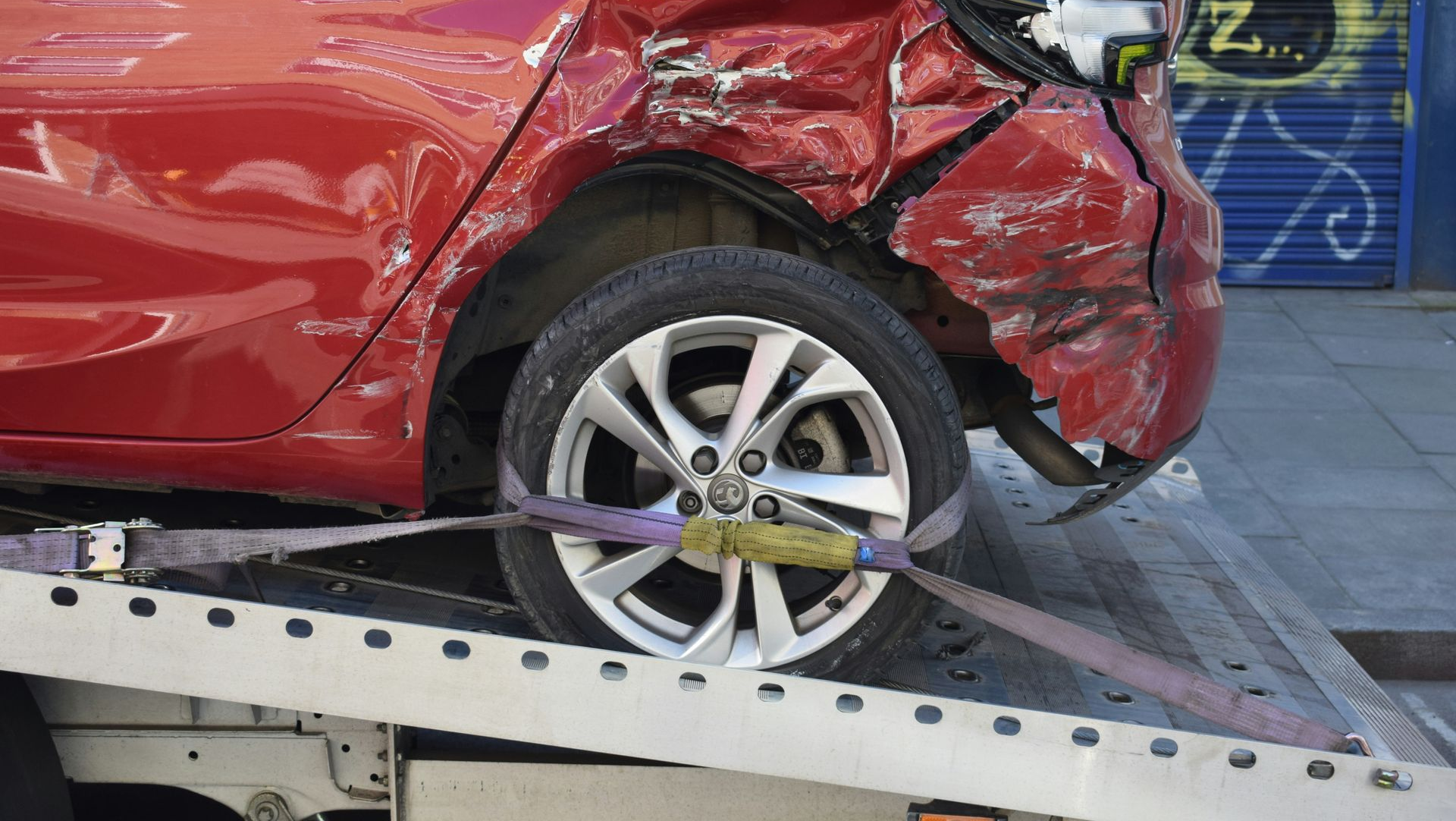
Modern vehicles are built with layered systems, including structural components, sensors, and internal assemblies. Damage to these areas is not always visible from the outside.
For example, an impact that appears minor may still affect:
- Internal supports or frame alignment
- Mounting points behind panels
- Sensors used for safety and driver assistance features
These types of issues are often identified only after a more detailed inspection at a collision center. As a result, the initial estimate may not include all necessary repairs.
Understand What Is Included in the Estimate
Before accepting an estimate, it is helpful to review what is actually covered. This includes:
- The specific parts listed for repair or replacement
- The labor associated with each task
- Any notes about limitations or assumptions
If something is unclear, asking questions can provide important clarity. Understanding what is included, and what may not be, can help prevent misunderstandings later.

The Possibility of Supplemental Repairs
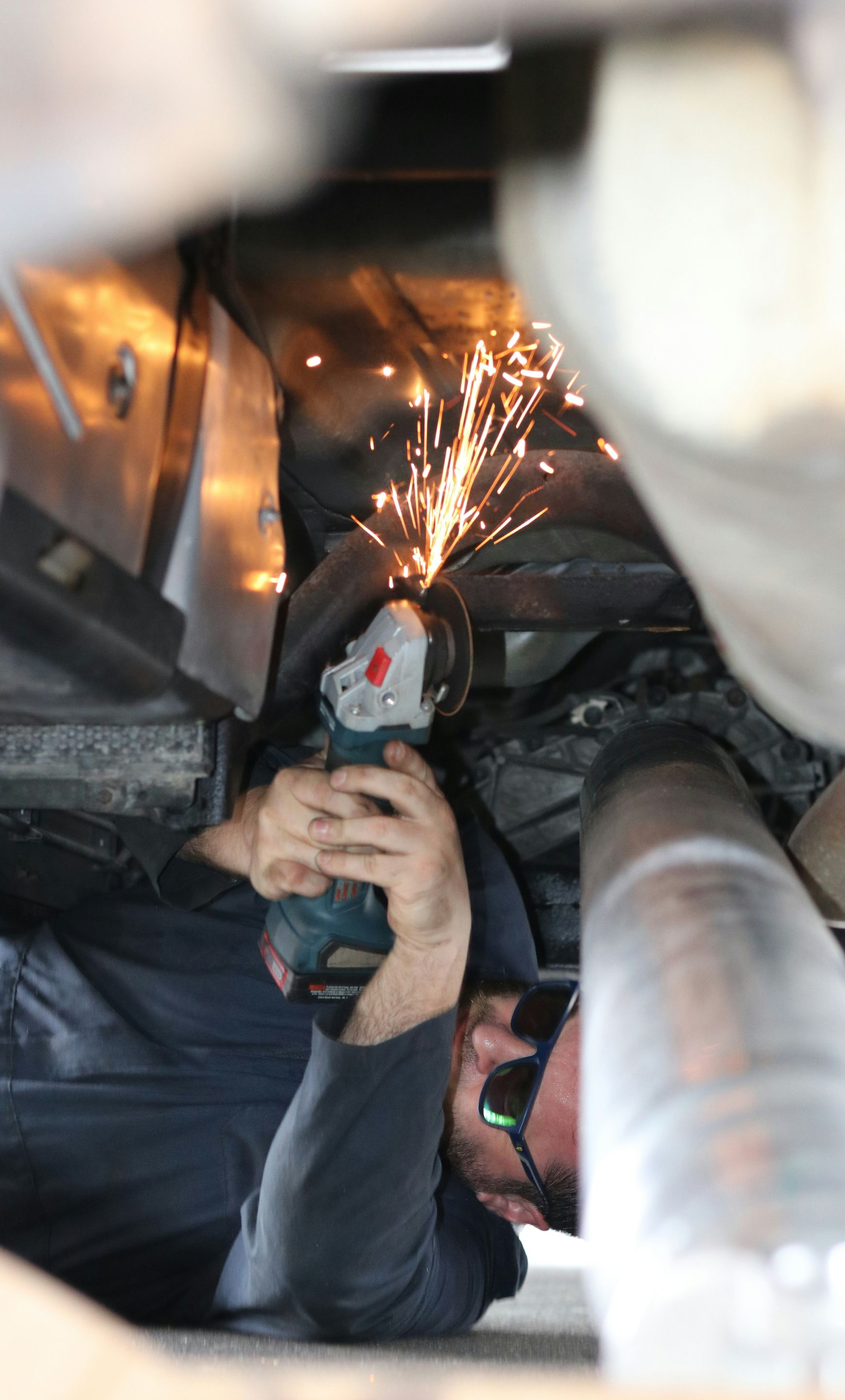
It is common for additional damage to be discovered once the repair process begins. When this happens, a supplemental estimate is created to update the original scope of work.
Supplemental repairs may include:
- Additional parts not identified initially
- Increased labor due to hidden damage
- Adjustments to repair procedures
These updates are submitted to the insurance company for approval. While this may extend the repair timeline, it ensures that all necessary work is completed properly.
Choosing Where Your Vehicle Is Repaired
One important consideration is that you are not required to accept repairs based solely on an initial estimate or at a specific facility recommended by an insurance provider.
Selecting a qualified collision center allows for:
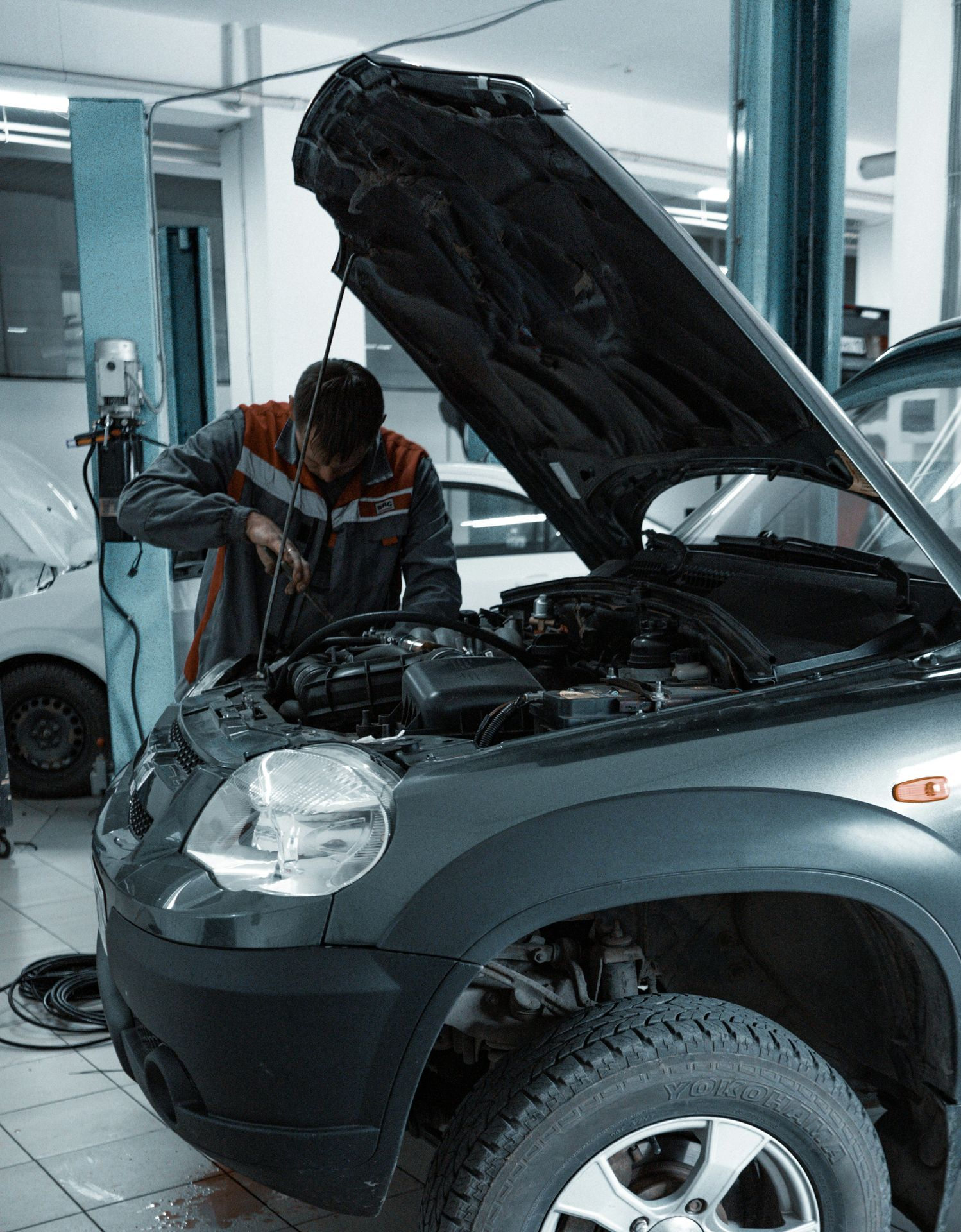
- A more thorough inspection of the vehicle
- Accurate identification of all damage
- Professional guidance throughout the repair process
This can help ensure that repairs are completed to a high standard, rather than limited by the scope of an initial estimate.

Quality and Safety Should Be the Priority
While cost is an important factor, it should not be the only consideration when reviewing an estimate. The goal of any repair is to restore the vehicle to pre-accident condition.
This includes:
- Structural integrity
- Proper alignment of components
- Reliable performance and safety systems
Accepting an estimate without considering these factors may result in incomplete or insufficient repairs.
Ask Questions Before Moving Forward
Before accepting an insurance estimate, consider asking:
- Does this estimate account for potential hidden damage?
- What happens if additional issues are discovered?
- Will the repair facility perform a full inspection?
These questions can help clarify the process and ensure that expectations are realistic.
A More Informed Approach to Collision Repair
An insurance estimate is an important step, but it should be viewed as part of a larger process. Understanding its limitations allows you to make more informed decisions about your vehicle’s repair.
Dealership Autoplex Collision Center (D.A.C.C.) provides thorough inspections, clear communication, and professional repair services designed to fully restore your vehicle. If you have received an estimate and want a more complete evaluation, contact Dealership Autoplex Collision Center today to ensure your vehicle receives the attention it deserves.