

What Goes Into a Lifetime Warranty on Collision Repairs
The Quality and Accountability Behind the Guarantee
When choosing a collision repair center, one of the most reassuring promises a customer can receive is a lifetime warranty. At first glance, the concept is simple. The repair is guaranteed for as long as the customer owns the vehicle. However, the value of that warranty depends on what supports it behind the scenes.
Understanding what goes into a lifetime warranty can help drivers recognize the level of quality and accountability required to offer one.
A Warranty Reflects Confidence in Workmanship
A lifetime warranty is not just a customer benefit. It is also a reflection of how a collision center approaches its work. Shops that offer long-term guarantees must be confident that their repairs will hold up over time. This confidence is built on:
- Consistent repair procedures
- Skilled technicians
- Reliable materials and parts
Without these elements, offering a lifetime warranty would not be practical. The commitment signals that the shop stands behind its work beyond the immediate repair.
The Role of Skilled Technicians
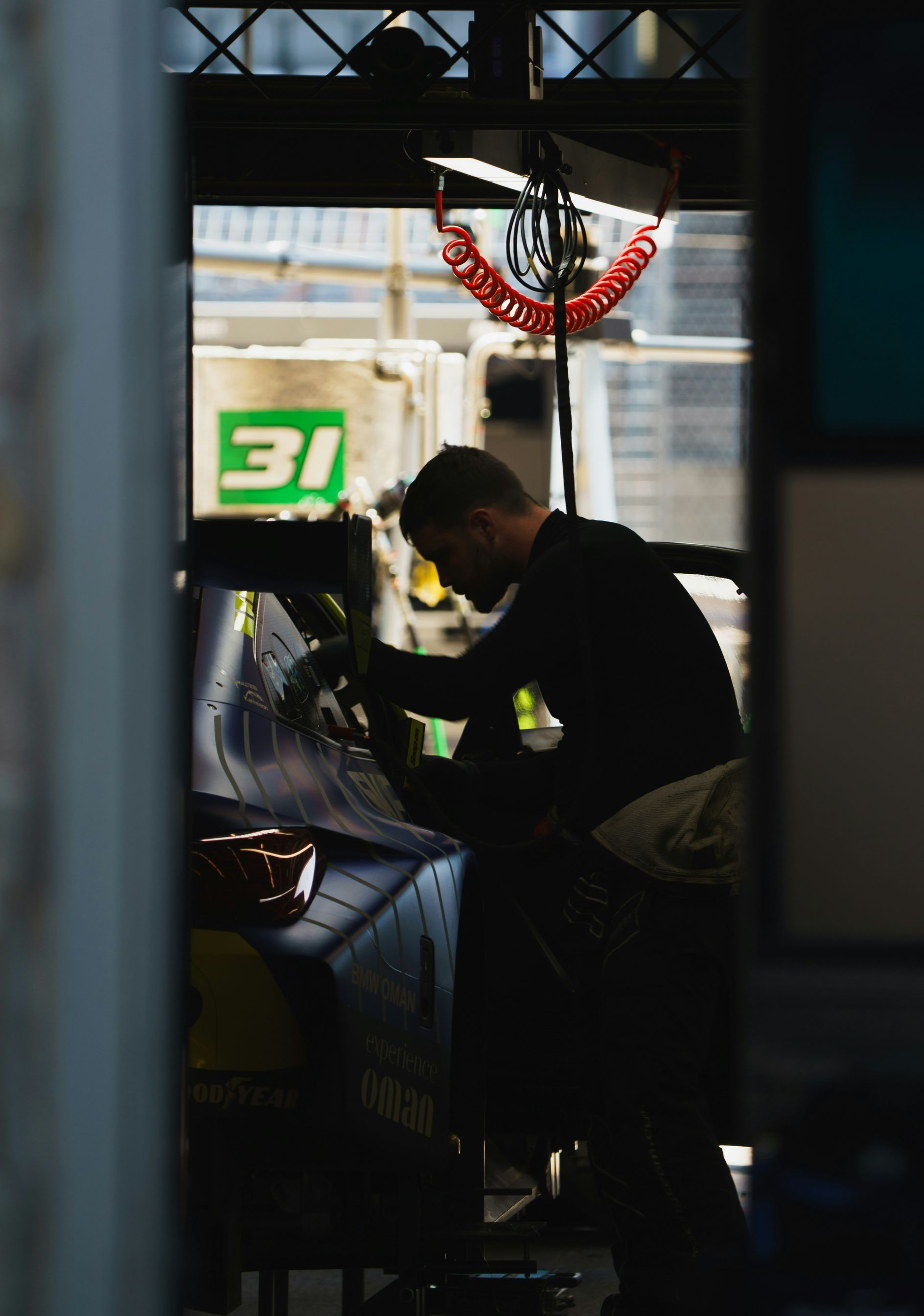
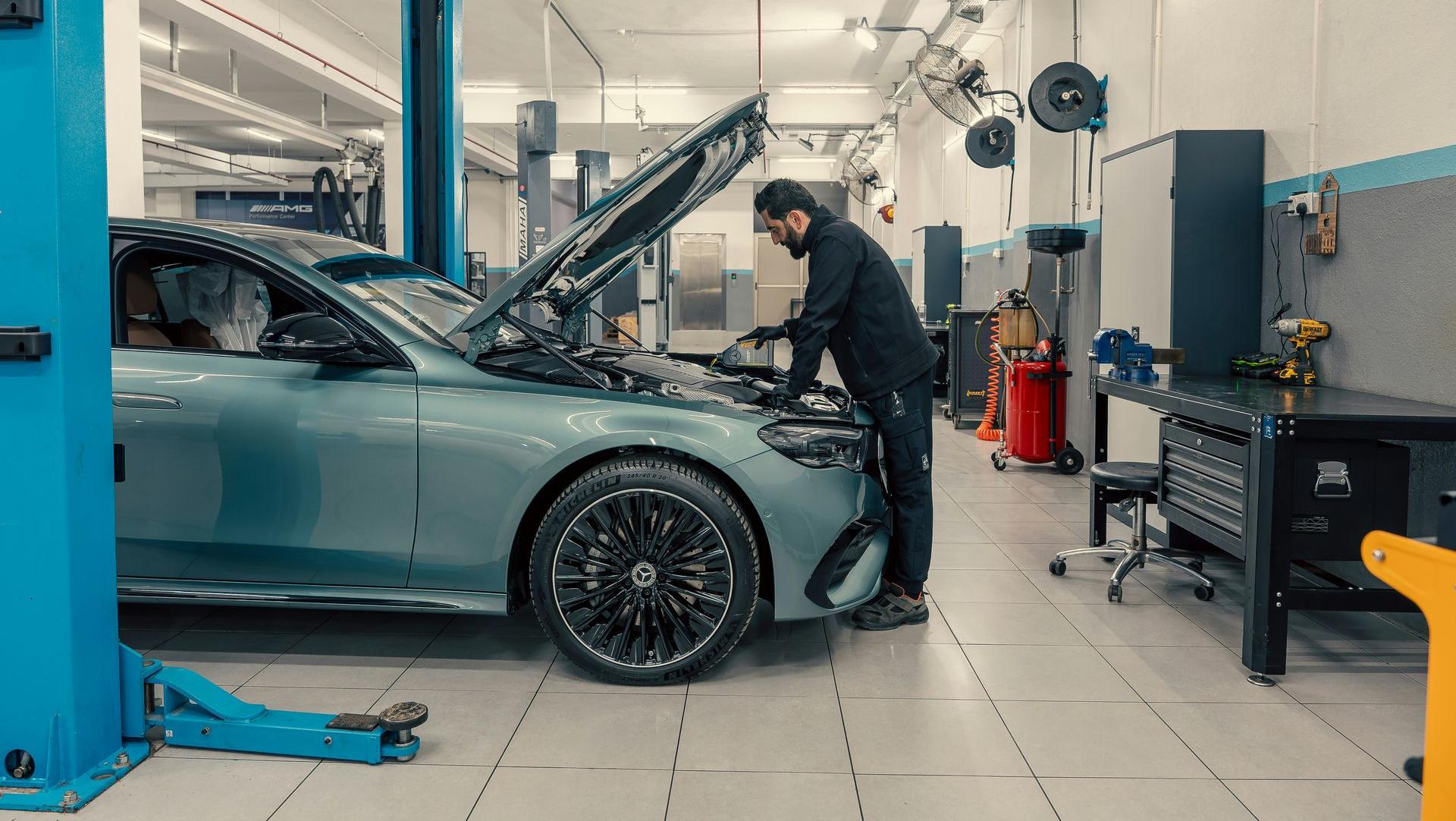
One of the most important factors behind a lifetime warranty is the quality of the technicians performing the repairs. Proper training and experience are essential for ensuring that each repair is completed correctly the first time.
ASE-certified technicians follow established standards for:
- Structural repairs
- Panel alignment
- Component installation
This level of precision helps reduce the likelihood of issues developing after the repair is complete.
Quality Parts and Materials Matter
The durability of a repair is directly tied to the materials used. Many collision centers prioritize the use of original equipment manufacturer (OEM) parts whenever possible.
OEM parts are designed to match the specifications of the vehicle, which may help support proper fit and function. In addition, high-quality paints and coatings are used to ensure that finishes remain consistent over time.
Using appropriate materials contributes to the long-term reliability that a lifetime warranty represents.
Proper Repair Processes and Procedures
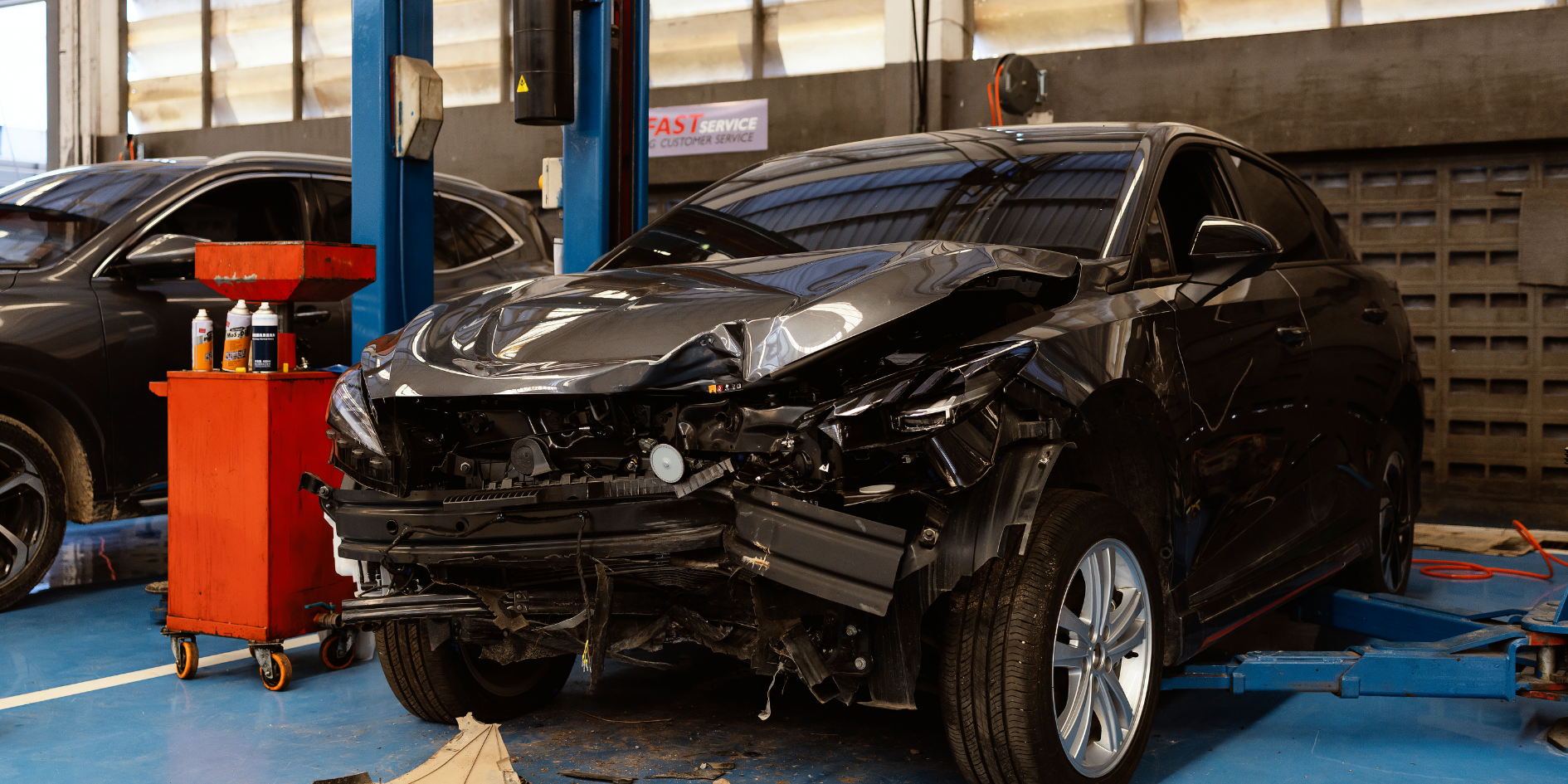
A warranty is only as strong as the process behind it. Collision repair involves more than replacing damaged parts. It requires a structured approach that addresses all aspects of the vehicle.
This includes:
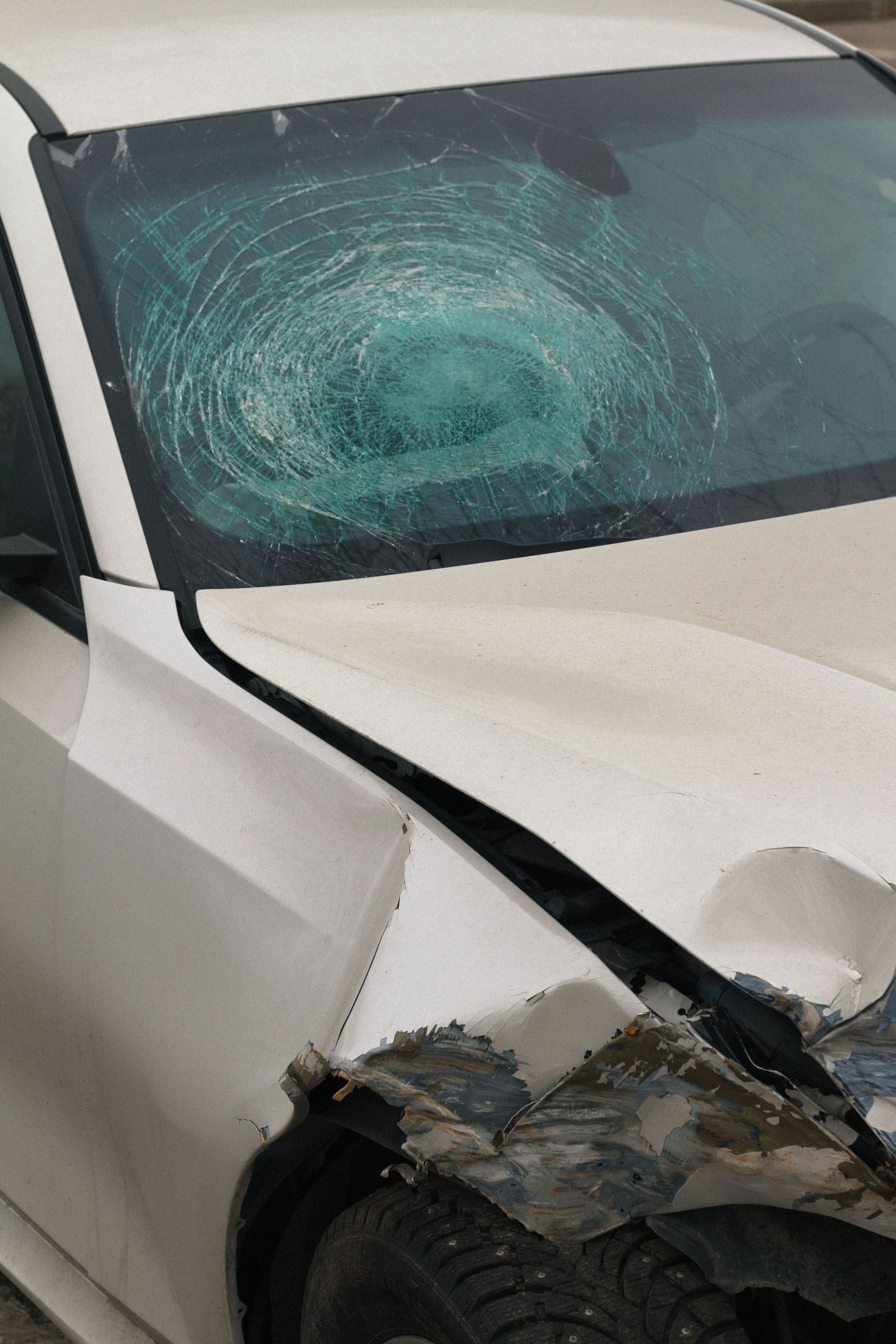
- Assessing both visible and hidden damage
- Restoring structural integrity
- Ensuring accurate alignment of components
- Applying finishes that match the original appearance
Each step must be completed with attention to detail. Skipping or rushing any part of the process can affect the final result.

Inspection and Quality Control
Before a vehicle is returned to the customer, it typically undergoes a series of inspections. These checks help confirm that repairs meet established standards.
Quality control may involve:
- Verifying alignment and fit
- Checking paint consistency
- Confirming that all components are functioning properly
This final review is an important part of ensuring that the repair meets the expectations associated with a lifetime warranty.
What a Lifetime Warranty Typically Covers
While specific terms may vary, a lifetime warranty often includes coverage for:
- Workmanship performed by the repair facility
- Paint and finish quality
- Installation of parts
It is important to review the details of any warranty to understand what is included and any conditions that may apply.
Long-Term Accountability
A lifetime warranty represents a long-term commitment between the collision center and the customer. It means that if an issue arises related to the repair, the shop will address it.
This level of accountability can provide peace of mind, particularly after a stressful event such as a collision. It also reinforces the importance of choosing a repair facility that prioritizes quality.
Choosing a Repair Center You Can Trust
Not all warranties are the same. The strength of a warranty depends on the standards and practices of the shop offering it. Understanding what supports that promise can help drivers make more informed decisions.
Dealership Autoplex Collision Center backs its repairs with a lifetime warranty supported by skilled technicians, quality materials, and a thorough repair process. If you are looking for a collision center that stands behind its work, contact Dealership Autoplex Collision Center today for trusted service and long-term confidence in your repairs.