

How Collision Repair Affects Vehicle Resale Value
Preserving Car Value with High-Quality Collision Repair
For many drivers, a vehicle is one of the largest investments they make. Whether the plan is to trade it in, sell it privately, or simply maintain its value over time, resale value is an important consideration. After an accident, one of the most common concerns is how collision repair will affect that value.
While accidents can impact resale potential, the quality of the repair plays a significant role in determining how much value is preserved. Professional collision repair, performed correctly and with attention to detail, can help maintain both the appearance and structural integrity of a vehicle.
The Immediate Impact of an Accident
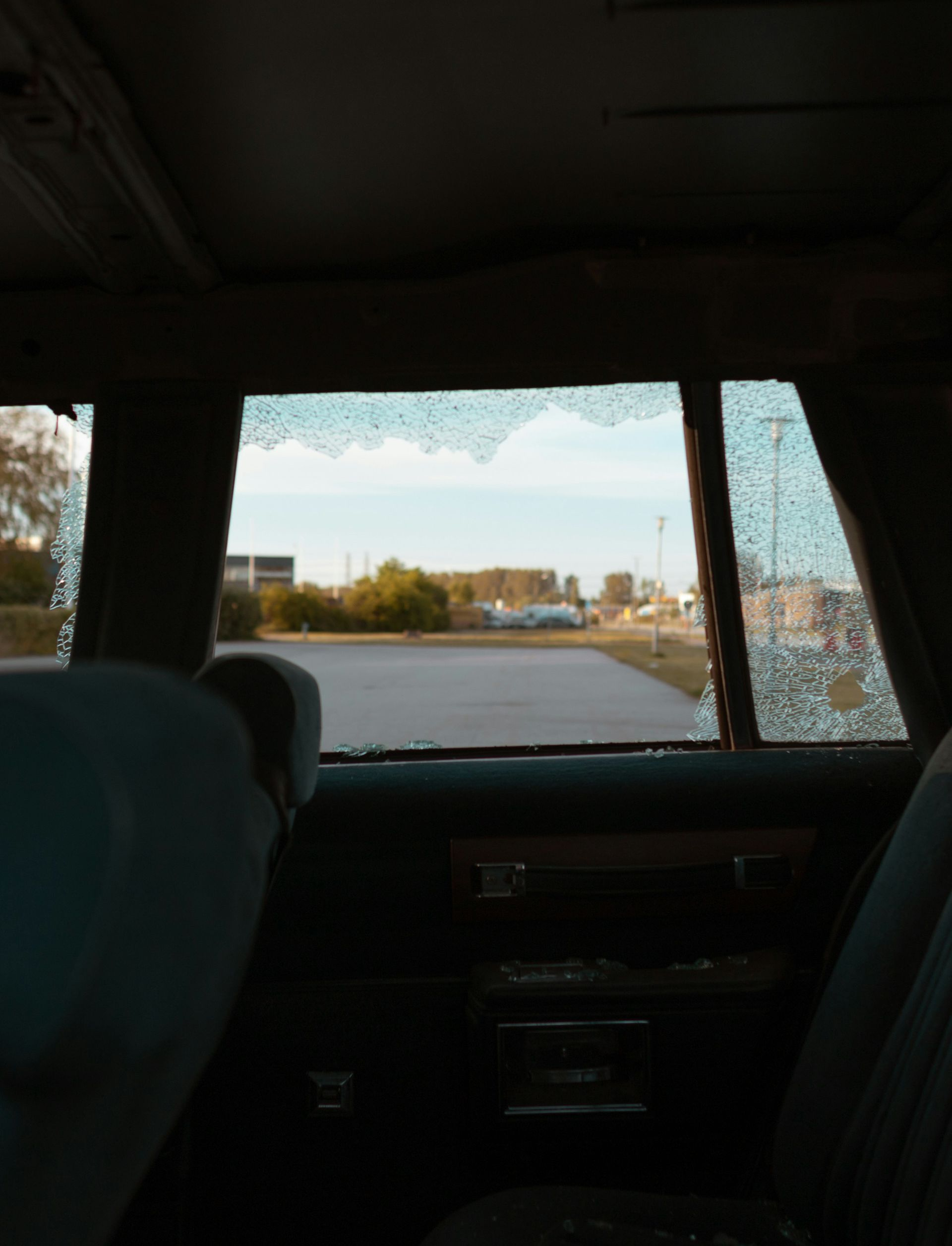
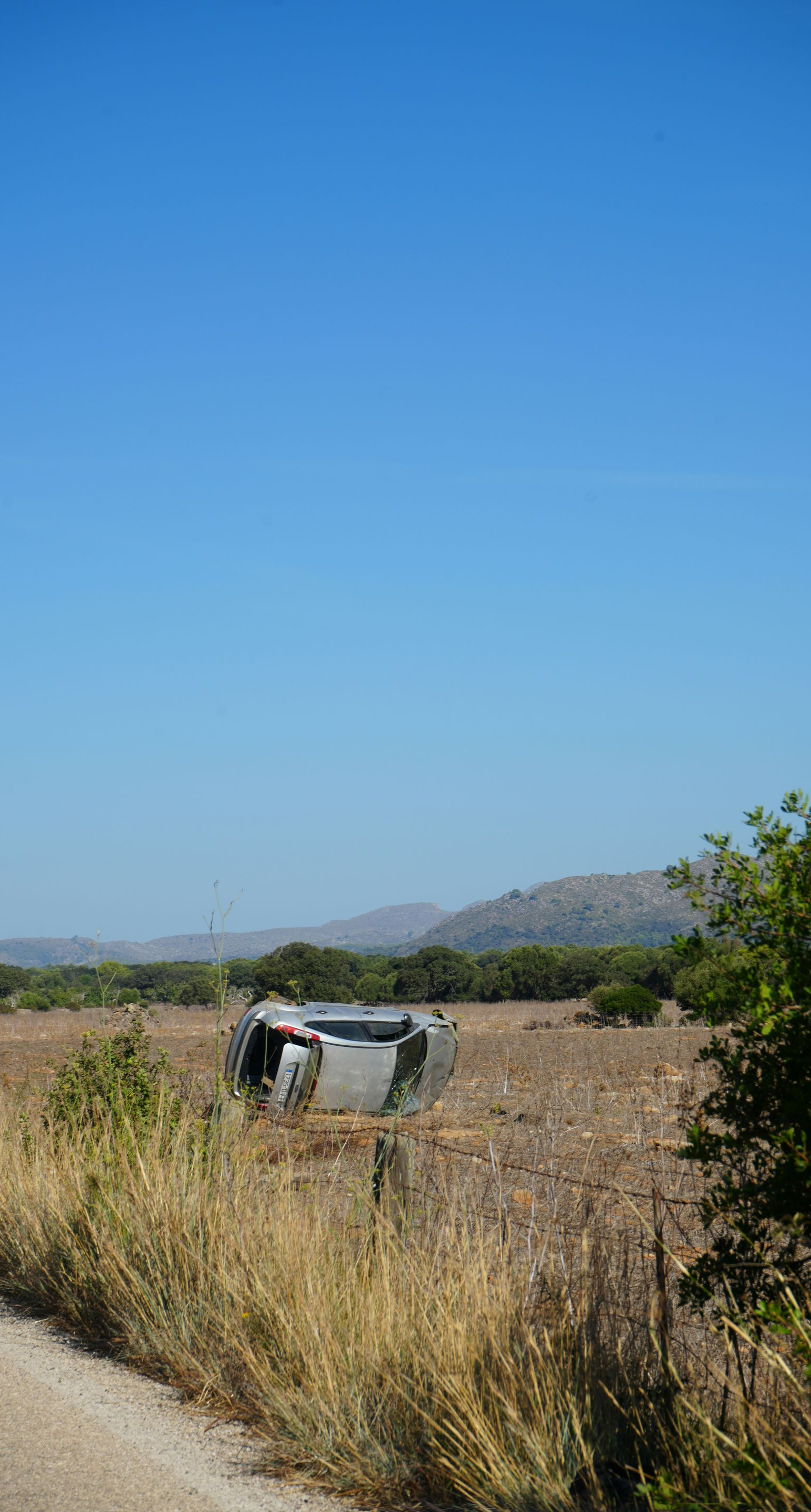
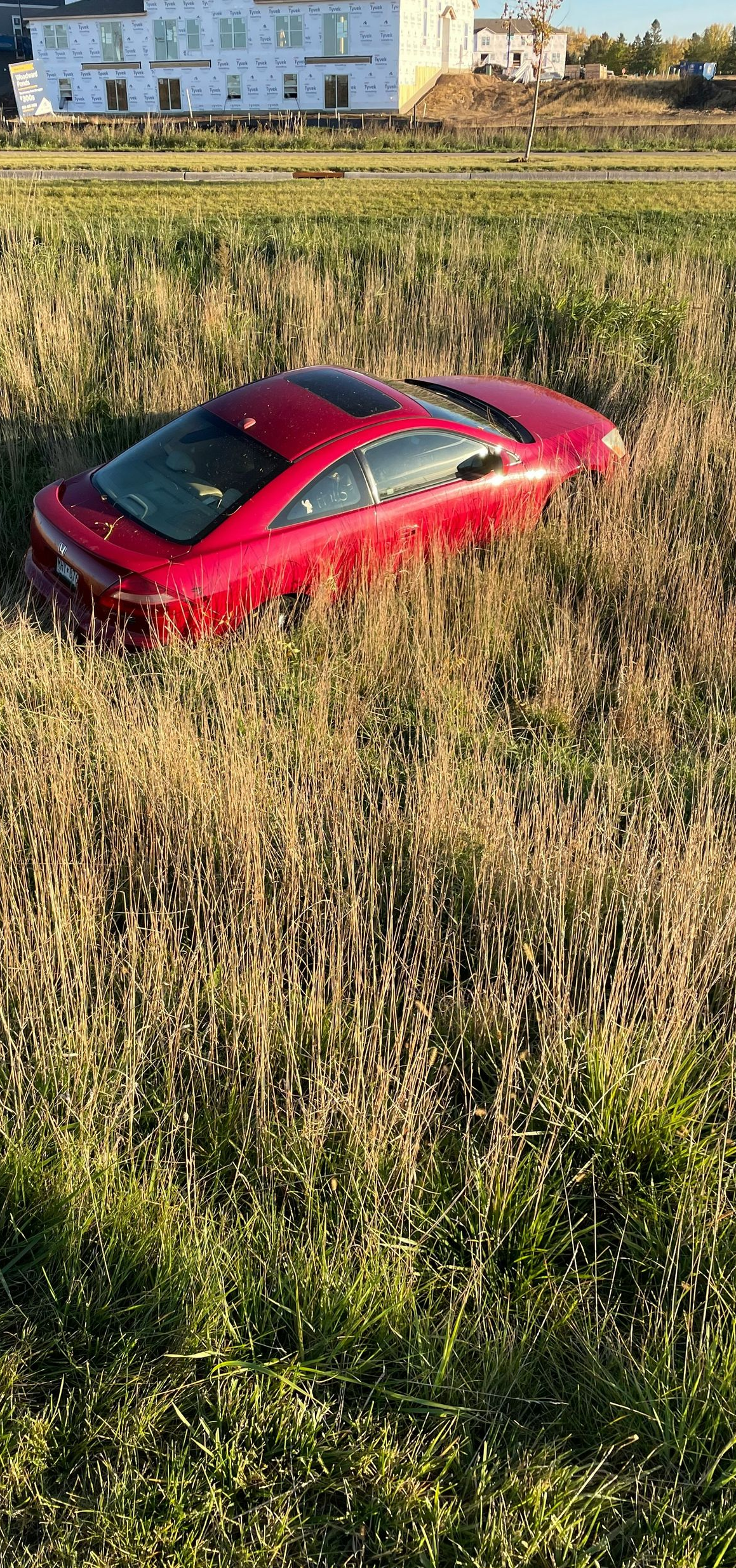
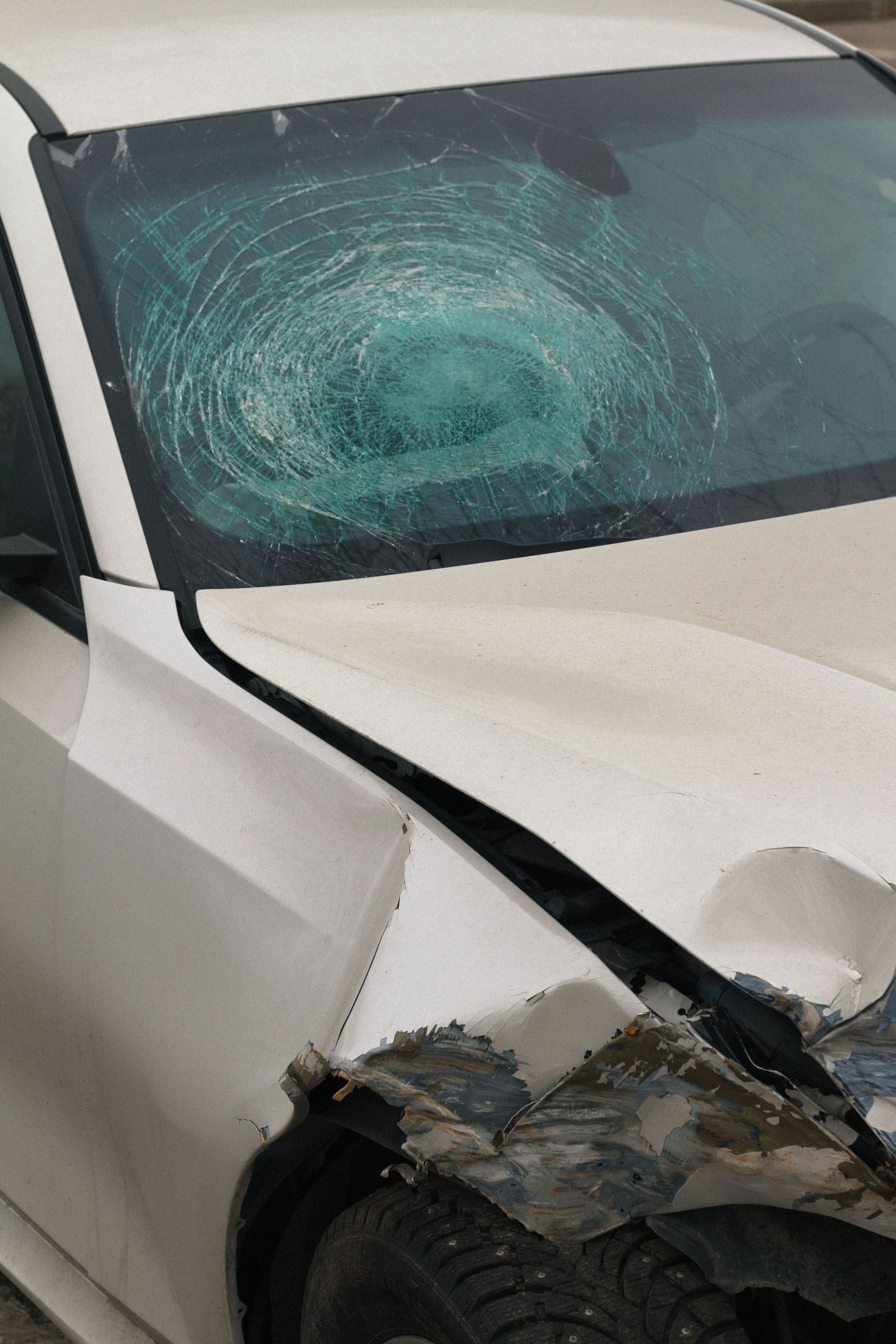
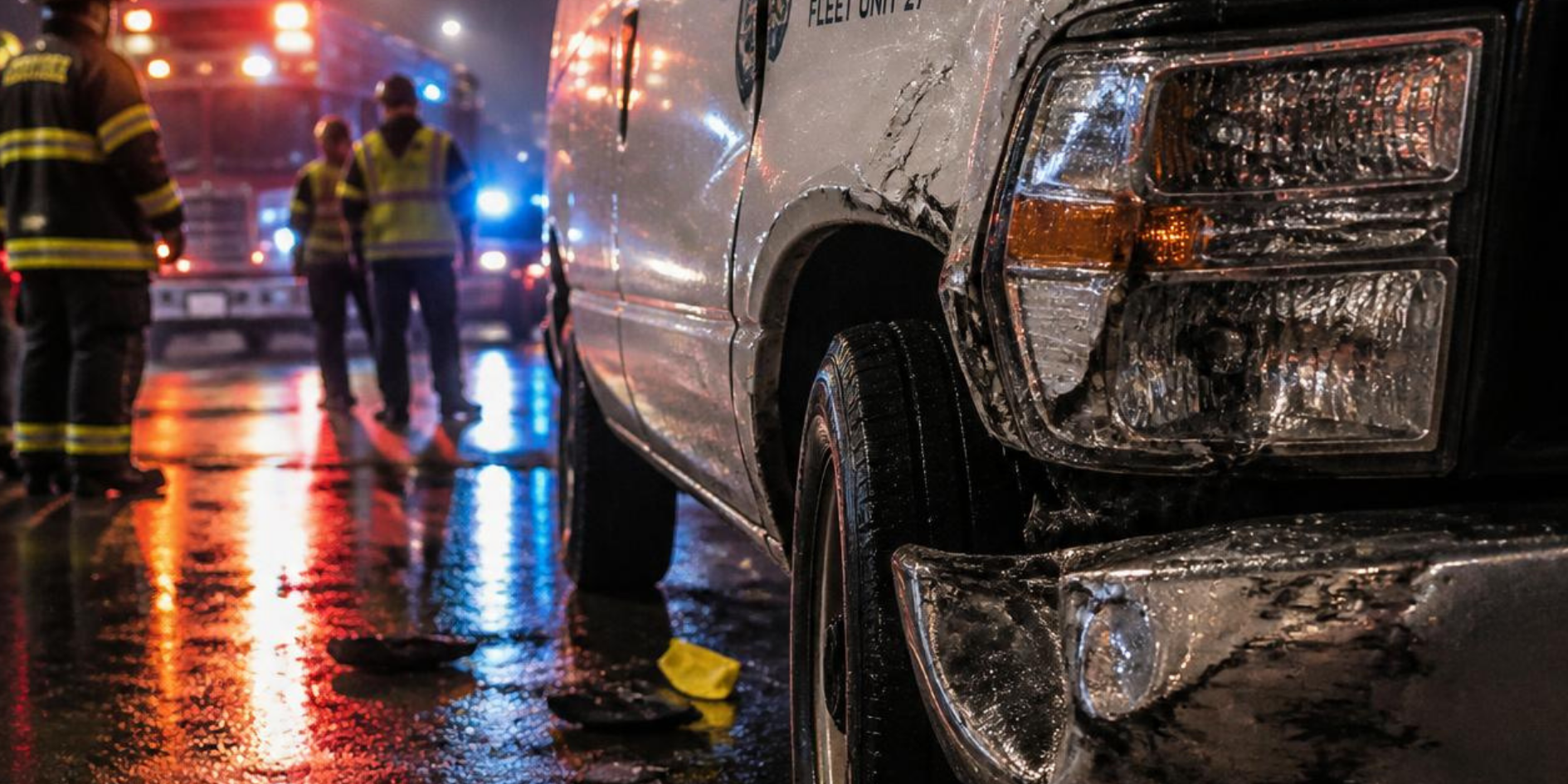
When a vehicle is involved in a collision, its value may be affected regardless of the extent of the damage. Even minor accidents can appear on vehicle history reports, which potential buyers often review before making a purchase.
However, the presence of an accident does not automatically mean that a vehicle has lost significant value. Buyers are often more concerned with how the damage was repaired than with the fact that an accident occurred.
A vehicle that has been professionally repaired is typically more appealing than one with visible damage or poorly completed work.
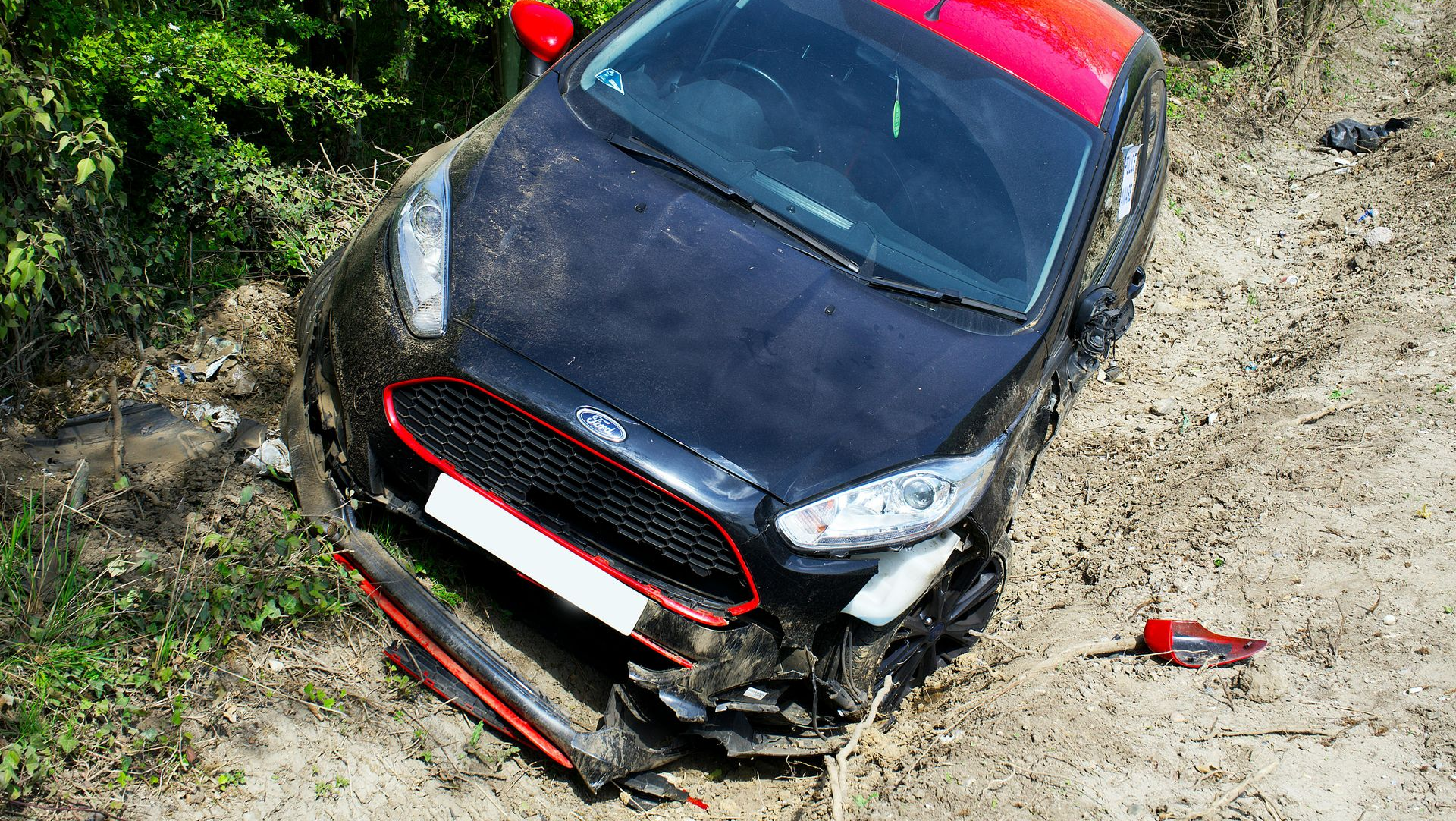
The Importance of High-Quality Repairs
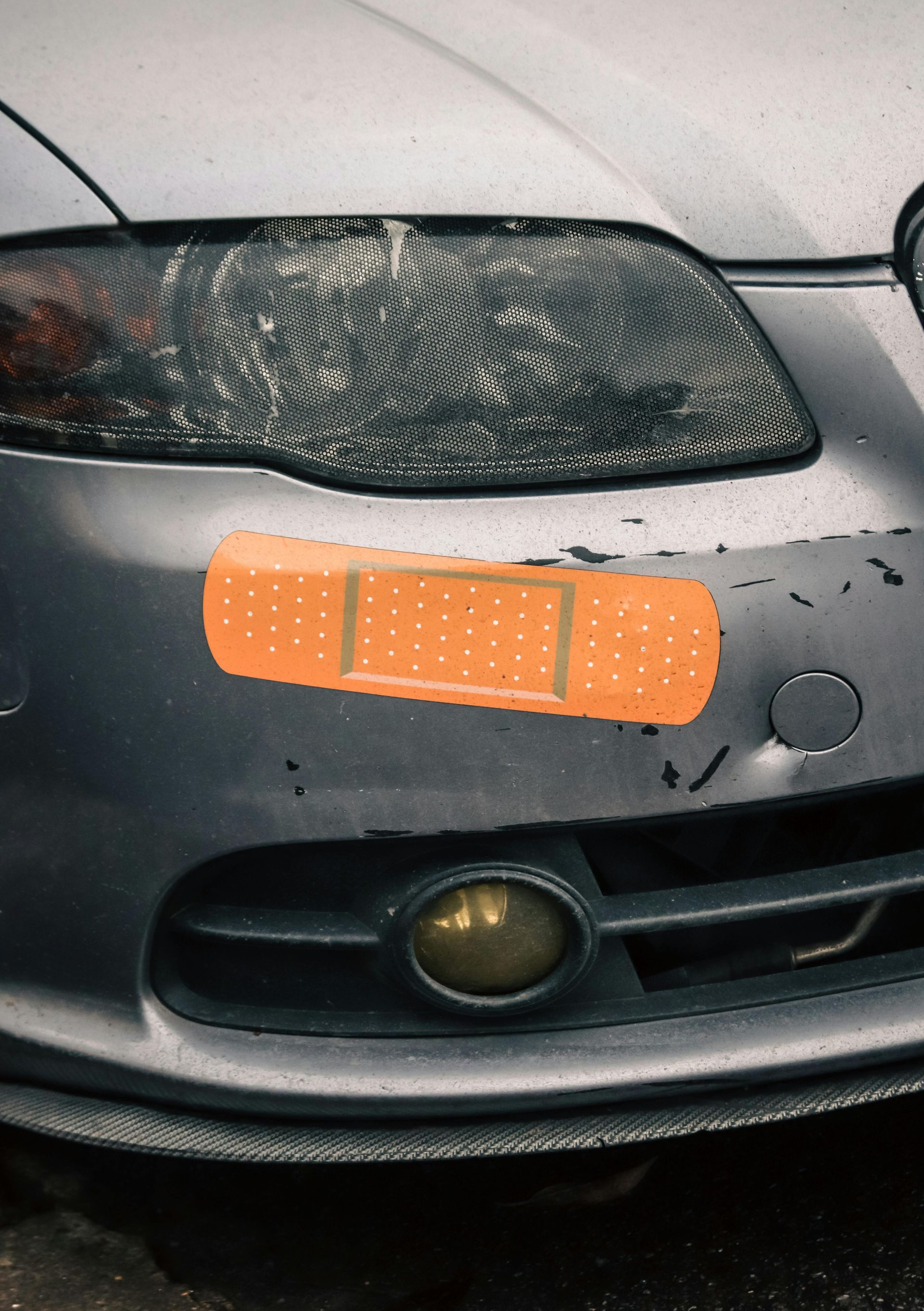
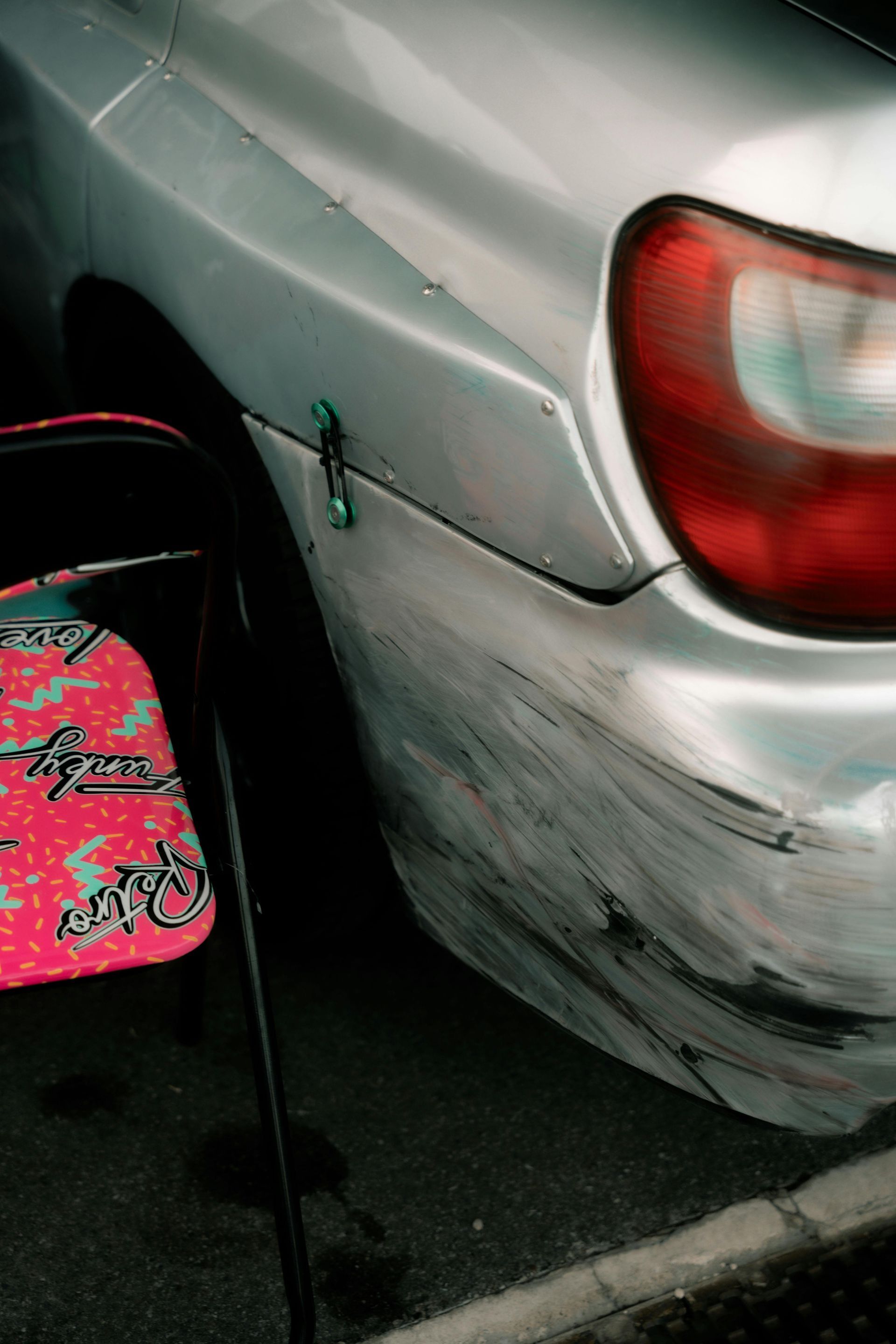
The quality of collision repair directly influences how a vehicle is perceived in the resale market. Poor repairs can lead to visible imperfections such as mismatched paint, uneven panels, or gaps in alignment. These issues are often easy for buyers to notice and may raise concerns about the overall condition of the vehicle.
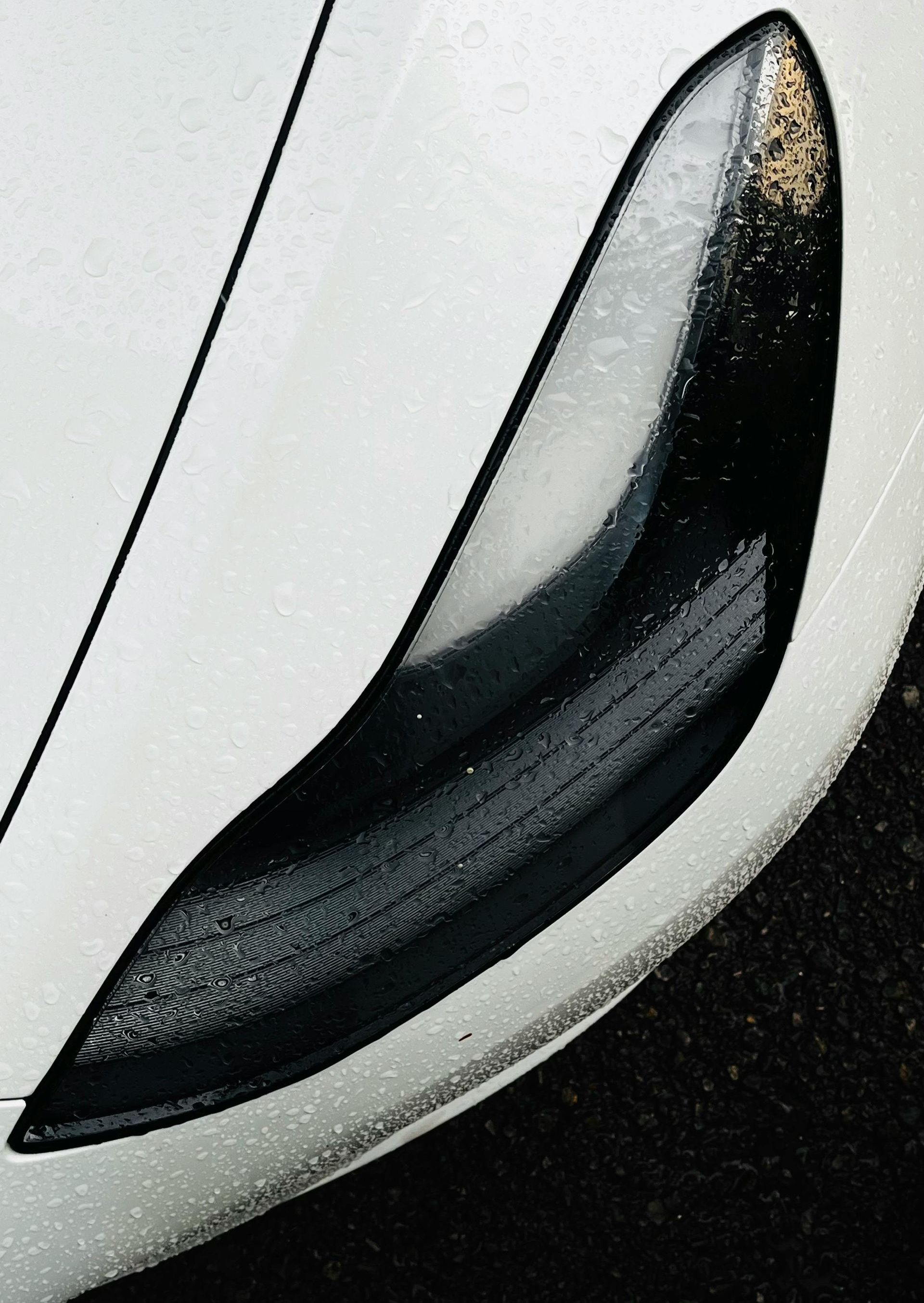
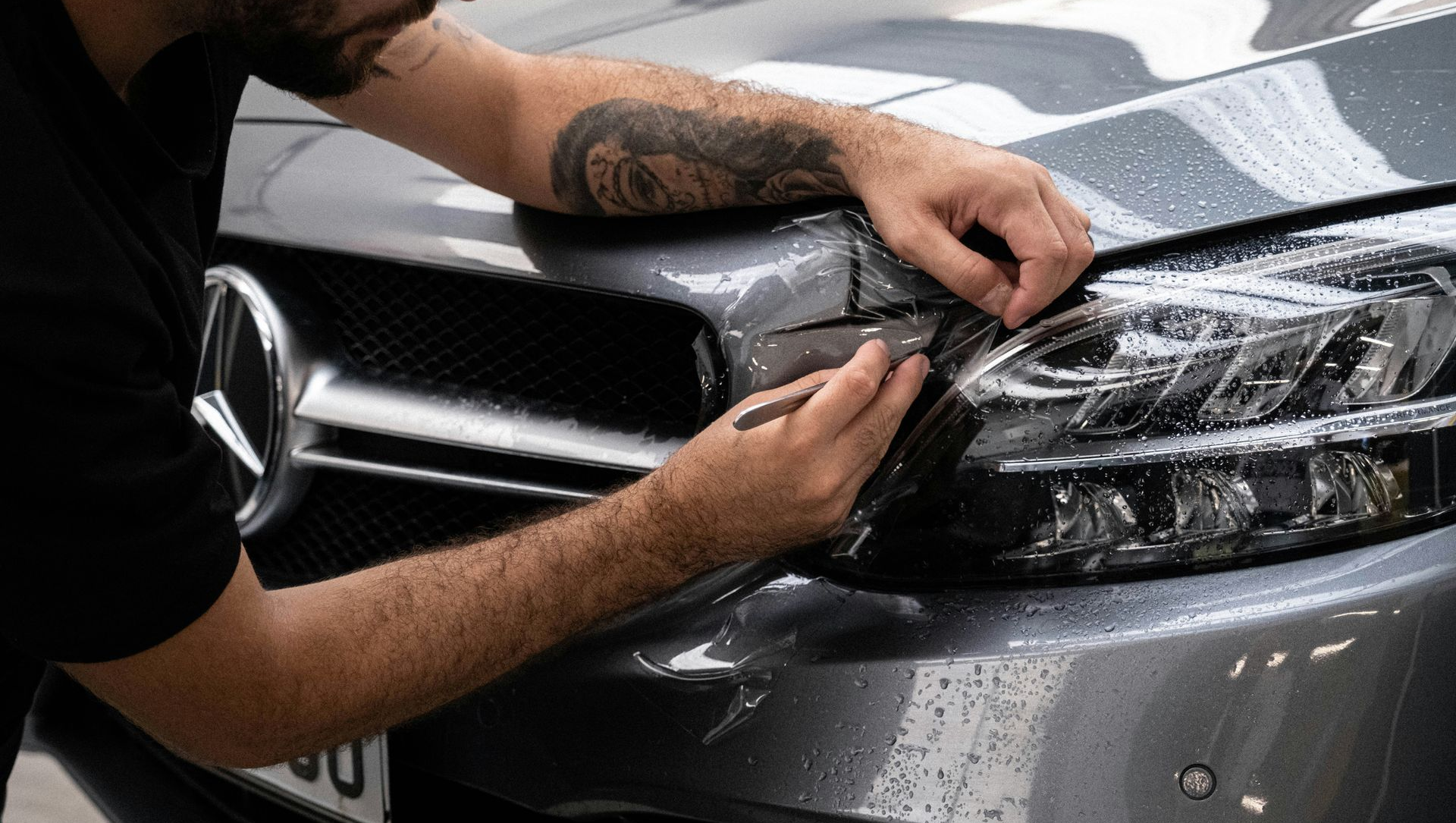
In contrast, high-quality repairs aim to restore the vehicle to its pre-accident condition. This includes addressing both cosmetic and structural damage. When repairs are completed correctly, it can be difficult to detect that the vehicle was ever damaged.
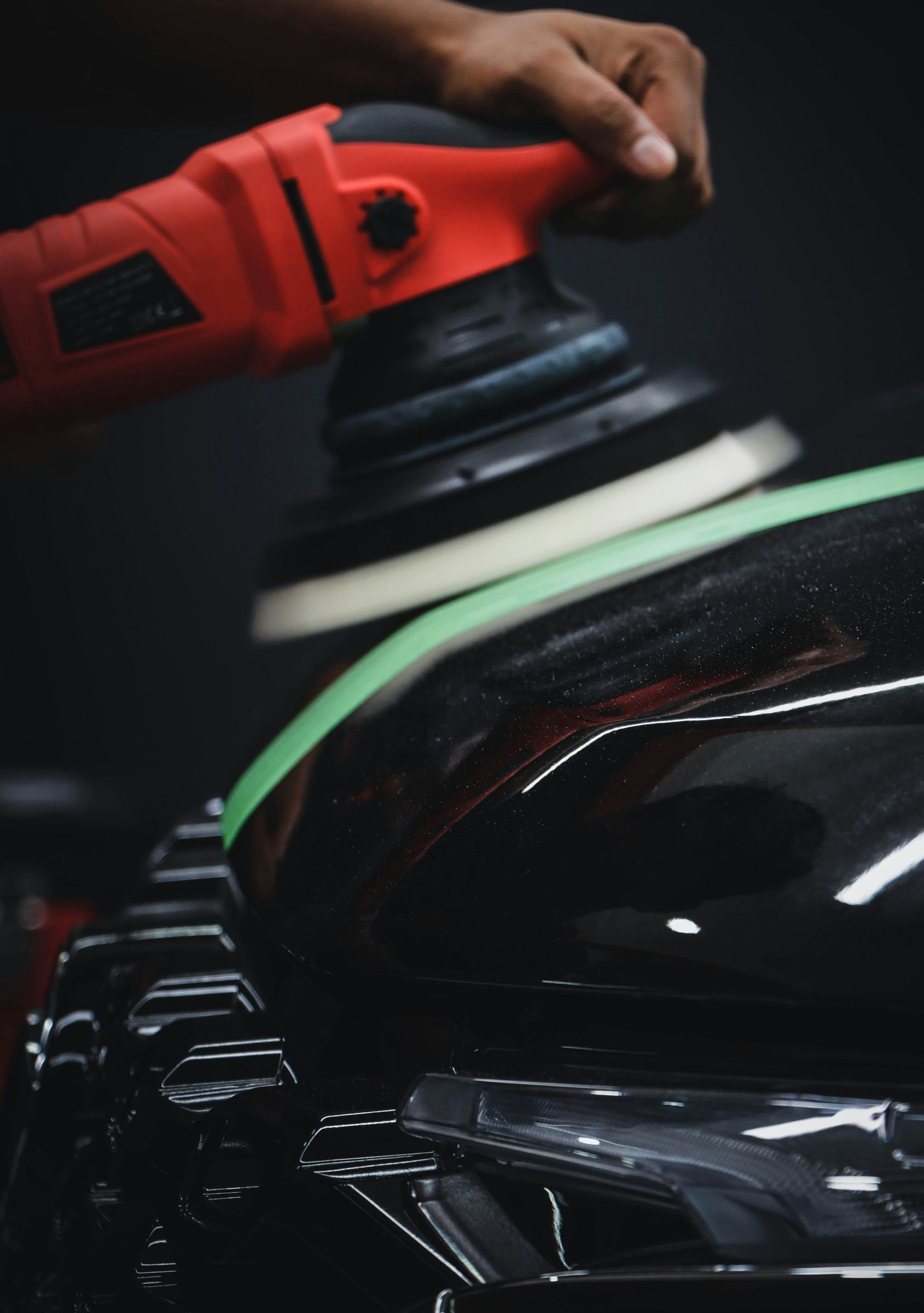
Professional auto body shops use advanced tools and techniques to ensure that repairs meet industry standards. This level of quality helps protect the vehicle’s appearance and supports its long-term value.
Structural Integrity Matters
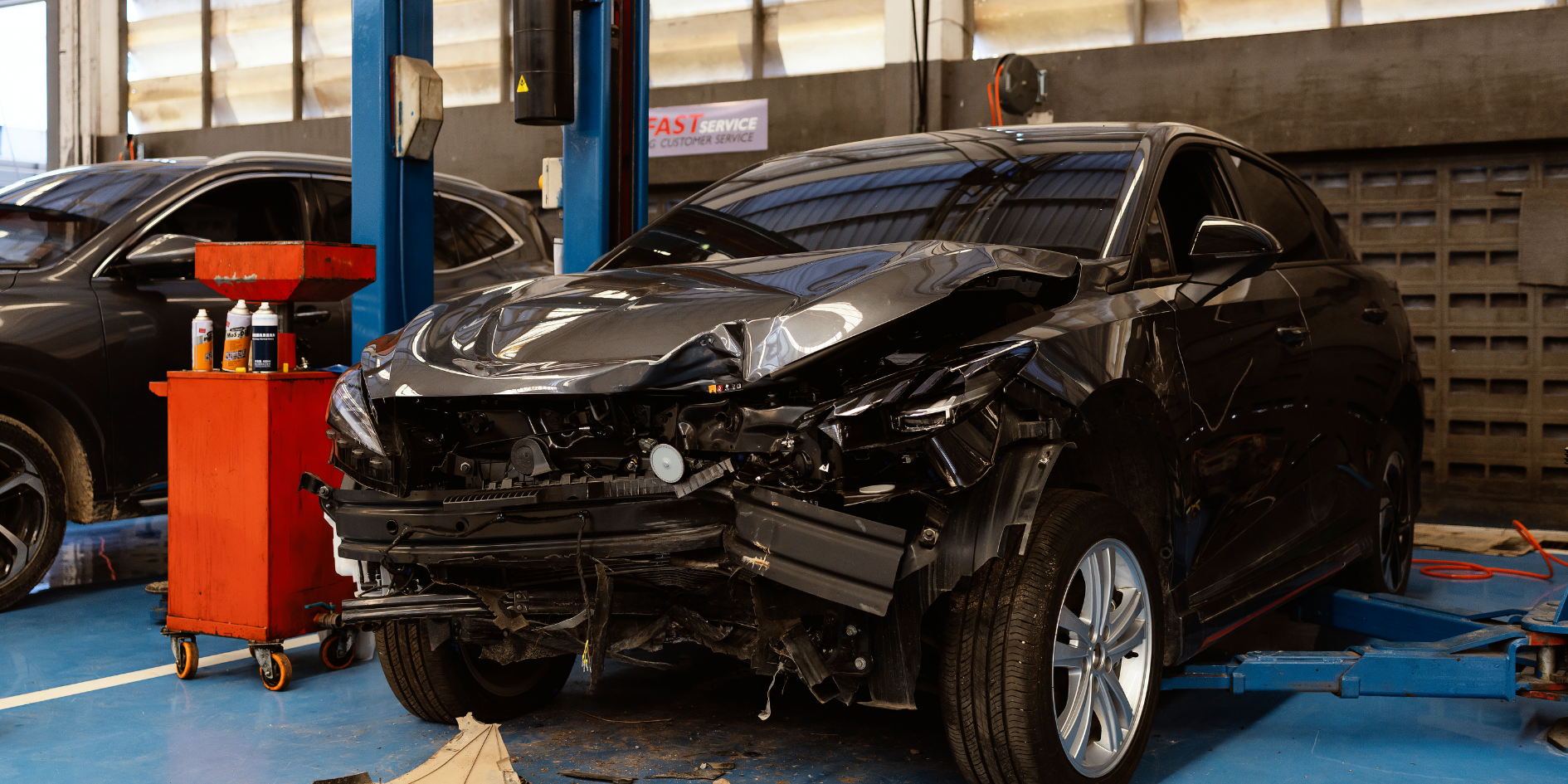
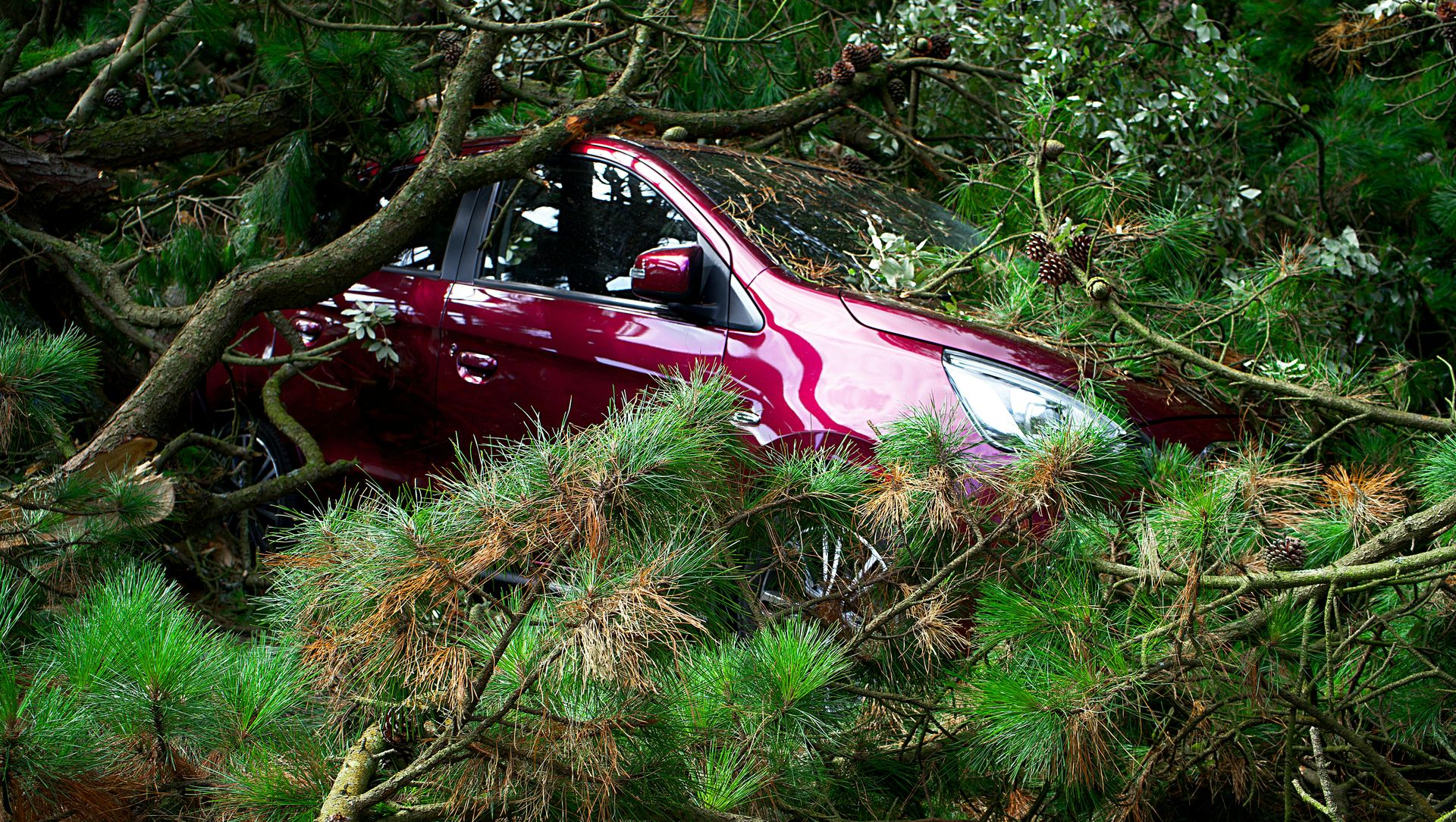
Beyond appearance, structural integrity is one of the most important factors in preserving resale value. Damage to the frame or underlying structure of a vehicle can affect safety and performance if not properly addressed.
Professional collision repair includes frame measurement and correction to ensure that the vehicle’s structure is restored to manufacturer specifications. This process is essential for maintaining proper alignment, handling, and safety.
Buyers are more likely to feel confident purchasing a vehicle when they know that structural repairs were completed by experienced professionals.
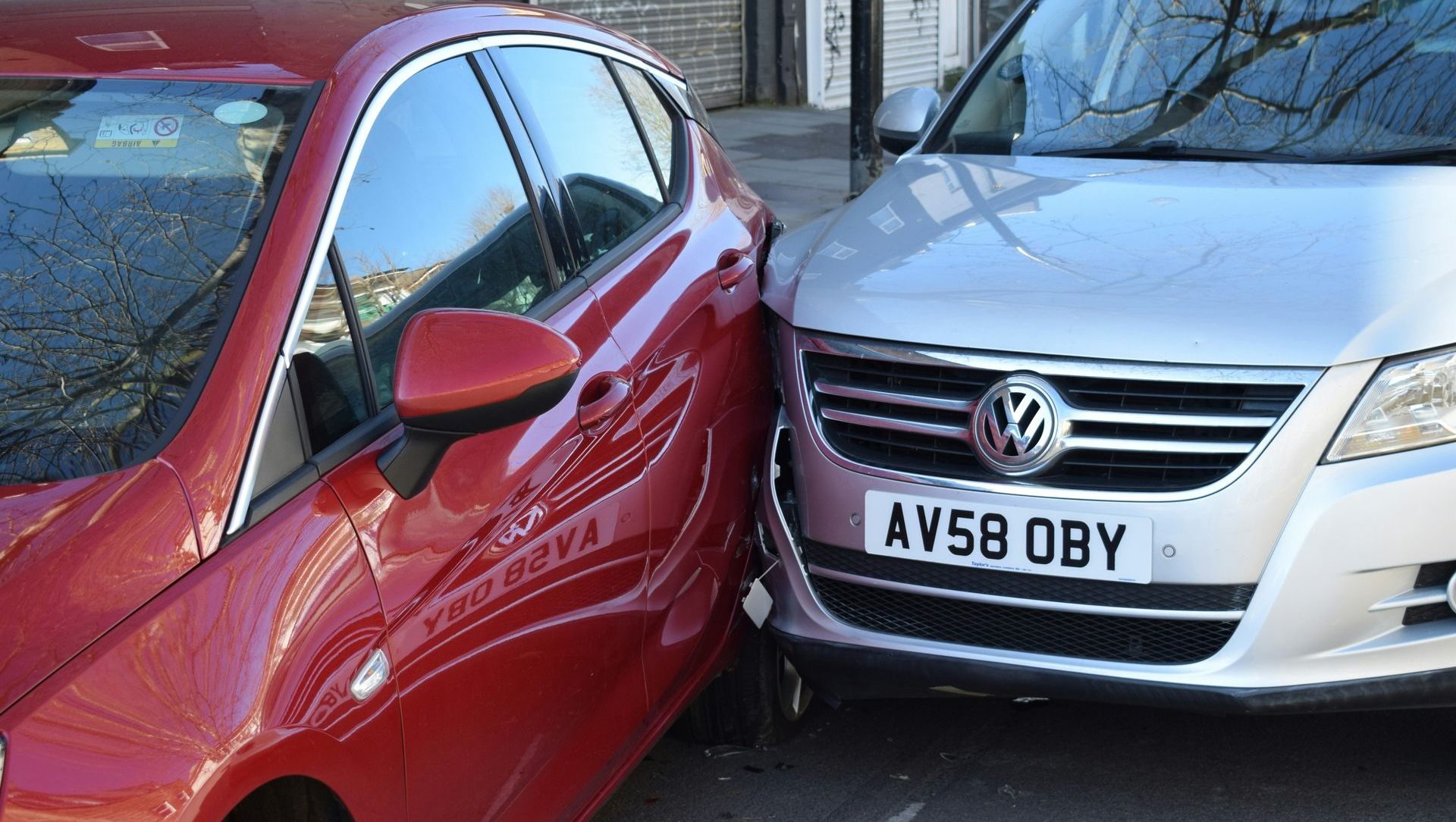
The Role of OEM Parts
The parts used during repair also influence resale value. Original Equipment Manufacturer, or OEM, parts are designed to match the vehicle’s original components in both fit and performance.
Using OEM parts helps ensure that the vehicle functions as intended and maintains its original design standards. In contrast, lower-quality aftermarket parts may not fit as precisely or perform as reliably.
Vehicles repaired with OEM parts are often more attractive to buyers because they reflect a higher standard of care.
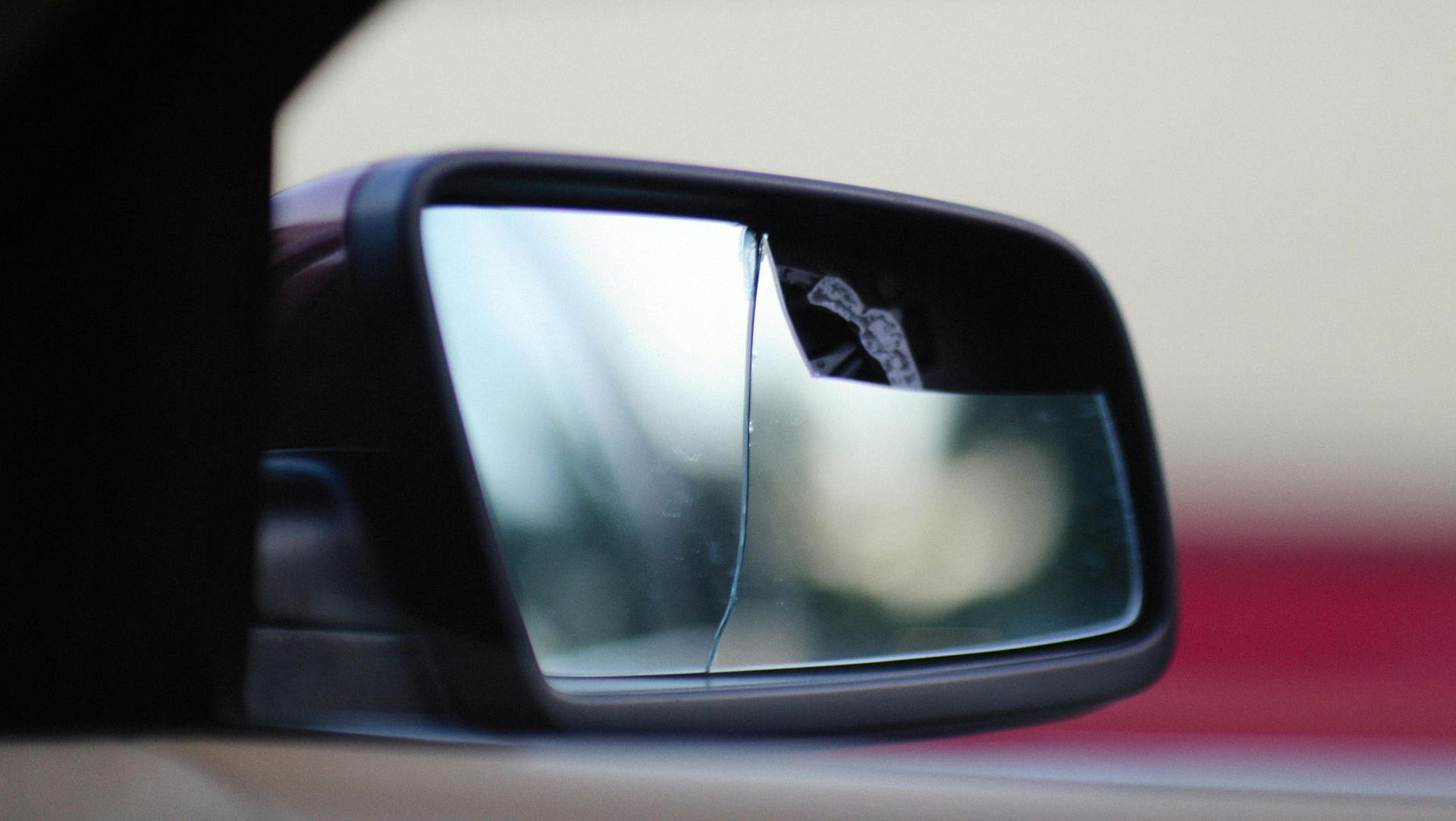
Documentation and Transparency
Keeping records of collision repairs can also support resale value. Documentation that shows repairs were completed by a reputable shop provides reassurance to potential buyers.
Transparency about the repair process demonstrates that the vehicle has been properly maintained and cared for. Buyers are more likely to trust a vehicle with clear repair history than one with unknown or undocumented damage.
Choosing the Right Collision Center
Not all collision repair is equal. Choosing a qualified and experienced auto body shop can make a significant difference in the outcome of the repair.
At Dealership Autoplex Collision Center, we focus on restoring vehicles to their pre-accident condition using
ASE-certified technicians, OEM parts when possible, and advanced repair techniques. Our goal is to protect both the safety and value of every vehicle we service.
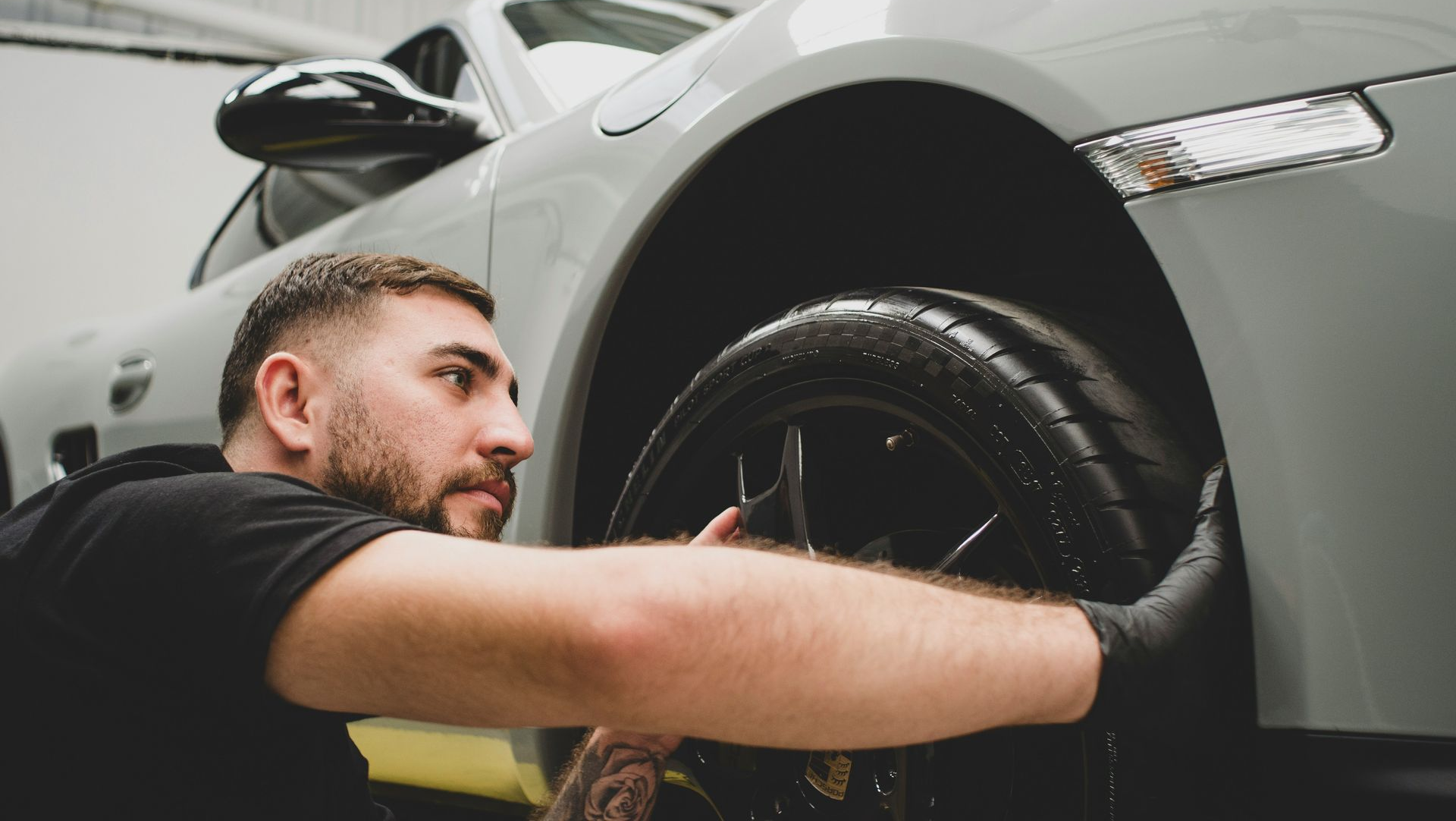
Preserving Value Through Proper Repair
An accident does not have to mean a significant loss in resale value. While the event itself may be recorded, the way the vehicle is repaired determines how it will be perceived in the future.
High-quality collision repair helps maintain appearance, structural integrity, and performance. For drivers who plan to sell or trade their vehicle, investing in professional repair is one of the most effective ways to protect long-term value.
By choosing experienced professionals and prioritizing quality, vehicle owners can move forward with confidence, knowing that their investment remains well protected.