

The Importance of Computerized Paint Matching in Auto Body Work
Perfect Match
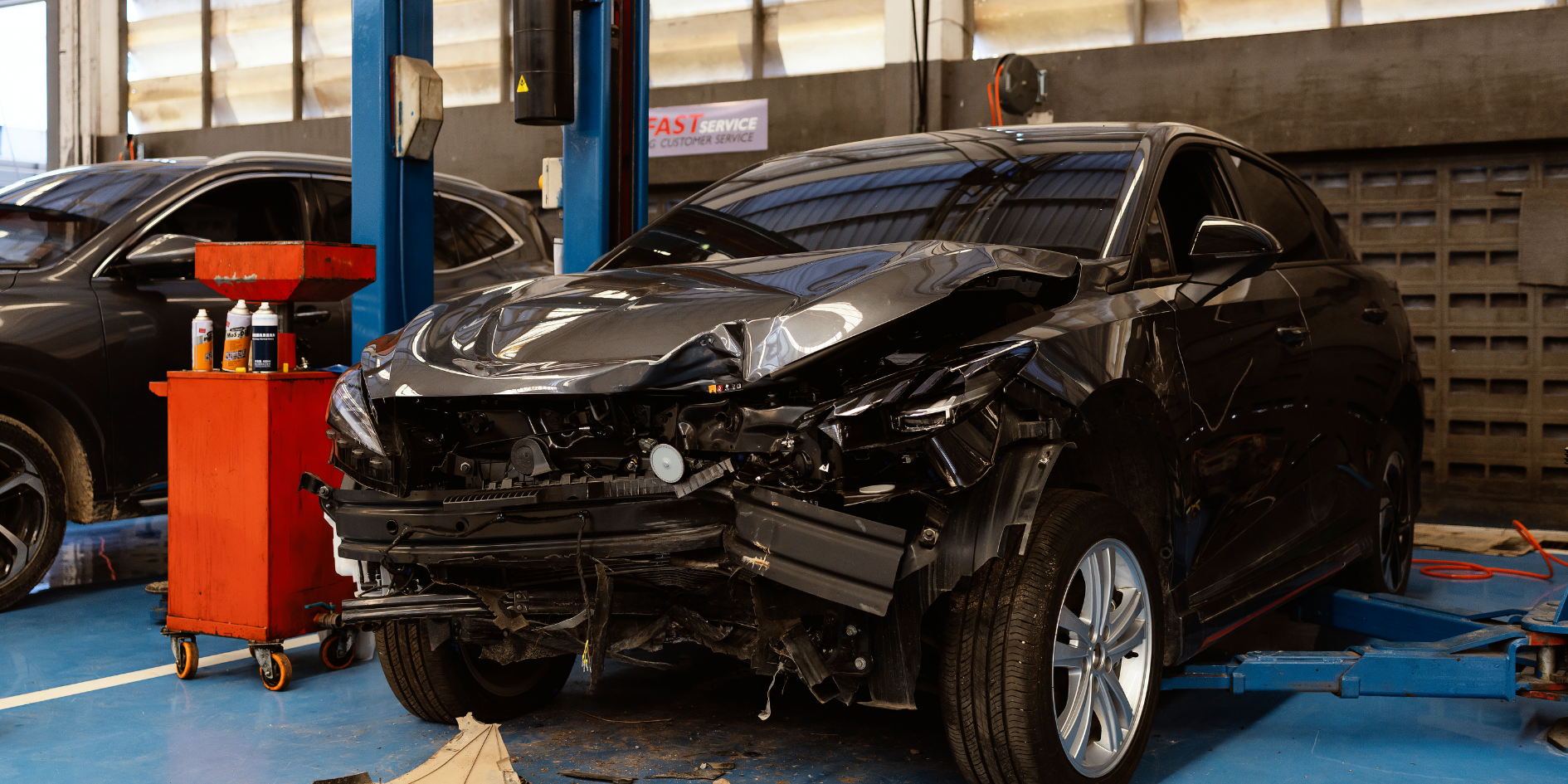
One of the most noticeable aspects of vehicle damage after an accident is paint damage. Scratches, dents, and body panel replacements often require refinishing to restore the vehicle’s original appearance. For many drivers, one of the biggest concerns after collision repair is whether the paint will match the rest of the car. Even a small difference in color or finish can make a repair stand out.
Modern auto body repair has evolved significantly in recent years, and one of the most important advancements is computerized paint matching. This technology allows professional collision repair shops to precisely match a vehicle’s original paint color, ensuring that repairs blend seamlessly with the surrounding panels.
Why Paint Matching Matters
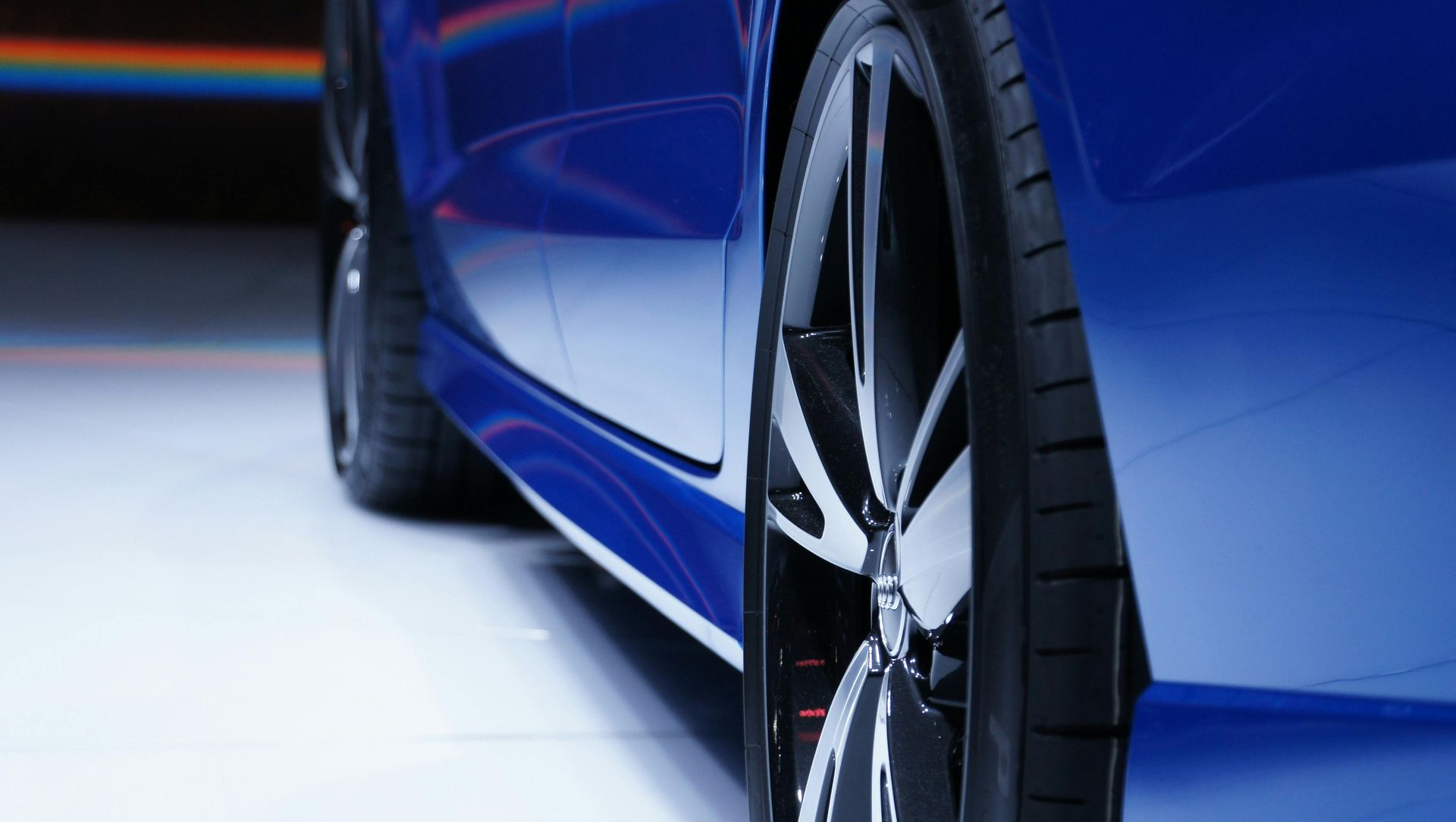
Automotive paint is far more complex than many people realize. Most vehicles are not simply painted with a single color. Instead, automotive finishes often contain multiple layers that create depth, shine, and durability. These layers may include primer, base coat, color layers, and a protective clear coat.
In addition, modern paint colors frequently include metallic flakes, pearlescent elements, or specialized finishes that change slightly depending on lighting conditions. Because of this complexity, matching paint by eye alone is extremely difficult.
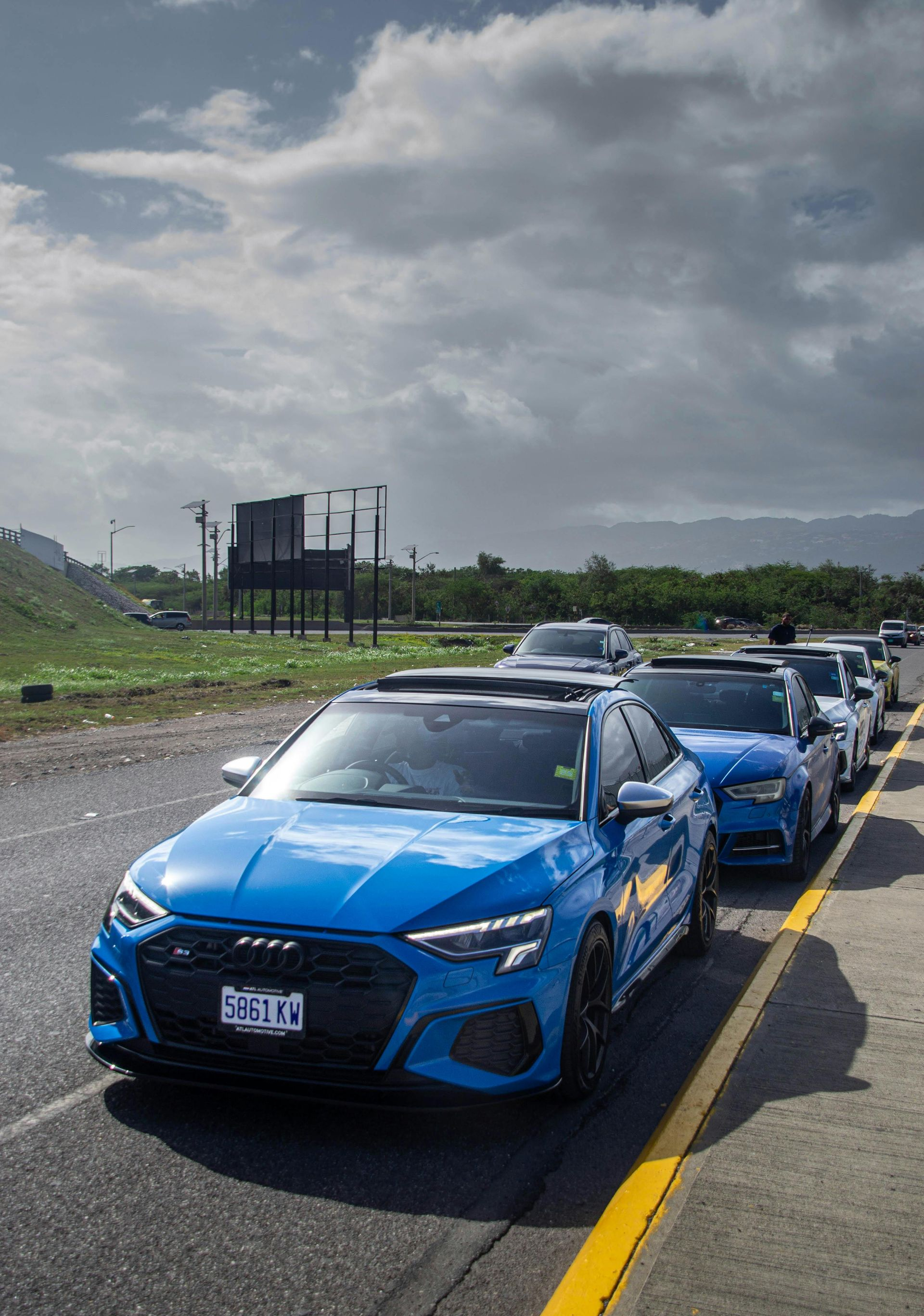
Without proper color matching, repaired panels may appear darker, lighter, or slightly different from the rest of the vehicle. This is especially noticeable on large panels such as doors, hoods, or fenders.
How Computerized Paint Matching Works
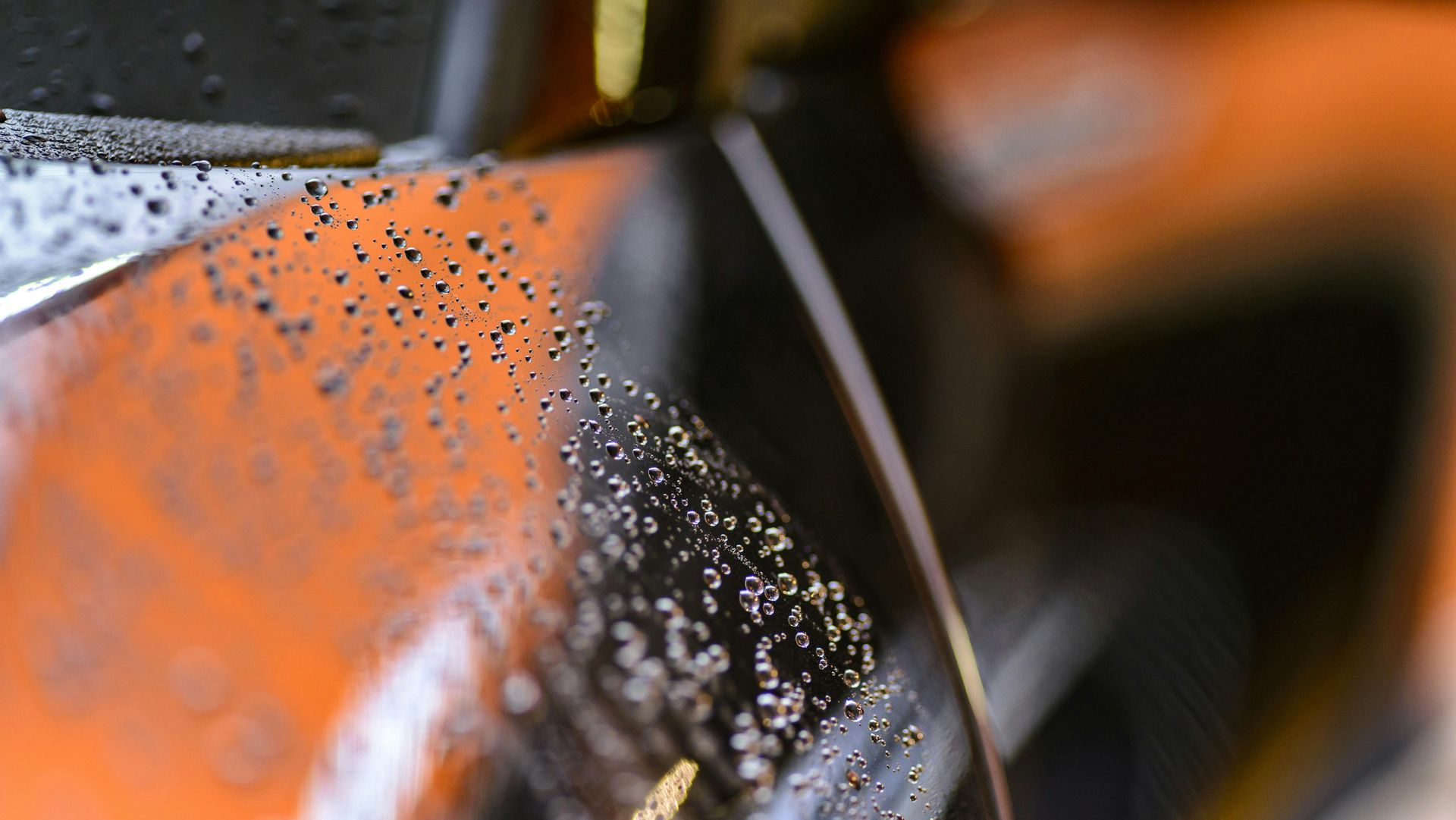
Computerized paint matching technology uses advanced scanning equipment to analyze a vehicle’s existing paint color. A handheld spectrophotometer scans the surface of the car and records precise information about the paint’s color composition.
The system measures how light reflects off the paint and identifies the exact color formula needed to recreate that finish. This data is then compared with extensive manufacturer paint databases that contain thousands of color formulas used by automakers.
Once the closest formula is identified, technicians can mix paint with extremely high precision. The result is a color match that closely replicates the original finish.
Accounting for Paint Aging and Fading
Even when a vehicle’s original paint code is known, the color may have changed slightly over time. Sun exposure, weather conditions, and environmental contaminants can gradually affect the appearance of automotive paint.
Computerized paint matching helps address this challenge by analyzing the actual paint currently on the vehicle rather than relying solely on the original manufacturer code. This ensures that the new paint matches the existing finish, even if it has faded or changed slightly over time.
This process allows technicians to achieve a more accurate match that blends naturally with surrounding panels.
The Role of Skilled Technicians
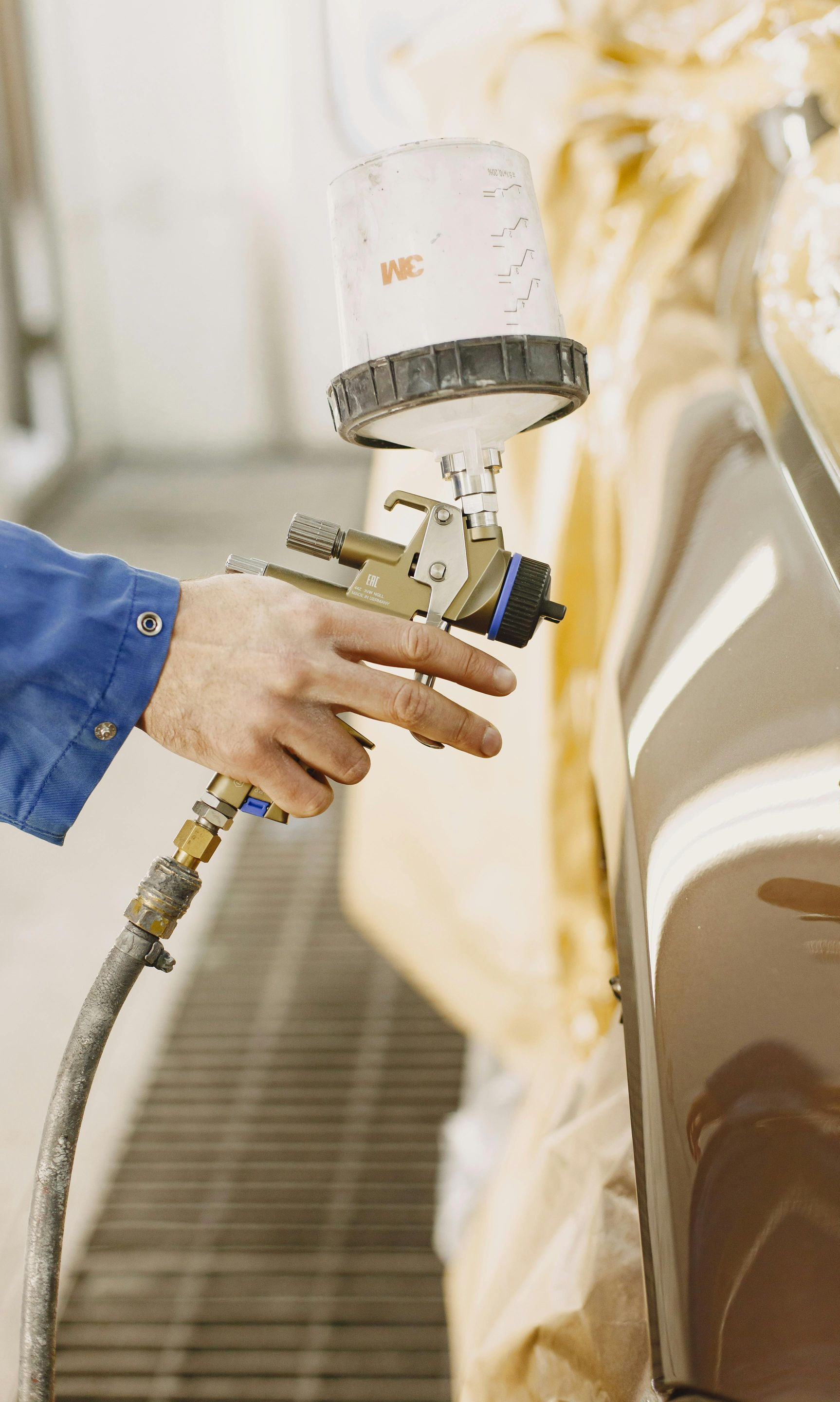
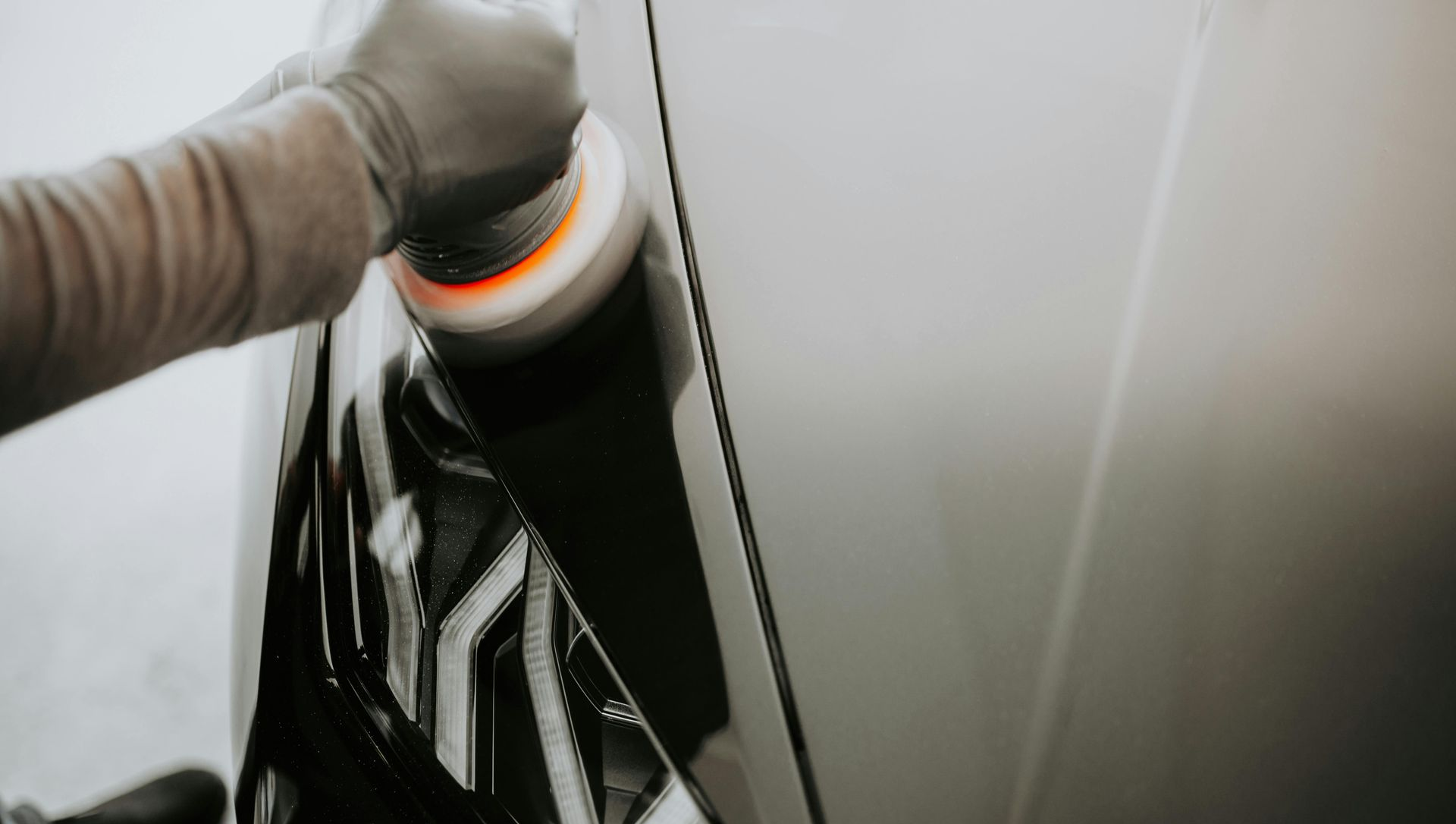
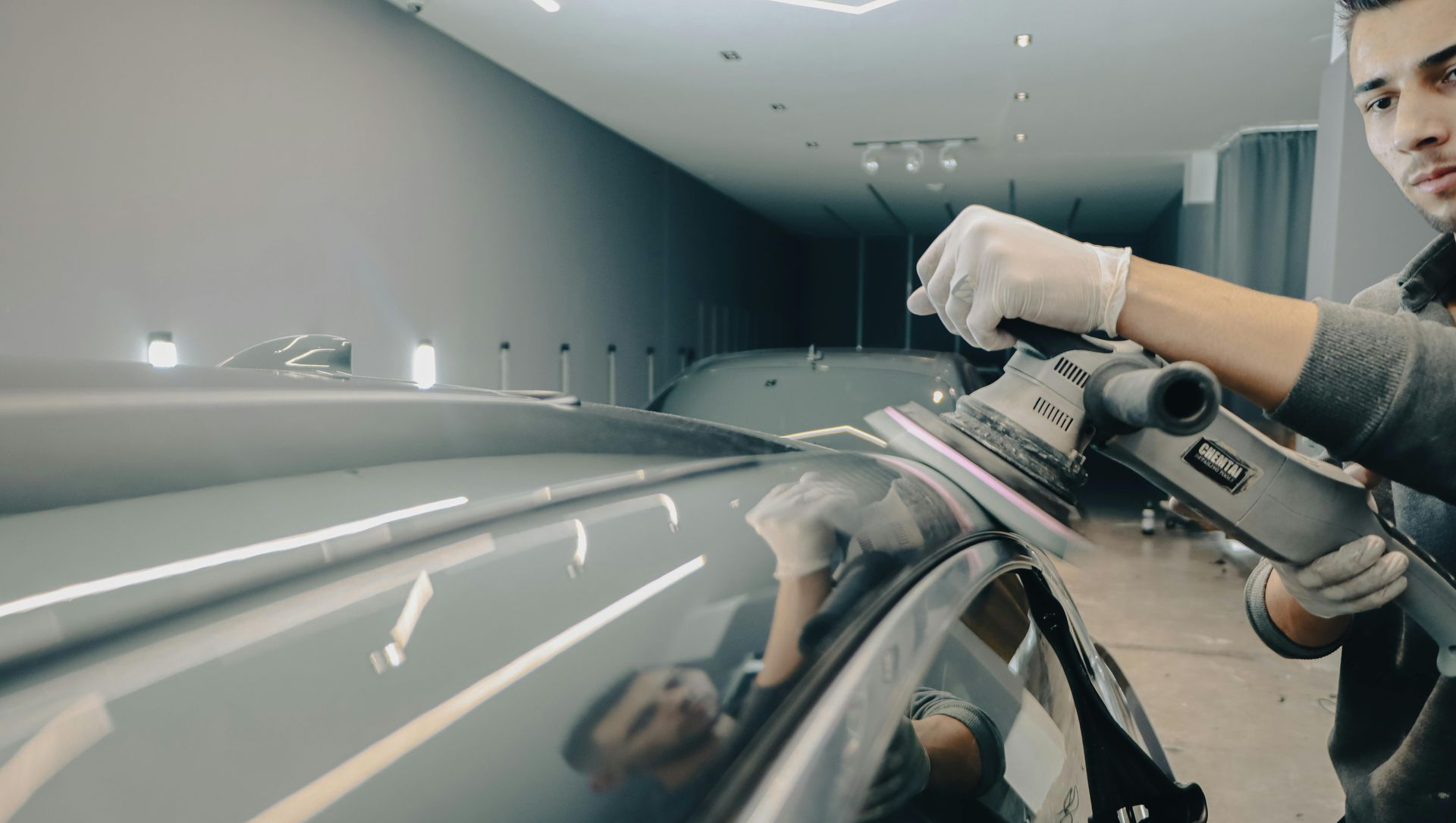
While technology plays a major role in modern paint matching, the skill and experience of the technician remain essential. Mixing paint accurately and applying it properly requires careful attention to detail.
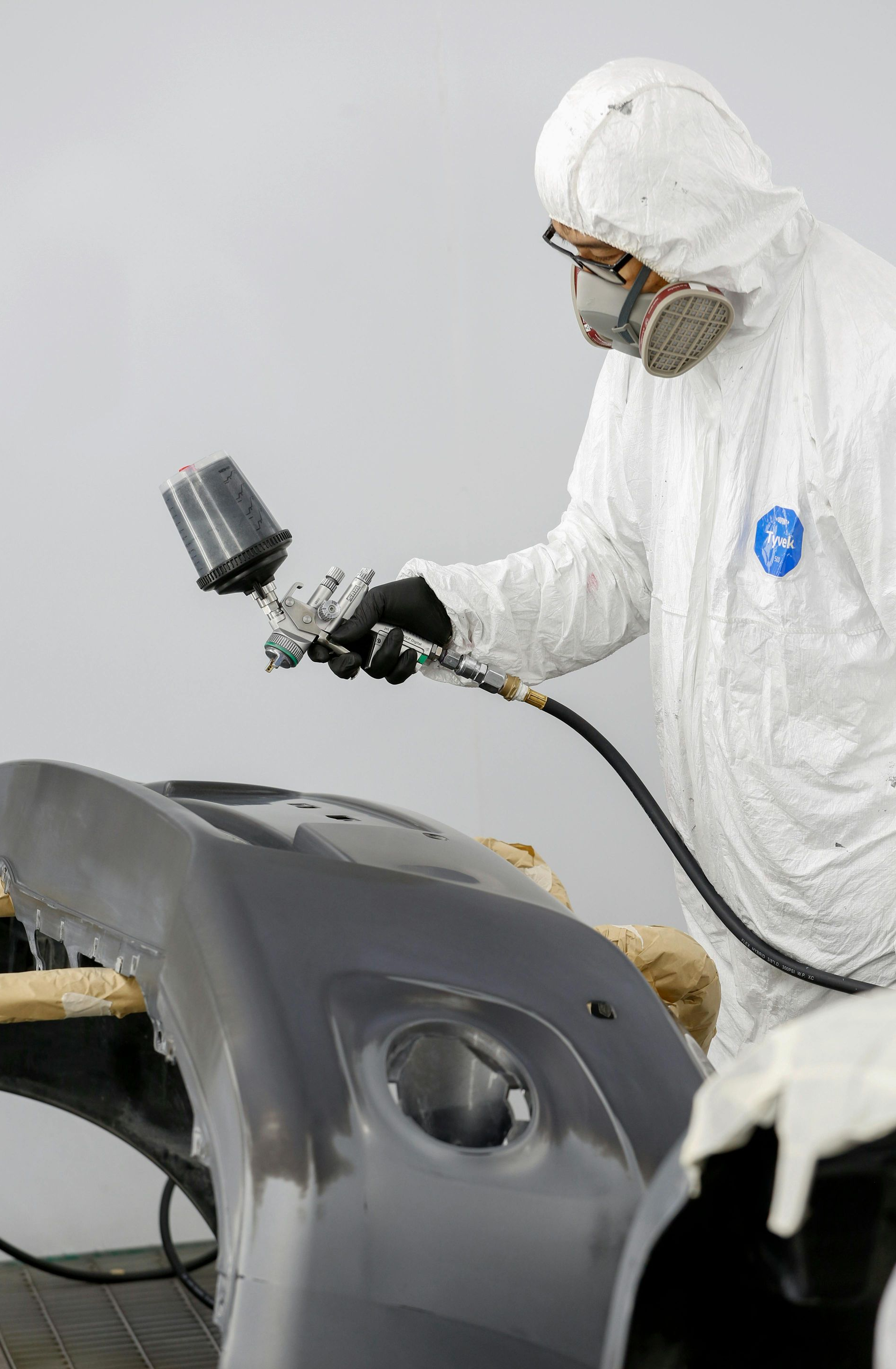
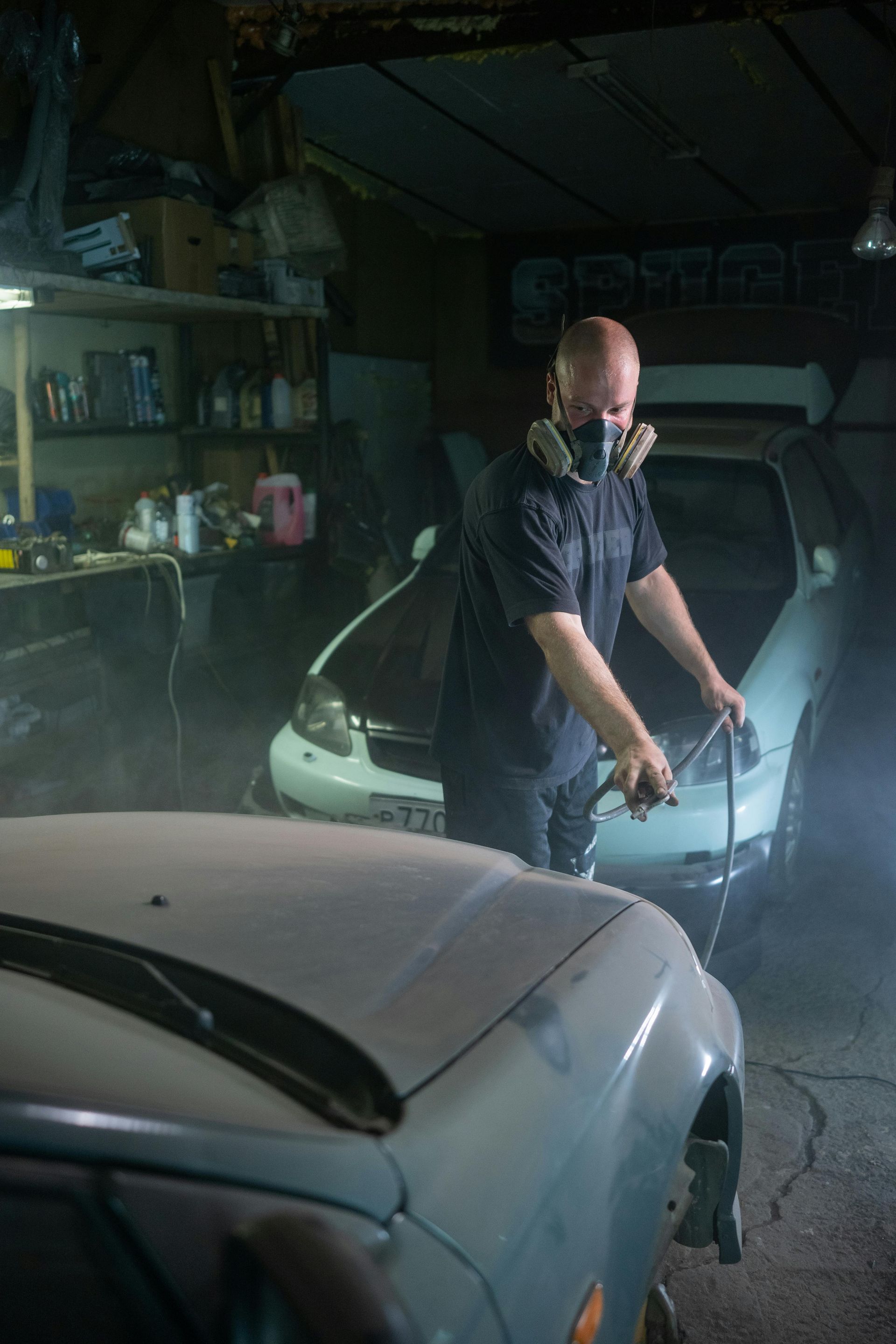
Technicians must prepare the damaged area, apply primer and base coats correctly, and ensure that the new paint blends smoothly with adjacent panels. In many cases, blending techniques are used to transition the new paint gradually into the surrounding areas, making the repair virtually invisible.
Proper curing and finishing processes also contribute to the final appearance of the repair.
Restoring a Vehicle’s Appearance
Accidents and body damage can affect both the appearance and value of a vehicle. Professional collision repair aims not only to restore structural integrity but also to return the vehicle to its original visual condition.
Precise paint matching helps ensure that repaired areas look consistent with the rest of the car. When done correctly, the repair should be difficult to detect even upon close inspection.
This level of quality is especially important for maintaining resale value and preserving the overall aesthetic of the vehicle.
Professional Collision Repair Services
At Dealership Autoplex Collision Center, we use computerized color-matching technology to deliver accurate and reliable paint repairs. Our ASE-certified technicians combine advanced equipment with professional craftsmanship to restore vehicles to their pre-accident appearance.
Whether repairing minor cosmetic damage or completing major collision repairs, our team works carefully to ensure that every detail, including the paint finish, meets the highest standards.
Modern vehicles deserve modern repair solutions. With computerized paint matching and professional auto body expertise, drivers can feel confident that their vehicles will leave the shop looking as good as they did before the damage occurred.