
Fleet Vehicle Repairs: Minimizing Downtime for Local Businesses

March 11, 2026

The Importance of Efficient Commercial Repairs

For businesses that rely on service trucks, delivery vans, or municipal vehicles, downtime is more than an inconvenience. It is lost revenue. Every day a fleet vehicle sits in a repair shop is a day it cannot generate income, serve customers, or support operations.


At Dealership Autoplex Collision Center in Carrollton, Texas, we understand that commercial fleet repairs require speed, precision, and coordination. Minimizing downtime while maintaining quality is essential for local businesses across the DFW Metroplex.
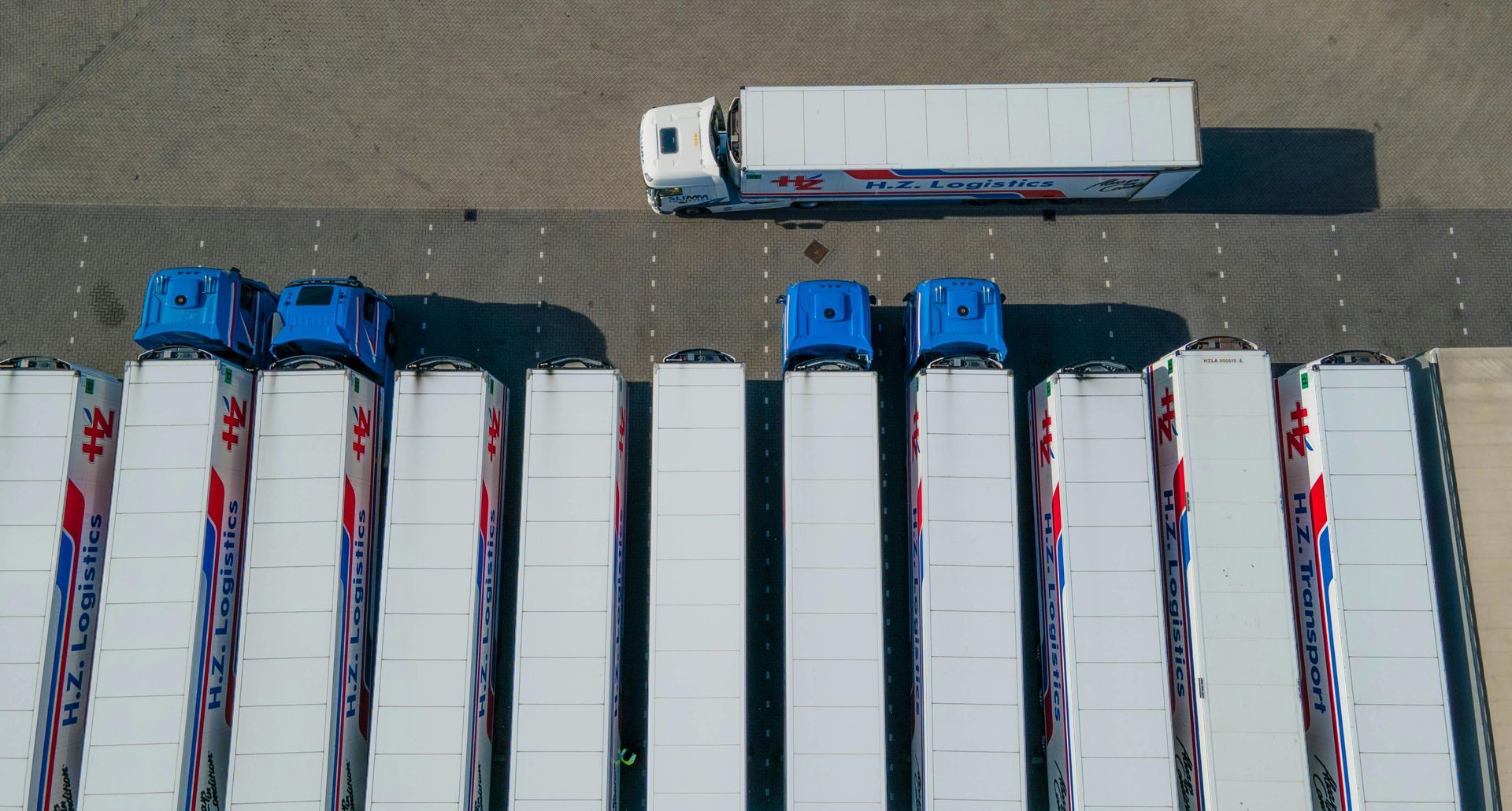
Overhead view of several white semi-truck trailers with blue cabs parked in a lot.

Why Fleet Downtime Is Costly

Downtime is the bane of all productive industries, and this is especially true when it comes to transportation. When a fleet vehicle is out of service, businesses face multiple challenges:

  • Missed appointments
  • Delayed deliveries
  • Increased labor inefficiencies
  • Rental or replacement vehicle expenses
  • Disruption to customer service

For companies operating multiple vehicles, even one unit offline can create scheduling complications. Logistics and projections fall apart quickly when transportation is in limbo. Rapid and organized repair processes are critical.

Cars parked closely together in a large lot, likely for storage or sale.

Managing Insurance and Claims

Accidents involving fleet vehicles frequently require insurance coordination. Navigating paperwork, documentation, and approvals can delay progress if not handled efficiently, especially when dealing with insurance companies that want to settle matters as cheaply as possible.


Dealership Autoplex Collision Center manages the claims process directly with insurance providers. This reduces administrative burden on business owners and keeps repairs moving forward without unnecessary delays.

Yellow taxi cabs driving on a bridge, under metal beams.

Comprehensive Repair Capabilities

Fleet vehicles often experience more than cosmetic damage. High mileage and heavy use mean structural, frame, and suspension components may also require attention.


Our facility offers:

  • Frame straightening and structural repair
  • Paintless dent repair
  • Full refinishing with computerized color matching
  • Glass replacement
  • Wheel repair and powder coating
  • Branding decal removal and replacement

By handling all aspects of repair under one roof, we eliminate the need for multiple vendors and reduce turnaround time. Fewer vendors means that your fleet is back in action as quickly as possible.
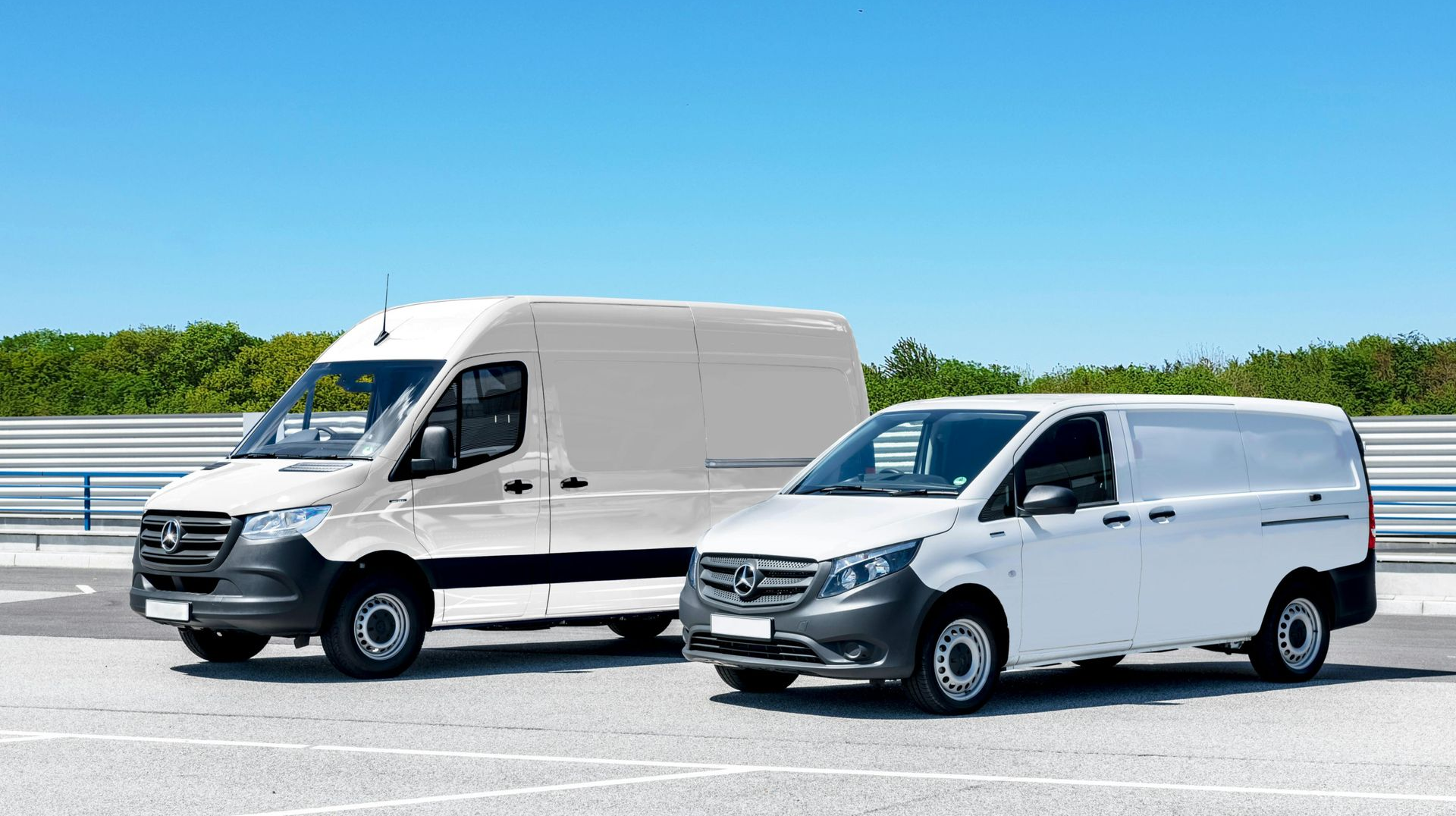
Two white cargo vans parked on a paved lot on a sunny day.

Protecting Brand Image

Commercial vehicles are mobile advertisements. A damaged or poorly repaired vehicle reflects directly on the business it represents. Professional repairs ensure that branding, decals, and paint finishes are restored to a clean, professional standard.


Our team also assists with custom decals, wraps, and color matching to maintain brand consistency across fleet vehicles.


Efficient Workflow Without Sacrificing Quality

Speed is important, but it cannot come at the expense of safety. Proper structural repair and quality refinishing protect both drivers and company liability. Our ASE-certified technicians combine efficiency with precision, ensuring that repairs meet safety standards while staying on schedule.
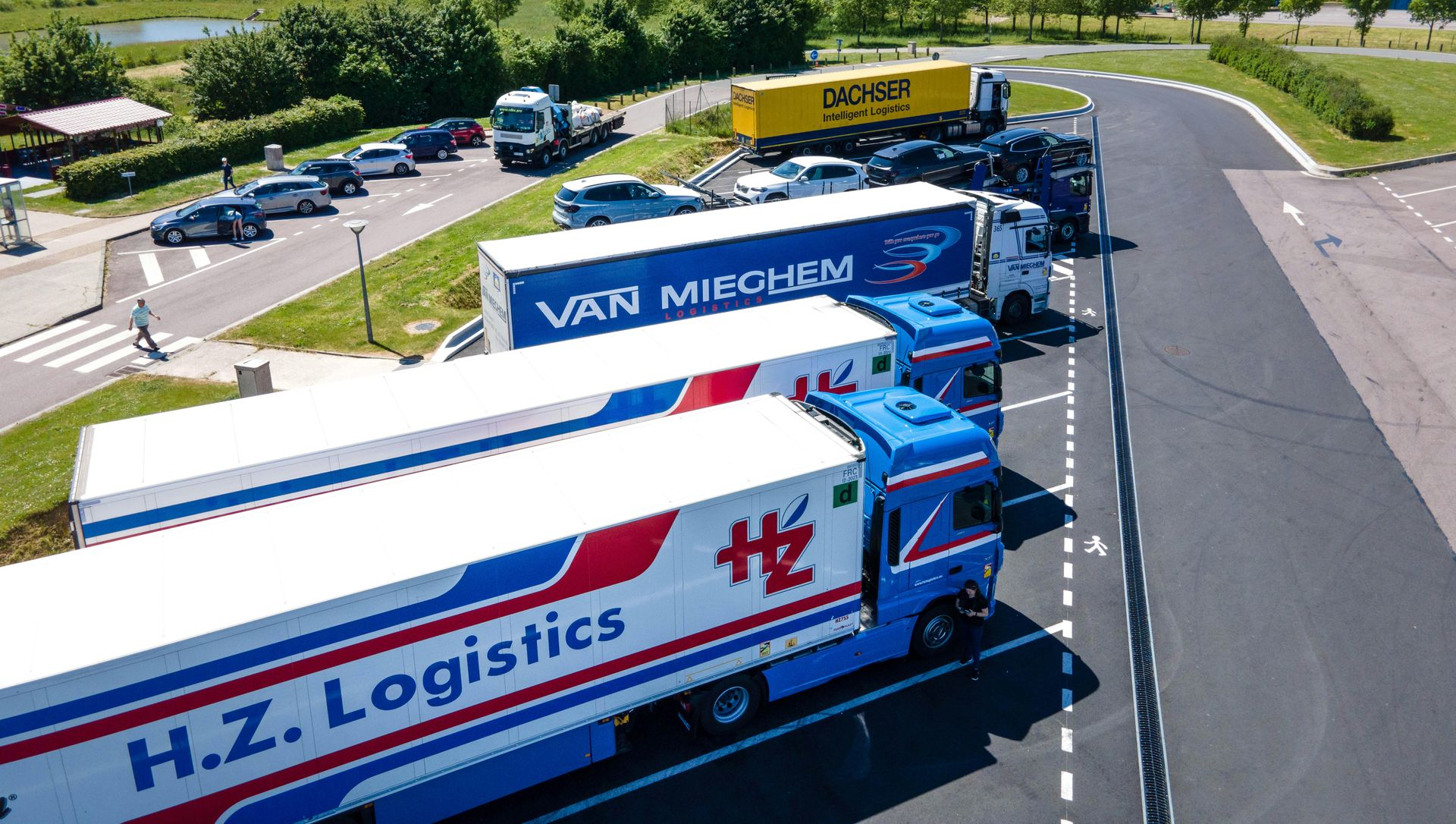
Trucks parked at a rest stop.

Supporting Business Continuity

Fleet operators need a repair partner who understands urgency. By offering same-day estimates, fast scheduling, and organized communication, Dealership Autoplex Collision Center supports business continuity for companies throughout Carrollton and the surrounding DFW communities.


Minimizing downtime is not just about getting vehicles back on the road quickly. It is about delivering reliable repairs that protect safety, preserve brand image, and allow businesses to continue serving their customers without disruption.


For companies that depend on their vehicles every day, choosing the right collision repair partner makes all the difference.

Red car with extensive front-end damage, including deployed airbag, on gravel.
Yellow truck chassis parked in a lot, awaiting bodies.
Overhead view of many blue and white buses parked in neat rows.
Yellow delivery vans parked in a row, taillights visible.
Large lot filled with rows of new cars, mostly white and various colors, parked closely together.
Man in overalls using a grinder on a red car in a garage, sparks flying.
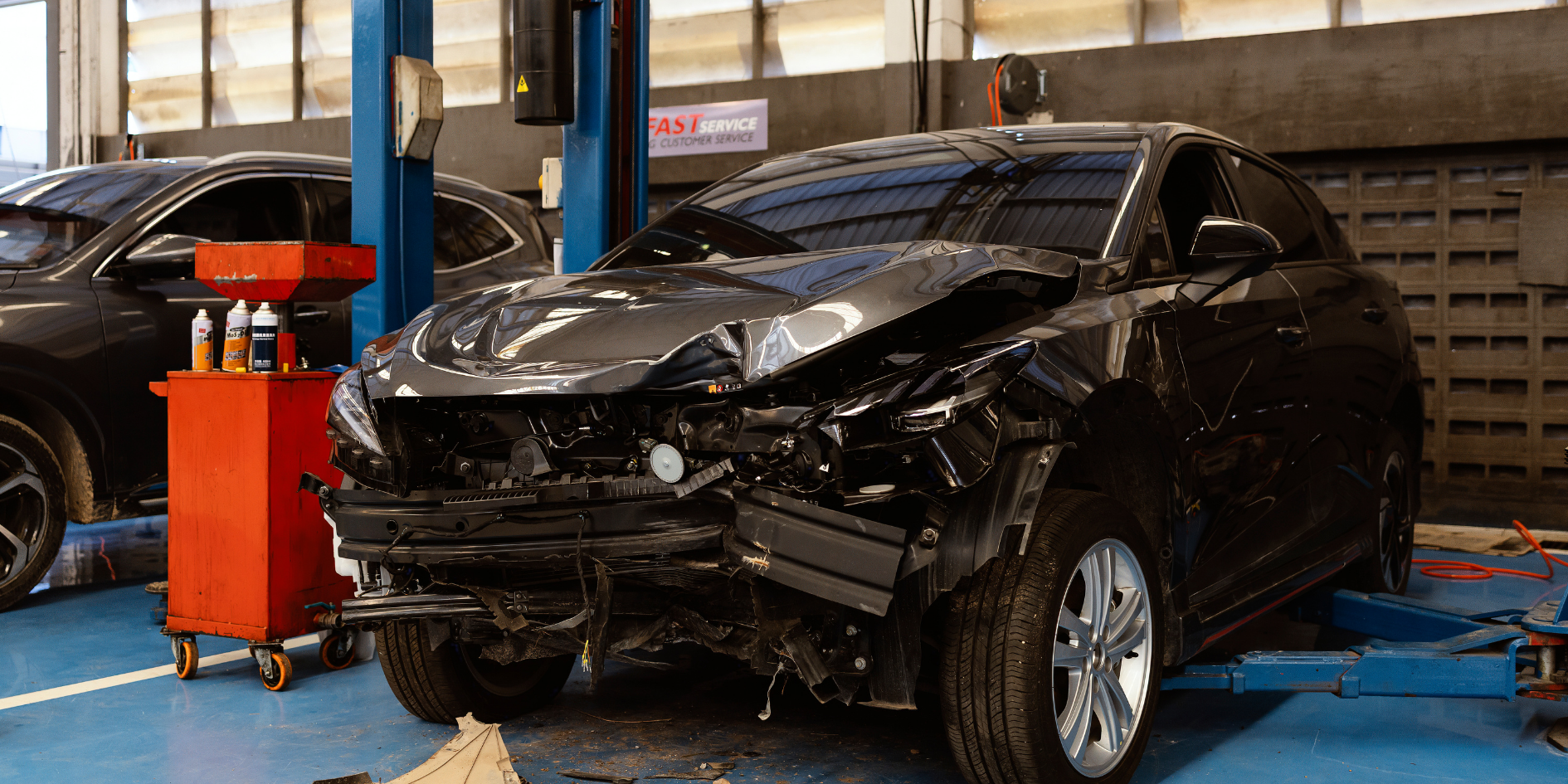
Damaged black SUV in an auto repair shop with the front end crushed and hood bent up.
October 1, 2026
After an accident, the damage you can see isn’t always the only damage your vehicle sustained. A damaged bumper, dented quarter panel, or broken headlight may be obvious, but the impact can also affect structural components underneath the vehicle’s exterior. At Dealership Autoplex Collision Center (DACC) , we believe a proper collision repair is about more than making a vehicle look good again. It’s about identifying and addressing the damage that may be hidden underneath. What Is Structural Damage? Modern vehicles are designed with structural components that help support the vehicle and manage crash forces. Depending on the location and severity of an impact, a collision can potentially affect areas such as: Frame or unibody components Structural rails Suspension mounting points Body alignment Doors and panels Wheel alignment Bumpers and reinforcement components  Even an accident that doesn’t appear severe from the outside can sometimes cause damage behind exterior panels.
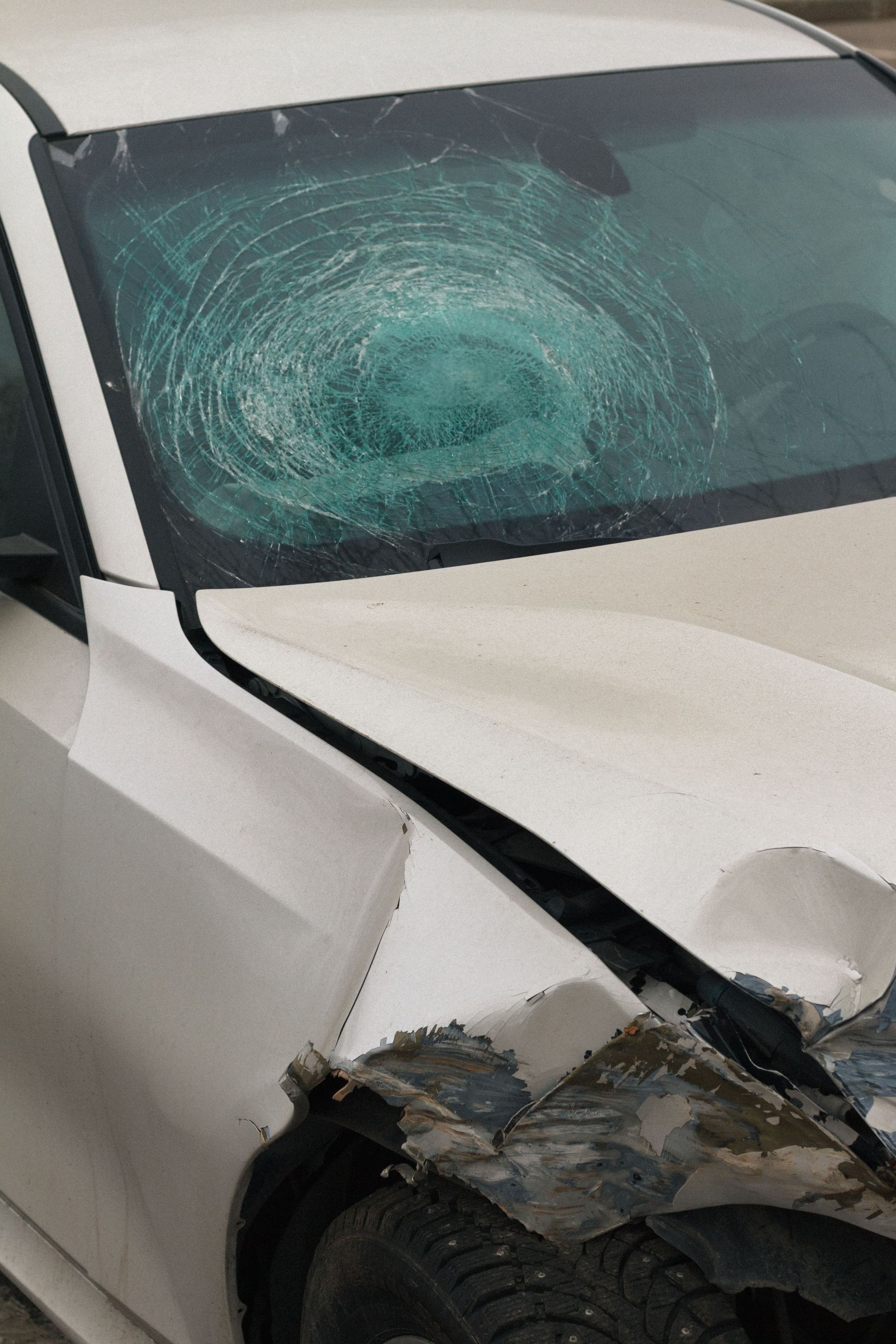
White car with a cracked windshield and heavy damage to the front-left side from a collision
September 29, 2026
After a car accident, there are a lot of decisions to make. Between filing an insurance claim, arranging transportation, and getting your vehicle repaired, the process can quickly become overwhelming. One common question we hear at Dealership Autoplex Collision Center (DACC) is: “Do I have to use the collision repair shop my insurance company recommends?” In Texas, you generally have the right to choose the repair facility you want to handle your vehicle. Your Insurance Company May Recommend a Shop After you file a claim, your insurance company may provide a list of repair facilities or recommend one of its preferred shops. While these recommendations can be convenient, you are not necessarily required to choose a shop simply because it was suggested by the insurance company. Your vehicle is an important investment, and you should feel comfortable with the facility performing the repairs. What Should You Look for in a Collision Repair Shop? When choosing a collision center, consider more than just how quickly the shop can get your vehicle in.  Look for a facility that provides: Experienced collision repair technicians Proper structural and body repairs Professional paint matching and refinishing Clear communication throughout the repair process Assistance working with insurance companies Quality-control inspections before the vehicle is returned Help coordinating rental transportation when needed A quality collision repair should restore more than the appearance of your vehicle. The goal is to properly repair the damage and return the vehicle to you safely and professionally.
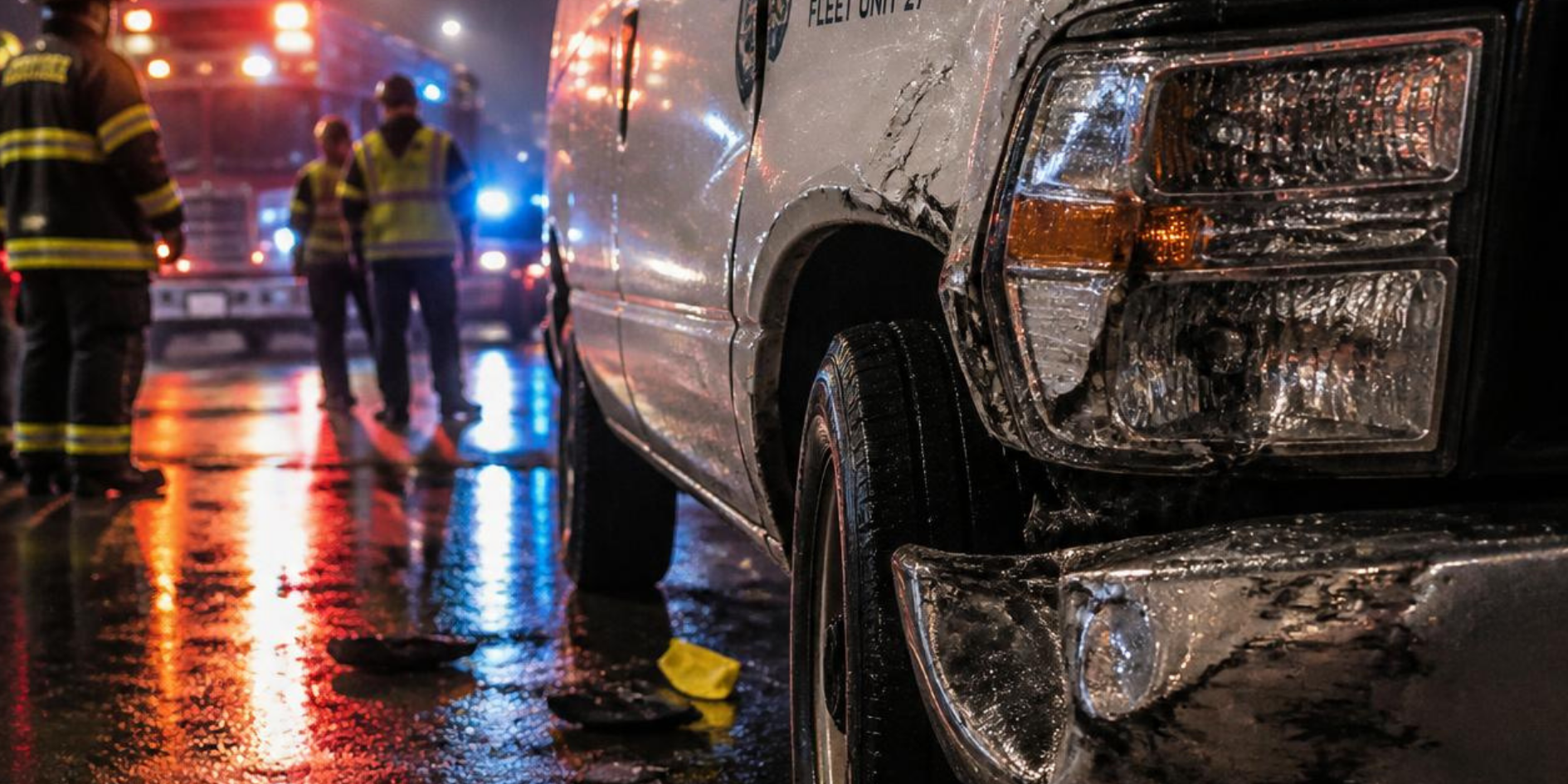
Damaged white vehicle after nighttime crash with firefighters and emergency lights reflected on wet road
September 25, 2026
Today’s vehicles are equipped with more technology than ever before. Cameras, radar sensors, parking sensors, lane-assist systems, and automatic emergency braking can all be affected by a collision—even when the damage appears minor. That’s why modern collision repair involves much more than repairing dents and replacing damaged parts. What Is ADAS? ADAS stands for Advanced Driver Assistance Systems. Depending on your vehicle, these systems may include: Forward collision warning Automatic emergency braking Lane departure warning Lane-keeping assistance Adaptive cruise control Blind-spot monitoring Parking assistance Surround-view or backup cameras  Many of these features rely on cameras and sensors positioned throughout the vehicle.
More Posts