

Demystifying Airbag Systems
October 29, 2023
Air Bags | Vehicle Safety
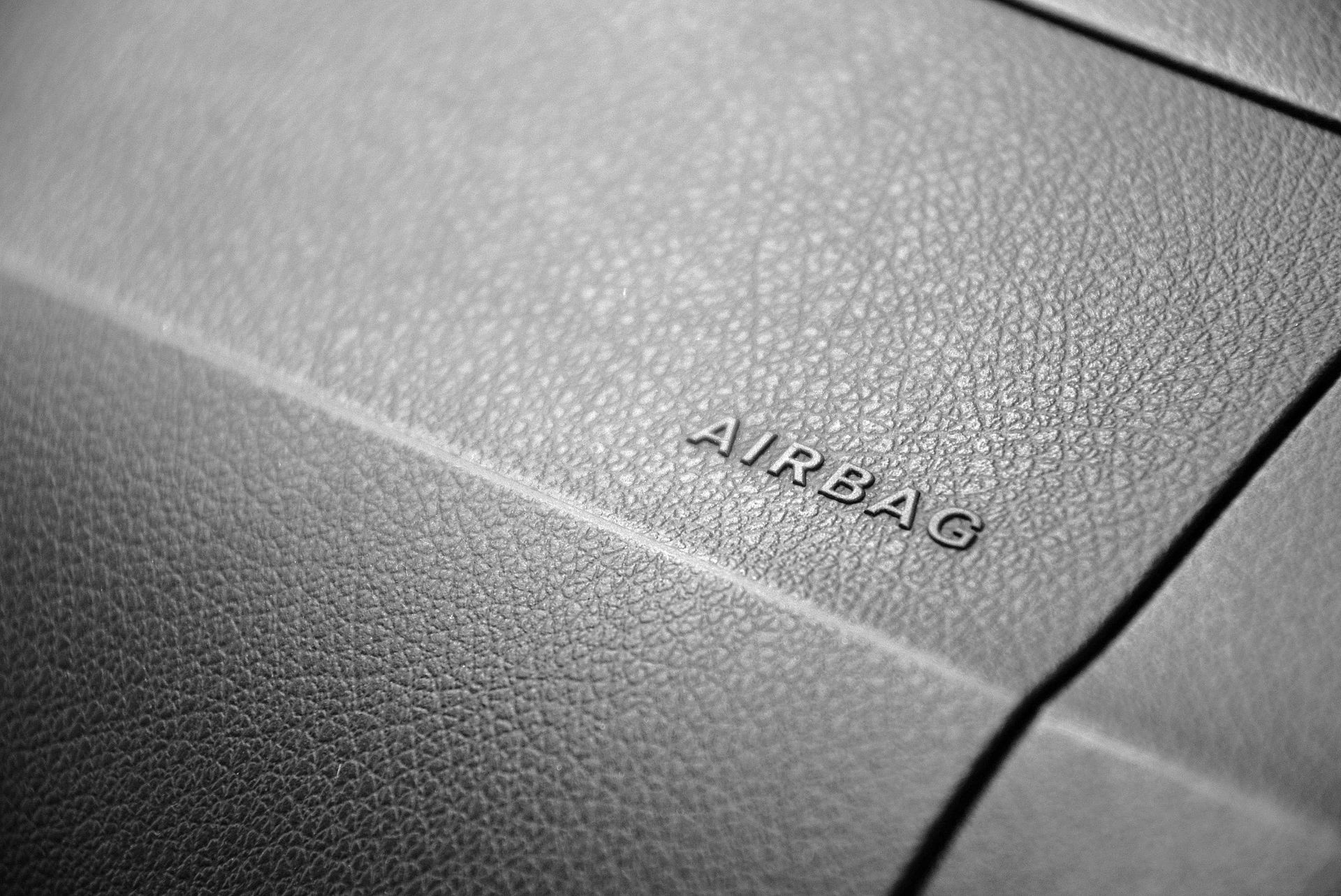
Airbags are a cornerstone of modern vehicle safety, providing crucial protection in the event of a collision.
But how do these life-saving devices work, and what role do they play in keeping drivers and passengers safe?
In this blog post, we'll delve into the intricacies of airbag systems, shedding light on their importance and functionality.
The Evolution of Vehicle Safety :
Vehicle safety has come a long way over the years. Advances in technology have transformed automobiles into safer modes of transportation. One of the most significant developments in this realm is the introduction of airbag systems.
Since their debut in the 1970s, these safety devices have played a pivotal role in reducing the severity of injuries sustained in collisions.
The Basic Principle:
At its core, an airbag is a passive restraint system designed to complement seat belts and protect vehicle occupants in the event of a collision. Airbags are engineered to deploy rapidly upon detecting a collision, creating a cushioning barrier between the occupants and the vehicle's hard surfaces. This action reduces the force with which the occupants impact the dashboard, steering wheel, or windshield.
Types of Airbags:
Frontal Airbags: These are the most common and deploy from the steering wheel and dashboard.
Side-Impact Airbags: These airbags protect against side-impact collisions and deploy from the seat or the door.
Curtain Airbags: Also known as side-curtain airbags, these protect against side-impact and rollover accidents, covering the windows and deploying from the roofline.
Knee Airbags: These airbags protect the driver's knees and legs and deploy from the lower dashboard.
Seatbelt Airbags: Integrated into seatbelts, these provide added protection in a collision.
Airbag Deployment Mechanism:
Airbag systems use sophisticated sensors and control units to determine when and with what force an airbag should deploy. These sensors monitor various parameters, including vehicle speed, deceleration, and impact severity. In the event of a collision, the control unit processes this data and decides whether airbag deployment is necessary. If deployment is warranted, the control unit triggers a chemical reaction in the airbag system, causing the rapid inflation of the airbag.
The Role of Seat Belts:
Airbags and seat belts work in tandem to maximize occupant safety. Seat belts are the primary restraint system, keeping occupants securely in their seats during a collision. Airbags provide an additional layer of protection by mitigating the forces that occupants experience during a crash. Together, they offer comprehensive protection against injury.
Common Myths and Misconceptions:
There are several misconceptions about airbags, such as the belief that airbags can cause injury when deploying. In reality, airbags are designed to reduce injury, not cause it.
Another myth is that airbags can only be used once; in truth, they can be deployed multiple times if necessary. It's important to understand that airbags are a critical safety feature and should not be tampered with or disabled.
Understanding airbag systems is essential for appreciating their crucial role in vehicle safety. These remarkable devices have saved countless lives by mitigating injury in collisions. The coordinated efforts of seat belts and airbags exemplify the strides made in automotive safety, contributing to safer roads for all.
At DACC, our ASE-certified technicians are here to help you with your maintenance needs. Simply give us a call at (972) 242-0092 or come by our location at 2536 Dickerson Parkway Suite 110, Carrollton, Texas 75006
But how do these life-saving devices work, and what role do they play in keeping drivers and passengers safe?
In this blog post, we'll delve into the intricacies of airbag systems, shedding light on their importance and functionality.
The Evolution of Vehicle Safety :
Vehicle safety has come a long way over the years. Advances in technology have transformed automobiles into safer modes of transportation. One of the most significant developments in this realm is the introduction of airbag systems.
Since their debut in the 1970s, these safety devices have played a pivotal role in reducing the severity of injuries sustained in collisions.
The Basic Principle:
At its core, an airbag is a passive restraint system designed to complement seat belts and protect vehicle occupants in the event of a collision. Airbags are engineered to deploy rapidly upon detecting a collision, creating a cushioning barrier between the occupants and the vehicle's hard surfaces. This action reduces the force with which the occupants impact the dashboard, steering wheel, or windshield.
Types of Airbags:
Frontal Airbags: These are the most common and deploy from the steering wheel and dashboard.
Side-Impact Airbags: These airbags protect against side-impact collisions and deploy from the seat or the door.
Curtain Airbags: Also known as side-curtain airbags, these protect against side-impact and rollover accidents, covering the windows and deploying from the roofline.
Knee Airbags: These airbags protect the driver's knees and legs and deploy from the lower dashboard.
Seatbelt Airbags: Integrated into seatbelts, these provide added protection in a collision.
Airbag Deployment Mechanism:
Airbag systems use sophisticated sensors and control units to determine when and with what force an airbag should deploy. These sensors monitor various parameters, including vehicle speed, deceleration, and impact severity. In the event of a collision, the control unit processes this data and decides whether airbag deployment is necessary. If deployment is warranted, the control unit triggers a chemical reaction in the airbag system, causing the rapid inflation of the airbag.
The Role of Seat Belts:
Airbags and seat belts work in tandem to maximize occupant safety. Seat belts are the primary restraint system, keeping occupants securely in their seats during a collision. Airbags provide an additional layer of protection by mitigating the forces that occupants experience during a crash. Together, they offer comprehensive protection against injury.
Common Myths and Misconceptions:
There are several misconceptions about airbags, such as the belief that airbags can cause injury when deploying. In reality, airbags are designed to reduce injury, not cause it.
Another myth is that airbags can only be used once; in truth, they can be deployed multiple times if necessary. It's important to understand that airbags are a critical safety feature and should not be tampered with or disabled.
Understanding airbag systems is essential for appreciating their crucial role in vehicle safety. These remarkable devices have saved countless lives by mitigating injury in collisions. The coordinated efforts of seat belts and airbags exemplify the strides made in automotive safety, contributing to safer roads for all.
At DACC, our ASE-certified technicians are here to help you with your maintenance needs. Simply give us a call at (972) 242-0092 or come by our location at 2536 Dickerson Parkway Suite 110, Carrollton, Texas 75006
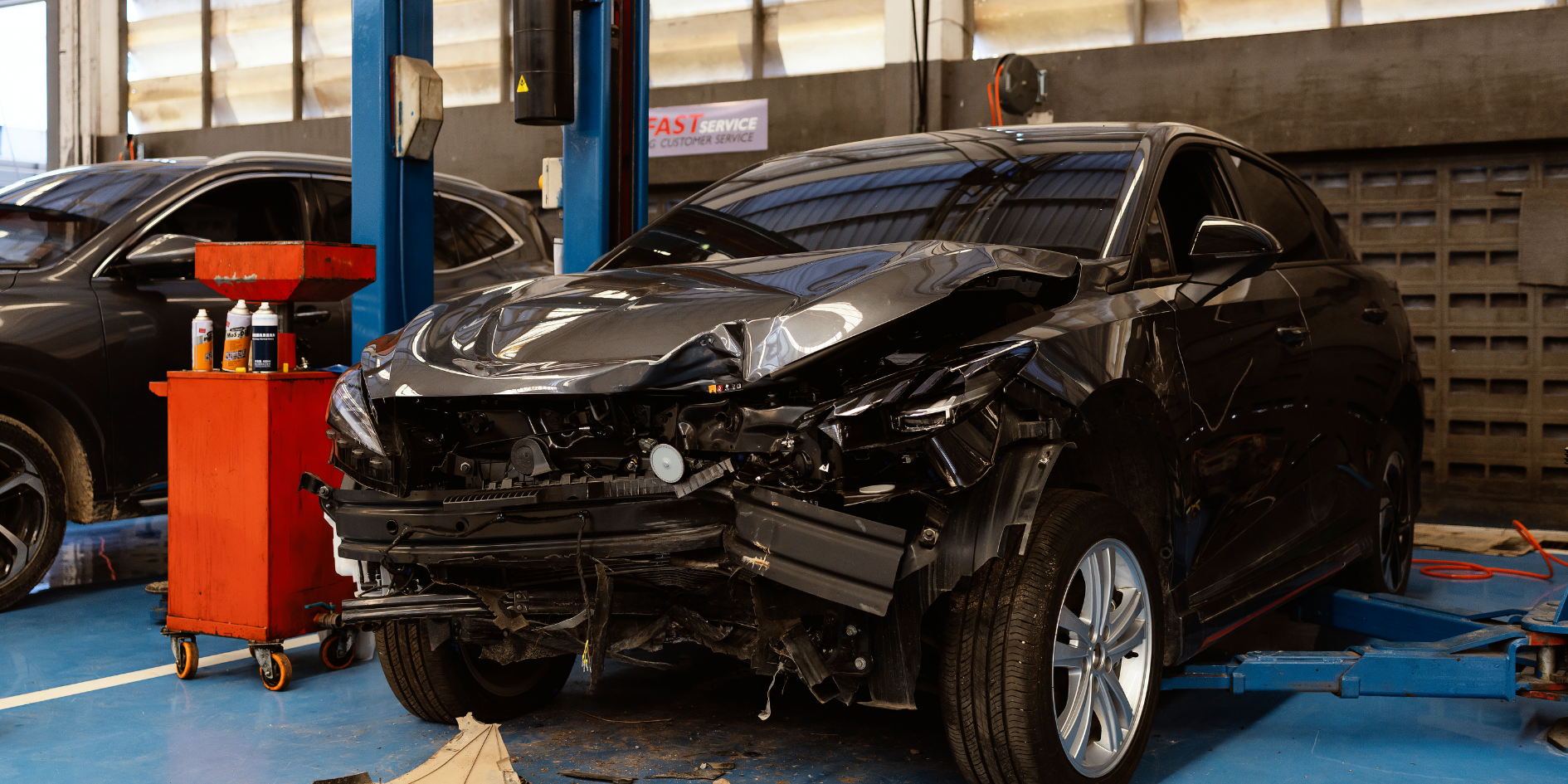
After an accident, the damage you can see isn’t always the only damage your vehicle sustained. A damaged bumper, dented quarter panel, or broken headlight may be obvious, but the impact can also affect structural components underneath the vehicle’s exterior. At Dealership Autoplex Collision Center (DACC) , we believe a proper collision repair is about more than making a vehicle look good again. It’s about identifying and addressing the damage that may be hidden underneath. What Is Structural Damage? Modern vehicles are designed with structural components that help support the vehicle and manage crash forces. Depending on the location and severity of an impact, a collision can potentially affect areas such as: Frame or unibody components Structural rails Suspension mounting points Body alignment Doors and panels Wheel alignment Bumpers and reinforcement components Even an accident that doesn’t appear severe from the outside can sometimes cause damage behind exterior panels.
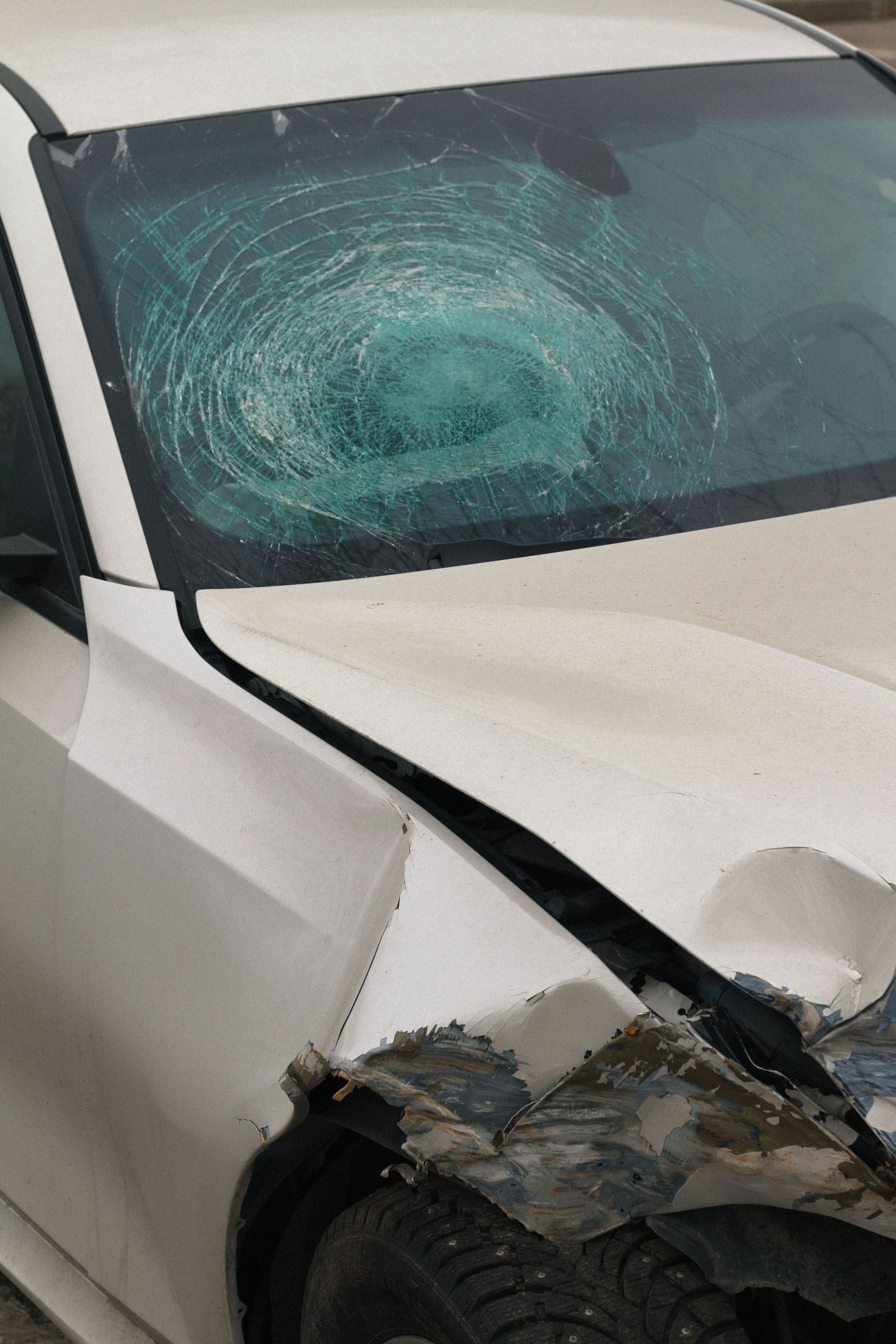
After a car accident, there are a lot of decisions to make. Between filing an insurance claim, arranging transportation, and getting your vehicle repaired, the process can quickly become overwhelming. One common question we hear at Dealership Autoplex Collision Center (DACC) is: “Do I have to use the collision repair shop my insurance company recommends?” In Texas, you generally have the right to choose the repair facility you want to handle your vehicle. Your Insurance Company May Recommend a Shop After you file a claim, your insurance company may provide a list of repair facilities or recommend one of its preferred shops. While these recommendations can be convenient, you are not necessarily required to choose a shop simply because it was suggested by the insurance company. Your vehicle is an important investment, and you should feel comfortable with the facility performing the repairs. What Should You Look for in a Collision Repair Shop? When choosing a collision center, consider more than just how quickly the shop can get your vehicle in. Look for a facility that provides: Experienced collision repair technicians Proper structural and body repairs Professional paint matching and refinishing Clear communication throughout the repair process Assistance working with insurance companies Quality-control inspections before the vehicle is returned Help coordinating rental transportation when needed A quality collision repair should restore more than the appearance of your vehicle. The goal is to properly repair the damage and return the vehicle to you safely and professionally.

Today’s vehicles are equipped with more technology than ever before. Cameras, radar sensors, parking sensors, lane-assist systems, and automatic emergency braking can all be affected by a collision—even when the damage appears minor. That’s why modern collision repair involves much more than repairing dents and replacing damaged parts. What Is ADAS? ADAS stands for Advanced Driver Assistance Systems. Depending on your vehicle, these systems may include: Forward collision warning Automatic emergency braking Lane departure warning Lane-keeping assistance Adaptive cruise control Blind-spot monitoring Parking assistance Surround-view or backup cameras Many of these features rely on cameras and sensors positioned throughout the vehicle.