

Elevate or Lower
December 18, 2023
The Ins and Outs of Installing Lift and Lowering Kits for Vehicles
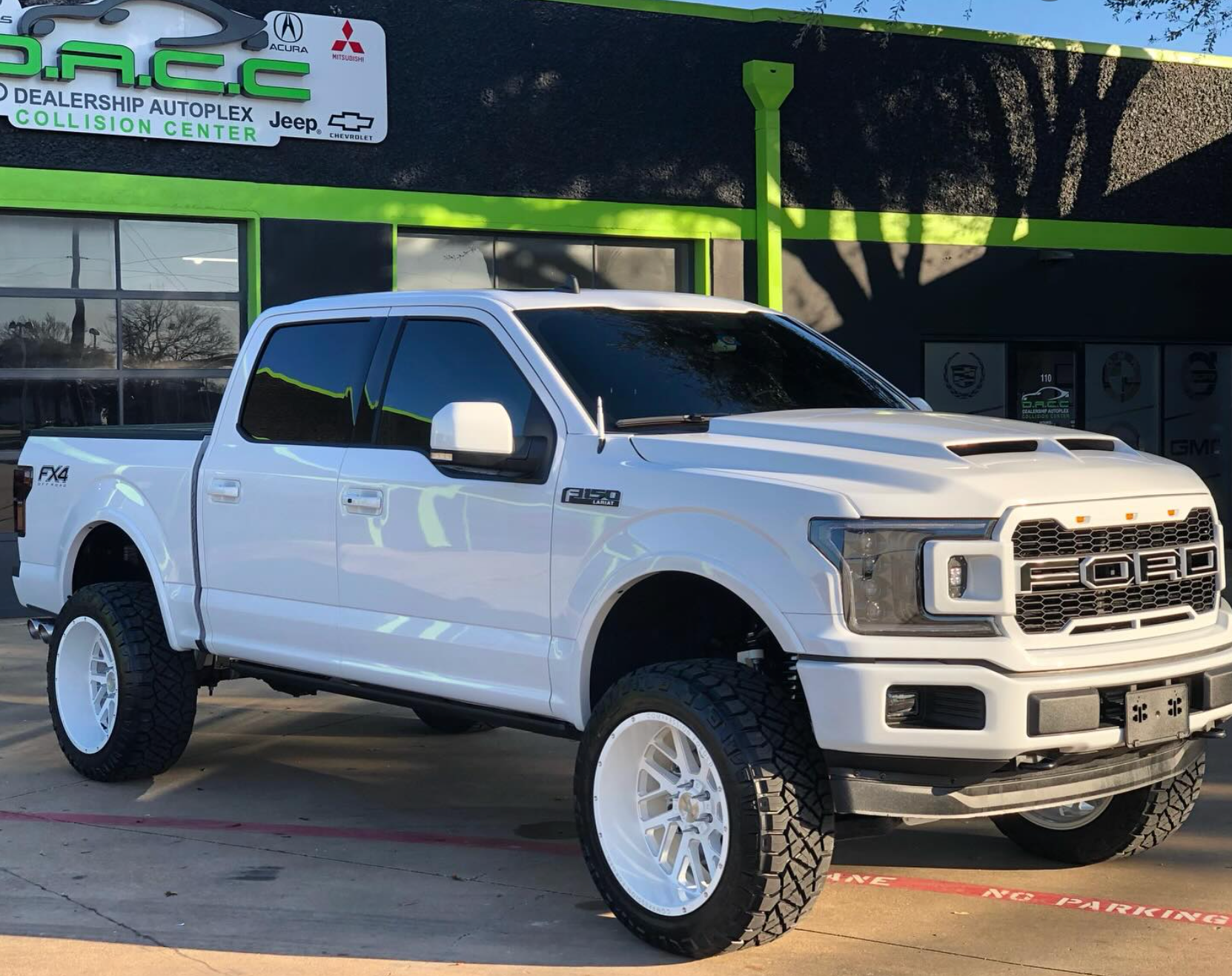
Customizing your vehicle is a personal expression of style and functionality.
When it comes to altering the height of your ride, the decision often boils down to installing lifts or lowering kits.
In this blog post, we'll explore the intricacies of both, shedding light on the processes, benefits, and considerations of elevating or lowering your vehicle.
Lifts: Reaching New Heights:
Lift kits are modifications designed to elevate a vehicle's ride height, providing increased ground clearance. There are various types of lift kits, including body lifts, leveling kits, and suspension lifts. Body lifts separate the body from the frame, while leveling kits raise the front of the vehicle to align with the rear. Suspension lifts, the most comprehensive, involve replacing or modifying suspension components to achieve greater height. Lifted vehicles are popular among off-road enthusiasts, as the added clearance allows for better navigation over rough terrain and larger tires.
Considerations for Lift Kits:
Lowering Kits: Closer to the Ground:
Conversely, lowering kits are modifications aimed at reducing a vehicle's ride height, providing a sleek and sporty aesthetic. Lowering can be achieved through modifications to the suspension, including shorter springs, coil overs, or altered control arms. This customization often appeals to those looking for improved handling and a more aggressive appearance. Lowered cars generally exhibit enhanced aerodynamics, which can contribute to fuel efficiency.
Considerations for Lowering Kits:
Both lift and lowering kits require careful installation to ensure optimal performance and safety. Professional installation is recommended for those without extensive automotive expertise. Lift kits involve more intricate modifications to the suspension system, often requiring specialized tools. Lowering kits may involve removing or replacing springs, shocks, or control arms. A precise installation process is crucial to maintaining the vehicle's structural integrity and handling characteristics. Pros and Cons of Lifts and Lowering Kits:
Whether you're aiming for off-road adventures or a sleek street look, the decision to install lift or lowering kits depends on your driving preferences and lifestyle. Both options offer unique benefits and considerations, providing a customized driving experience that reflects your individual style and needs.
Please call us at 972-242-0092 or come by our location at 2536 Dickerson Parkway, Suite 110, Carrollton, Texas, and we would be happy to help you with your automotive needs.
When it comes to altering the height of your ride, the decision often boils down to installing lifts or lowering kits.
In this blog post, we'll explore the intricacies of both, shedding light on the processes, benefits, and considerations of elevating or lowering your vehicle.
Lifts: Reaching New Heights:
Lift kits are modifications designed to elevate a vehicle's ride height, providing increased ground clearance. There are various types of lift kits, including body lifts, leveling kits, and suspension lifts. Body lifts separate the body from the frame, while leveling kits raise the front of the vehicle to align with the rear. Suspension lifts, the most comprehensive, involve replacing or modifying suspension components to achieve greater height. Lifted vehicles are popular among off-road enthusiasts, as the added clearance allows for better navigation over rough terrain and larger tires.
Considerations for Lift Kits:
- Intended Use: Consider the primary purpose of your vehicle. If off-roading is a frequent activity, a suspension lift might be the most suitable option.
- Legalities: Be aware of local regulations regarding lift heights, as exceeding legal limits can result in fines or restrictions.
- Tire Size: Lifts often accommodate larger tires, enhancing off-road capability, but ensure they fit within the wheel wells without rubbing.
Lowering Kits: Closer to the Ground:
Conversely, lowering kits are modifications aimed at reducing a vehicle's ride height, providing a sleek and sporty aesthetic. Lowering can be achieved through modifications to the suspension, including shorter springs, coil overs, or altered control arms. This customization often appeals to those looking for improved handling and a more aggressive appearance. Lowered cars generally exhibit enhanced aerodynamics, which can contribute to fuel efficiency.
Considerations for Lowering Kits:
- Ride Comfort: Lowered vehicles may experience a firmer ride due to reduced suspension travel.
- Alignment: Lowering alters the vehicle's alignment, necessitating adjustments to prevent uneven tire wear.
- Driveways and Speed Bumps: Be mindful of potential ground clearance issues, especially when navigating steep driveways or speed bumps.
Both lift and lowering kits require careful installation to ensure optimal performance and safety. Professional installation is recommended for those without extensive automotive expertise. Lift kits involve more intricate modifications to the suspension system, often requiring specialized tools. Lowering kits may involve removing or replacing springs, shocks, or control arms. A precise installation process is crucial to maintaining the vehicle's structural integrity and handling characteristics. Pros and Cons of Lifts and Lowering Kits:
- Lift Kits:
- Pros: Improved off-road capability, larger tire options, increased ground clearance.
- Cons: Potential for a higher center of gravity, reduced fuel efficiency, legal restrictions.
- Lowering Kits:
- Pros: Enhanced handling, improved aerodynamics, a sportier appearance.
- Cons: Firmer ride, potential ground clearance issues, altered alignment.
Whether you're aiming for off-road adventures or a sleek street look, the decision to install lift or lowering kits depends on your driving preferences and lifestyle. Both options offer unique benefits and considerations, providing a customized driving experience that reflects your individual style and needs.
Please call us at 972-242-0092 or come by our location at 2536 Dickerson Parkway, Suite 110, Carrollton, Texas, and we would be happy to help you with your automotive needs.
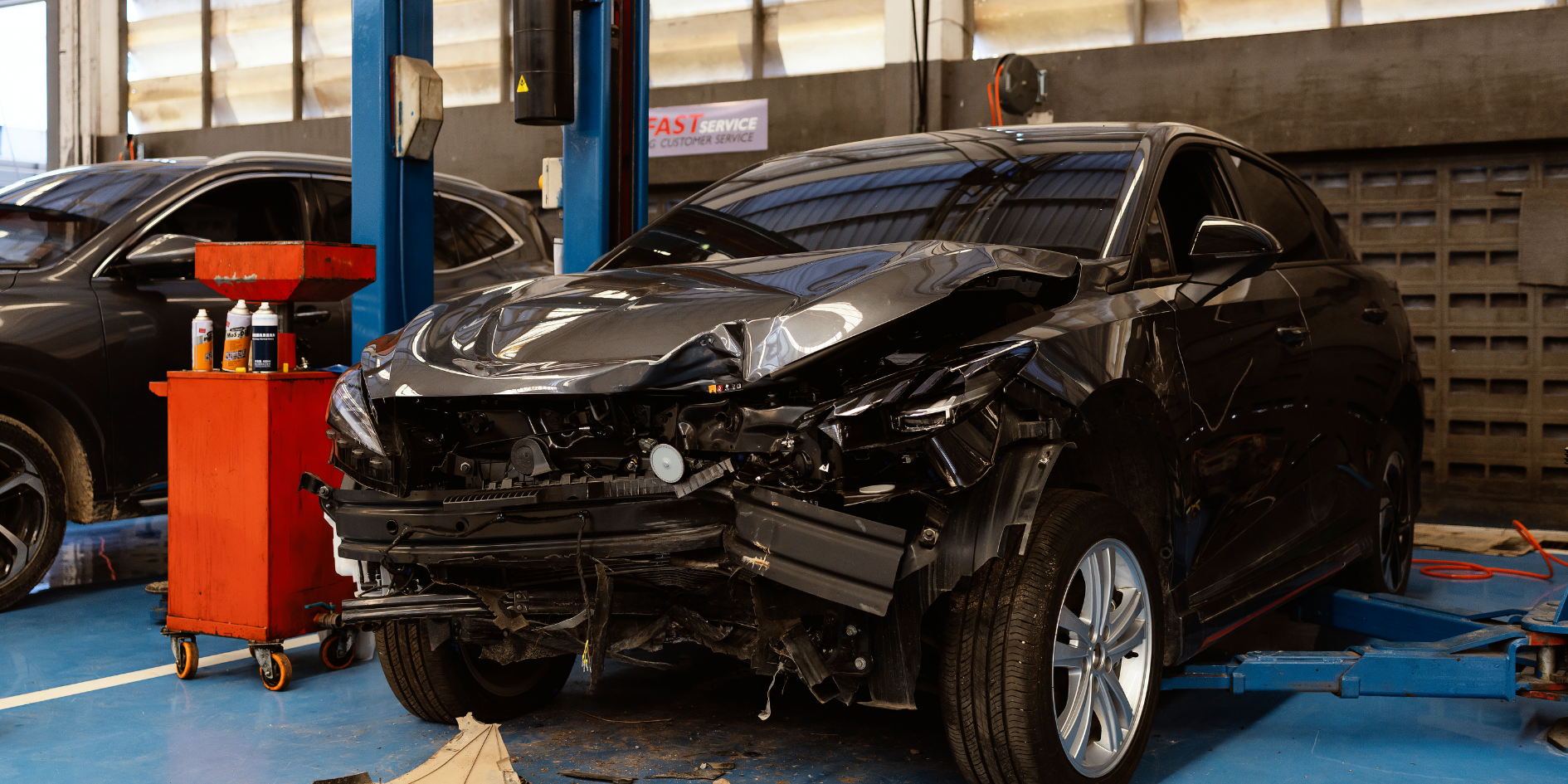
After an accident, the damage you can see isn’t always the only damage your vehicle sustained. A damaged bumper, dented quarter panel, or broken headlight may be obvious, but the impact can also affect structural components underneath the vehicle’s exterior. At Dealership Autoplex Collision Center (DACC) , we believe a proper collision repair is about more than making a vehicle look good again. It’s about identifying and addressing the damage that may be hidden underneath. What Is Structural Damage? Modern vehicles are designed with structural components that help support the vehicle and manage crash forces. Depending on the location and severity of an impact, a collision can potentially affect areas such as: Frame or unibody components Structural rails Suspension mounting points Body alignment Doors and panels Wheel alignment Bumpers and reinforcement components Even an accident that doesn’t appear severe from the outside can sometimes cause damage behind exterior panels.
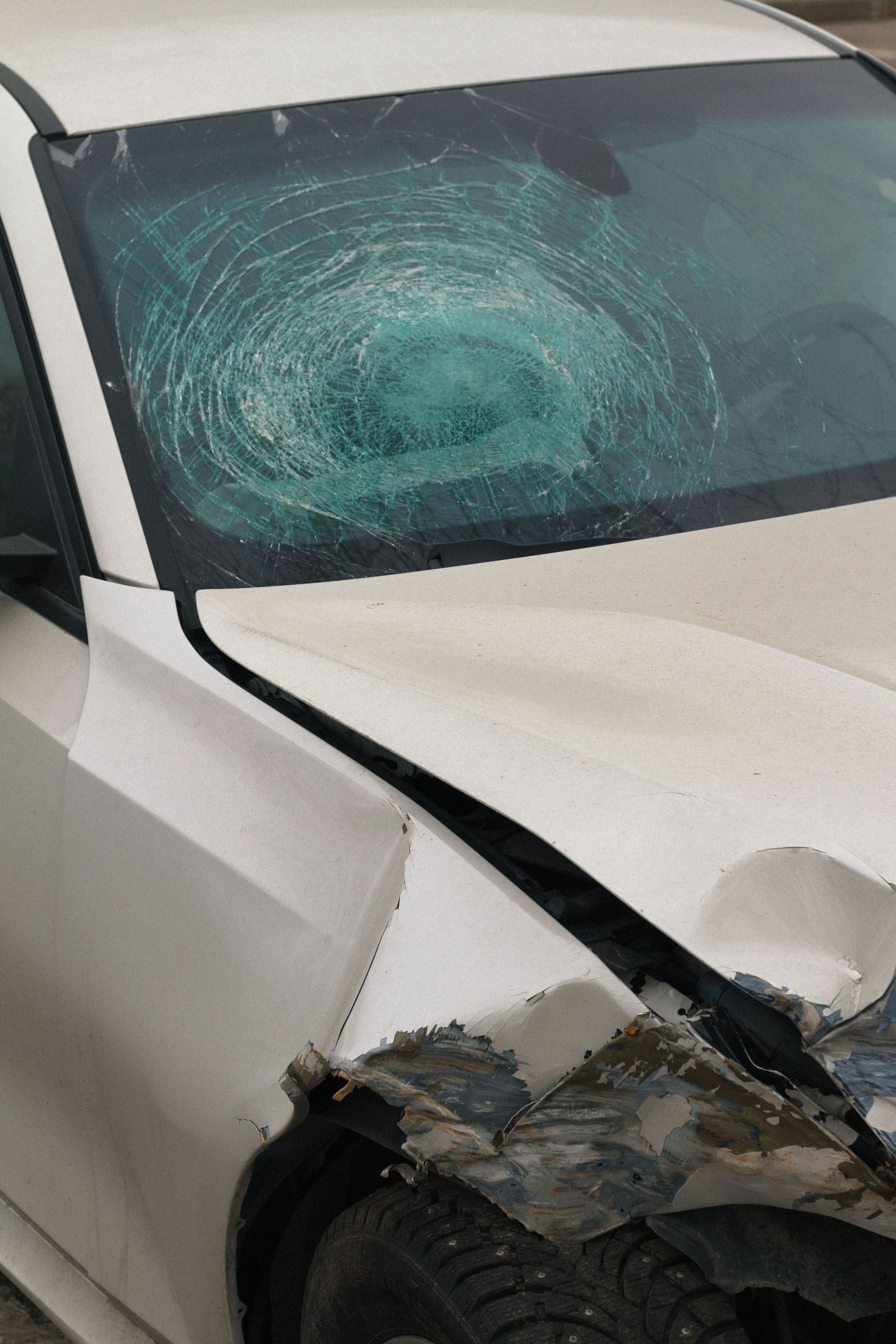
After a car accident, there are a lot of decisions to make. Between filing an insurance claim, arranging transportation, and getting your vehicle repaired, the process can quickly become overwhelming. One common question we hear at Dealership Autoplex Collision Center (DACC) is: “Do I have to use the collision repair shop my insurance company recommends?” In Texas, you generally have the right to choose the repair facility you want to handle your vehicle. Your Insurance Company May Recommend a Shop After you file a claim, your insurance company may provide a list of repair facilities or recommend one of its preferred shops. While these recommendations can be convenient, you are not necessarily required to choose a shop simply because it was suggested by the insurance company. Your vehicle is an important investment, and you should feel comfortable with the facility performing the repairs. What Should You Look for in a Collision Repair Shop? When choosing a collision center, consider more than just how quickly the shop can get your vehicle in. Look for a facility that provides: Experienced collision repair technicians Proper structural and body repairs Professional paint matching and refinishing Clear communication throughout the repair process Assistance working with insurance companies Quality-control inspections before the vehicle is returned Help coordinating rental transportation when needed A quality collision repair should restore more than the appearance of your vehicle. The goal is to properly repair the damage and return the vehicle to you safely and professionally.

Today’s vehicles are equipped with more technology than ever before. Cameras, radar sensors, parking sensors, lane-assist systems, and automatic emergency braking can all be affected by a collision—even when the damage appears minor. That’s why modern collision repair involves much more than repairing dents and replacing damaged parts. What Is ADAS? ADAS stands for Advanced Driver Assistance Systems. Depending on your vehicle, these systems may include: Forward collision warning Automatic emergency braking Lane departure warning Lane-keeping assistance Adaptive cruise control Blind-spot monitoring Parking assistance Surround-view or backup cameras Many of these features rely on cameras and sensors positioned throughout the vehicle.