

How Hail Damage Repair Works in North Texas
Paintless Dent Repair vs. Conventional Body Work
Hailstorms are a familiar reality for drivers in Carrollton and throughout the Dallas–Fort Worth Metroplex. Sudden, severe weather can leave vehicles covered in dents within minutes. While some hail damage appears cosmetic at first glance, it can affect a vehicle’s structural panels, paint finish, and long-term value if not properly addressed. Understanding how hail damage repair works helps drivers make informed decisions about protecting their vehicles.
At Dealership Autoplex Collision Center, we regularly assist North Texas drivers with both paintless dent repair and conventional body repair following hail events. Each repair approach serves a specific purpose depending on the severity and location of the damage.

Assessing the Extent of the Damage
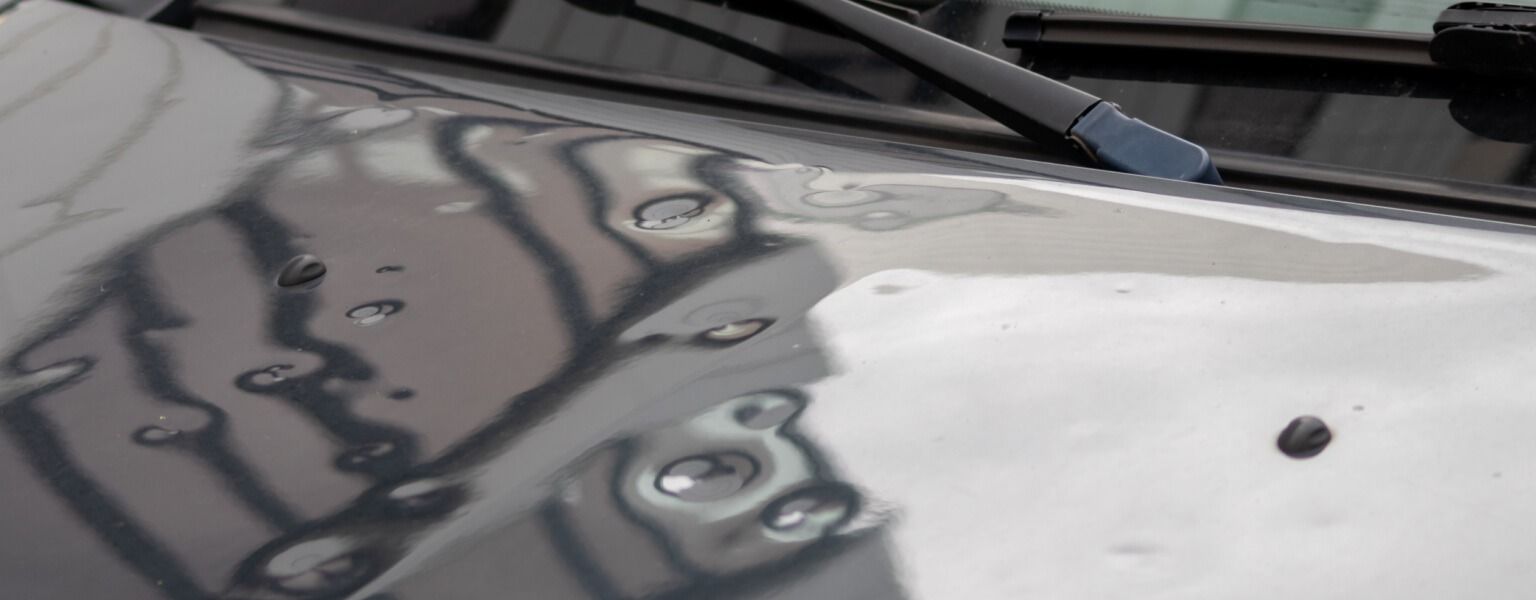
The first step in hail damage repair is a comprehensive inspection. Hail can impact roofs, hoods, trunks, quarter panels, and even side pillars. While dents may be visible, underlying paint fractures or panel distortions are not always immediately obvious.
During an evaluation, trained technicians assess dent size, depth, paint integrity, and panel accessibility. This inspection determines whether the vehicle qualifies for paintless dent repair or requires traditional body work. Same-day, walk-in estimates allow vehicle owners to understand the scope of repairs before committing to a service plan.

Paintless Dent Repair: Preserving the Factory Finish
Paintless Dent Repair, commonly referred to as PDR, is often the preferred method for light to moderate hail damage. This technique involves carefully massaging dents from the underside of the panel using specialized tools. The process reshapes the metal without sanding, filling, or repainting.
One of the primary benefits of PDR is that it preserves the original factory finish. Because no paint is disturbed, there is no risk of color mismatch. The process is also faster and typically more cost-effective than conventional repairs. For vehicles with intact paint and accessible dents, PDR offers an efficient solution that restores appearance while maintaining original value.
Insurance providers frequently approve PDR for qualifying hail claims because it avoids unnecessary refinishing and reduces overall repair time.
Conventional Body Repair for Severe Damage
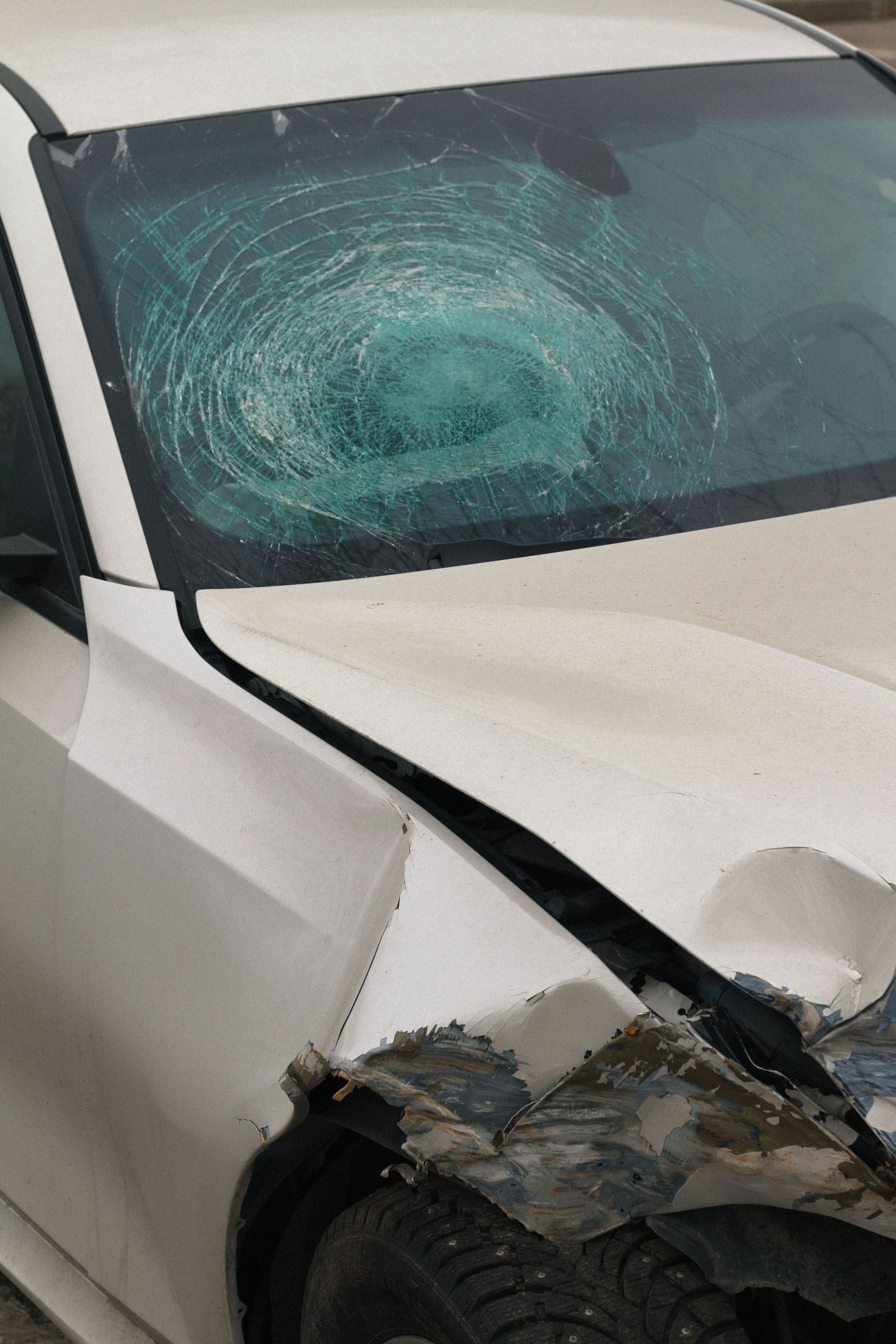
Not all hail damage can be resolved with paintless techniques. If dents are deep, located along panel edges, or accompanied by chipped or cracked paint, conventional repair may be necessary. This method involves sanding, applying filler when appropriate, refinishing panels, and ensuring precise color matching.
Computerized color-matching technology allows technicians to blend new paint seamlessly with existing panels. When performed correctly, refinishing restores the vehicle’s appearance to pre-storm condition.
In some cases, panel replacement may be required if damage compromises structural integrity. Professional assessment ensures that repairs meet safety standards and manufacturer specifications.
Working With Insurance After a Hailstorm
Hail damage claims are common in Texas. Navigating insurance documentation can feel overwhelming after a major storm. Dealership Autoplex Collision Center works directly with all insurance providers to streamline the claims process.
Technicians document damage thoroughly and coordinate with adjusters to ensure accurate coverage. This collaboration minimizes delays and reduces stress for vehicle owners. Rental assistance or shuttle services may also be arranged during the repair period.

Protecting Long-Term Vehicle Value
Even minor dents can impact resale value if left unrepaired. Visible hail damage signals neglect to potential buyers and may reduce trade-in offers. Prompt repair preserves exterior integrity and protects the vehicle’s market appeal. Additionally, untreated dents can allow moisture intrusion if paint integrity is compromised. Addressing hail damage quickly prevents corrosion and long-term deterioration.
Restoring Confidence After the Storm
North Texas weather can be unpredictable, but professional repair ensures that hail damage does not become a permanent concern. Whether through paintless dent repair or conventional body work, proper restoration protects both appearance and structural integrity.
Dealership Autoplex Collision Center combines ASE-certified expertise, advanced repair equipment, and insurance coordination to deliver reliable results. When hail strikes in Carrollton or the greater DFW Metroplex, restoring your vehicle promptly and professionally ensures you return to the road with confidence.