

Paintless Dent Repair: The Art of Restoring Your Vehicle's Perfection
December 10, 2024
Paintless Dent Repair | PDR
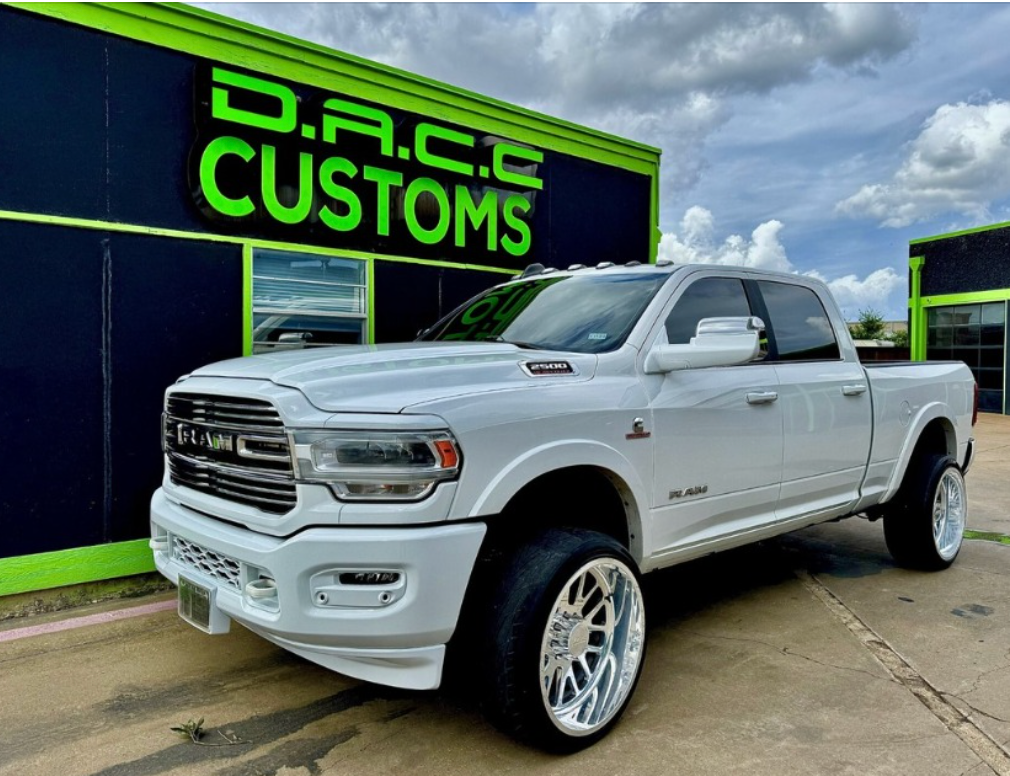
At Dealership Autoplex Collision Center, we pride ourselves on offering cutting-edge auto body repair services to our discerning clientele. Among our most innovative and sought-after techniques is Paintless Dent Repair (PDR), a method that has revolutionized the way we approach minor dents and dings on vehicles.
The Science Behind PDR Paintless Dent Repair is a sophisticated technique that leverages the "memory" of your vehicle's metal panels. When a dent occurs, the metal is displaced but not permanently damaged. Our highly skilled technicians use specialized tools to carefully manipulate the metal back to its original shape, effectively erasing the dent without compromising your car's factory finish.
Why Choose PDR?
Cost-Effective : PDR is typically more affordable than traditional dent repair methods, as it doesn't require new parts or paint.
Time-Efficient : In most cases, PDR can be completed in a day or less, getting you back on the road quickly.
Preserves Original Finish : By avoiding repainting, PDR maintains your vehicle's original factory finish, which is crucial for maintaining its value.
Environmentally Friendly : With no need for paint or fillers, PDR is a more eco-conscious choice for minor repairs.
The PDR Process at Dealership Autoplex Collision Center
Assessment : Our expert technicians carefully evaluate the damage to determine if PDR is the best solution for your vehicle.
Accessing the Dent : We use specialized tools to reach behind the dented panel, gaining access to the backside of the damaged area.
Precision Repair : Using a combination of pressure and specialized tools, our technicians skillfully massage the dent from the inside out, gradually restoring the panel to its original contour.
Quality Control : We use advanced LED lighting to ensure every imperfection is addressed, leaving your vehicle's surface flawless.
When is PDR the Right Choice?
PDR is ideal for:
Hail damage repair Door dings Minor creases Small dents from parking lot incidents
However, it's important to note that PDR may not be suitable for all types of damage. Severe dents, damage with paint cracks, or dents on areas with previous repairs might require alternative methods.
The Dealership Autoplex Collision Center Difference At Dealership Autoplex Collision Center, we combine the art of PDR with state-of-the-art technology and unparalleled expertise. Our ASE-certified technicians are trained in the latest PDR techniques, ensuring your vehicle receives the highest quality care.
We understand that your car is more than just a mode of transportation—it's an extension of your personal style and a significant investment. That's why we offer a comprehensive range of services beyond PDR, including custom paint matching, frame straightening, and even custom work for those looking to enhance their vehicle's aesthetics.
Choose Dealership Autoplex Collision Center for your Paintless Dent Repair needs, and experience the perfect blend of traditional craftsmanship and modern technology. We're committed to restoring your vehicle to its pre-damage condition, preserving its value, and exceeding your expectations with our meticulous attention to detail.
Don't let minor dents diminish your vehicle's beauty. Contact Dealership Autoplex Collision Center today and let our PDR experts bring your car back to its showroom shine.
The Science Behind PDR Paintless Dent Repair is a sophisticated technique that leverages the "memory" of your vehicle's metal panels. When a dent occurs, the metal is displaced but not permanently damaged. Our highly skilled technicians use specialized tools to carefully manipulate the metal back to its original shape, effectively erasing the dent without compromising your car's factory finish.
Why Choose PDR?
Cost-Effective : PDR is typically more affordable than traditional dent repair methods, as it doesn't require new parts or paint.
Time-Efficient : In most cases, PDR can be completed in a day or less, getting you back on the road quickly.
Preserves Original Finish : By avoiding repainting, PDR maintains your vehicle's original factory finish, which is crucial for maintaining its value.
Environmentally Friendly : With no need for paint or fillers, PDR is a more eco-conscious choice for minor repairs.
The PDR Process at Dealership Autoplex Collision Center
Assessment : Our expert technicians carefully evaluate the damage to determine if PDR is the best solution for your vehicle.
Accessing the Dent : We use specialized tools to reach behind the dented panel, gaining access to the backside of the damaged area.
Precision Repair : Using a combination of pressure and specialized tools, our technicians skillfully massage the dent from the inside out, gradually restoring the panel to its original contour.
Quality Control : We use advanced LED lighting to ensure every imperfection is addressed, leaving your vehicle's surface flawless.
When is PDR the Right Choice?
PDR is ideal for:
Hail damage repair Door dings Minor creases Small dents from parking lot incidents
However, it's important to note that PDR may not be suitable for all types of damage. Severe dents, damage with paint cracks, or dents on areas with previous repairs might require alternative methods.
The Dealership Autoplex Collision Center Difference At Dealership Autoplex Collision Center, we combine the art of PDR with state-of-the-art technology and unparalleled expertise. Our ASE-certified technicians are trained in the latest PDR techniques, ensuring your vehicle receives the highest quality care.
We understand that your car is more than just a mode of transportation—it's an extension of your personal style and a significant investment. That's why we offer a comprehensive range of services beyond PDR, including custom paint matching, frame straightening, and even custom work for those looking to enhance their vehicle's aesthetics.
Choose Dealership Autoplex Collision Center for your Paintless Dent Repair needs, and experience the perfect blend of traditional craftsmanship and modern technology. We're committed to restoring your vehicle to its pre-damage condition, preserving its value, and exceeding your expectations with our meticulous attention to detail.
Don't let minor dents diminish your vehicle's beauty. Contact Dealership Autoplex Collision Center today and let our PDR experts bring your car back to its showroom shine.
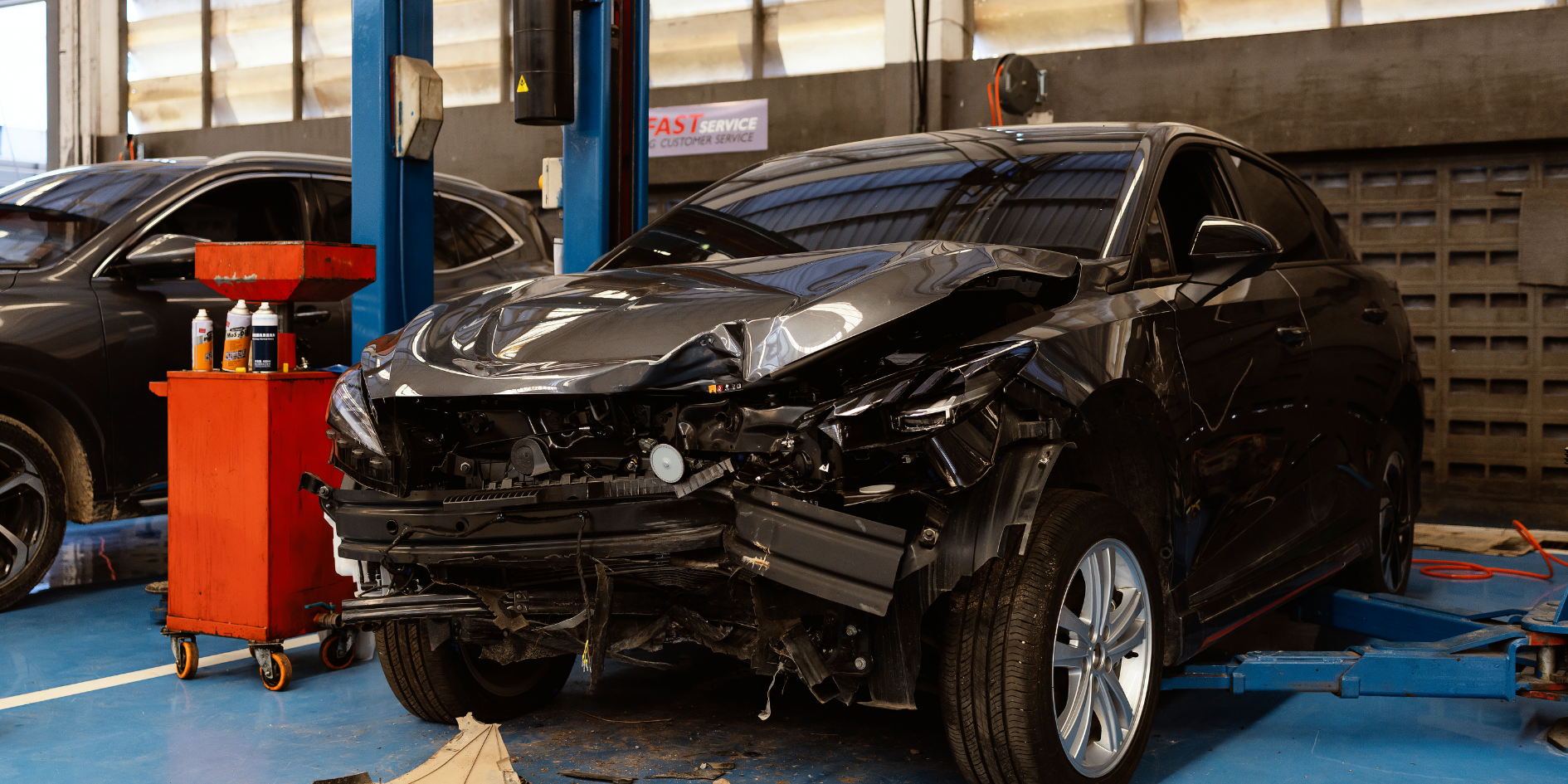
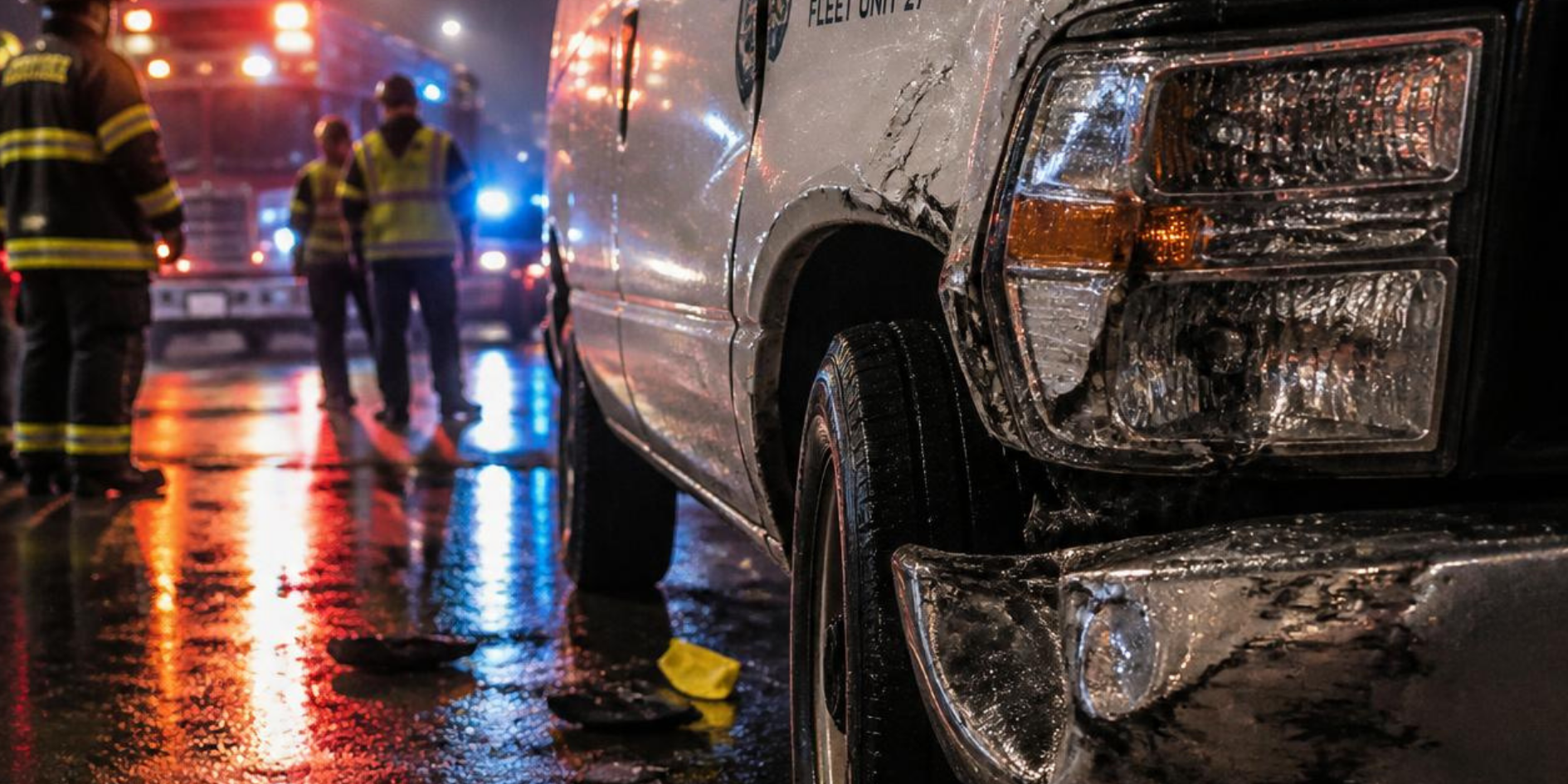
After an accident, the damage you can see isn’t always the only damage your vehicle sustained. A damaged bumper, dented quarter panel, or broken headlight may be obvious, but the impact can also affect structural components underneath the vehicle’s exterior. At Dealership Autoplex Collision Center (DACC) , we believe a proper collision repair is about more than making a vehicle look good again. It’s about identifying and addressing the damage that may be hidden underneath. What Is Structural Damage? Modern vehicles are designed with structural components that help support the vehicle and manage crash forces. Depending on the location and severity of an impact, a collision can potentially affect areas such as: Frame or unibody components Structural rails Suspension mounting points Body alignment Doors and panels Wheel alignment Bumpers and reinforcement components Even an accident that doesn’t appear severe from the outside can sometimes cause damage behind exterior panels.
After a car accident, there are a lot of decisions to make. Between filing an insurance claim, arranging transportation, and getting your vehicle repaired, the process can quickly become overwhelming. One common question we hear at Dealership Autoplex Collision Center (DACC) is: “Do I have to use the collision repair shop my insurance company recommends?” In Texas, you generally have the right to choose the repair facility you want to handle your vehicle. Your Insurance Company May Recommend a Shop After you file a claim, your insurance company may provide a list of repair facilities or recommend one of its preferred shops. While these recommendations can be convenient, you are not necessarily required to choose a shop simply because it was suggested by the insurance company. Your vehicle is an important investment, and you should feel comfortable with the facility performing the repairs. What Should You Look for in a Collision Repair Shop? When choosing a collision center, consider more than just how quickly the shop can get your vehicle in. Look for a facility that provides: Experienced collision repair technicians Proper structural and body repairs Professional paint matching and refinishing Clear communication throughout the repair process Assistance working with insurance companies Quality-control inspections before the vehicle is returned Help coordinating rental transportation when needed A quality collision repair should restore more than the appearance of your vehicle. The goal is to properly repair the damage and return the vehicle to you safely and professionally.
Today’s vehicles are equipped with more technology than ever before. Cameras, radar sensors, parking sensors, lane-assist systems, and automatic emergency braking can all be affected by a collision—even when the damage appears minor. That’s why modern collision repair involves much more than repairing dents and replacing damaged parts. What Is ADAS? ADAS stands for Advanced Driver Assistance Systems. Depending on your vehicle, these systems may include: Forward collision warning Automatic emergency braking Lane departure warning Lane-keeping assistance Adaptive cruise control Blind-spot monitoring Parking assistance Surround-view or backup cameras Many of these features rely on cameras and sensors positioned throughout the vehicle.