
PPF vs. Ceramic Coating: What’s the Difference?

September 10, 2026

If you want to keep your vehicle looking newer longer, you’ve probably heard about Paint Protection Film (PPF) and ceramic coating.


Both can help protect your vehicle’s finish, but they aren’t the same thing and choosing between them depends on what type of protection you’re looking for.


What Is Paint Protection Film (PPF)?

Paint Protection Film, commonly called PPF, is a transparent film applied directly over your vehicle’s painted surfaces.

It creates a physical protective barrier between your paint and everyday road hazards.

PPF is especially useful on high-impact areas such as the:

  • Front bumper
  • Hood
  • Fenders
  • Side mirrors
  • Rocker panels
  • Door edges

For drivers around Dallas-Fort Worth, PPF can be particularly helpful in protecting against small rock chips and road debris encountered during everyday highway driving.
White Lexus sedan with a damaged front bumper and headlight in a parking lot

What Is Ceramic Coating?

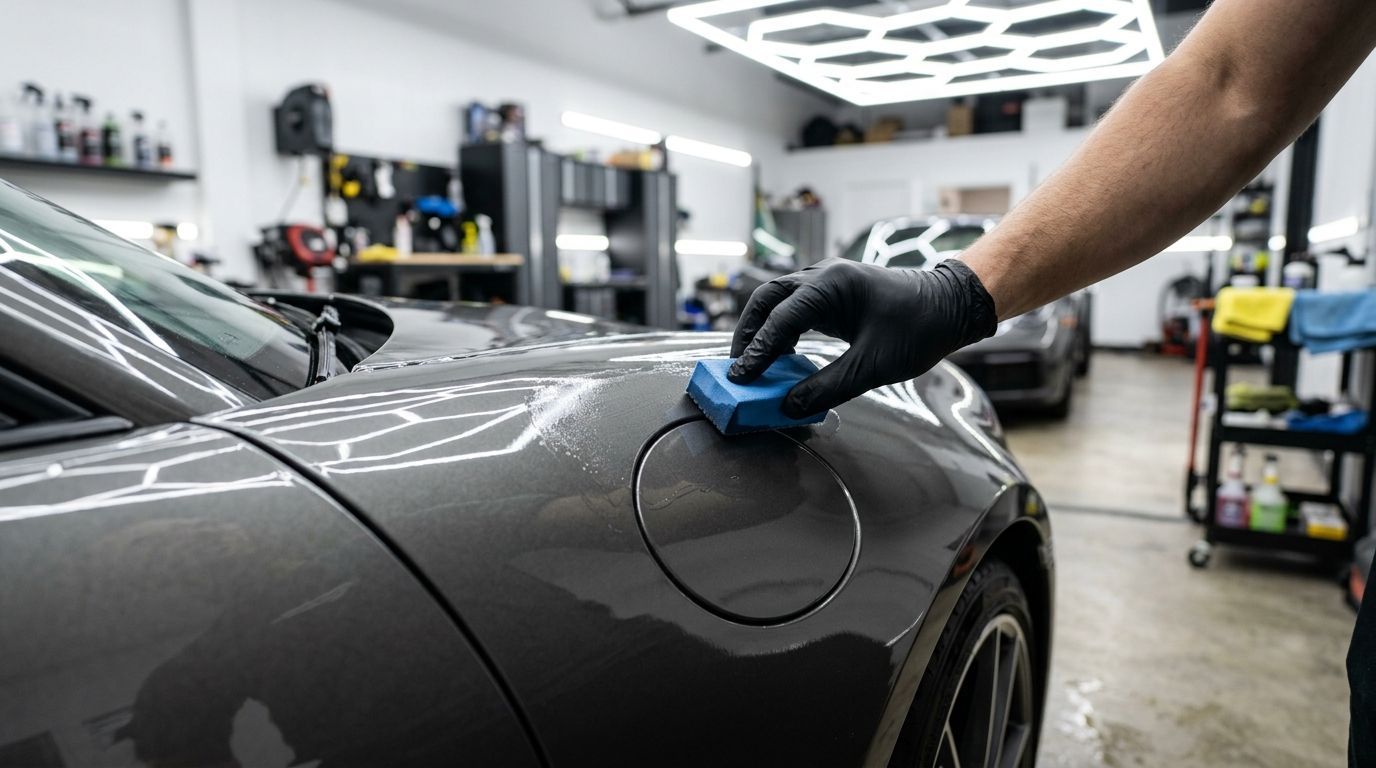
Ceramic coating is a liquid product applied to a vehicle’s exterior that bonds with the surface and creates a protective layer.


Ceramic coatings are popular because they can enhance gloss, repel water, and make contaminants and dirt easier to clean from the vehicle.


However, ceramic coating doesn’t provide the same physical impact protection against rock chips that PPF can provide.


PPF vs. Ceramic Coating

The easiest way to understand the difference is this:


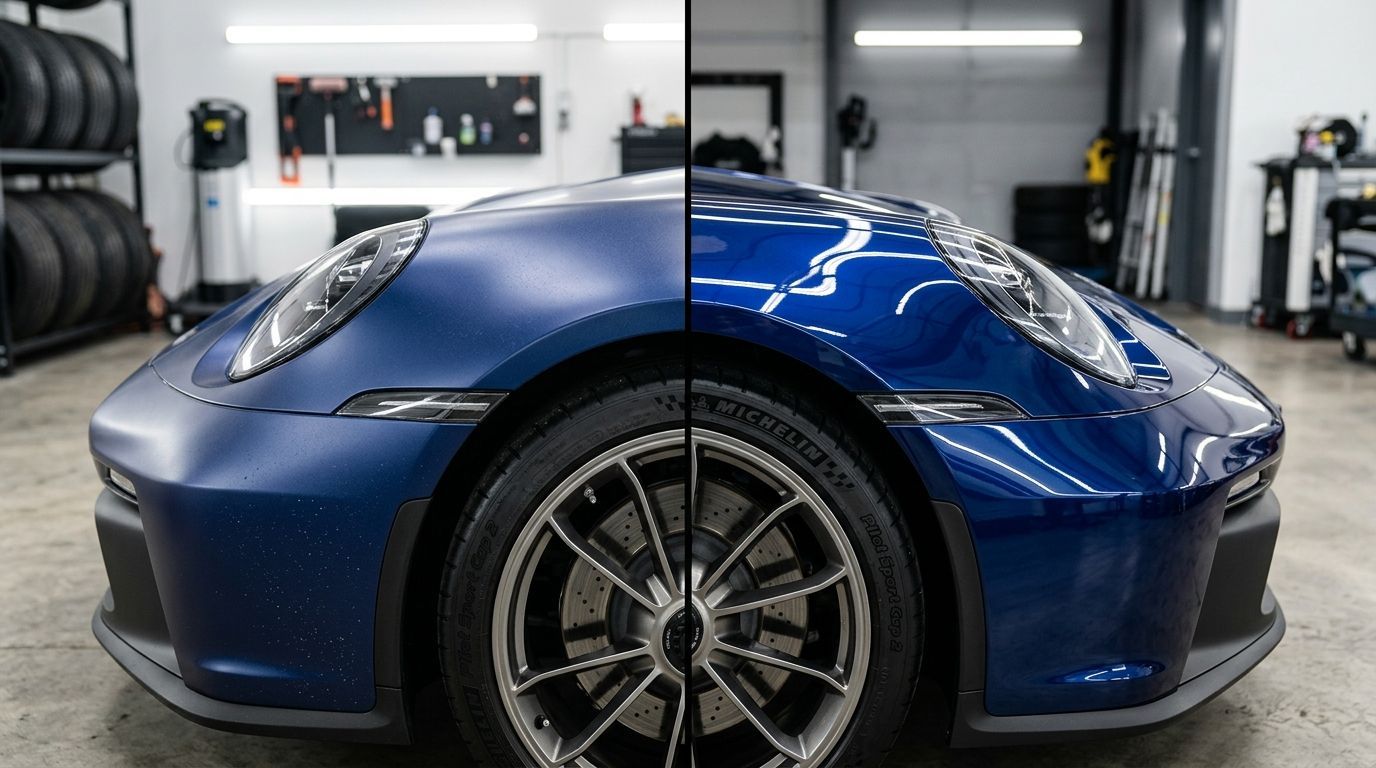
PPF = Physical protection

Helps protect vulnerable painted surfaces from rock chips, road debris, minor scratches, and similar physical damage.


Ceramic Coating = Surface protection

Helps with water repellency, gloss, easier cleaning, and protection from environmental contaminants.

Mechanic lying under a red car, surrounded by tools and removed parts in a garage

Can You Have Both?

Yes. Some vehicle owners choose to combine PPF and ceramic coating for a more comprehensive approach.


PPF can be installed on high-impact areas to provide physical protection, while ceramic coating can be used to enhance the finish and make routine cleaning easier.


Which One Is Right for Your Vehicle?

The right option depends on how you drive, where you drive, your vehicle, and what you want to protect.


If you spend a lot of time driving on Dallas-Fort Worth highways or you’ve recently purchased a new vehicle, protecting high-impact areas early can help preserve your vehicle’s appearance.
Mechanic lying under a red car, surrounded by tools and removed parts in a garage

Protect Your Vehicle With DACC

At Dealership Autoplex Collision Center (DACC) in Carrollton, Texas, we’re about more than repairing vehicles after an accident. We also help our customers protect and customize their vehicles.


From collision repair and PPF to wraps, window tint, bedliners, and other automotive appearance services, DACC can help you keep your vehicle looking its best.

Dealership Autoplex Collision Center (DACC)

2536 Dickerson Parkway
Carrollton, TX 75006

972-242-0092

DACC.Group


Contact DACC today to learn more about protecting your vehicle.
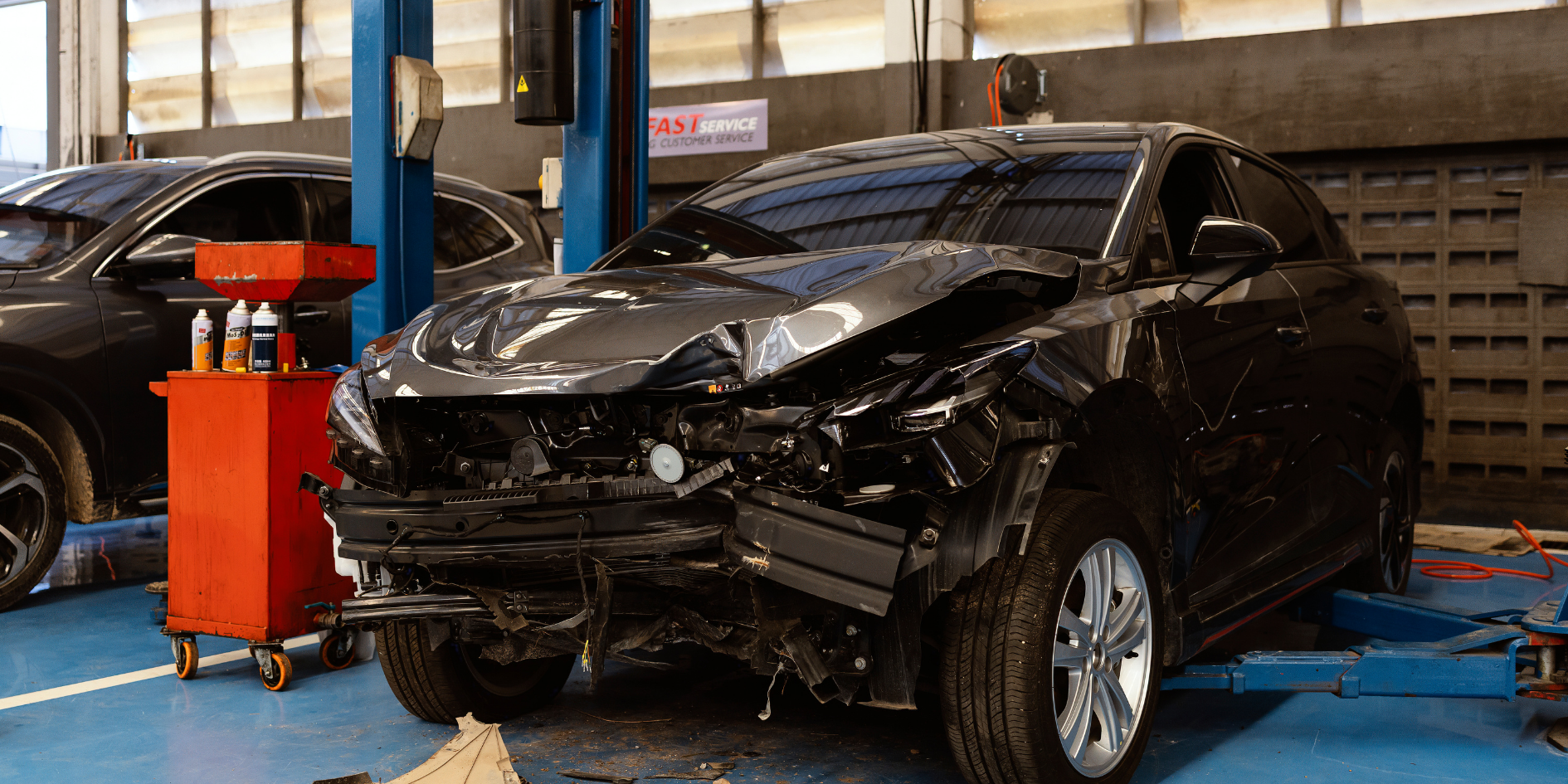

Damaged black SUV in an auto repair shop with the front end crushed and hood bent up.
October 1, 2026
After an accident, the damage you can see isn’t always the only damage your vehicle sustained. A damaged bumper, dented quarter panel, or broken headlight may be obvious, but the impact can also affect structural components underneath the vehicle’s exterior. At Dealership Autoplex Collision Center (DACC) , we believe a proper collision repair is about more than making a vehicle look good again. It’s about identifying and addressing the damage that may be hidden underneath. What Is Structural Damage? Modern vehicles are designed with structural components that help support the vehicle and manage crash forces. Depending on the location and severity of an impact, a collision can potentially affect areas such as: Frame or unibody components Structural rails Suspension mounting points Body alignment Doors and panels Wheel alignment Bumpers and reinforcement components  Even an accident that doesn’t appear severe from the outside can sometimes cause damage behind exterior panels.
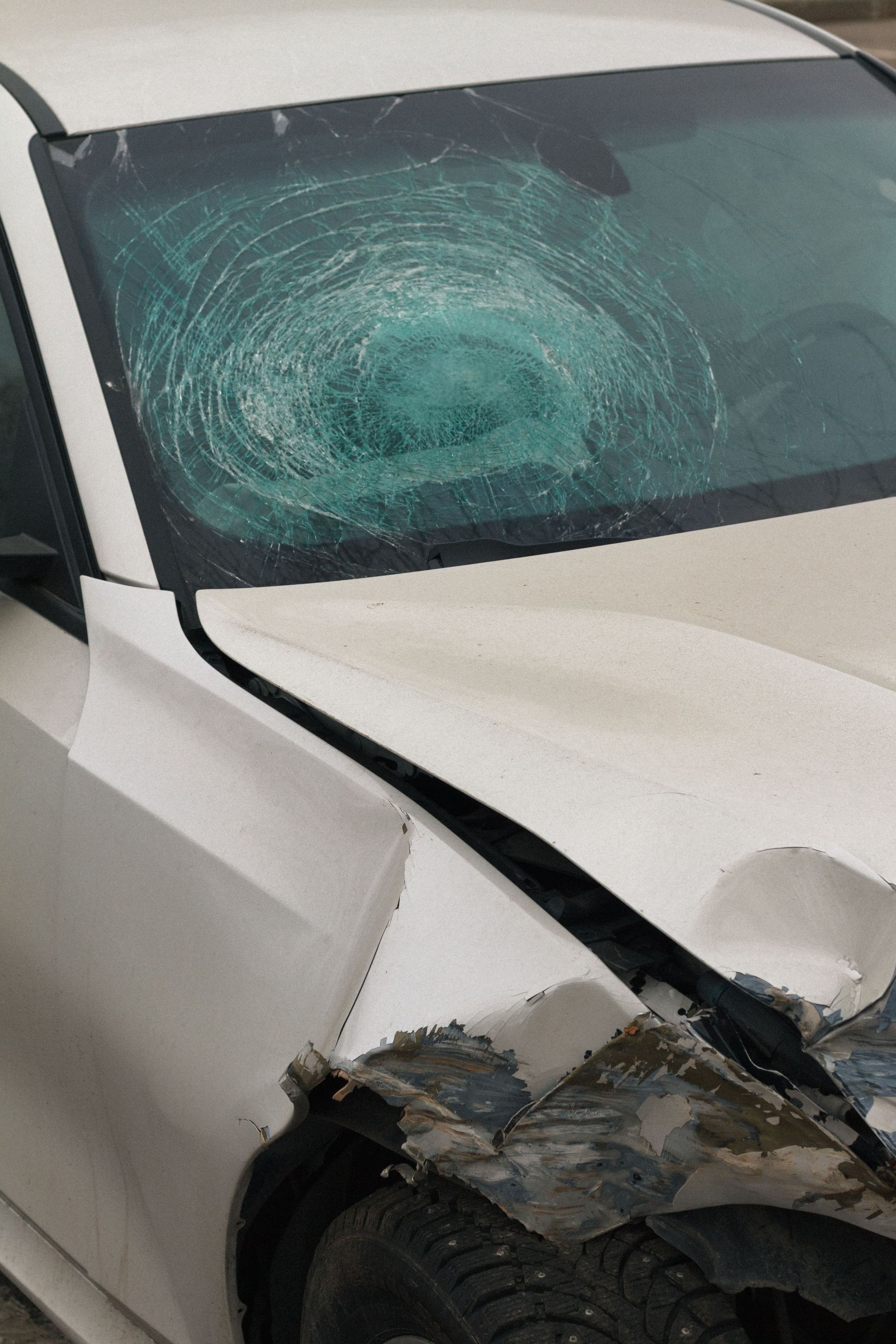
White car with a cracked windshield and heavy damage to the front-left side from a collision
September 29, 2026
After a car accident, there are a lot of decisions to make. Between filing an insurance claim, arranging transportation, and getting your vehicle repaired, the process can quickly become overwhelming. One common question we hear at Dealership Autoplex Collision Center (DACC) is: “Do I have to use the collision repair shop my insurance company recommends?” In Texas, you generally have the right to choose the repair facility you want to handle your vehicle. Your Insurance Company May Recommend a Shop After you file a claim, your insurance company may provide a list of repair facilities or recommend one of its preferred shops. While these recommendations can be convenient, you are not necessarily required to choose a shop simply because it was suggested by the insurance company. Your vehicle is an important investment, and you should feel comfortable with the facility performing the repairs. What Should You Look for in a Collision Repair Shop? When choosing a collision center, consider more than just how quickly the shop can get your vehicle in.  Look for a facility that provides: Experienced collision repair technicians Proper structural and body repairs Professional paint matching and refinishing Clear communication throughout the repair process Assistance working with insurance companies Quality-control inspections before the vehicle is returned Help coordinating rental transportation when needed A quality collision repair should restore more than the appearance of your vehicle. The goal is to properly repair the damage and return the vehicle to you safely and professionally.
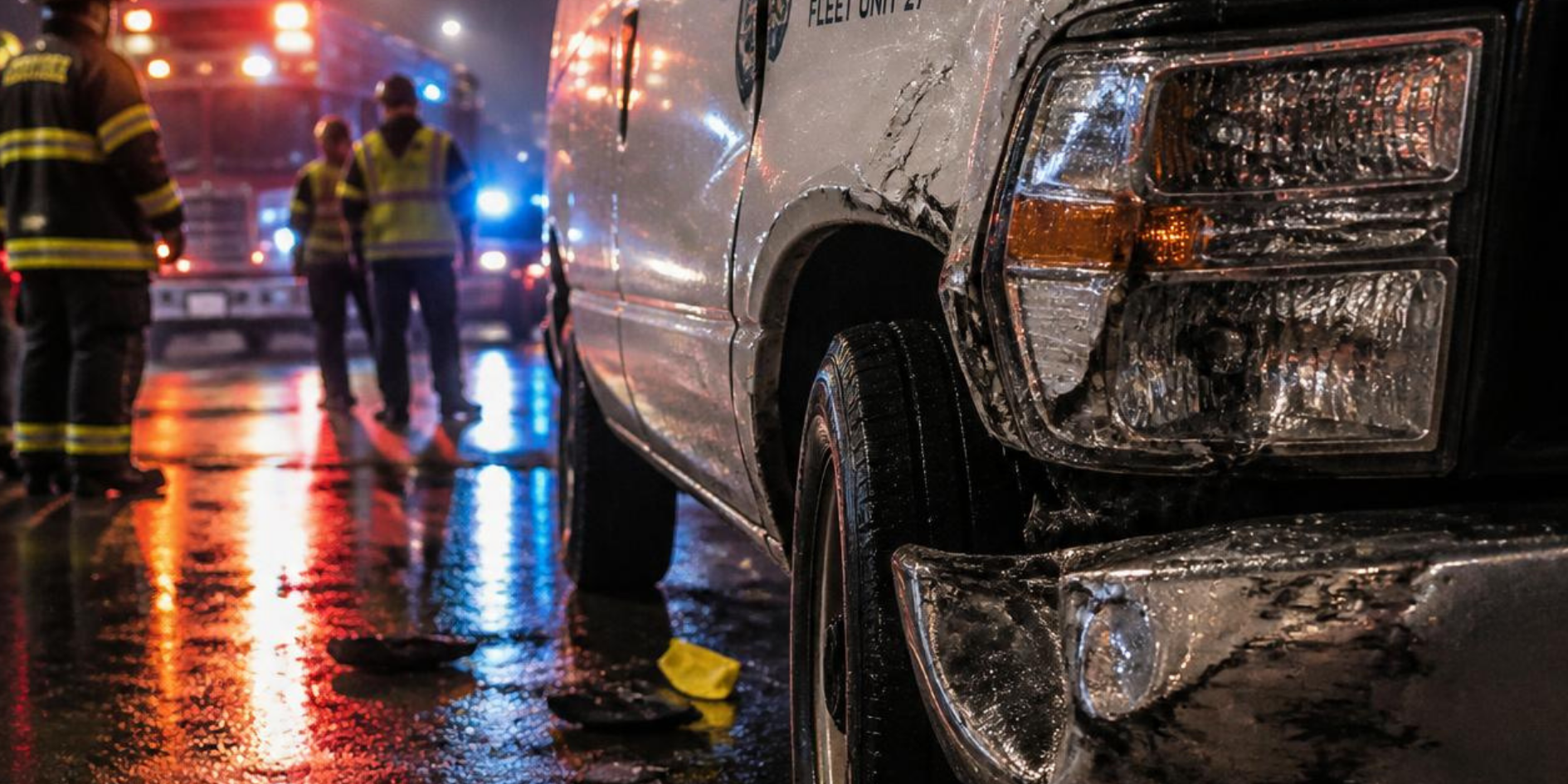
Damaged white vehicle after nighttime crash with firefighters and emergency lights reflected on wet road
September 25, 2026
Today’s vehicles are equipped with more technology than ever before. Cameras, radar sensors, parking sensors, lane-assist systems, and automatic emergency braking can all be affected by a collision—even when the damage appears minor. That’s why modern collision repair involves much more than repairing dents and replacing damaged parts. What Is ADAS? ADAS stands for Advanced Driver Assistance Systems. Depending on your vehicle, these systems may include: Forward collision warning Automatic emergency braking Lane departure warning Lane-keeping assistance Adaptive cruise control Blind-spot monitoring Parking assistance Surround-view or backup cameras  Many of these features rely on cameras and sensors positioned throughout the vehicle.
More Posts