

Spring Car Maintenance Tips for Dallas Metroplex Drivers
March 13, 2025
Spring Car Maintenance | Spring Auto Maintenance
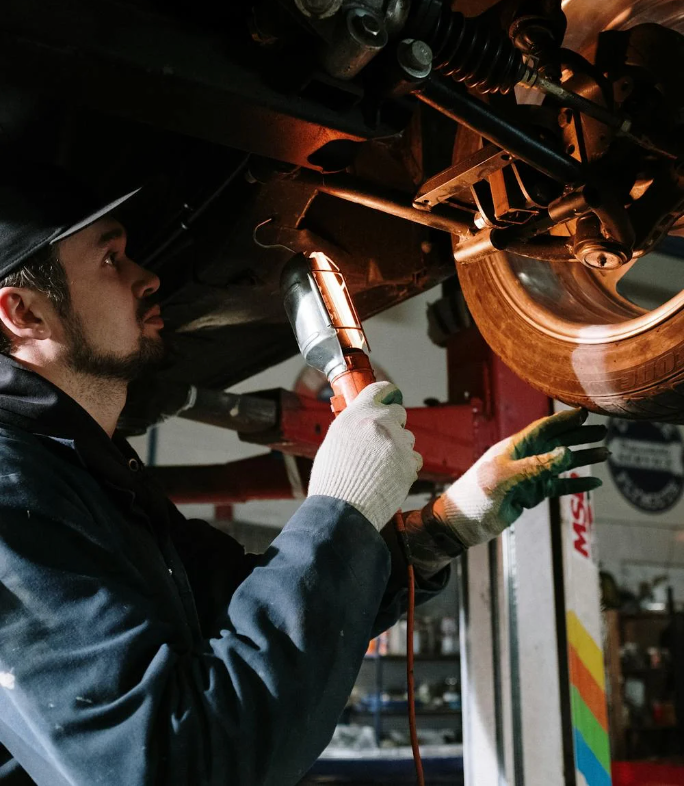
Springtime in Dallas/Ft. Worth is a welcome change from winter’s unpredictable weather. The warmer temperatures and blooming landscapes make it the perfect time to give your vehicle some much-needed attention. At
Dealership Autoplex Collision Center (DACC)
, we know that proper maintenance can extend the life of your vehicle and keep it running smoothly. Here are some essential spring car maintenance tips to help you protect your investment and stay safe on the road.
1. Check and Replace Wiper Blades
Winter weather can be harsh on wiper blades, leaving them cracked, torn, or ineffective. With spring showers on the horizon, it’s crucial to ensure your wipers are in top condition. If they leave streaks or make unusual noises, replace them immediately to maintain clear visibility during rainy drives.
2. Inspect and Rotate Tires
Temperature fluctuations can cause tire pressure changes, and winter roads may have contributed to uneven wear. Check your tire pressure and adjust it according to your manufacturer’s recommendations. Also, consider rotating your tires to promote even wear and improve traction as you hit the road for spring and summer adventures.
3. Examine Brakes and Suspension
After a season of navigating potholes and wet roads, your brakes and suspension components might need attention. Listen for any squeaking or grinding noises when braking, and if your car pulls to one side or rides rough, it may be time for an inspection. At DACC, we recommend a professional checkup to ensure these critical systems are functioning properly.
4. Wash and Wax to Protect Your Paint
Spring is an ideal time to give your car a thorough wash and wax. Road salt, dirt, and grime from winter driving can damage your paint if left unchecked. A high-quality wax will not only enhance your car’s shine but also create a protective barrier against UV rays, pollen, and contaminants.
5. Check the Battery
Cold weather can put extra strain on your battery, so it’s a good idea to test its charge and clean any corrosion from the terminals. If your battery is more than three years old, consider having it tested at DACC to avoid unexpected breakdowns in the Texas heat.
6. Top Off Fluids and Change Oil
Your vehicle relies on several essential fluids to run efficiently. Check the levels of engine oil, coolant, brake fluid, transmission fluid, and windshield washer fluid. If your last oil change was during winter, spring is a great time to replace it with fresh oil to maintain peak engine performance.
7. Inspect Lights and Air Conditioning
As the days get longer, ensuring that your headlights, taillights, and brake lights are all functioning properly is key to safety. Additionally, test your air conditioning system before the Texas heat sets in to ensure it’s ready to keep you cool on hot days.
Trust DACC for Professional Care
At Dealership Autoplex Collision Center , we’re committed to keeping your vehicle in excellent condition. Whether you need a routine maintenance check or expert collision repair, our team of skilled technicians is here to help. Contact us today to schedule your spring service and drive with confidence this season! For more expert car care tips and professional auto services, visit DACC —your trusted partner in vehicle maintenance and repair.
1. Check and Replace Wiper Blades
Winter weather can be harsh on wiper blades, leaving them cracked, torn, or ineffective. With spring showers on the horizon, it’s crucial to ensure your wipers are in top condition. If they leave streaks or make unusual noises, replace them immediately to maintain clear visibility during rainy drives.
2. Inspect and Rotate Tires
Temperature fluctuations can cause tire pressure changes, and winter roads may have contributed to uneven wear. Check your tire pressure and adjust it according to your manufacturer’s recommendations. Also, consider rotating your tires to promote even wear and improve traction as you hit the road for spring and summer adventures.
3. Examine Brakes and Suspension
After a season of navigating potholes and wet roads, your brakes and suspension components might need attention. Listen for any squeaking or grinding noises when braking, and if your car pulls to one side or rides rough, it may be time for an inspection. At DACC, we recommend a professional checkup to ensure these critical systems are functioning properly.
4. Wash and Wax to Protect Your Paint
Spring is an ideal time to give your car a thorough wash and wax. Road salt, dirt, and grime from winter driving can damage your paint if left unchecked. A high-quality wax will not only enhance your car’s shine but also create a protective barrier against UV rays, pollen, and contaminants.
5. Check the Battery
Cold weather can put extra strain on your battery, so it’s a good idea to test its charge and clean any corrosion from the terminals. If your battery is more than three years old, consider having it tested at DACC to avoid unexpected breakdowns in the Texas heat.
6. Top Off Fluids and Change Oil
Your vehicle relies on several essential fluids to run efficiently. Check the levels of engine oil, coolant, brake fluid, transmission fluid, and windshield washer fluid. If your last oil change was during winter, spring is a great time to replace it with fresh oil to maintain peak engine performance.
7. Inspect Lights and Air Conditioning
As the days get longer, ensuring that your headlights, taillights, and brake lights are all functioning properly is key to safety. Additionally, test your air conditioning system before the Texas heat sets in to ensure it’s ready to keep you cool on hot days.
Trust DACC for Professional Care
At Dealership Autoplex Collision Center , we’re committed to keeping your vehicle in excellent condition. Whether you need a routine maintenance check or expert collision repair, our team of skilled technicians is here to help. Contact us today to schedule your spring service and drive with confidence this season! For more expert car care tips and professional auto services, visit DACC —your trusted partner in vehicle maintenance and repair.
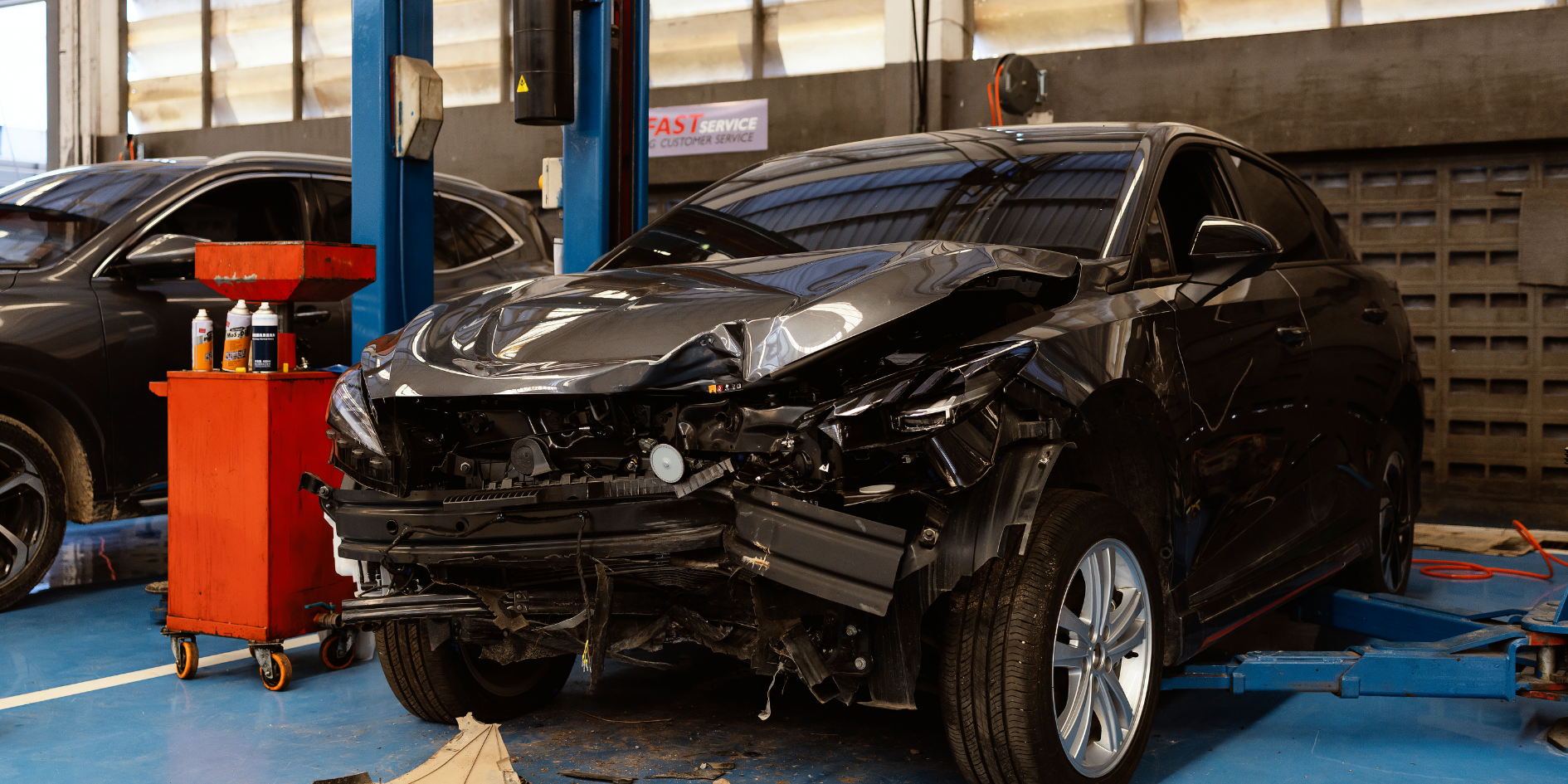
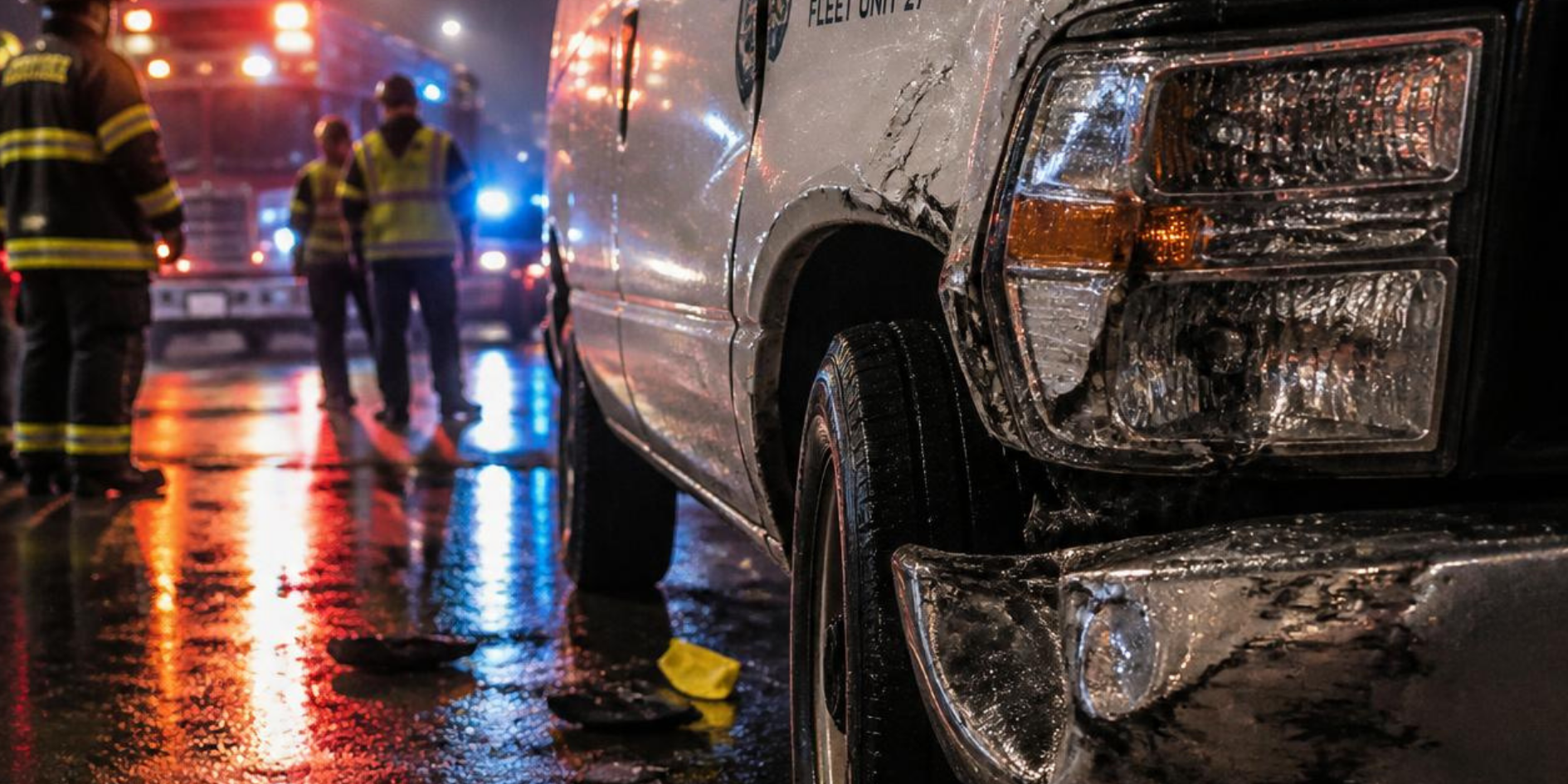
After an accident, the damage you can see isn’t always the only damage your vehicle sustained. A damaged bumper, dented quarter panel, or broken headlight may be obvious, but the impact can also affect structural components underneath the vehicle’s exterior. At Dealership Autoplex Collision Center (DACC) , we believe a proper collision repair is about more than making a vehicle look good again. It’s about identifying and addressing the damage that may be hidden underneath. What Is Structural Damage? Modern vehicles are designed with structural components that help support the vehicle and manage crash forces. Depending on the location and severity of an impact, a collision can potentially affect areas such as: Frame or unibody components Structural rails Suspension mounting points Body alignment Doors and panels Wheel alignment Bumpers and reinforcement components Even an accident that doesn’t appear severe from the outside can sometimes cause damage behind exterior panels.
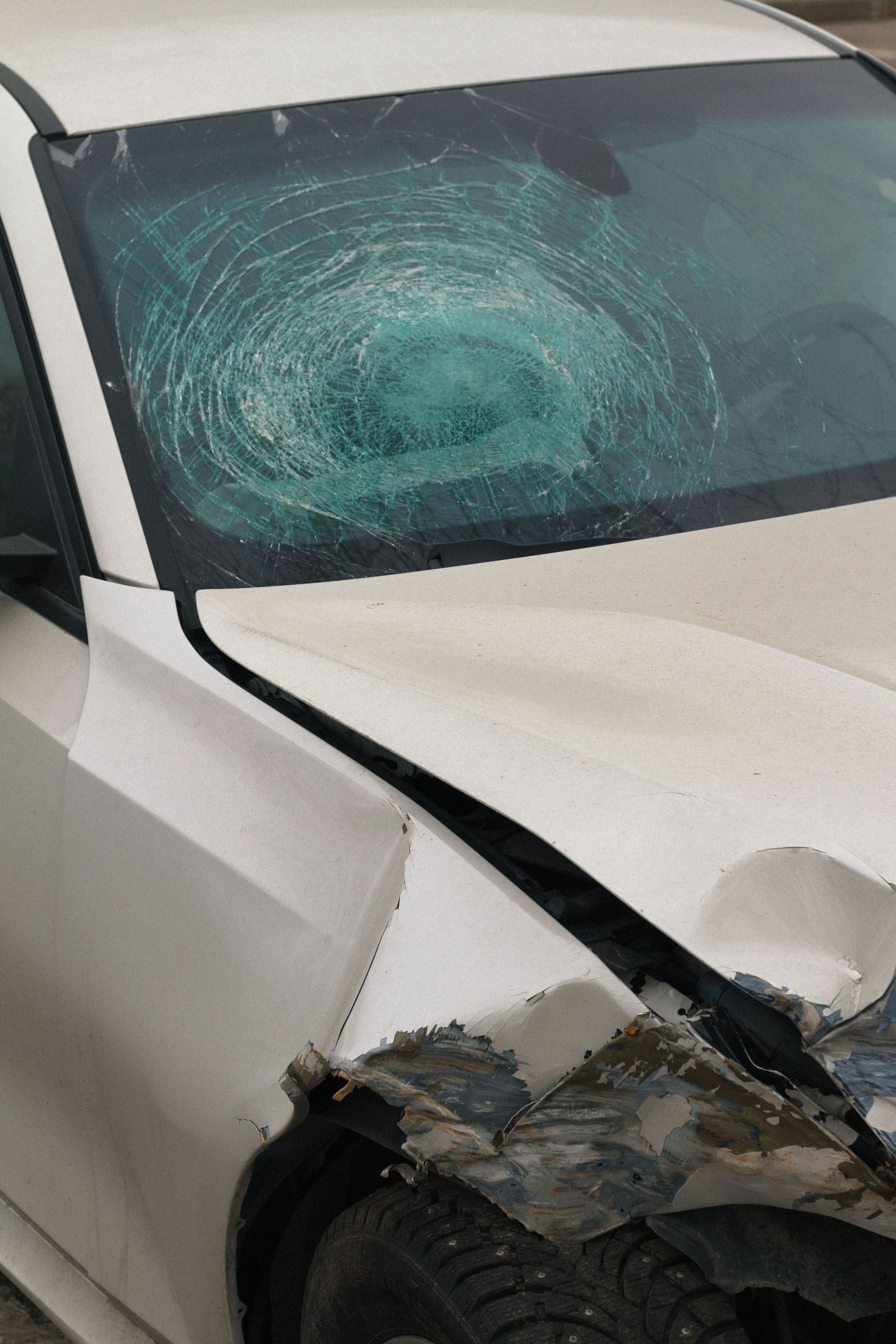
After a car accident, there are a lot of decisions to make. Between filing an insurance claim, arranging transportation, and getting your vehicle repaired, the process can quickly become overwhelming. One common question we hear at Dealership Autoplex Collision Center (DACC) is: “Do I have to use the collision repair shop my insurance company recommends?” In Texas, you generally have the right to choose the repair facility you want to handle your vehicle. Your Insurance Company May Recommend a Shop After you file a claim, your insurance company may provide a list of repair facilities or recommend one of its preferred shops. While these recommendations can be convenient, you are not necessarily required to choose a shop simply because it was suggested by the insurance company. Your vehicle is an important investment, and you should feel comfortable with the facility performing the repairs. What Should You Look for in a Collision Repair Shop? When choosing a collision center, consider more than just how quickly the shop can get your vehicle in. Look for a facility that provides: Experienced collision repair technicians Proper structural and body repairs Professional paint matching and refinishing Clear communication throughout the repair process Assistance working with insurance companies Quality-control inspections before the vehicle is returned Help coordinating rental transportation when needed A quality collision repair should restore more than the appearance of your vehicle. The goal is to properly repair the damage and return the vehicle to you safely and professionally.
Today’s vehicles are equipped with more technology than ever before. Cameras, radar sensors, parking sensors, lane-assist systems, and automatic emergency braking can all be affected by a collision—even when the damage appears minor. That’s why modern collision repair involves much more than repairing dents and replacing damaged parts. What Is ADAS? ADAS stands for Advanced Driver Assistance Systems. Depending on your vehicle, these systems may include: Forward collision warning Automatic emergency braking Lane departure warning Lane-keeping assistance Adaptive cruise control Blind-spot monitoring Parking assistance Surround-view or backup cameras Many of these features rely on cameras and sensors positioned throughout the vehicle.