

Windshield Repair and Replacement - Texas Style
July 12, 2022
Windshield Replacement | Windshield Repair
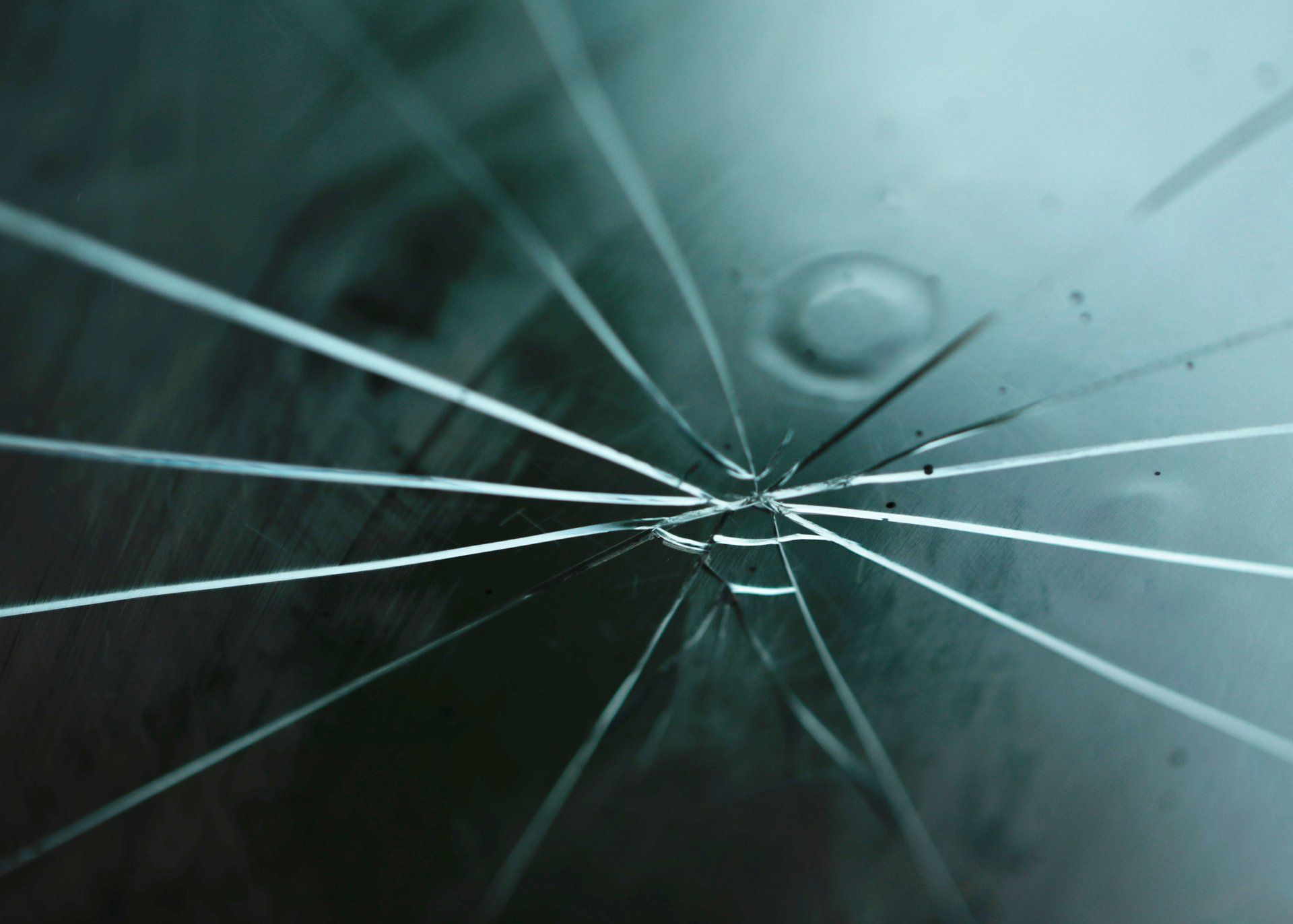
Texan laws govern strict rules about windshield repair. So, it’s best you know the ins-and-outs of your vehicle’s glass before cracks start to grow.
Windshield glass is one of the most major – yet majorly overlooked – components to your vehicle’s ability to keep you safe on the road. Not only does it allow you to see what’s ahead, but it is also designed differently to other glass components. This is to help it shatter in a way that makes it less likely to cause you or your passengers any fatal damage.
Your windshield comprises of two sheets of silica-based glass fused with a vinyl layer in the center. So, it’s both thicker and more likely to break into smaller pieces while staying in one place. This way, you’re more likely to get a chip or a crack needing windshield repair rather than an entire hole that needs total windshield replacement.
With this, it’s worth knowing there are three types of windshield repair you should be aware of depending of the spectrum of the damage caused.
1. Type 1: Windshield Patch
The first type of windshield repair is known as the patch. It’s a do-it-yourself kit used as a temporary measure before heading to your local trusted autobody shop for a resin repair or windshield replacement, if necessary.
However, the patch is a very useful tool: it’s affordable, effective and found in most motor stores for safe keeping in your trunk until needed. When used, it helps maintain structural integrity of the windshield to make sure it doesn’t buckle further before repair while preventing crack or chip pollution from dust or debris off the road.
When using a patch, be sure to follow the printed instructions. In general, you’ll need to apply the patch and then smooth out any air bubbles before allowing it to harden.
2. Type 2: Windshield Resin
The second type of windshield repair is resin. This is the most common type of repair out there and can be done at home, on-the-go or in an autobody shop by the professionals.
In short, a special resin is pumped into the chip or crack via a large suction-cup. Then, it is cured into place. This effectively rebuilds the missing glass component and structurally repairs the area from further damage. A pump is applied to the affected area, sucks out any air, pumps in resin, applies heat to allow the resin to expand and stays until the resin has hardened.
However, this is only an option for certain types of windshield damage. Windshield repair via resin can only be done if the crack or chip is no deeper than halfway through the glass (or to the vinyl layer) and isn’t wider than the length of a dollar bill.
3. Type 3: Windshield Replacement
The third repair method is the full windshield replacement. This is often a final call because it is the most expensive option and can often take the longest time for completion. This is because windshield replacement must be done in the autobody shop with the correct manufacturer’s parts.
Unfortunately, there are many occasions where the patch or resign repair won’t be a suitable fit for the damage on your windscreen. And, because of them, you’ll need to opt for the full replacement of your windshield. These are:
· Deep cracks · Long cracks · Multiple adjoining cracks · Cracks in the driver’s view · Polluted cracks · Stained cracks · Windshield holes · Crack rebreak
Here at the Dealership Autoplex Collision Center, we’ve got everything you need to know about your windshield and when it needs a replacement or a simple repair job. So, if you want to learn more about the who, the where, the when, the why and the how, have a look at our other two articles. They are “Do I Need Crack Repair or Windshield and Glass Replacement?” and “The Ultimate FAQ to Windshield Replacement in Texas”.
Alternatively, if you’ve got a chip or crack in your windshield you want us to take a look at, give the team a call on (972) 242-0092. Alternatively, check out our website where you’ll find a list of all our services that we can help you with for windshield replacement and windshield repair. Or, if you’d like to come straight into the shop, our team will be ready to help you as soon as you need it here in Carrollton, TX.
Windshield glass is one of the most major – yet majorly overlooked – components to your vehicle’s ability to keep you safe on the road. Not only does it allow you to see what’s ahead, but it is also designed differently to other glass components. This is to help it shatter in a way that makes it less likely to cause you or your passengers any fatal damage.
Your windshield comprises of two sheets of silica-based glass fused with a vinyl layer in the center. So, it’s both thicker and more likely to break into smaller pieces while staying in one place. This way, you’re more likely to get a chip or a crack needing windshield repair rather than an entire hole that needs total windshield replacement.
With this, it’s worth knowing there are three types of windshield repair you should be aware of depending of the spectrum of the damage caused.
1. Type 1: Windshield Patch
The first type of windshield repair is known as the patch. It’s a do-it-yourself kit used as a temporary measure before heading to your local trusted autobody shop for a resin repair or windshield replacement, if necessary.
However, the patch is a very useful tool: it’s affordable, effective and found in most motor stores for safe keeping in your trunk until needed. When used, it helps maintain structural integrity of the windshield to make sure it doesn’t buckle further before repair while preventing crack or chip pollution from dust or debris off the road.
When using a patch, be sure to follow the printed instructions. In general, you’ll need to apply the patch and then smooth out any air bubbles before allowing it to harden.
2. Type 2: Windshield Resin
The second type of windshield repair is resin. This is the most common type of repair out there and can be done at home, on-the-go or in an autobody shop by the professionals.
In short, a special resin is pumped into the chip or crack via a large suction-cup. Then, it is cured into place. This effectively rebuilds the missing glass component and structurally repairs the area from further damage. A pump is applied to the affected area, sucks out any air, pumps in resin, applies heat to allow the resin to expand and stays until the resin has hardened.
However, this is only an option for certain types of windshield damage. Windshield repair via resin can only be done if the crack or chip is no deeper than halfway through the glass (or to the vinyl layer) and isn’t wider than the length of a dollar bill.
3. Type 3: Windshield Replacement
The third repair method is the full windshield replacement. This is often a final call because it is the most expensive option and can often take the longest time for completion. This is because windshield replacement must be done in the autobody shop with the correct manufacturer’s parts.
Unfortunately, there are many occasions where the patch or resign repair won’t be a suitable fit for the damage on your windscreen. And, because of them, you’ll need to opt for the full replacement of your windshield. These are:
· Deep cracks · Long cracks · Multiple adjoining cracks · Cracks in the driver’s view · Polluted cracks · Stained cracks · Windshield holes · Crack rebreak
Here at the Dealership Autoplex Collision Center, we’ve got everything you need to know about your windshield and when it needs a replacement or a simple repair job. So, if you want to learn more about the who, the where, the when, the why and the how, have a look at our other two articles. They are “Do I Need Crack Repair or Windshield and Glass Replacement?” and “The Ultimate FAQ to Windshield Replacement in Texas”.
Alternatively, if you’ve got a chip or crack in your windshield you want us to take a look at, give the team a call on (972) 242-0092. Alternatively, check out our website where you’ll find a list of all our services that we can help you with for windshield replacement and windshield repair. Or, if you’d like to come straight into the shop, our team will be ready to help you as soon as you need it here in Carrollton, TX.
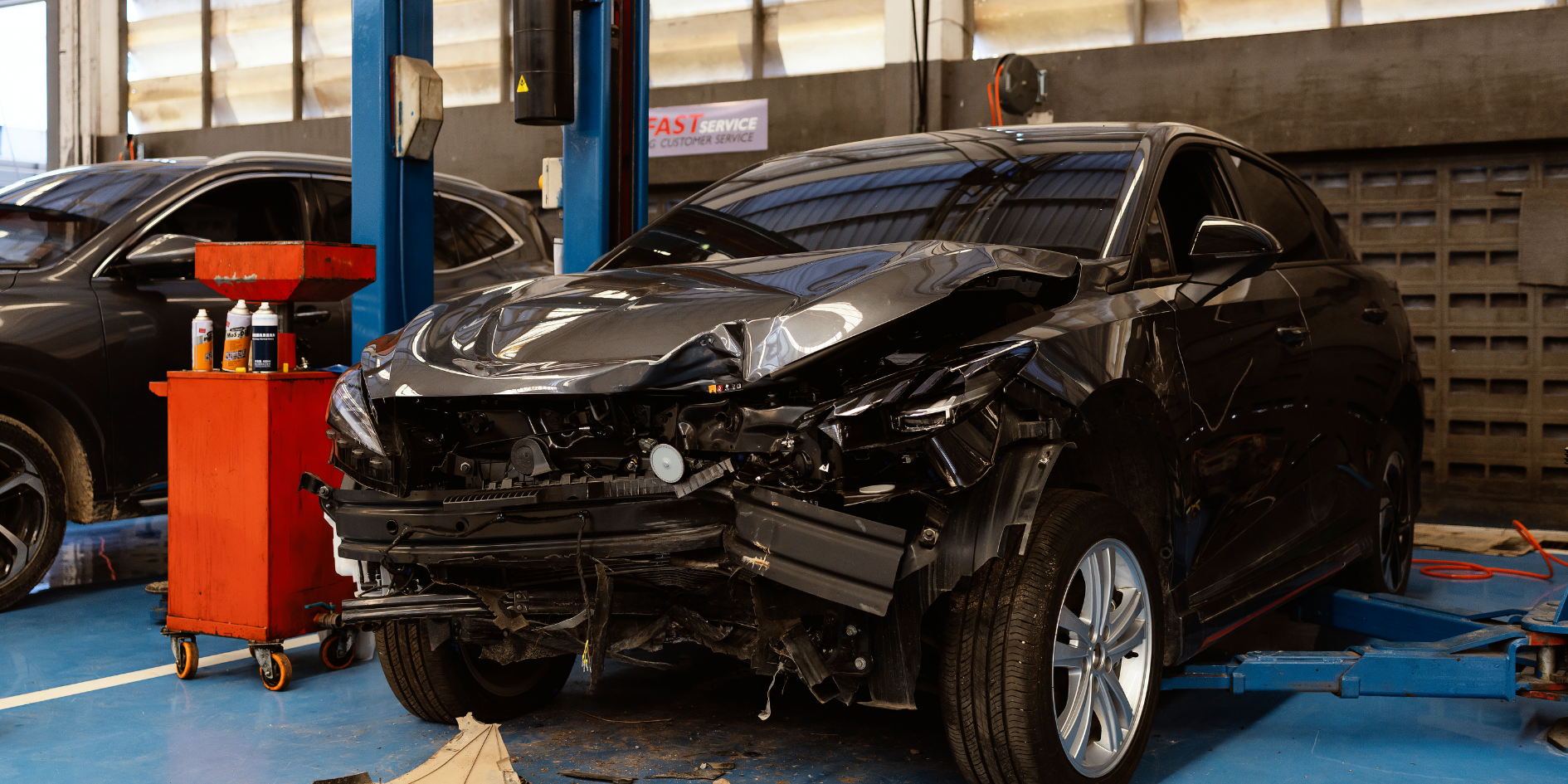
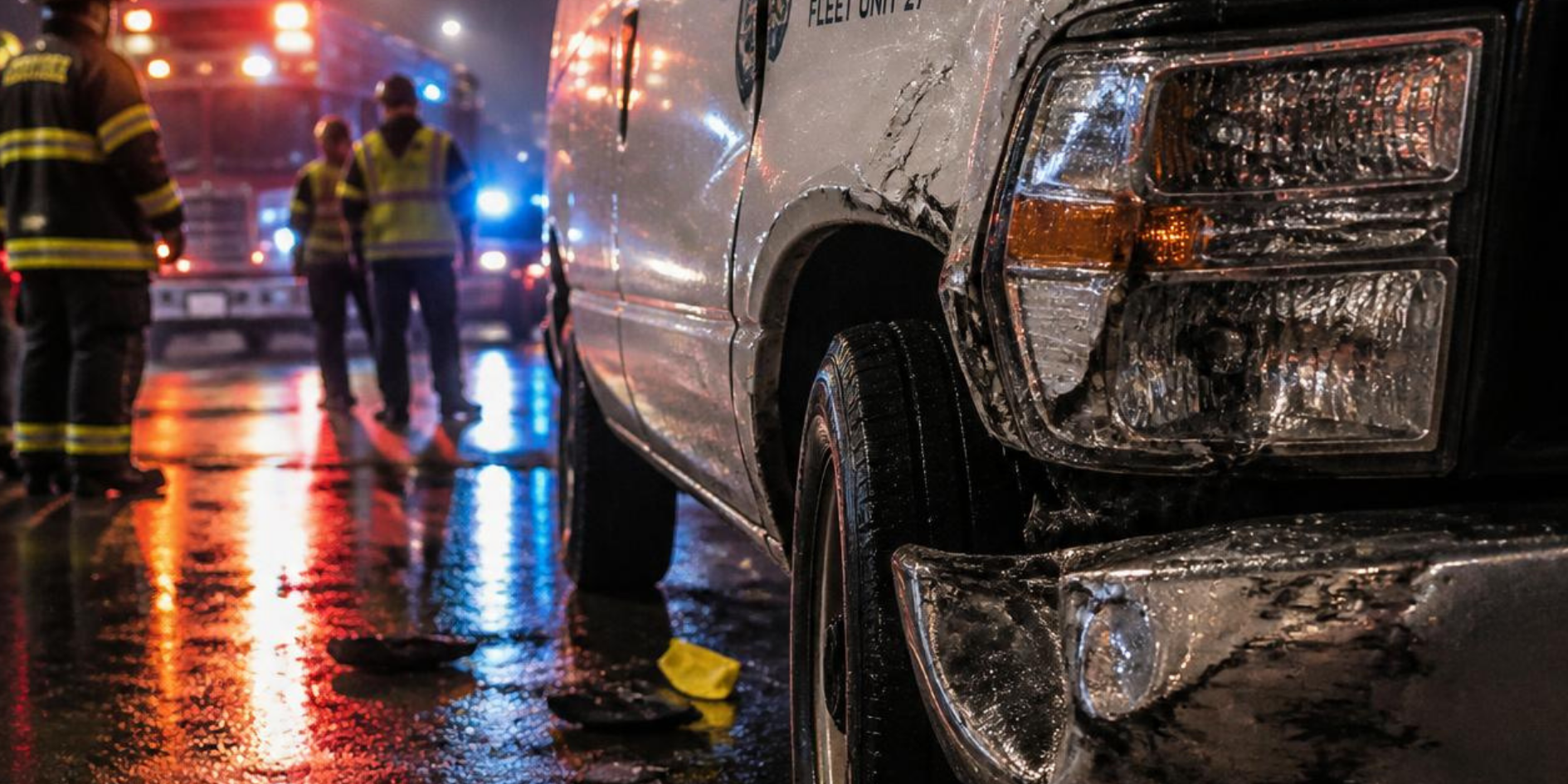
After an accident, the damage you can see isn’t always the only damage your vehicle sustained. A damaged bumper, dented quarter panel, or broken headlight may be obvious, but the impact can also affect structural components underneath the vehicle’s exterior. At Dealership Autoplex Collision Center (DACC) , we believe a proper collision repair is about more than making a vehicle look good again. It’s about identifying and addressing the damage that may be hidden underneath. What Is Structural Damage? Modern vehicles are designed with structural components that help support the vehicle and manage crash forces. Depending on the location and severity of an impact, a collision can potentially affect areas such as: Frame or unibody components Structural rails Suspension mounting points Body alignment Doors and panels Wheel alignment Bumpers and reinforcement components Even an accident that doesn’t appear severe from the outside can sometimes cause damage behind exterior panels.
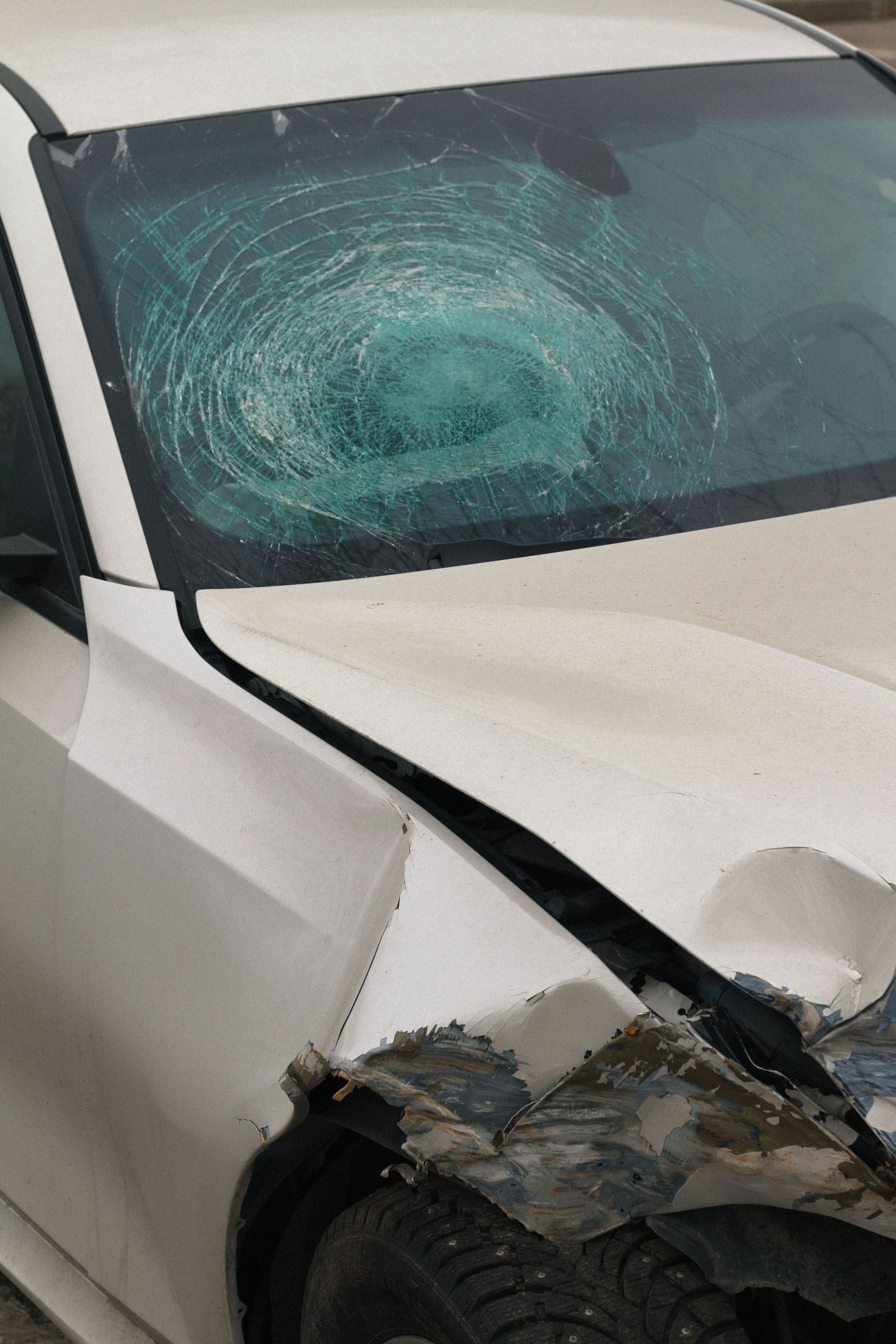
After a car accident, there are a lot of decisions to make. Between filing an insurance claim, arranging transportation, and getting your vehicle repaired, the process can quickly become overwhelming. One common question we hear at Dealership Autoplex Collision Center (DACC) is: “Do I have to use the collision repair shop my insurance company recommends?” In Texas, you generally have the right to choose the repair facility you want to handle your vehicle. Your Insurance Company May Recommend a Shop After you file a claim, your insurance company may provide a list of repair facilities or recommend one of its preferred shops. While these recommendations can be convenient, you are not necessarily required to choose a shop simply because it was suggested by the insurance company. Your vehicle is an important investment, and you should feel comfortable with the facility performing the repairs. What Should You Look for in a Collision Repair Shop? When choosing a collision center, consider more than just how quickly the shop can get your vehicle in. Look for a facility that provides: Experienced collision repair technicians Proper structural and body repairs Professional paint matching and refinishing Clear communication throughout the repair process Assistance working with insurance companies Quality-control inspections before the vehicle is returned Help coordinating rental transportation when needed A quality collision repair should restore more than the appearance of your vehicle. The goal is to properly repair the damage and return the vehicle to you safely and professionally.
Today’s vehicles are equipped with more technology than ever before. Cameras, radar sensors, parking sensors, lane-assist systems, and automatic emergency braking can all be affected by a collision—even when the damage appears minor. That’s why modern collision repair involves much more than repairing dents and replacing damaged parts. What Is ADAS? ADAS stands for Advanced Driver Assistance Systems. Depending on your vehicle, these systems may include: Forward collision warning Automatic emergency braking Lane departure warning Lane-keeping assistance Adaptive cruise control Blind-spot monitoring Parking assistance Surround-view or backup cameras Many of these features rely on cameras and sensors positioned throughout the vehicle.