

3 Tips to Help With Your Teen Becoming a New Driver
October 29, 2021
Driving Safety | Auto Maintenance
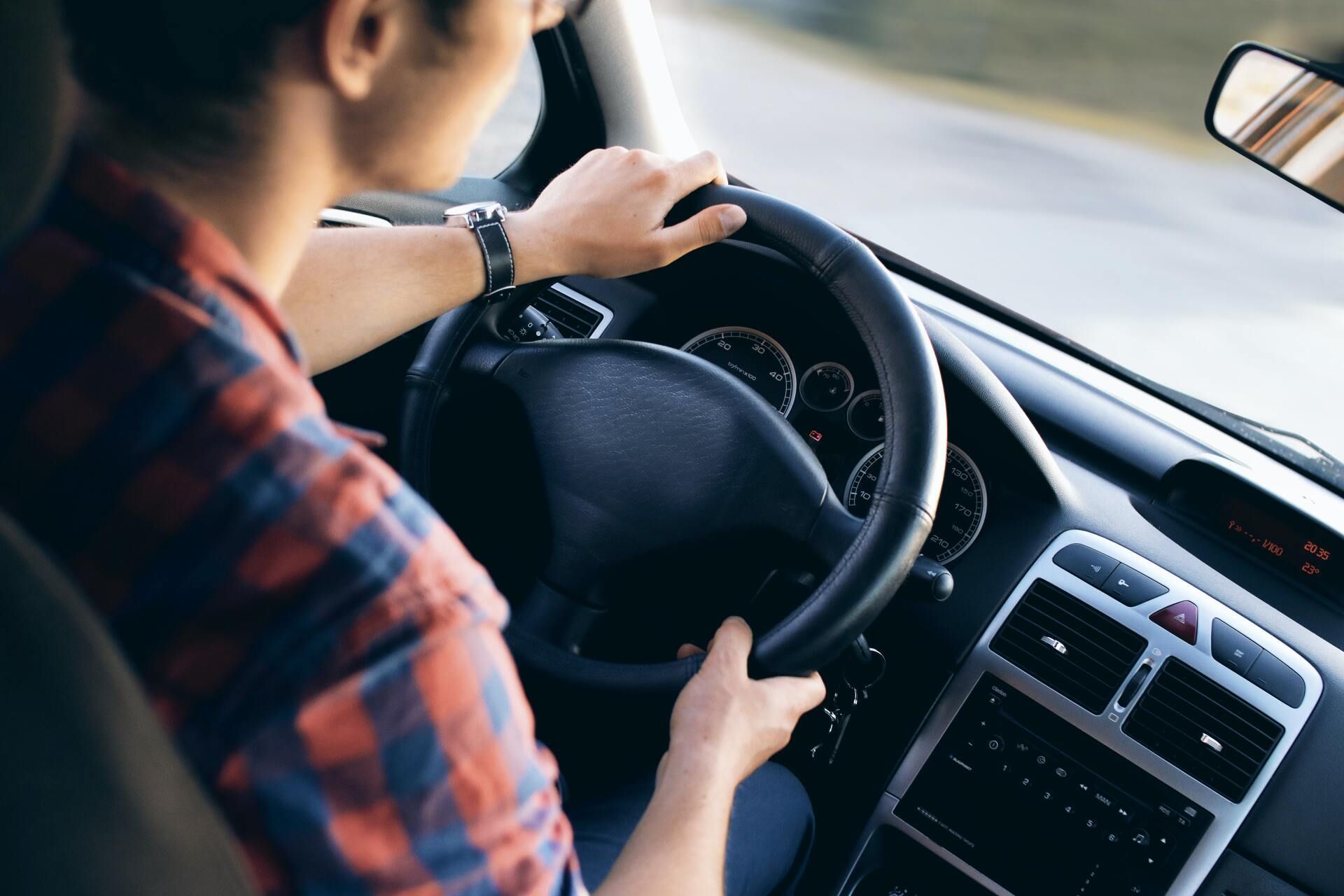
From guiding your teen with driving safety tips to learning about auto maintenance on their first car, here are ways you can help them become safe new drivers.
Young’uns at just the age of 15 can apply for a learner license in the state of Texas as long as they’ve completed the first six hours of their classroom learning. And, with this, comes the excitement of getting behind the wheel with you in the passenger seat while they impress their peers with their newfound travel independence.
That said, as you begin this phase of life with your teen, it’s important you cross some things off the learning list and make sure you’re removing the training wheels with them driving into a safe future. So, here at the Dealership Autoplex Collision Centre, our ASE-certified technicians have a few top tips for you:
1. Tips on Road Driving Safety
It’s best you know that the number of teens involved in road accidents within the first year of driving is steadily rising. This way, you can make sure you’re equipping your teen with the right know-how to make sure they’re not in the statistic. Especially when 80mph is on the cards.
So, here are our top tips for driving safety in Texas:
a. Risk Assessment
Despite the driver education classroom portion of learning in the States, many teens still underestimate the number of risks out on the road. Especially when road types, environments and populations can vary so drastically. So, helping your teen assess road dangers can help their overall driving safety and for years to come.
b. Peer Passengers
Understandably, many teens try to impress their peers behind the wheel. Whether it’s speeding or taking unnecessary risks, they become a collision danger. As well as this, the more passengers your teen has, the more likely they’ll get distracted. So, limiting the number of friends your teen has in the car reduces their chances of an accident.
c. Alcohol Aversion
A scary statistic is knowing that virtually 25% of teen road accidents here in the US are connected to alcohol. And while drinking under the age limit is its own discussion, it’s paramount you encourage them to leave the keys at home and take a cab if there’s a possibility alcohol is involved. Even drunk passengers can become a risk!
d. Seatbelt Usage
Almost 50% of our teens do not wear seat belts. So, a gentle reminder to keep their seat belts on could save their life one day. As well as this, three-point seatbelts are much safer meaning it’s worth taking your teen’s vehicle in for auto maintenance and accessory fitting if it only features a two-point seatbelt.
e. Cell Distractions
Cell phones and texting are big problems for teens that we never faced at their age. If there’s a need to access their cell for directions or emergency dialing 911 in the case of witnessing a collision, helping your teen understand how to use a safe hands-free alternative while in the car will ultimately contribute to their driving safety.
2. Tips on Buying the First Car
The first car, there’s nothing like it.
Whether it’s a brand-new Toyota or a second-hand Ford, it’s important to get it right. The two most important things to keep in mind, before you buy that first car for your teen, are safety and reliability. Once you’ve got these things nailed, the only thing to consider is budget.
We understand you might not want to share your own vehicle for commuting reasons, and there are many reasons your teen will want their own vehicle (including to impress their peers). So, it’s important to know what to look for. For example:
● Make sure the vehicle has three-point seatbelts
● Make sure the vehicle has a hands-free console
● Make sure the vehicle doesn’t have signs of previous damage that could affect safety or performance
● Make sure the vehicle has good fuel economy
● Make sure the car is a suitable learning size for parking
While we can’t tell you exactly which car to buy your teen or what your budget should be, y’all should just remember your teen will love it! Even if they complain about the color.
3. Tips on Maintaining Their First Car
Teaching your teen how to maintain their first car will be an invaluable lesson. Whether that’s recognizing the need for repair in the shop or knowing the penny trick to check whether the tires are still safe to be on the road. So, here are our top at-home auto maintenance tips to help your teen stay safe.
a. Tire Pressure
Showing your teen how to check the tire pressure can help to prevent accidents and get better fuel economy. It can be as simple as buying them a digital or manual tire gauge and giving them the once over on the first tire while supervising them check the remaining three.
b. Tire Tread
Teaching your teen the simple penny trick will help them from potentially having a big accident in the future. By putting a penny into the grooves on the tread and seeing if they can still see all of President Lincoln’s head will teach them when to get those tires changed.
c. Oil and Coolant Levels
The task of checking your teen’s vehicle’s oil and coolant levels is a simple thing to get your teen into a regular habit of. Following on from the check, take the next step and give them the tools, liquids and know-how to just top them up to the right level to keep the engine running smoother for longer driving safety.
d. Maintaining Cleanliness
Show your teen how to keep their first car clean, inside and out. It makes them aware of any rust, dents or scratches which may need attention, and gives them an immense sense of pride. Plus, the cleaner their vehicle, the more they’ll appreciate its value and want to stay vigilant of risks, so they don’t need auto maintenance down the road.
If you’ve just bought your teen’s first vehicle and want to make sure it’s fit to do the high school and college commute, bring it in to see the Dealership Autoplex Collision Center technicians.
Our ASE-certified team is here to help you and your teen with all and any maintenance issues. So, call us on (972) 242-0092 today or browse the website to see our full range of auto services and shop opening times. This way, you can drive straight into the shop or have the team provide a shuttle service right here in Carrollton, TX.
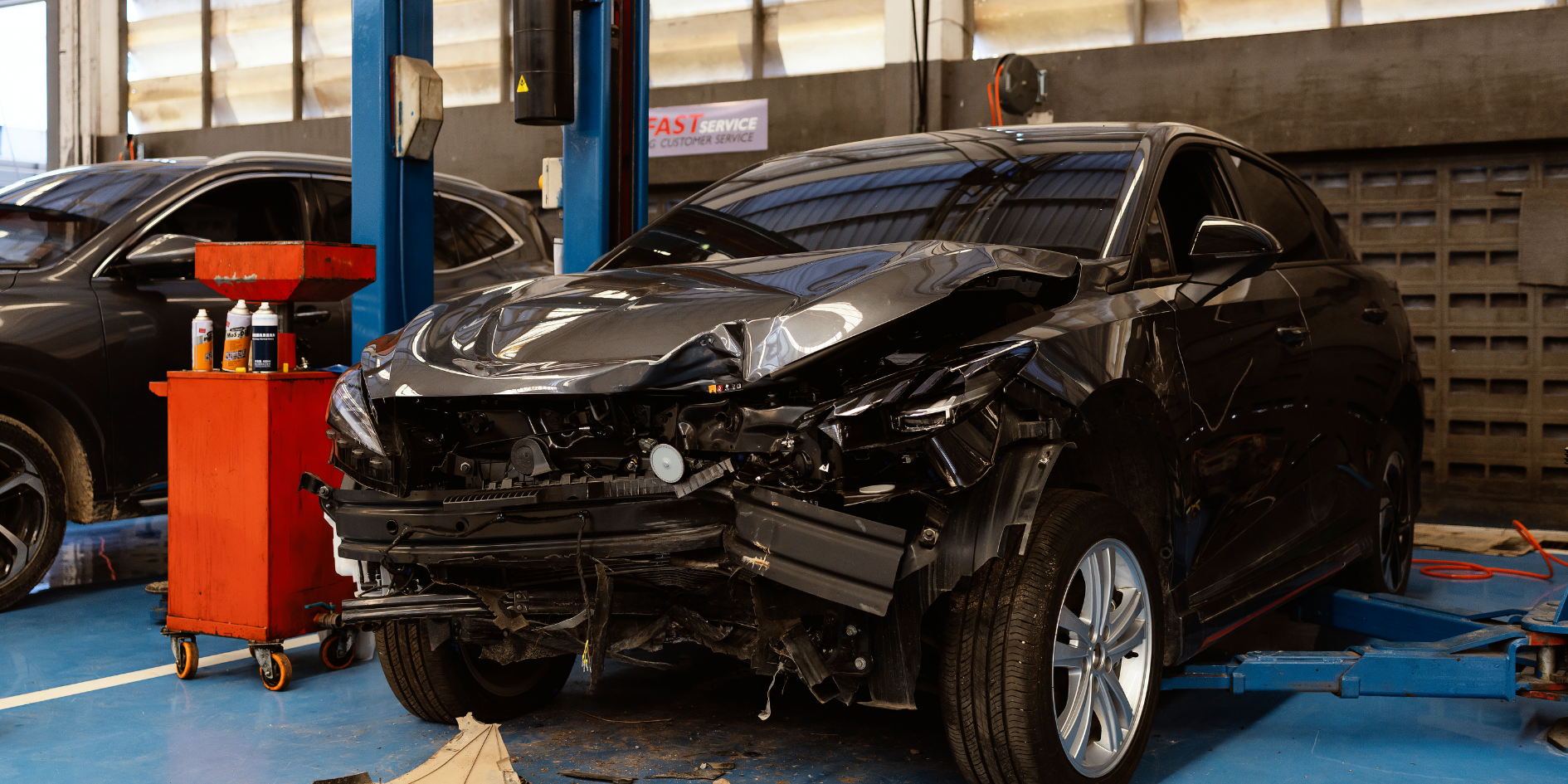
After an accident, the damage you can see isn’t always the only damage your vehicle sustained. A damaged bumper, dented quarter panel, or broken headlight may be obvious, but the impact can also affect structural components underneath the vehicle’s exterior. At Dealership Autoplex Collision Center (DACC) , we believe a proper collision repair is about more than making a vehicle look good again. It’s about identifying and addressing the damage that may be hidden underneath. What Is Structural Damage? Modern vehicles are designed with structural components that help support the vehicle and manage crash forces. Depending on the location and severity of an impact, a collision can potentially affect areas such as: Frame or unibody components Structural rails Suspension mounting points Body alignment Doors and panels Wheel alignment Bumpers and reinforcement components Even an accident that doesn’t appear severe from the outside can sometimes cause damage behind exterior panels.
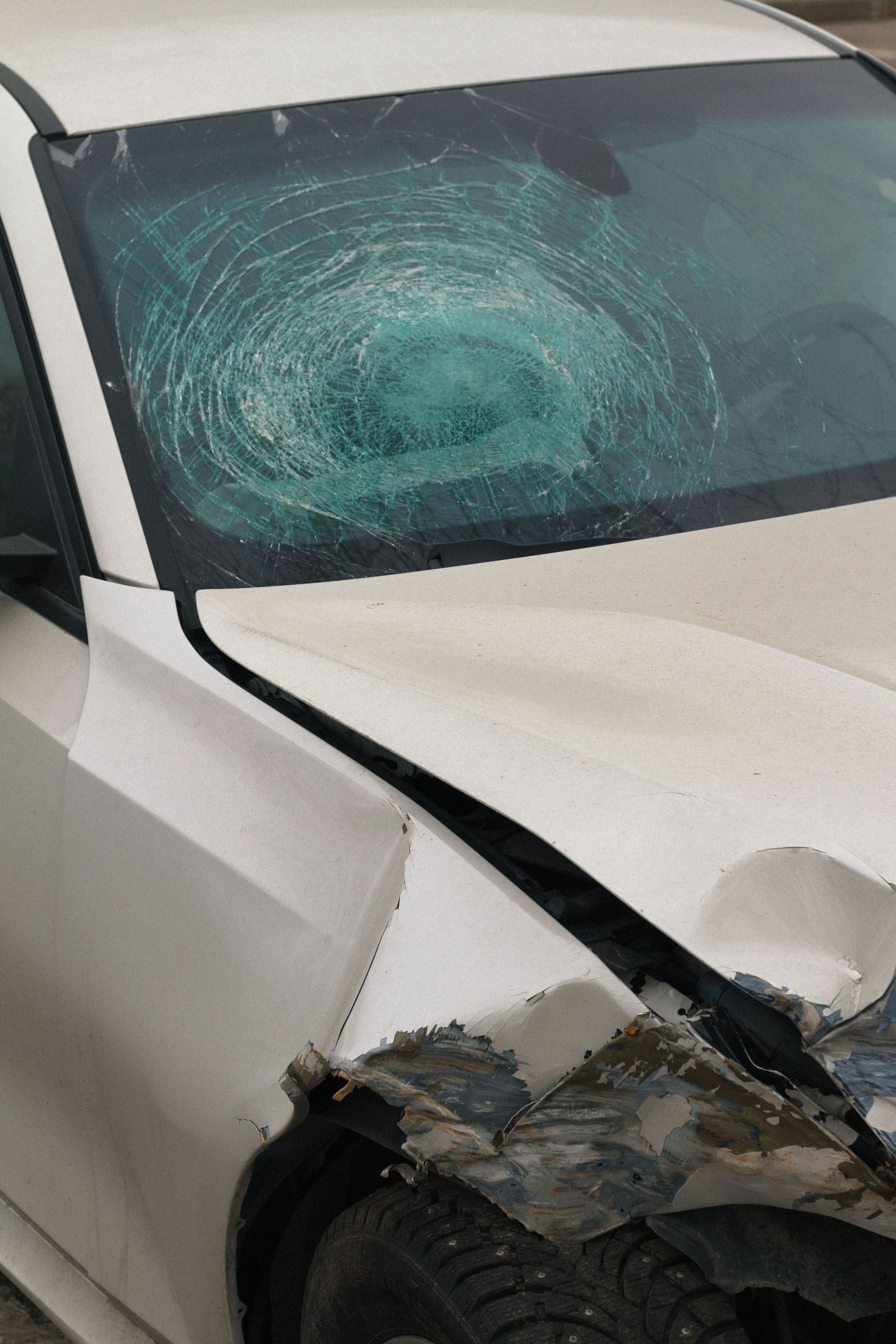
After a car accident, there are a lot of decisions to make. Between filing an insurance claim, arranging transportation, and getting your vehicle repaired, the process can quickly become overwhelming. One common question we hear at Dealership Autoplex Collision Center (DACC) is: “Do I have to use the collision repair shop my insurance company recommends?” In Texas, you generally have the right to choose the repair facility you want to handle your vehicle. Your Insurance Company May Recommend a Shop After you file a claim, your insurance company may provide a list of repair facilities or recommend one of its preferred shops. While these recommendations can be convenient, you are not necessarily required to choose a shop simply because it was suggested by the insurance company. Your vehicle is an important investment, and you should feel comfortable with the facility performing the repairs. What Should You Look for in a Collision Repair Shop? When choosing a collision center, consider more than just how quickly the shop can get your vehicle in. Look for a facility that provides: Experienced collision repair technicians Proper structural and body repairs Professional paint matching and refinishing Clear communication throughout the repair process Assistance working with insurance companies Quality-control inspections before the vehicle is returned Help coordinating rental transportation when needed A quality collision repair should restore more than the appearance of your vehicle. The goal is to properly repair the damage and return the vehicle to you safely and professionally.

Today’s vehicles are equipped with more technology than ever before. Cameras, radar sensors, parking sensors, lane-assist systems, and automatic emergency braking can all be affected by a collision—even when the damage appears minor. That’s why modern collision repair involves much more than repairing dents and replacing damaged parts. What Is ADAS? ADAS stands for Advanced Driver Assistance Systems. Depending on your vehicle, these systems may include: Forward collision warning Automatic emergency braking Lane departure warning Lane-keeping assistance Adaptive cruise control Blind-spot monitoring Parking assistance Surround-view or backup cameras Many of these features rely on cameras and sensors positioned throughout the vehicle.