

What is the Importance of Vehicle Maintenance
September 23, 2021
Auto Maintenance | Auto Repair
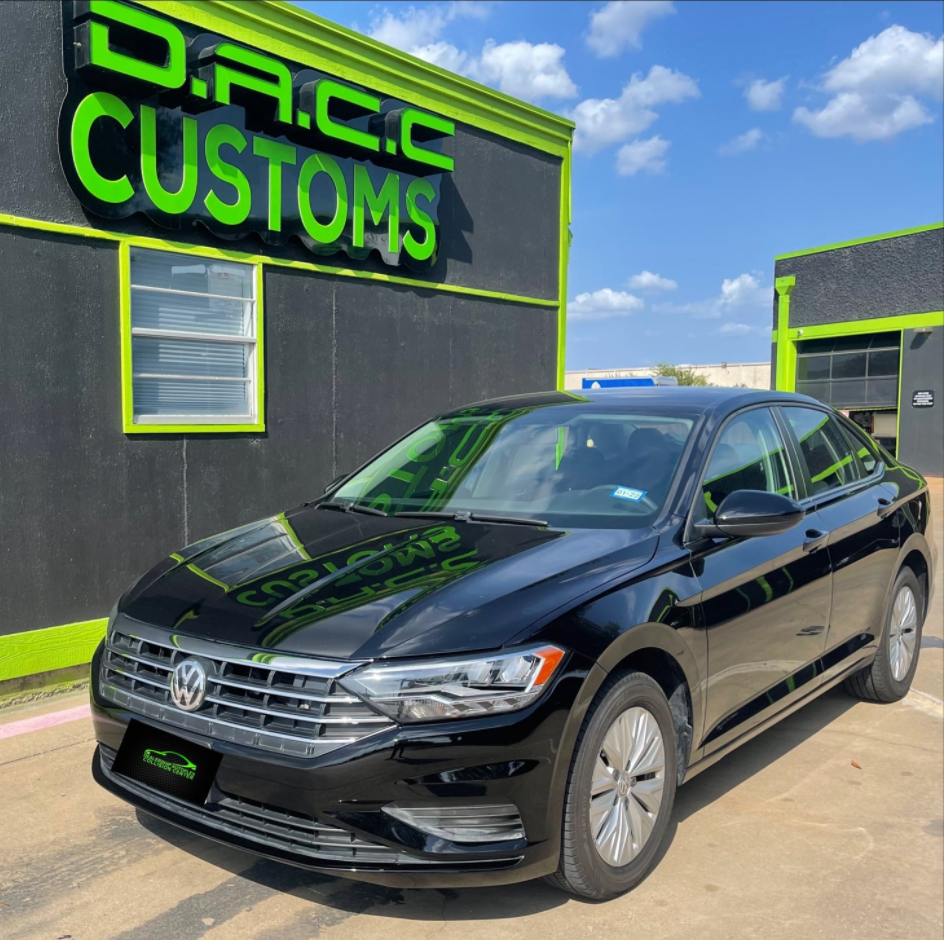
From saving you money to saving your life, performing auto maintenance on your car does a lot more than ya’ll’ll believe for your next trip up highway 90.
After all, as self-repairing cars haven’t yet been announced on the auto market, it’s important to keep on top of how your car is doing in just the same way as we do with ourselves. Whether it’s topping up with vital fluids (water for us, oil for our motors) or making sure the brake pads are still going to be able to do their job on the next trip out.
So, our team of experts right here at Dealership Autoplex Collision Center has gathered 9 reasons why auto maintenance is so important for you and your car.
1. Safety Increase
Taking the motor in for its yearly check-up means being able to predict and prevent the breakage or failure of key components in your car. For example, rust under the chassis, tire tread, coolant fluid levels or even locking mechanisms. If any of these break in transit, you and your passengers could be severely injured.
2. Performance Increase
Performance relates to both the fuel economy of your vehicle as well as how well all the bearings are still aligned to make sure power transmission and comfort are high on the importance list. If you identify a need for auto repair in maintenance checks, it’s an easy fix before getting back onto the road to save you and your pocket later.
3. Pocket Savings
Preventative care means having the time to be able to identify something that could be needed later on and being mindful about the repair. Whether that’s gathering funds or being on the look-out for a quality part that suits your budget. Spending a little now can save a lot in the long run before emergency fixes are needed.
4. Fuel Consumption
When your car is performing at its best, it’s not going to be using up as much gas to keep the engine running down the street. When parts begin to deteriorate and bearings start to fail, friction causes the engine to need more gas power in order to kick out the same mileage. So, preventative auto repair means less fueling up!
5. Time Savings
When we say time savings, we mean time spreading. You’d probably prefer to be out of reach from your vehicle for one day in the year rather than a whole week. Yet, without an effective auto maintenance schedule keeping your car in check, big faults can occur leading to a trip to an auto repair center and a wait for parts.
6. Value Maintenance
Especially one to keep in mind if you plan to sell your car in a few years to level up onto the next engine or even onto an electric motor. Only because your cars value will remain high with as much care as you can stretch to under the hood. In other words, when you have an auto maintenance schedule, the next car owner will pay you for it!
7. Life Extension
Your car’s life isn’t simply dependent on the milage it’s accrued over the years of highway and street driving. In fact, the general claim that a car will last around 150,000 miles is only possible with good auto repair and a schedule for preventative auto maintenance. Plus, it’s always worth checking manufacturer’s specification.
8. Reduced Repair
Auto repair, when unexpected, can be detrimental on the weight of your wallet; pulling dollars out left right and center for parts you might not have known even existed. Applying a preventative auto maintenance schedule makes sure nothing creeps up unexpectedly and failed parts don’t lead to other breakages down the road.
9. Environmental Care
Much like with performance and fuel consumption, the better and more efficient your car is running, the more friendly it will be to the environment. Simply as it will consume less gas to do the same miles and – with a healthy catalytic converter at your exhaust – you’ll be releasing fewer dangerous emissions into the environment.
And that sums up our 9 reasons for why auto repair through maintenance is so important. Hera at Dealership Autoplex Collision Center, we offer regular servicing and auto maintenance with our ASE-certified technicians.
So, if you want to book your vehicle into the shop, call the team on (972) 242-0092. Alternatively, if you want to discover more of our services through the collision center, visit our website where we share everything from hood to truck or roll straight into the shop here in Carrollton, TX.
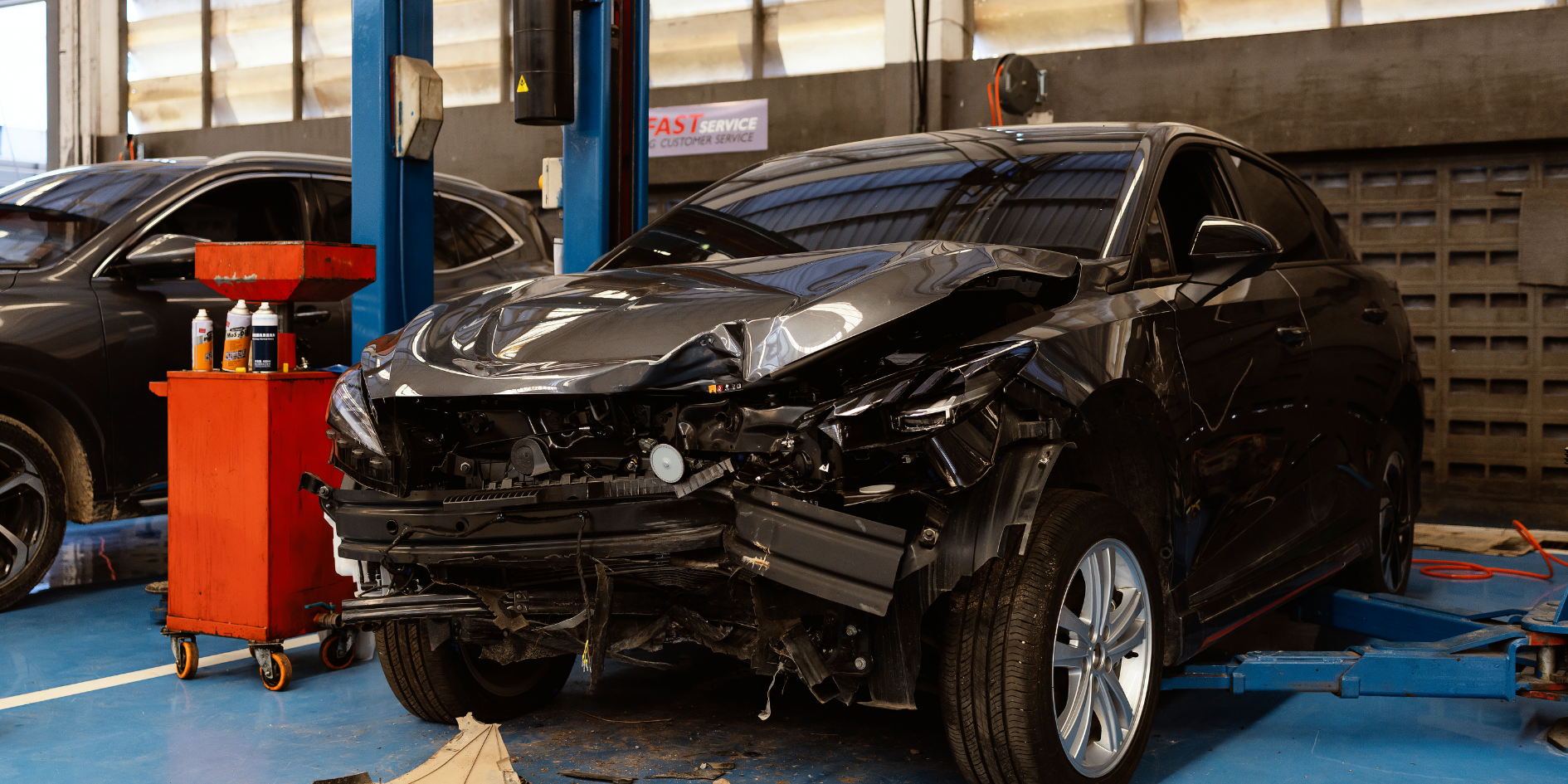
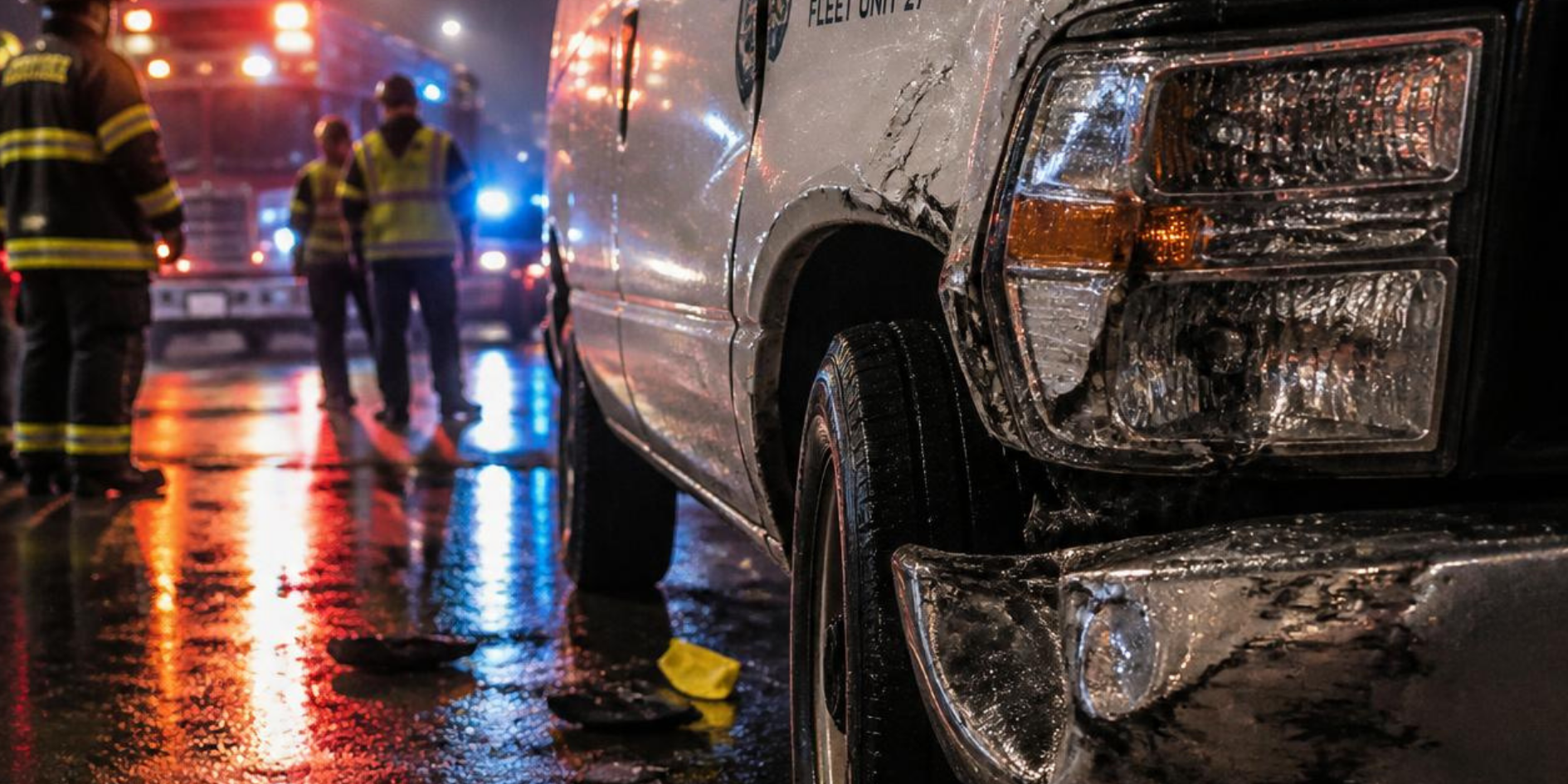
After an accident, the damage you can see isn’t always the only damage your vehicle sustained. A damaged bumper, dented quarter panel, or broken headlight may be obvious, but the impact can also affect structural components underneath the vehicle’s exterior. At Dealership Autoplex Collision Center (DACC) , we believe a proper collision repair is about more than making a vehicle look good again. It’s about identifying and addressing the damage that may be hidden underneath. What Is Structural Damage? Modern vehicles are designed with structural components that help support the vehicle and manage crash forces. Depending on the location and severity of an impact, a collision can potentially affect areas such as: Frame or unibody components Structural rails Suspension mounting points Body alignment Doors and panels Wheel alignment Bumpers and reinforcement components Even an accident that doesn’t appear severe from the outside can sometimes cause damage behind exterior panels.
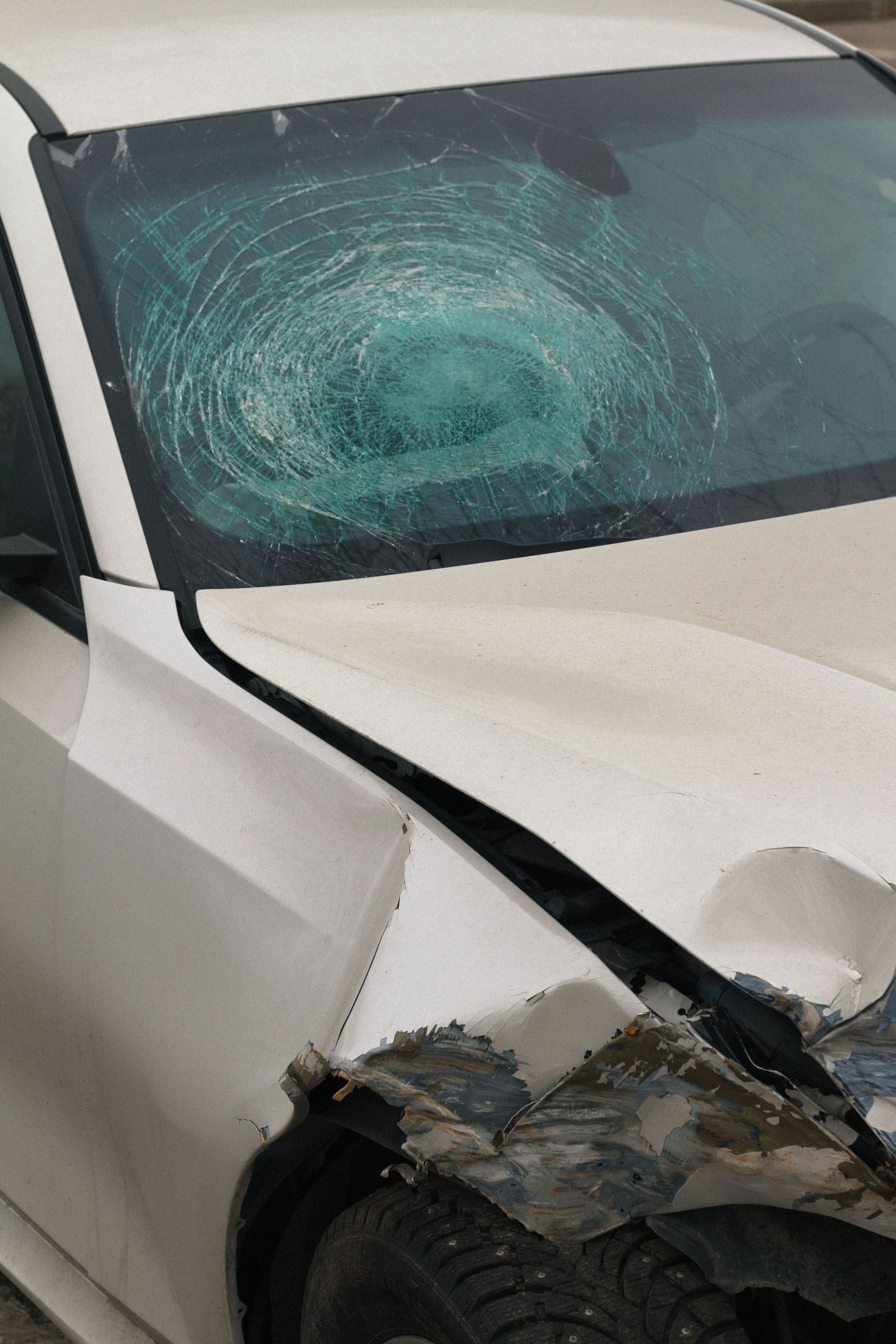
After a car accident, there are a lot of decisions to make. Between filing an insurance claim, arranging transportation, and getting your vehicle repaired, the process can quickly become overwhelming. One common question we hear at Dealership Autoplex Collision Center (DACC) is: “Do I have to use the collision repair shop my insurance company recommends?” In Texas, you generally have the right to choose the repair facility you want to handle your vehicle. Your Insurance Company May Recommend a Shop After you file a claim, your insurance company may provide a list of repair facilities or recommend one of its preferred shops. While these recommendations can be convenient, you are not necessarily required to choose a shop simply because it was suggested by the insurance company. Your vehicle is an important investment, and you should feel comfortable with the facility performing the repairs. What Should You Look for in a Collision Repair Shop? When choosing a collision center, consider more than just how quickly the shop can get your vehicle in. Look for a facility that provides: Experienced collision repair technicians Proper structural and body repairs Professional paint matching and refinishing Clear communication throughout the repair process Assistance working with insurance companies Quality-control inspections before the vehicle is returned Help coordinating rental transportation when needed A quality collision repair should restore more than the appearance of your vehicle. The goal is to properly repair the damage and return the vehicle to you safely and professionally.
Today’s vehicles are equipped with more technology than ever before. Cameras, radar sensors, parking sensors, lane-assist systems, and automatic emergency braking can all be affected by a collision—even when the damage appears minor. That’s why modern collision repair involves much more than repairing dents and replacing damaged parts. What Is ADAS? ADAS stands for Advanced Driver Assistance Systems. Depending on your vehicle, these systems may include: Forward collision warning Automatic emergency braking Lane departure warning Lane-keeping assistance Adaptive cruise control Blind-spot monitoring Parking assistance Surround-view or backup cameras Many of these features rely on cameras and sensors positioned throughout the vehicle.