

A Car Enthusiast’s Guide to Blackout Services
May 31, 2022
Blackout Services | Blackout Grilles
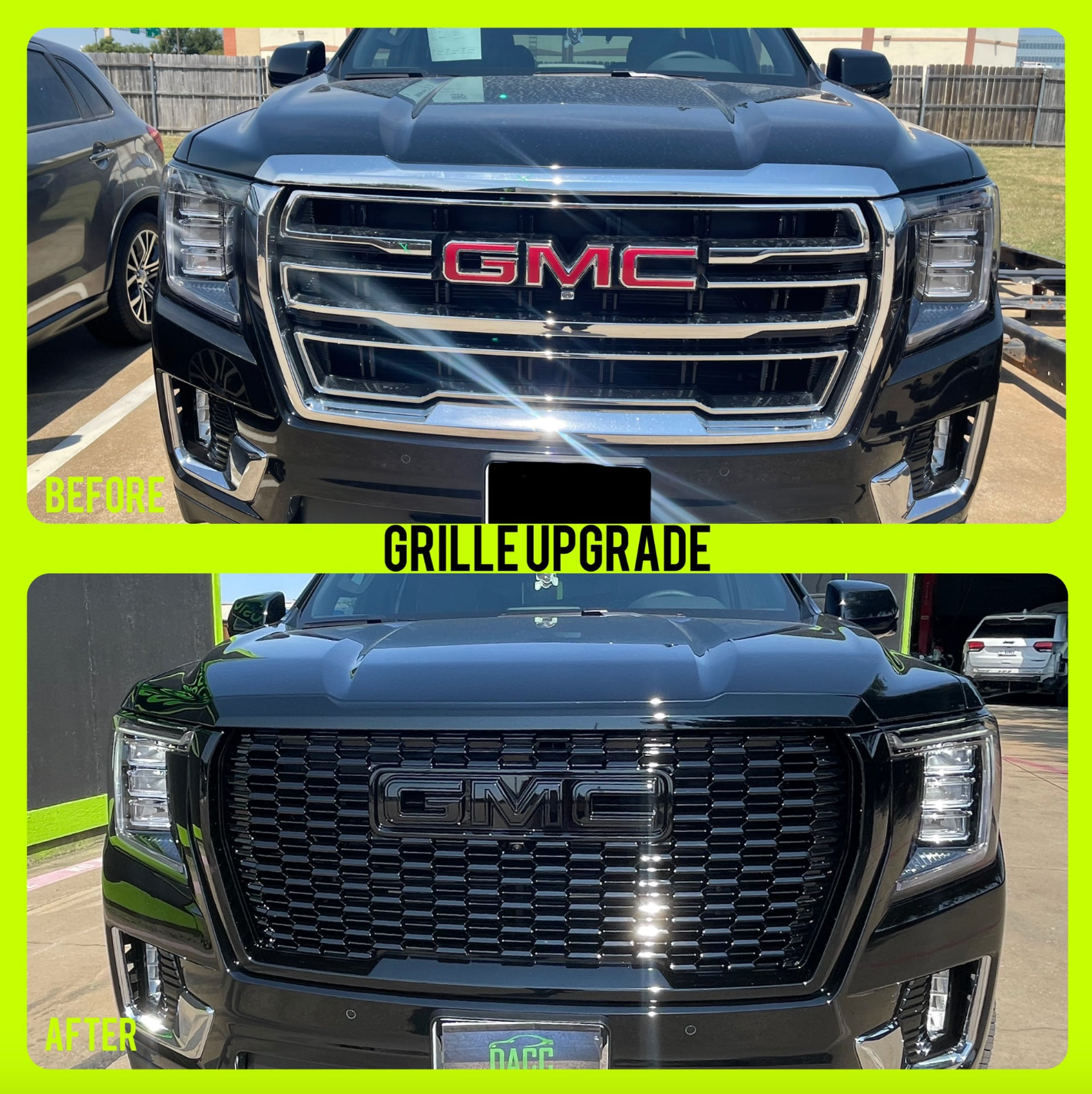
Blackout services are an aesthetic that takes your car to a new level; step up to the ranks of the Ford Raptor, Dodge Durango, Chevrolet Camaro and more.
This is a car enthusiast’s guide to blackout services because it’s all about the look when it comes to blacking out your car. In fact, we’re really a team of car enthusiasts here at D.A.C.C which is why we’re more than happy to get working from hood to bumper with chrome deletion on your car.
Here are all the answers to the questions about blackout grilles, blackout emblems, blackout trims and so much more:
1. What is a Blackout Package?
The blackout package is an aesthetic addition to your vehicle that takes it from colorful to ghost-mode. As many parts of your vehicle as you’d like can be given the blackout treatment which takes away chrome mirroring, pearlescence and color.
In short, you go into the dealership with a car and you come out from the technicians at D.A.C.C. with a very black car from front bumper to exhaust pipe. Here’s a list of areas you can change with blackout services.
· Black Wheel Trims · Center Caps · Painted Brake Calipers · Chrome Delete Bumpers · Blackout Grilles · Vehicle Badges and Emblems · Black Side Mirrors · Window Tints · Black Window Trims · Chrome Delete Roof Racks · Black Taillights · Moldings · Black Headlights · Painted Exhaust Tips · Blacked Glares · Chrome Delete Trunk Trim · Wrapped Roof
2. What is the Difference Between a Blackout and Chrome Delete?
When enquiring about blackout services whether it’s the popular black wheels, blackout grille, window tint or something else, you may also hear the phrase “chrome deletion”.
While “blackout services” cover everything on your vehicle than can be turned black, a “chrome delete” only refers to all the chrome car parts that can be deleted through wrap, paint or replacement.
3. Do Blackout Services Deal with Emblems and Car Logos?
Yes. You might think that the emblem on your vehicle is there to stay due to branding obligations or some other reason, but there’s nothing stopping you from requesting for a technician to blackout your logo.
One of the most common methods is to use a branded solution called Plasti Dip; this is a spray-on paint used to blackout emblems for up to 3 years with good bonding.
4. What Are the Legalities Around Blackout Services?
When it comes to blackout services, there are a few things you need to be aware of so you don’t get pulled over by the cops. For example, some drivers may want to completely black out their car, which takes a few car parts past the regulatory markers.
Here’s what the Texas Department of Public Safety says:
· If blackening of the headlamps does not impair their effectiveness, it is legal.
· If blackening of the tail lamps does not impair their effectiveness, it is legal.
· If the windows have a visible light transmission (VLT) of 25% or more and a reflection value below 25%, it is legal.
· If identifying letters, numbers or marks of the license plate are completely visible in all lights, it is legal.
And that wraps up this Q&A of blackout services. Here at Dealership Autoplex Collision Center, we work in legal chrome deletion and blackout services a lot. To see some of our favorite and most recent blackouts, ride over to our Facebook and YouTube where we showcase some of the best.
Alternatively, get in touch with our ASE-certified team via our website, email or phoneline on (972) 242-0092 for a free estimate. Whether you’re opting for just the blackout grille, some new black trims or the whole package, we’re looking forward to seeing you at the shop here in Carrollton, TX.
This is a car enthusiast’s guide to blackout services because it’s all about the look when it comes to blacking out your car. In fact, we’re really a team of car enthusiasts here at D.A.C.C which is why we’re more than happy to get working from hood to bumper with chrome deletion on your car.
Here are all the answers to the questions about blackout grilles, blackout emblems, blackout trims and so much more:
1. What is a Blackout Package?
The blackout package is an aesthetic addition to your vehicle that takes it from colorful to ghost-mode. As many parts of your vehicle as you’d like can be given the blackout treatment which takes away chrome mirroring, pearlescence and color.
In short, you go into the dealership with a car and you come out from the technicians at D.A.C.C. with a very black car from front bumper to exhaust pipe. Here’s a list of areas you can change with blackout services.
· Black Wheel Trims · Center Caps · Painted Brake Calipers · Chrome Delete Bumpers · Blackout Grilles · Vehicle Badges and Emblems · Black Side Mirrors · Window Tints · Black Window Trims · Chrome Delete Roof Racks · Black Taillights · Moldings · Black Headlights · Painted Exhaust Tips · Blacked Glares · Chrome Delete Trunk Trim · Wrapped Roof
2. What is the Difference Between a Blackout and Chrome Delete?
When enquiring about blackout services whether it’s the popular black wheels, blackout grille, window tint or something else, you may also hear the phrase “chrome deletion”.
While “blackout services” cover everything on your vehicle than can be turned black, a “chrome delete” only refers to all the chrome car parts that can be deleted through wrap, paint or replacement.
3. Do Blackout Services Deal with Emblems and Car Logos?
Yes. You might think that the emblem on your vehicle is there to stay due to branding obligations or some other reason, but there’s nothing stopping you from requesting for a technician to blackout your logo.
One of the most common methods is to use a branded solution called Plasti Dip; this is a spray-on paint used to blackout emblems for up to 3 years with good bonding.
4. What Are the Legalities Around Blackout Services?
When it comes to blackout services, there are a few things you need to be aware of so you don’t get pulled over by the cops. For example, some drivers may want to completely black out their car, which takes a few car parts past the regulatory markers.
Here’s what the Texas Department of Public Safety says:
· If blackening of the headlamps does not impair their effectiveness, it is legal.
· If blackening of the tail lamps does not impair their effectiveness, it is legal.
· If the windows have a visible light transmission (VLT) of 25% or more and a reflection value below 25%, it is legal.
· If identifying letters, numbers or marks of the license plate are completely visible in all lights, it is legal.
And that wraps up this Q&A of blackout services. Here at Dealership Autoplex Collision Center, we work in legal chrome deletion and blackout services a lot. To see some of our favorite and most recent blackouts, ride over to our Facebook and YouTube where we showcase some of the best.
Alternatively, get in touch with our ASE-certified team via our website, email or phoneline on (972) 242-0092 for a free estimate. Whether you’re opting for just the blackout grille, some new black trims or the whole package, we’re looking forward to seeing you at the shop here in Carrollton, TX.
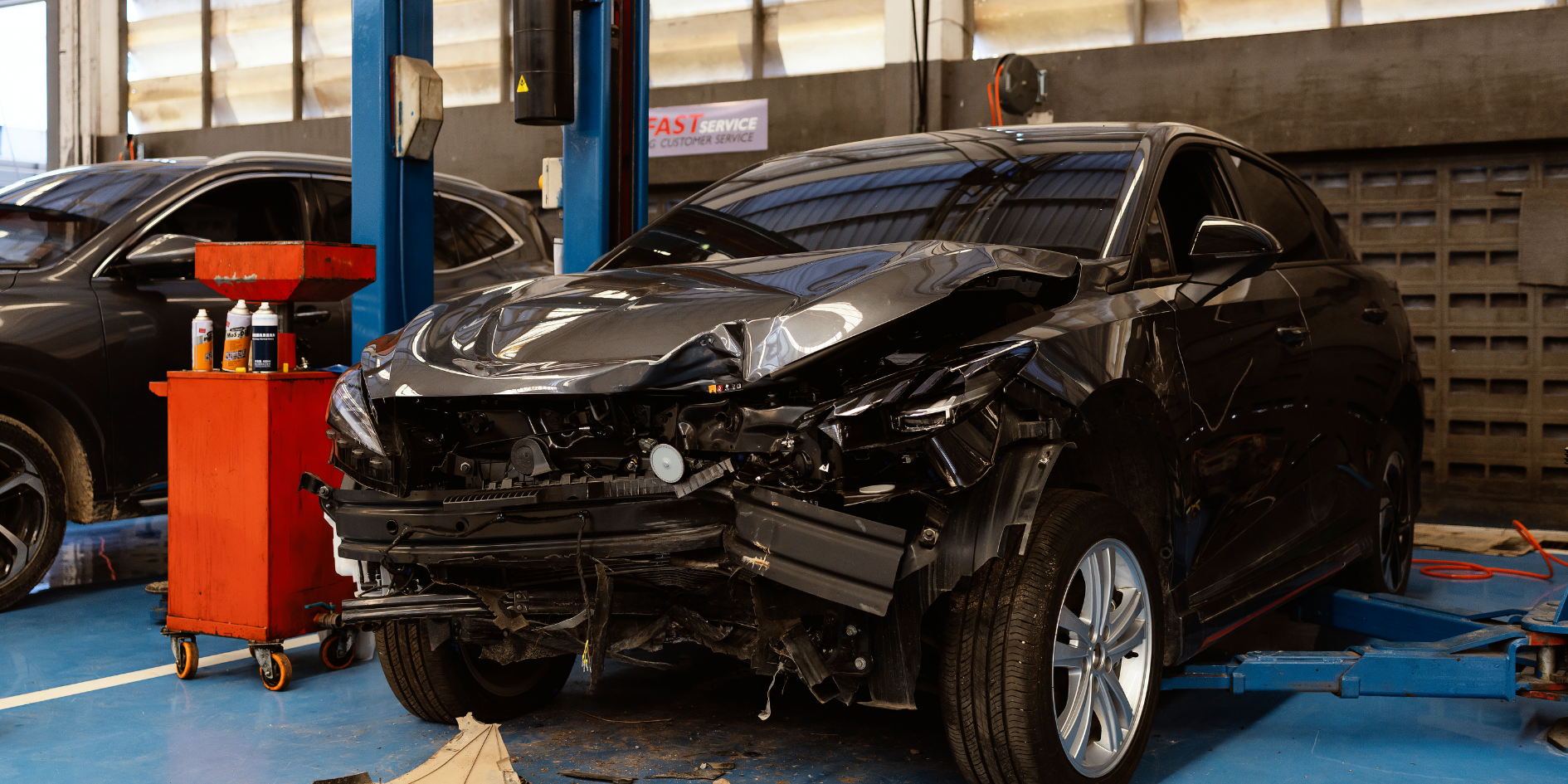
After an accident, the damage you can see isn’t always the only damage your vehicle sustained. A damaged bumper, dented quarter panel, or broken headlight may be obvious, but the impact can also affect structural components underneath the vehicle’s exterior. At Dealership Autoplex Collision Center (DACC) , we believe a proper collision repair is about more than making a vehicle look good again. It’s about identifying and addressing the damage that may be hidden underneath. What Is Structural Damage? Modern vehicles are designed with structural components that help support the vehicle and manage crash forces. Depending on the location and severity of an impact, a collision can potentially affect areas such as: Frame or unibody components Structural rails Suspension mounting points Body alignment Doors and panels Wheel alignment Bumpers and reinforcement components Even an accident that doesn’t appear severe from the outside can sometimes cause damage behind exterior panels.
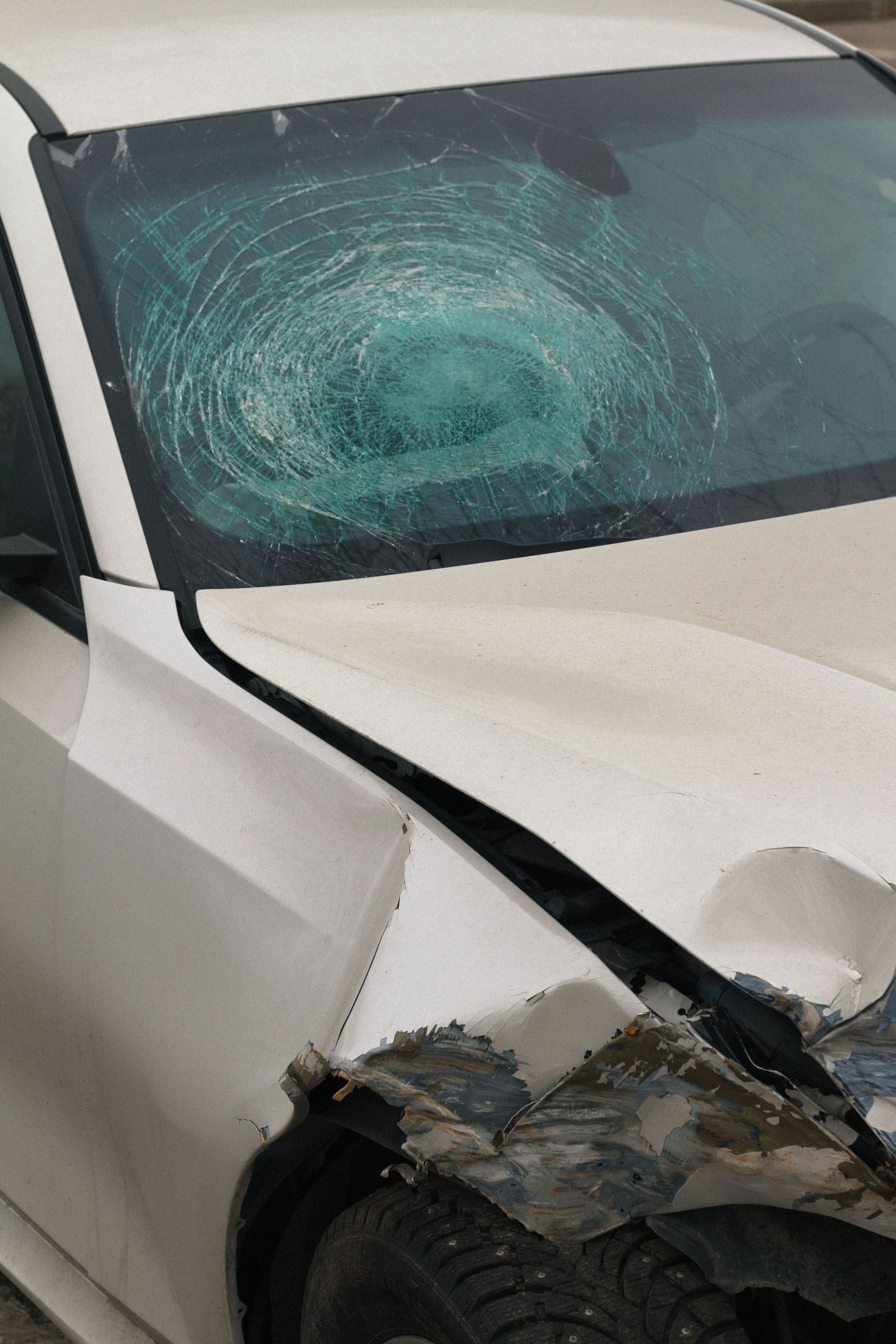
After a car accident, there are a lot of decisions to make. Between filing an insurance claim, arranging transportation, and getting your vehicle repaired, the process can quickly become overwhelming. One common question we hear at Dealership Autoplex Collision Center (DACC) is: “Do I have to use the collision repair shop my insurance company recommends?” In Texas, you generally have the right to choose the repair facility you want to handle your vehicle. Your Insurance Company May Recommend a Shop After you file a claim, your insurance company may provide a list of repair facilities or recommend one of its preferred shops. While these recommendations can be convenient, you are not necessarily required to choose a shop simply because it was suggested by the insurance company. Your vehicle is an important investment, and you should feel comfortable with the facility performing the repairs. What Should You Look for in a Collision Repair Shop? When choosing a collision center, consider more than just how quickly the shop can get your vehicle in. Look for a facility that provides: Experienced collision repair technicians Proper structural and body repairs Professional paint matching and refinishing Clear communication throughout the repair process Assistance working with insurance companies Quality-control inspections before the vehicle is returned Help coordinating rental transportation when needed A quality collision repair should restore more than the appearance of your vehicle. The goal is to properly repair the damage and return the vehicle to you safely and professionally.
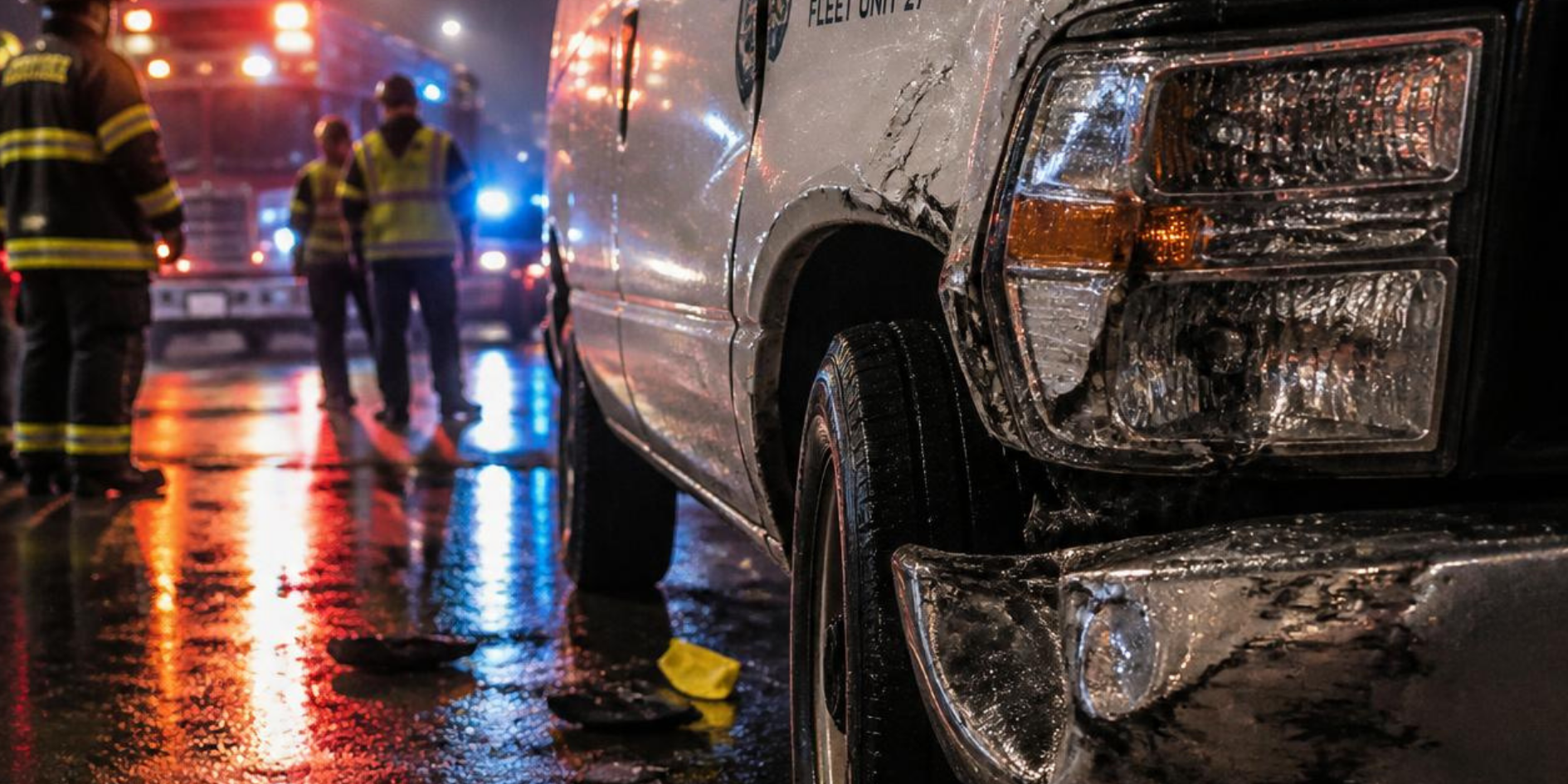
Today’s vehicles are equipped with more technology than ever before. Cameras, radar sensors, parking sensors, lane-assist systems, and automatic emergency braking can all be affected by a collision—even when the damage appears minor. That’s why modern collision repair involves much more than repairing dents and replacing damaged parts. What Is ADAS? ADAS stands for Advanced Driver Assistance Systems. Depending on your vehicle, these systems may include: Forward collision warning Automatic emergency braking Lane departure warning Lane-keeping assistance Adaptive cruise control Blind-spot monitoring Parking assistance Surround-view or backup cameras Many of these features rely on cameras and sensors positioned throughout the vehicle.