

The Value of I-CAR Technicians by the 8 Learning Paths
May 18, 2022
I-CAR Technicians | I-CAR Certification
No, this is not the newest announcement to come from Apple. I-CAR certification is the guarantee that your technicians have had the proper training.
If you’ve already read the introduction to I-CAR in our other article, you’ll have a good idea as to how important it is to you. If not, have a read of “How an I-CAR Certified Technician Means Key Care for Your Car”; it’ll guide you into the basics!
I-CAR has become an industry standard producer of trusted technicians that work all across the Lone Star State and beyond. In their specialized areas, each technician has the skills and training required to ensure your car is not only fit for the road but is in line with regulation and meets quality to keep the motor humming down the highway.
In total, there are 8 “Learning Paths” that can increase the value of I-CAR technicians. These range from structural repair and hands-on skills development to non-structural operations and management roles.
1. An Estimator
When your car comes into a shop after a collision, it must be carefully analyzed before an estimate can be provided to negotiate costs with you, the repairers in the shop and the insurance personnel.
Throughout the curriculum, an I-CAR technician will train to assess structural damage in Level 1, write estimates in Level 2 and manage quality control in Level 3 among many other skill sets.
2. A Non-Structural Technician
In this role, a technician must pass all three skill levels before achieving Platinum™ recognition. During training, non-structural technicians gather the correct tools and knowledge to restore damaged panels to the exterior of your vehicle.
The technician must be well-acquainted with a variety of autobody materials including steel, aluminum, carbon fiber, plastic, glass, etc. They’ll use hand tools and power tools in their process to restore panels to their original integrity and appearance.
3. A Structural Technician
A structural I-CAR technician is a required individual in autobody shops to achieve recognition and trust. These technicians will take your collision-damaged vehicle and asses its internal structures.
In the course, the technician learns how to diagnose, weld, replace, measure, install, bond, braze and much more. These skill sets allow for the vehicle to be taken back to manufacturer specifications so it can pass Texan regulation and be safe for road usage. 4. A Refinish Technician
This certification is required for technicians looking to classify skills in body paint restoration. Whether from hail or collision damage, the technician must work with hazardous tools and materials to sand, mask, color match, mix, tint, spray and seal.
To learn more about the processes a technician will apply with this I-CAR certification, read our other articles “Your State-of-The-Art Auto Body, Frame and Paint Facility” and “The 9 Steps of Computerized Paint Matching to Original Factory Specifications”.
5. A Production Manager
This role is integral to the smooth operations between you, the technicians and mechanics working on your vehicle, the manufacturers and your insurers. When trained correctly through I-CAR certification, they can help prevent shop deficiencies.
During training, they must pass 2 levels. In these levels, they’ll learn everything from pre-repair processes, through to effective blueprinting with everything in between. For example, disposing of hazardous waste and vehicle protection.
6. An Electrical and Diagnostics Technician
This technician follows original equipment manufacturer (OEM) information to calibrate the repairs process. When qualified, they’ll perform pre-repair scans on your car to gain relevant part codes as well as post-repair scans to verify processing.
The role focuses on every aspect of your car repair such as safety and convenience parts, cameras, sensors and panels. Plus, training as an electrical and diagnostics technician leads to the learning path of more specialized ADAS repairs.
7. A Mechanical Technician
The mechanical technician must complete all three levels of raining to become I-CAR certified in this role. They will be responsible for the diagnosis and repair of any mechanical damage your vehicle sees after collision.
During training they will train to specialize in the repairing of steering, air conditioning, suspension, brake, electrical system, engine and restraint components among others. In addition, they will refine their knowledge regarding safety.
8. An Auto Physical Damage Appraiser
Auto physical damage appraisers have the role of inspection, evaluation and analysis of your damaged vehicle. They will often travel to the collision site with a tow truck to collect and assess. They’ll then create a report for the technicians and insurers.
It’s the role of the damage appraiser to use computers and work with estimators to document all aspects on the claims process. Therefore, certified I-CAR technicians will be an immediate gauge of trust for both you and the claims investigation team.
Here at the Dealership Autoplex Collision Center, we take the value of I-CAR technicians very seriously. This is because it is our job and duty to ensure your motor is fit and well for you to drive away in, and we want each customer to know their vehicle is in the safe hands of certified mechanics and technicians.
That’s why our shop is filled with I-CAR certification among our technicians. In addition, as a collision center, we are ASE (Automotive Service Excellence) certified so you know every member of our team is here to provide professional automotive care to you and your car.
To contact the team and learn more about the value of I-CAR technicians in-house, visit our website, email us or call on (972) 242-0092. Alternatively, you can stop by the shop and talk with us here in Carrollton, TX.
If you’ve already read the introduction to I-CAR in our other article, you’ll have a good idea as to how important it is to you. If not, have a read of “How an I-CAR Certified Technician Means Key Care for Your Car”; it’ll guide you into the basics!
I-CAR has become an industry standard producer of trusted technicians that work all across the Lone Star State and beyond. In their specialized areas, each technician has the skills and training required to ensure your car is not only fit for the road but is in line with regulation and meets quality to keep the motor humming down the highway.
In total, there are 8 “Learning Paths” that can increase the value of I-CAR technicians. These range from structural repair and hands-on skills development to non-structural operations and management roles.
1. An Estimator
When your car comes into a shop after a collision, it must be carefully analyzed before an estimate can be provided to negotiate costs with you, the repairers in the shop and the insurance personnel.
Throughout the curriculum, an I-CAR technician will train to assess structural damage in Level 1, write estimates in Level 2 and manage quality control in Level 3 among many other skill sets.
2. A Non-Structural Technician
In this role, a technician must pass all three skill levels before achieving Platinum™ recognition. During training, non-structural technicians gather the correct tools and knowledge to restore damaged panels to the exterior of your vehicle.
The technician must be well-acquainted with a variety of autobody materials including steel, aluminum, carbon fiber, plastic, glass, etc. They’ll use hand tools and power tools in their process to restore panels to their original integrity and appearance.
3. A Structural Technician
A structural I-CAR technician is a required individual in autobody shops to achieve recognition and trust. These technicians will take your collision-damaged vehicle and asses its internal structures.
In the course, the technician learns how to diagnose, weld, replace, measure, install, bond, braze and much more. These skill sets allow for the vehicle to be taken back to manufacturer specifications so it can pass Texan regulation and be safe for road usage. 4. A Refinish Technician
This certification is required for technicians looking to classify skills in body paint restoration. Whether from hail or collision damage, the technician must work with hazardous tools and materials to sand, mask, color match, mix, tint, spray and seal.
To learn more about the processes a technician will apply with this I-CAR certification, read our other articles “Your State-of-The-Art Auto Body, Frame and Paint Facility” and “The 9 Steps of Computerized Paint Matching to Original Factory Specifications”.
5. A Production Manager
This role is integral to the smooth operations between you, the technicians and mechanics working on your vehicle, the manufacturers and your insurers. When trained correctly through I-CAR certification, they can help prevent shop deficiencies.
During training, they must pass 2 levels. In these levels, they’ll learn everything from pre-repair processes, through to effective blueprinting with everything in between. For example, disposing of hazardous waste and vehicle protection.
6. An Electrical and Diagnostics Technician
This technician follows original equipment manufacturer (OEM) information to calibrate the repairs process. When qualified, they’ll perform pre-repair scans on your car to gain relevant part codes as well as post-repair scans to verify processing.
The role focuses on every aspect of your car repair such as safety and convenience parts, cameras, sensors and panels. Plus, training as an electrical and diagnostics technician leads to the learning path of more specialized ADAS repairs.
7. A Mechanical Technician
The mechanical technician must complete all three levels of raining to become I-CAR certified in this role. They will be responsible for the diagnosis and repair of any mechanical damage your vehicle sees after collision.
During training they will train to specialize in the repairing of steering, air conditioning, suspension, brake, electrical system, engine and restraint components among others. In addition, they will refine their knowledge regarding safety.
8. An Auto Physical Damage Appraiser
Auto physical damage appraisers have the role of inspection, evaluation and analysis of your damaged vehicle. They will often travel to the collision site with a tow truck to collect and assess. They’ll then create a report for the technicians and insurers.
It’s the role of the damage appraiser to use computers and work with estimators to document all aspects on the claims process. Therefore, certified I-CAR technicians will be an immediate gauge of trust for both you and the claims investigation team.
Here at the Dealership Autoplex Collision Center, we take the value of I-CAR technicians very seriously. This is because it is our job and duty to ensure your motor is fit and well for you to drive away in, and we want each customer to know their vehicle is in the safe hands of certified mechanics and technicians.
That’s why our shop is filled with I-CAR certification among our technicians. In addition, as a collision center, we are ASE (Automotive Service Excellence) certified so you know every member of our team is here to provide professional automotive care to you and your car.
To contact the team and learn more about the value of I-CAR technicians in-house, visit our website, email us or call on (972) 242-0092. Alternatively, you can stop by the shop and talk with us here in Carrollton, TX.
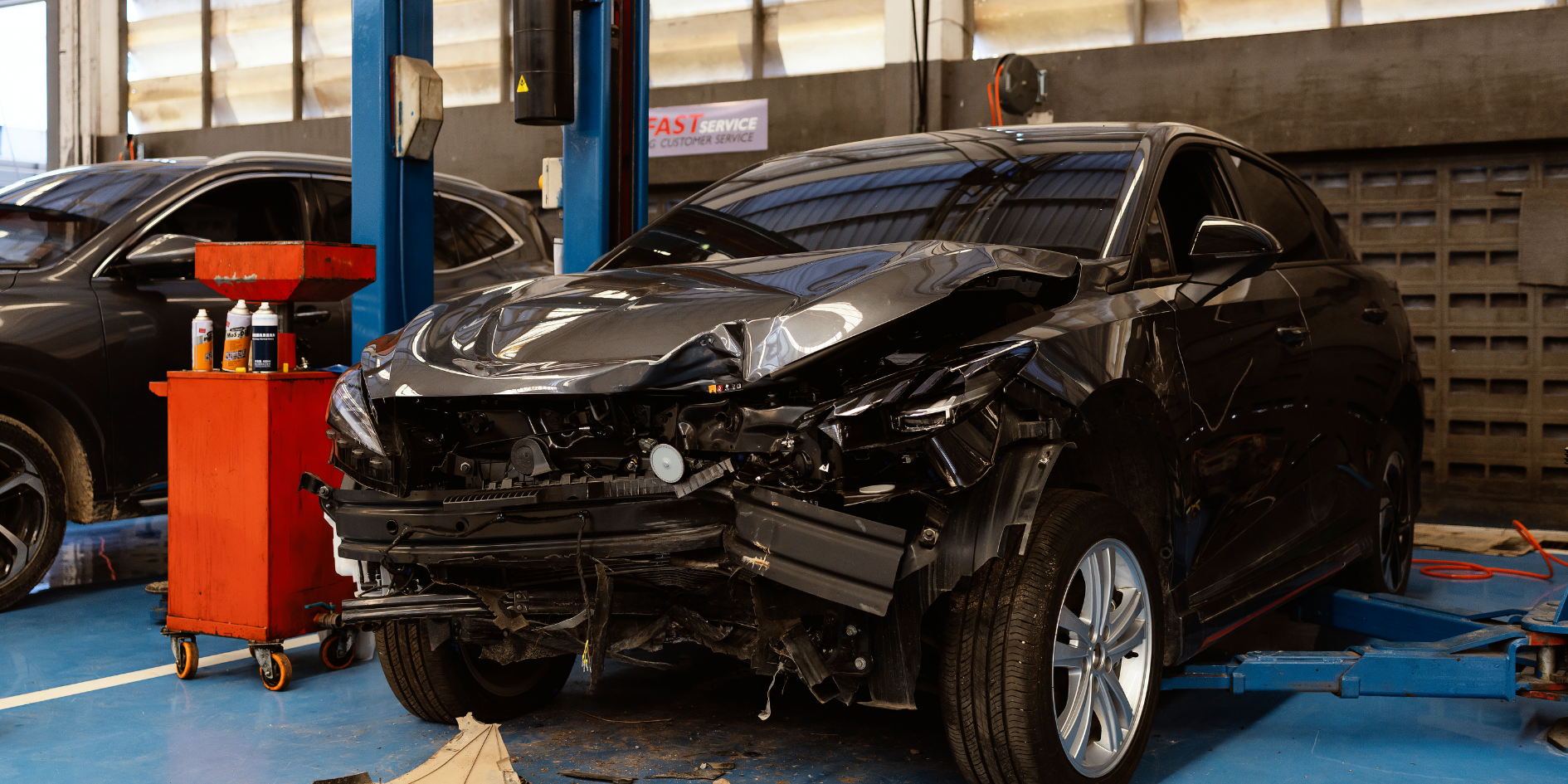
After an accident, the damage you can see isn’t always the only damage your vehicle sustained. A damaged bumper, dented quarter panel, or broken headlight may be obvious, but the impact can also affect structural components underneath the vehicle’s exterior. At Dealership Autoplex Collision Center (DACC) , we believe a proper collision repair is about more than making a vehicle look good again. It’s about identifying and addressing the damage that may be hidden underneath. What Is Structural Damage? Modern vehicles are designed with structural components that help support the vehicle and manage crash forces. Depending on the location and severity of an impact, a collision can potentially affect areas such as: Frame or unibody components Structural rails Suspension mounting points Body alignment Doors and panels Wheel alignment Bumpers and reinforcement components Even an accident that doesn’t appear severe from the outside can sometimes cause damage behind exterior panels.
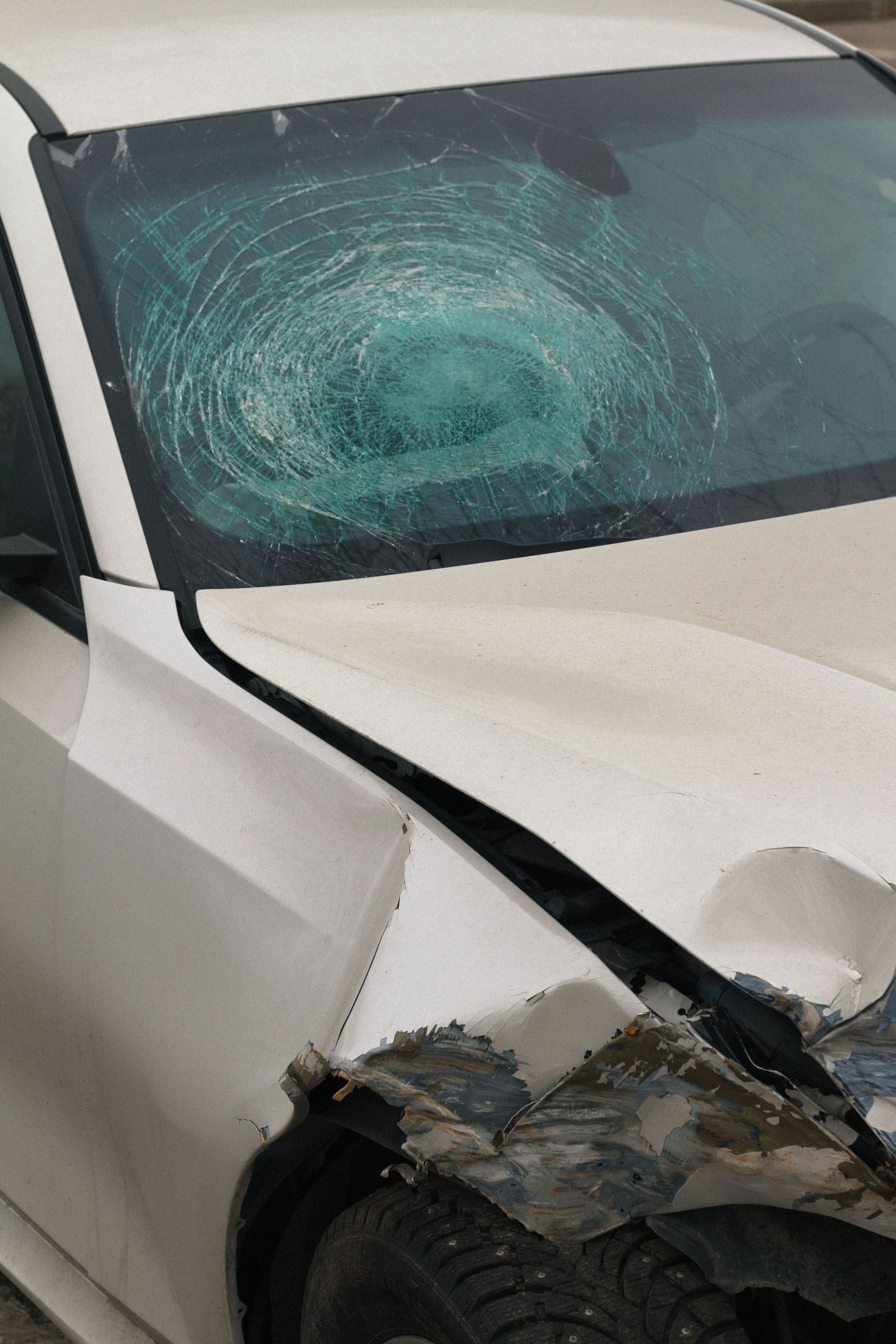
After a car accident, there are a lot of decisions to make. Between filing an insurance claim, arranging transportation, and getting your vehicle repaired, the process can quickly become overwhelming. One common question we hear at Dealership Autoplex Collision Center (DACC) is: “Do I have to use the collision repair shop my insurance company recommends?” In Texas, you generally have the right to choose the repair facility you want to handle your vehicle. Your Insurance Company May Recommend a Shop After you file a claim, your insurance company may provide a list of repair facilities or recommend one of its preferred shops. While these recommendations can be convenient, you are not necessarily required to choose a shop simply because it was suggested by the insurance company. Your vehicle is an important investment, and you should feel comfortable with the facility performing the repairs. What Should You Look for in a Collision Repair Shop? When choosing a collision center, consider more than just how quickly the shop can get your vehicle in. Look for a facility that provides: Experienced collision repair technicians Proper structural and body repairs Professional paint matching and refinishing Clear communication throughout the repair process Assistance working with insurance companies Quality-control inspections before the vehicle is returned Help coordinating rental transportation when needed A quality collision repair should restore more than the appearance of your vehicle. The goal is to properly repair the damage and return the vehicle to you safely and professionally.
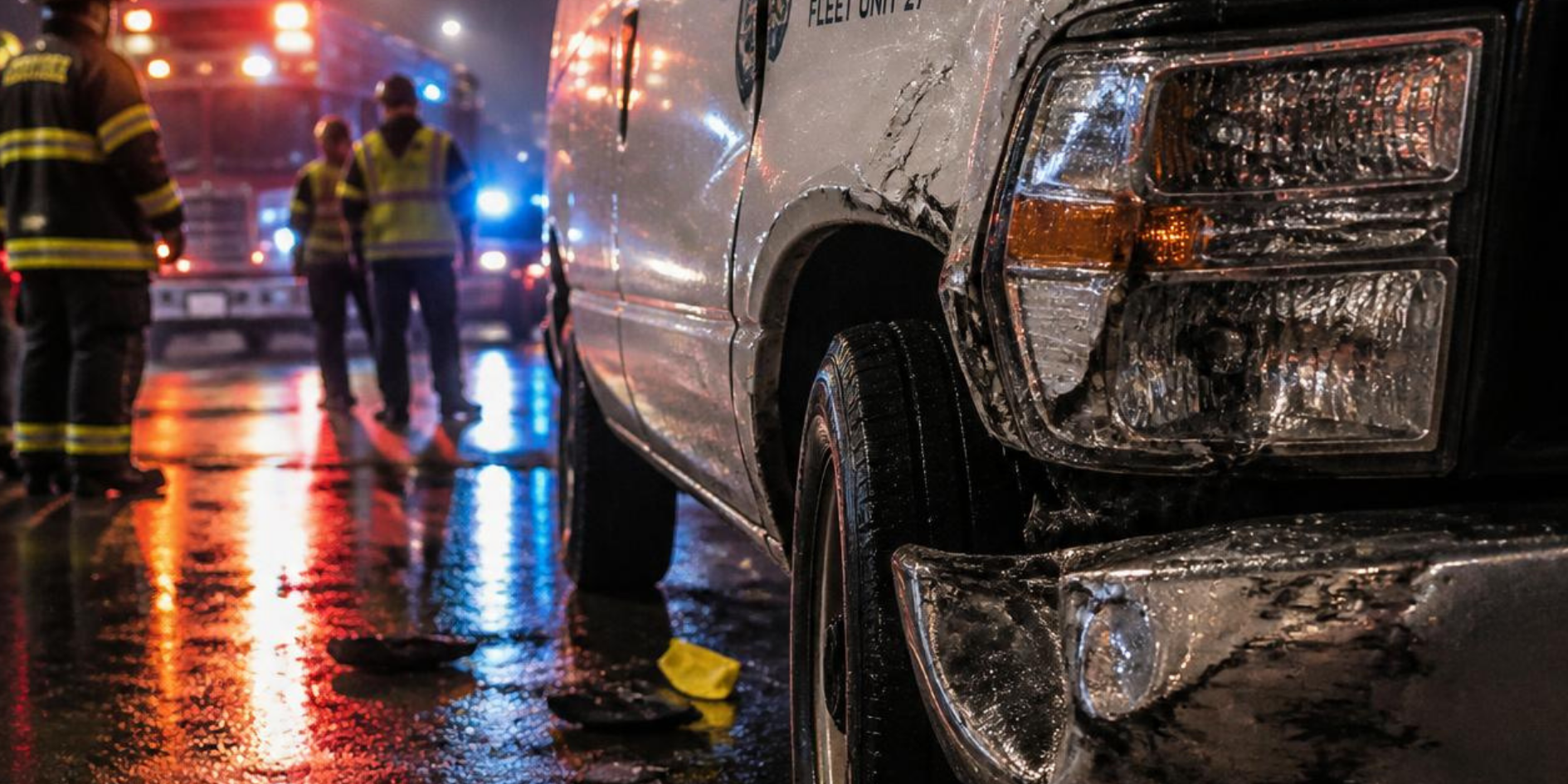
Today’s vehicles are equipped with more technology than ever before. Cameras, radar sensors, parking sensors, lane-assist systems, and automatic emergency braking can all be affected by a collision—even when the damage appears minor. That’s why modern collision repair involves much more than repairing dents and replacing damaged parts. What Is ADAS? ADAS stands for Advanced Driver Assistance Systems. Depending on your vehicle, these systems may include: Forward collision warning Automatic emergency braking Lane departure warning Lane-keeping assistance Adaptive cruise control Blind-spot monitoring Parking assistance Surround-view or backup cameras Many of these features rely on cameras and sensors positioned throughout the vehicle.