

A Guide to Fleet Maintenance and Repair in Texas
April 16, 2022
Fleet Maintenance | Texas Fleet Repair

Every car requires a frequent service schedule. This can often be every 1-2 years depending on the vehicle, the model, its age, its usage and more.
However, this is the standard for personal vehicles and doesn’t account for commercial usage. Texas fleet repair is a service schedule that is hyper-vigilant and proactive in its inspections of your vehicles.
As commercial vehicles have adjusted usage and requirements, it’s vital to ensure they’re being kept healthy and on the road. This increases the safety of your staff, customers and other road users as well as overall business efficiency.
A good Texas fleet repair service will use a preventive approach to maintenance. In doing so, it will make sure that costly reactive repairs don’t occur. In this article, we’re bringing a guide to fleet maintenance from ensuring FMCSA checks pass to setting up a reliable fleet maintenance program.
1. What is the FMCSA?
The FMCSA is the Federal Motor Carrier Safety Administration. The Administration was formed as part of the Department of Transportation in 2000 to help prevent fatalities and injuries that have been caused in-part by commercial and fleet vehicles.
To pursue a reliable fleet maintenance schedule with a trusted workshop, it’s important to understand regulation enforced for commercial vehicles throughout Texas and the rest of the States.
All regulation can be found on fmcsa.dot.gov. As an overview, they expect commercial vehicles to have fleet maintenance schedules that prevent break-down during operation.
2. Types of Fleet Maintenance
a. Commercial
A commercial fleet will often have an array of vehicles with alternate components which require extended Texas fleet repair checks. With this, they require full-service maintenance programs.
b. Delivery
Delivery fleets (such as grocery shopping deliveries or postal deliveries) may require additional vehicle specifications to ensure safe usage such as refrigeration features. It’s best to check the manufacturer’s service schedule.
c. Transport
From taxi cabs to rental trucks, these vehicles are very customer-focused and fleet maintenance checks are required to be more customer-focused, too. For example, placing a higher safety check on additional airbags.
d. Trucking
These fleet vehicles will have additional tires, increased specification requirements and additional towing components requiring attention during maintenance checks.
3. Benefits of Fleet Maintenance
Maximizing fleet operations is a vital goal in commercial vehicle usage. By beginning a fleet maintenance schedule with ASE-certified mechanics and engineers, business vehicles can receive checks that can lead to preventative care and repair. This takes away the need for costly repairs that can increase downtime as well as potential injuries to staff, passengers or other road users.
Not only does enrolling in a new maintenance schedule ensure your fleet remains FMCSA compliant, but there are other benefits, too. For example:
· It extends equipment lifespan · It increases operation safety · It ensures healthy business progression · It optimizes fuel consumption · It improves vehicle component efficiency · It decreases Texas fleet repair costs · It halts downtime requirements · It enables component wear tracking · It maintains vehicle ROI · It keeps other road users safe · It reduces overall liability · It improves customer service
4. How To Set Up a Fleet Maintenance Program
The first step to setting up a reliable fleet maintenance schedule is to contact your local vehicle repair shop.
When you tell them about your fleet and requirements, they’ll be able to direct you on the type of fleet maintenance you’ll require, the frequency, the costs and the maintenance program they’ll undertake (including exactly how it’ll benefit your business). In fact, that’s exactly what our team here at Dealership Autoplex Collision Center will do.
Reach out to the team through our website, by email or on the phone at (972) 242-0092. Alternatively, give us a holla by visiting the shop here in Carrollton, TX.
And that’s our guide to fleet maintenance from the team here at Dealership Autoplex Collision Centre. To learn more about preventative care for your fleet, read our other article “Why and How to manage Urgent fleet Repair”.
However, this is the standard for personal vehicles and doesn’t account for commercial usage. Texas fleet repair is a service schedule that is hyper-vigilant and proactive in its inspections of your vehicles.
As commercial vehicles have adjusted usage and requirements, it’s vital to ensure they’re being kept healthy and on the road. This increases the safety of your staff, customers and other road users as well as overall business efficiency.
A good Texas fleet repair service will use a preventive approach to maintenance. In doing so, it will make sure that costly reactive repairs don’t occur. In this article, we’re bringing a guide to fleet maintenance from ensuring FMCSA checks pass to setting up a reliable fleet maintenance program.
1. What is the FMCSA?
The FMCSA is the Federal Motor Carrier Safety Administration. The Administration was formed as part of the Department of Transportation in 2000 to help prevent fatalities and injuries that have been caused in-part by commercial and fleet vehicles.
To pursue a reliable fleet maintenance schedule with a trusted workshop, it’s important to understand regulation enforced for commercial vehicles throughout Texas and the rest of the States.
All regulation can be found on fmcsa.dot.gov. As an overview, they expect commercial vehicles to have fleet maintenance schedules that prevent break-down during operation.
2. Types of Fleet Maintenance
a. Commercial
A commercial fleet will often have an array of vehicles with alternate components which require extended Texas fleet repair checks. With this, they require full-service maintenance programs.
b. Delivery
Delivery fleets (such as grocery shopping deliveries or postal deliveries) may require additional vehicle specifications to ensure safe usage such as refrigeration features. It’s best to check the manufacturer’s service schedule.
c. Transport
From taxi cabs to rental trucks, these vehicles are very customer-focused and fleet maintenance checks are required to be more customer-focused, too. For example, placing a higher safety check on additional airbags.
d. Trucking
These fleet vehicles will have additional tires, increased specification requirements and additional towing components requiring attention during maintenance checks.
3. Benefits of Fleet Maintenance
Maximizing fleet operations is a vital goal in commercial vehicle usage. By beginning a fleet maintenance schedule with ASE-certified mechanics and engineers, business vehicles can receive checks that can lead to preventative care and repair. This takes away the need for costly repairs that can increase downtime as well as potential injuries to staff, passengers or other road users.
Not only does enrolling in a new maintenance schedule ensure your fleet remains FMCSA compliant, but there are other benefits, too. For example:
· It extends equipment lifespan · It increases operation safety · It ensures healthy business progression · It optimizes fuel consumption · It improves vehicle component efficiency · It decreases Texas fleet repair costs · It halts downtime requirements · It enables component wear tracking · It maintains vehicle ROI · It keeps other road users safe · It reduces overall liability · It improves customer service
4. How To Set Up a Fleet Maintenance Program
The first step to setting up a reliable fleet maintenance schedule is to contact your local vehicle repair shop.
When you tell them about your fleet and requirements, they’ll be able to direct you on the type of fleet maintenance you’ll require, the frequency, the costs and the maintenance program they’ll undertake (including exactly how it’ll benefit your business). In fact, that’s exactly what our team here at Dealership Autoplex Collision Center will do.
Reach out to the team through our website, by email or on the phone at (972) 242-0092. Alternatively, give us a holla by visiting the shop here in Carrollton, TX.
And that’s our guide to fleet maintenance from the team here at Dealership Autoplex Collision Centre. To learn more about preventative care for your fleet, read our other article “Why and How to manage Urgent fleet Repair”.
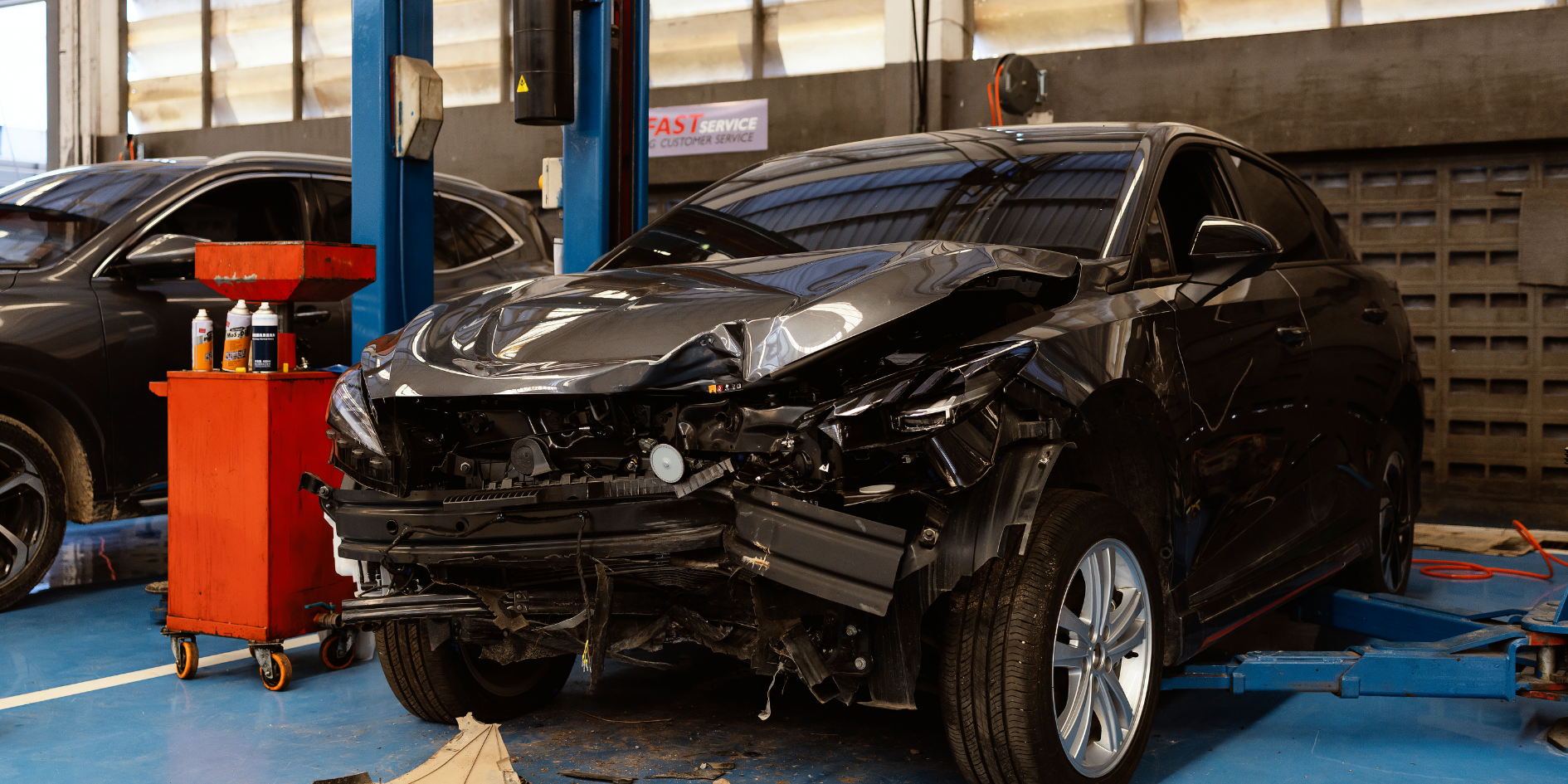
After an accident, the damage you can see isn’t always the only damage your vehicle sustained. A damaged bumper, dented quarter panel, or broken headlight may be obvious, but the impact can also affect structural components underneath the vehicle’s exterior. At Dealership Autoplex Collision Center (DACC) , we believe a proper collision repair is about more than making a vehicle look good again. It’s about identifying and addressing the damage that may be hidden underneath. What Is Structural Damage? Modern vehicles are designed with structural components that help support the vehicle and manage crash forces. Depending on the location and severity of an impact, a collision can potentially affect areas such as: Frame or unibody components Structural rails Suspension mounting points Body alignment Doors and panels Wheel alignment Bumpers and reinforcement components Even an accident that doesn’t appear severe from the outside can sometimes cause damage behind exterior panels.
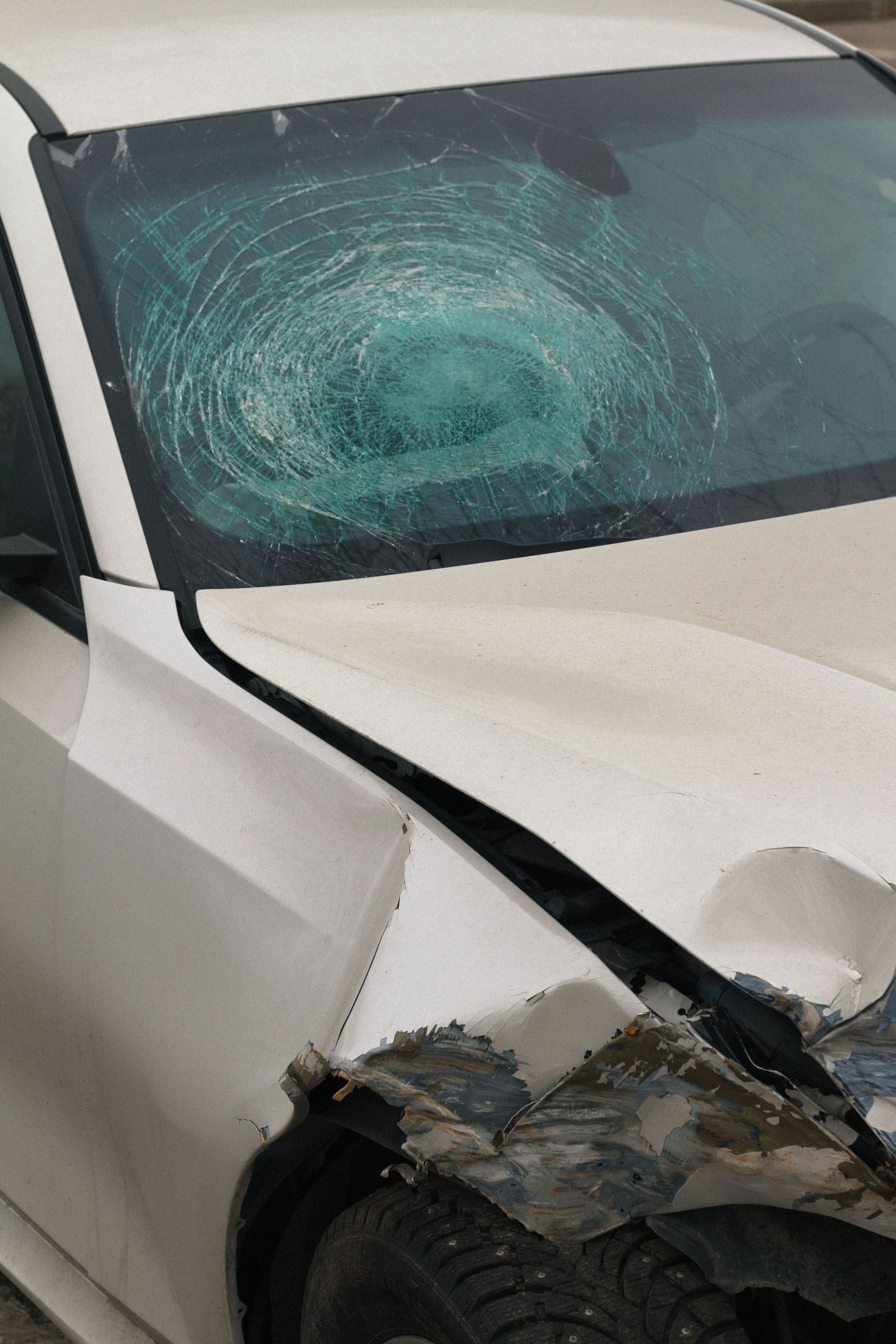
After a car accident, there are a lot of decisions to make. Between filing an insurance claim, arranging transportation, and getting your vehicle repaired, the process can quickly become overwhelming. One common question we hear at Dealership Autoplex Collision Center (DACC) is: “Do I have to use the collision repair shop my insurance company recommends?” In Texas, you generally have the right to choose the repair facility you want to handle your vehicle. Your Insurance Company May Recommend a Shop After you file a claim, your insurance company may provide a list of repair facilities or recommend one of its preferred shops. While these recommendations can be convenient, you are not necessarily required to choose a shop simply because it was suggested by the insurance company. Your vehicle is an important investment, and you should feel comfortable with the facility performing the repairs. What Should You Look for in a Collision Repair Shop? When choosing a collision center, consider more than just how quickly the shop can get your vehicle in. Look for a facility that provides: Experienced collision repair technicians Proper structural and body repairs Professional paint matching and refinishing Clear communication throughout the repair process Assistance working with insurance companies Quality-control inspections before the vehicle is returned Help coordinating rental transportation when needed A quality collision repair should restore more than the appearance of your vehicle. The goal is to properly repair the damage and return the vehicle to you safely and professionally.

Today’s vehicles are equipped with more technology than ever before. Cameras, radar sensors, parking sensors, lane-assist systems, and automatic emergency braking can all be affected by a collision—even when the damage appears minor. That’s why modern collision repair involves much more than repairing dents and replacing damaged parts. What Is ADAS? ADAS stands for Advanced Driver Assistance Systems. Depending on your vehicle, these systems may include: Forward collision warning Automatic emergency braking Lane departure warning Lane-keeping assistance Adaptive cruise control Blind-spot monitoring Parking assistance Surround-view or backup cameras Many of these features rely on cameras and sensors positioned throughout the vehicle.