

Clarity Beyond the Crack: The Importance and Process of Windshield Replacement
February 2, 2024
Windshield Replacement | Windshield Repair
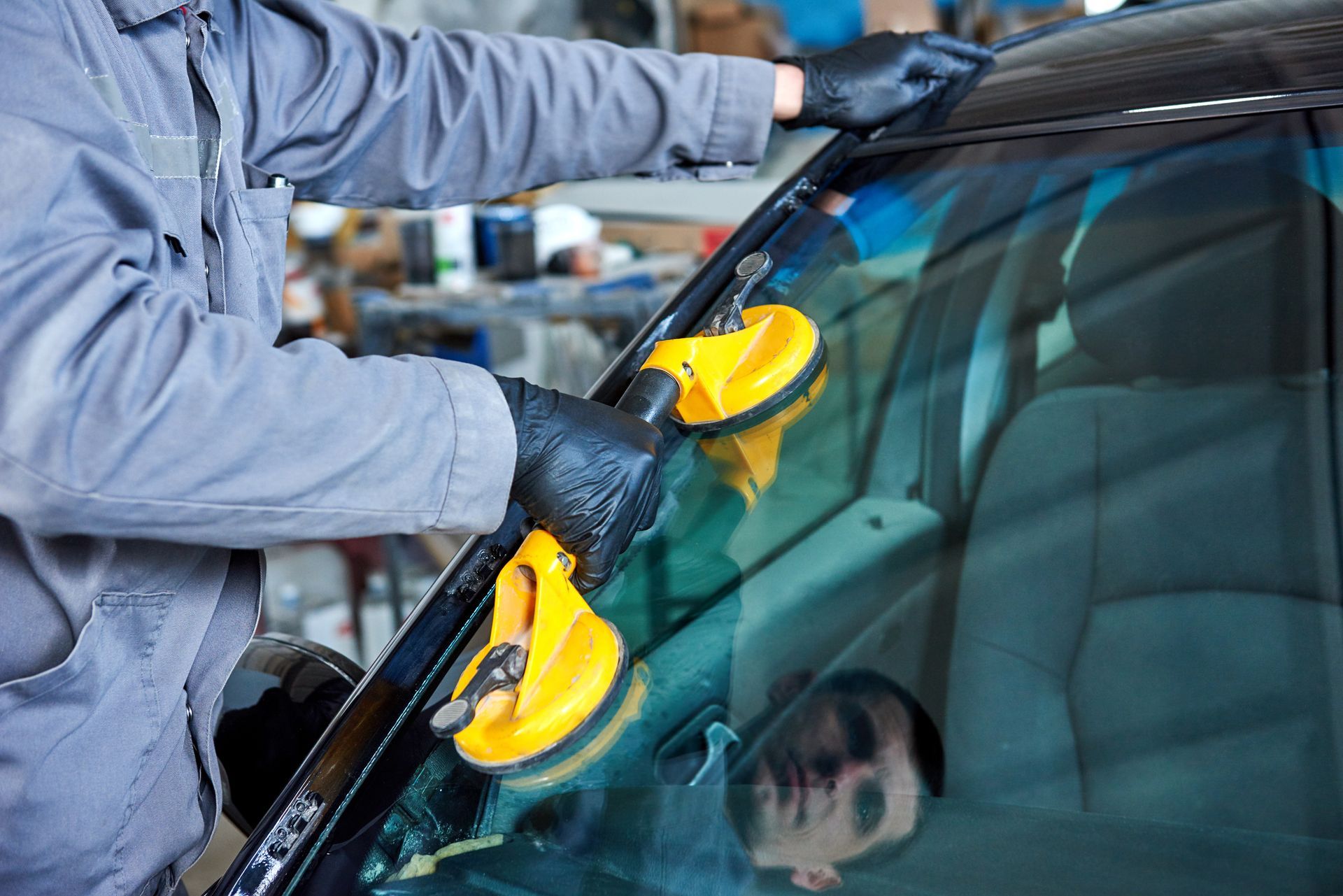
Your vehicle's windshield is more than just a piece of glass; it's a crucial component of safety, visibility, and structural integrity. When a crack or damage occurs, timely windshield replacement becomes paramount.
In this blog post, we'll explore the significance of windshield replacement and guide you through the process of restoring clarity to your driving experience.
1. The Role of the Windshield in Safety:
The windshield is a fundamental safety feature of any vehicle. Beyond providing a clear view of the road, it contributes significantly to the structural integrity of the car. In the event of a collision, the windshield acts as a barrier, preventing the roof from collapsing and offering crucial support to the airbags. A compromised windshield compromises the overall safety of the vehicle and its occupants.
2. Types of Windshield Damage:
Understanding the various types of windshield damage is essential for determining whether repair or replacement is necessary. While small chips and cracks can often be repaired, extensive damage, long cracks, or damage near the edges of the windshield may require replacement. Ignoring or postponing the replacement of a severely damaged windshield poses significant safety risks.
3. Impact on Driver Visibility:
Even minor damage to the windshield can impede a driver's visibility, creating potentially hazardous situations on the road. Cracks and chips can distort the driver's line of sight, making it challenging to react swiftly to obstacles or changes in traffic conditions. A clear and unobstructed view through a properly replaced windshield is critical for safe driving.
4. The Windshield Replacement Process:
Windshield replacement is a specialized process that involves several key steps:
Removal: The damaged windshield is carefully removed, taking precautions to prevent further damage.
Surface Preparation: The frame is thoroughly cleaned and prepared to ensure proper adhesion.
Installation: The new windshield is precisely fitted and bonded to the frame using high-strength adhesive. Curing Time: Adequate time is given for the adhesive to cure and create a secure bond.
Quality Check: The replacement is inspected to ensure proper alignment and adherence to safety standards.
5. Choosing the Right Windshield:
Selecting the appropriate windshield for replacement is crucial. The replacement windshield should meet or exceed original equipment manufacturer (OEM) specifications to ensure it provides the same level of safety and performance as the original. Opting for high-quality materials and professional installation is key to the longevity and effectiveness of the replacement.
6. Professional vs. DIY Approach:
While some may be tempted by DIY windshield replacement kits, it's a task best left to professionals. Windshield replacement requires specialized skills, tools, and adhesives. Professional installers have the expertise to ensure the replacement meets safety standards and adheres properly to the vehicle's frame. A poorly installed windshield can compromise safety and lead to issues such as leaks or inadequate support in case of a collision.
7. Insurance Coverage for Windshield Replacement:
In many cases, insurance policies cover windshield replacement as part of comprehensive coverage. It's essential to check the specific terms of your insurance policy to understand coverage limits and any potential deductibles. Addressing windshield damage promptly can prevent the need for a full replacement and may be covered as part of a repair.
8. Environmental Considerations:
Proper disposal of the old windshield is a crucial aspect of the replacement process. Reputable collision centers ensure that old windshields are recycled or disposed of responsibly. Recycling glass reduces the environmental impact and contributes to sustainability—a factor that aligns with the increasing focus on eco-friendly practices in the automotive industry.
Conclusion:
The windshield is not just a barrier against wind and debris; it's a vital safety feature that demands attention when damaged. Prompt windshield replacement, conducted by professionals using high-quality materials, is essential for maintaining the structural integrity of the vehicle and ensuring clear visibility—a combination crucial for a safe and secure driving experience. Here at DACC, we are happy to help you with all of your windshield needs, whether repair or replacement is needed. Please feel free to stop by our convenient location at 2536 Dickerson parkway, Suite 110 in Carrollton, TX or call us at 972-242-0092
In this blog post, we'll explore the significance of windshield replacement and guide you through the process of restoring clarity to your driving experience.
1. The Role of the Windshield in Safety:
The windshield is a fundamental safety feature of any vehicle. Beyond providing a clear view of the road, it contributes significantly to the structural integrity of the car. In the event of a collision, the windshield acts as a barrier, preventing the roof from collapsing and offering crucial support to the airbags. A compromised windshield compromises the overall safety of the vehicle and its occupants.
2. Types of Windshield Damage:
Understanding the various types of windshield damage is essential for determining whether repair or replacement is necessary. While small chips and cracks can often be repaired, extensive damage, long cracks, or damage near the edges of the windshield may require replacement. Ignoring or postponing the replacement of a severely damaged windshield poses significant safety risks.
3. Impact on Driver Visibility:
Even minor damage to the windshield can impede a driver's visibility, creating potentially hazardous situations on the road. Cracks and chips can distort the driver's line of sight, making it challenging to react swiftly to obstacles or changes in traffic conditions. A clear and unobstructed view through a properly replaced windshield is critical for safe driving.
4. The Windshield Replacement Process:
Windshield replacement is a specialized process that involves several key steps:
Removal: The damaged windshield is carefully removed, taking precautions to prevent further damage.
Surface Preparation: The frame is thoroughly cleaned and prepared to ensure proper adhesion.
Installation: The new windshield is precisely fitted and bonded to the frame using high-strength adhesive. Curing Time: Adequate time is given for the adhesive to cure and create a secure bond.
Quality Check: The replacement is inspected to ensure proper alignment and adherence to safety standards.
5. Choosing the Right Windshield:
Selecting the appropriate windshield for replacement is crucial. The replacement windshield should meet or exceed original equipment manufacturer (OEM) specifications to ensure it provides the same level of safety and performance as the original. Opting for high-quality materials and professional installation is key to the longevity and effectiveness of the replacement.
6. Professional vs. DIY Approach:
While some may be tempted by DIY windshield replacement kits, it's a task best left to professionals. Windshield replacement requires specialized skills, tools, and adhesives. Professional installers have the expertise to ensure the replacement meets safety standards and adheres properly to the vehicle's frame. A poorly installed windshield can compromise safety and lead to issues such as leaks or inadequate support in case of a collision.
7. Insurance Coverage for Windshield Replacement:
In many cases, insurance policies cover windshield replacement as part of comprehensive coverage. It's essential to check the specific terms of your insurance policy to understand coverage limits and any potential deductibles. Addressing windshield damage promptly can prevent the need for a full replacement and may be covered as part of a repair.
8. Environmental Considerations:
Proper disposal of the old windshield is a crucial aspect of the replacement process. Reputable collision centers ensure that old windshields are recycled or disposed of responsibly. Recycling glass reduces the environmental impact and contributes to sustainability—a factor that aligns with the increasing focus on eco-friendly practices in the automotive industry.
Conclusion:
The windshield is not just a barrier against wind and debris; it's a vital safety feature that demands attention when damaged. Prompt windshield replacement, conducted by professionals using high-quality materials, is essential for maintaining the structural integrity of the vehicle and ensuring clear visibility—a combination crucial for a safe and secure driving experience. Here at DACC, we are happy to help you with all of your windshield needs, whether repair or replacement is needed. Please feel free to stop by our convenient location at 2536 Dickerson parkway, Suite 110 in Carrollton, TX or call us at 972-242-0092
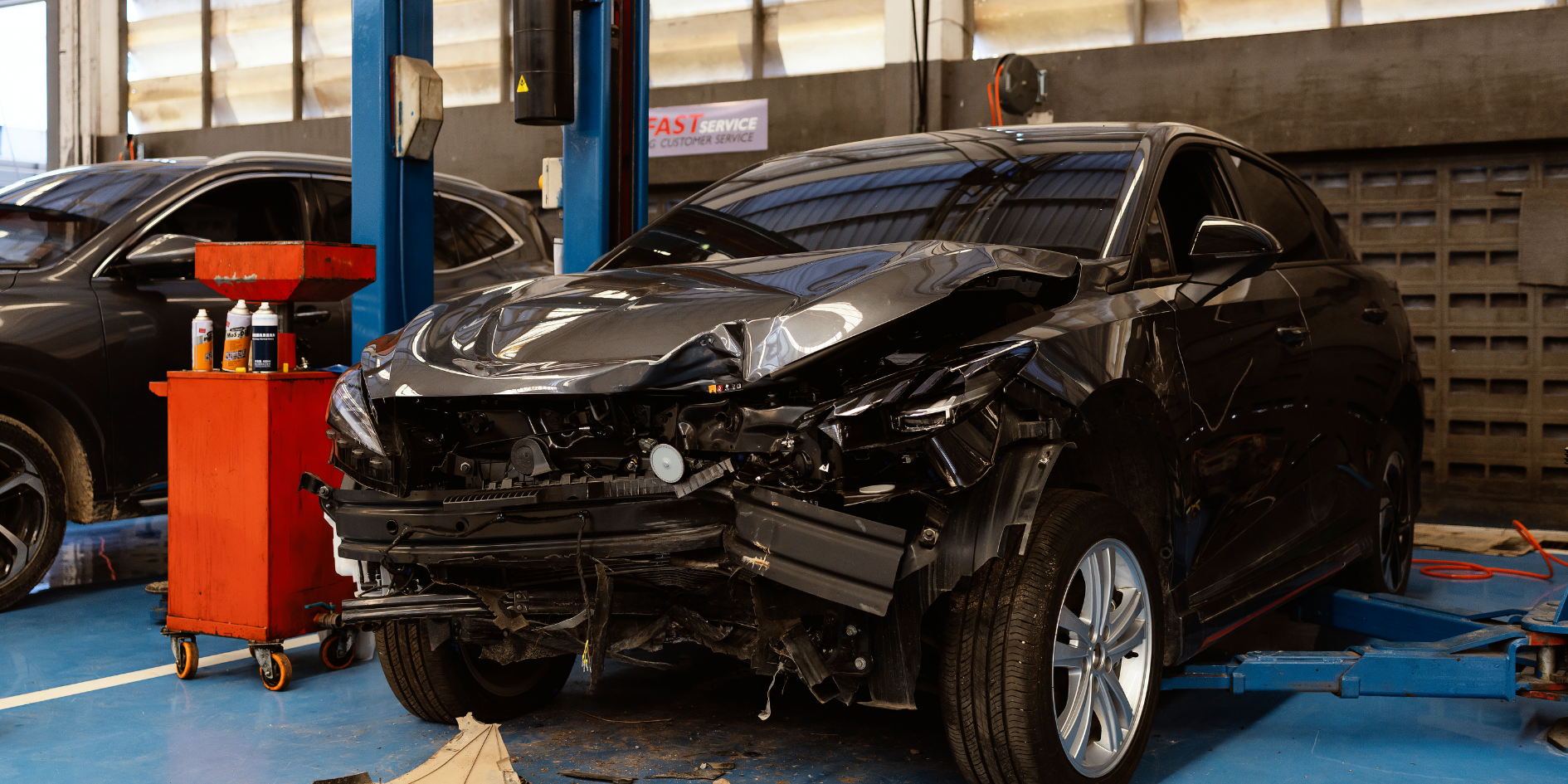
After an accident, the damage you can see isn’t always the only damage your vehicle sustained. A damaged bumper, dented quarter panel, or broken headlight may be obvious, but the impact can also affect structural components underneath the vehicle’s exterior. At Dealership Autoplex Collision Center (DACC) , we believe a proper collision repair is about more than making a vehicle look good again. It’s about identifying and addressing the damage that may be hidden underneath. What Is Structural Damage? Modern vehicles are designed with structural components that help support the vehicle and manage crash forces. Depending on the location and severity of an impact, a collision can potentially affect areas such as: Frame or unibody components Structural rails Suspension mounting points Body alignment Doors and panels Wheel alignment Bumpers and reinforcement components Even an accident that doesn’t appear severe from the outside can sometimes cause damage behind exterior panels.
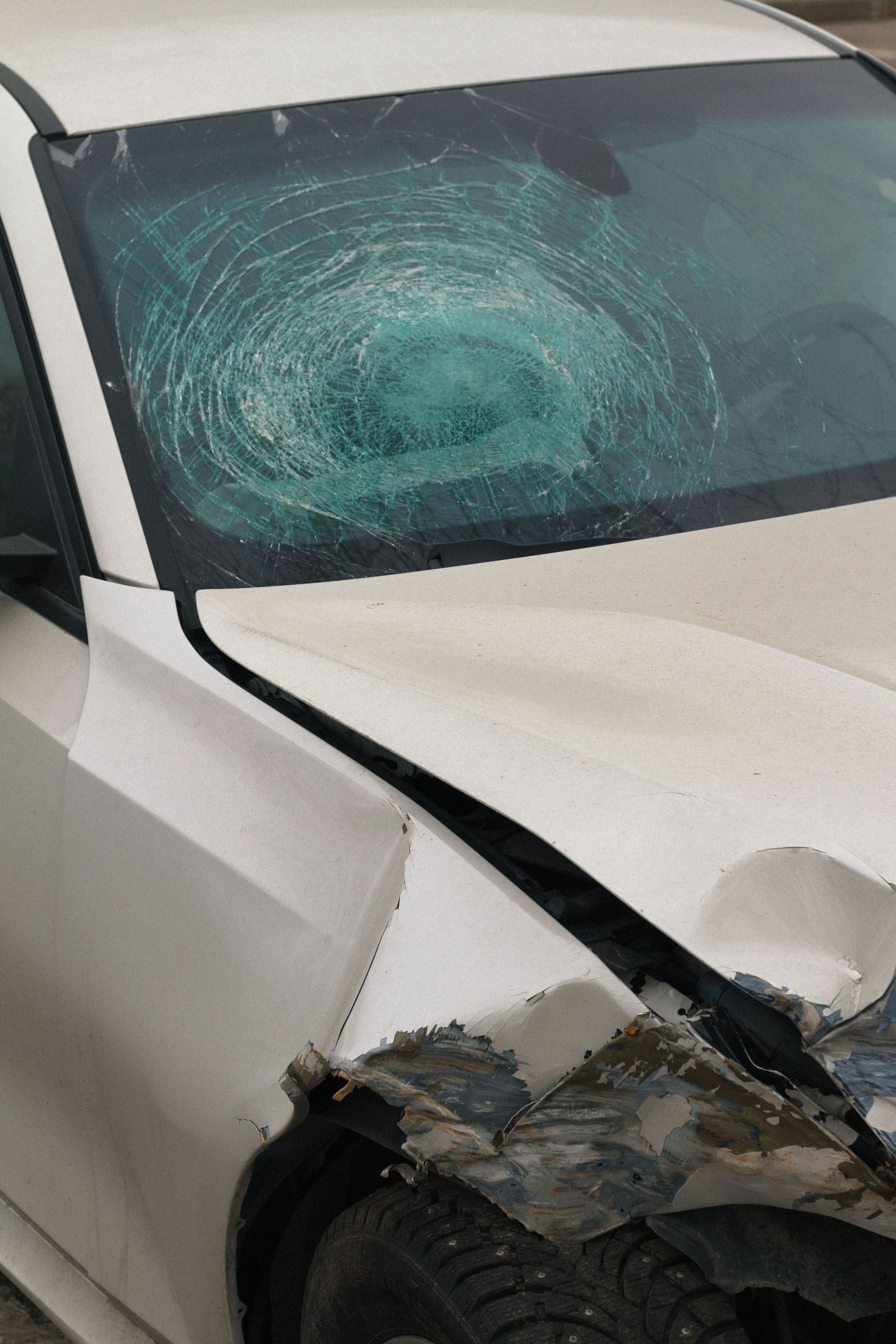
After a car accident, there are a lot of decisions to make. Between filing an insurance claim, arranging transportation, and getting your vehicle repaired, the process can quickly become overwhelming. One common question we hear at Dealership Autoplex Collision Center (DACC) is: “Do I have to use the collision repair shop my insurance company recommends?” In Texas, you generally have the right to choose the repair facility you want to handle your vehicle. Your Insurance Company May Recommend a Shop After you file a claim, your insurance company may provide a list of repair facilities or recommend one of its preferred shops. While these recommendations can be convenient, you are not necessarily required to choose a shop simply because it was suggested by the insurance company. Your vehicle is an important investment, and you should feel comfortable with the facility performing the repairs. What Should You Look for in a Collision Repair Shop? When choosing a collision center, consider more than just how quickly the shop can get your vehicle in. Look for a facility that provides: Experienced collision repair technicians Proper structural and body repairs Professional paint matching and refinishing Clear communication throughout the repair process Assistance working with insurance companies Quality-control inspections before the vehicle is returned Help coordinating rental transportation when needed A quality collision repair should restore more than the appearance of your vehicle. The goal is to properly repair the damage and return the vehicle to you safely and professionally.
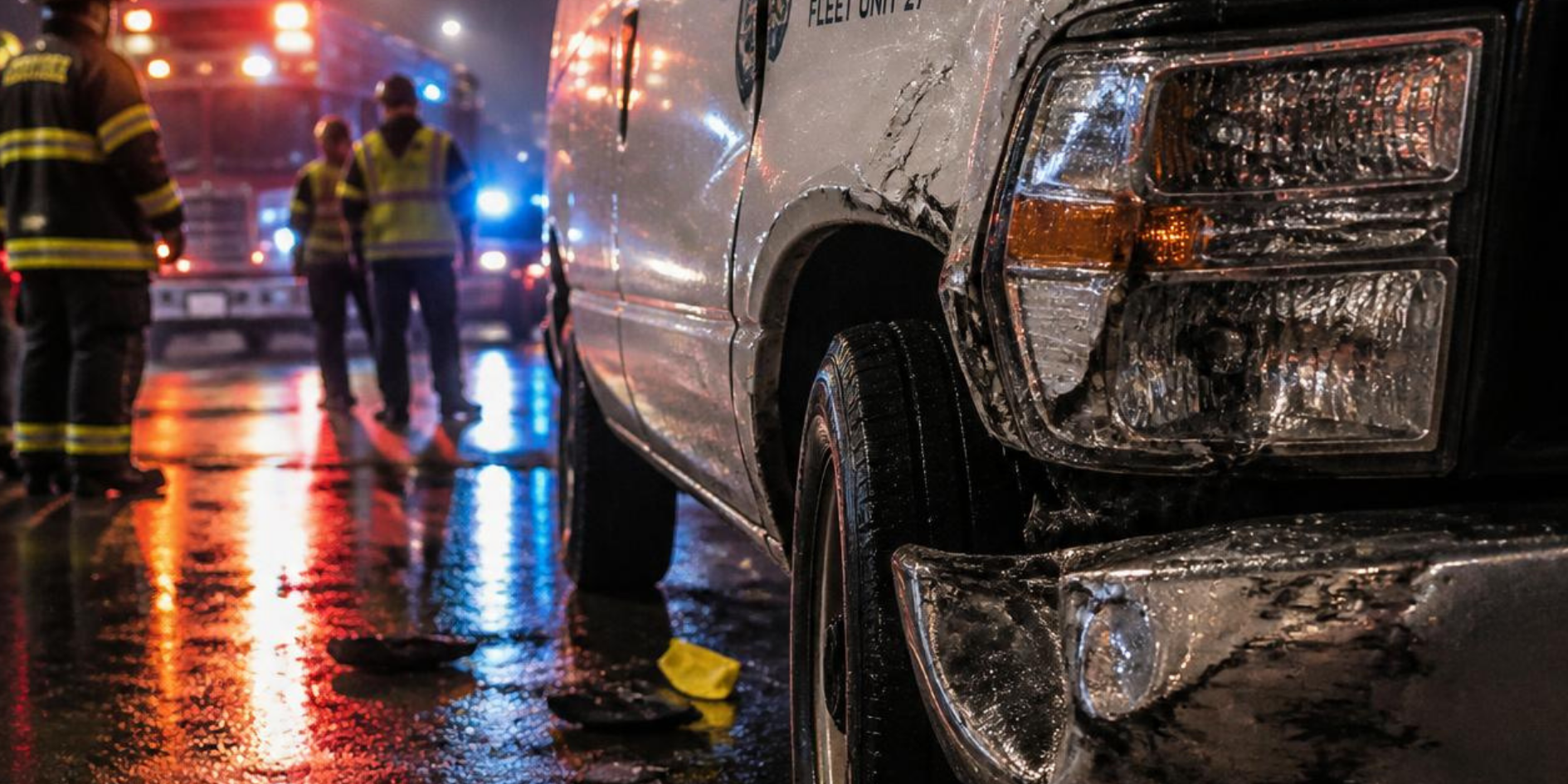
Today’s vehicles are equipped with more technology than ever before. Cameras, radar sensors, parking sensors, lane-assist systems, and automatic emergency braking can all be affected by a collision—even when the damage appears minor. That’s why modern collision repair involves much more than repairing dents and replacing damaged parts. What Is ADAS? ADAS stands for Advanced Driver Assistance Systems. Depending on your vehicle, these systems may include: Forward collision warning Automatic emergency braking Lane departure warning Lane-keeping assistance Adaptive cruise control Blind-spot monitoring Parking assistance Surround-view or backup cameras Many of these features rely on cameras and sensors positioned throughout the vehicle.