

Elevate Your Ride: The Art of Powder Coating Wheel Calipers at Our State-of-the-Art Auto Body Shop
March 5, 2024
Powder Coating | Wheel Calipers
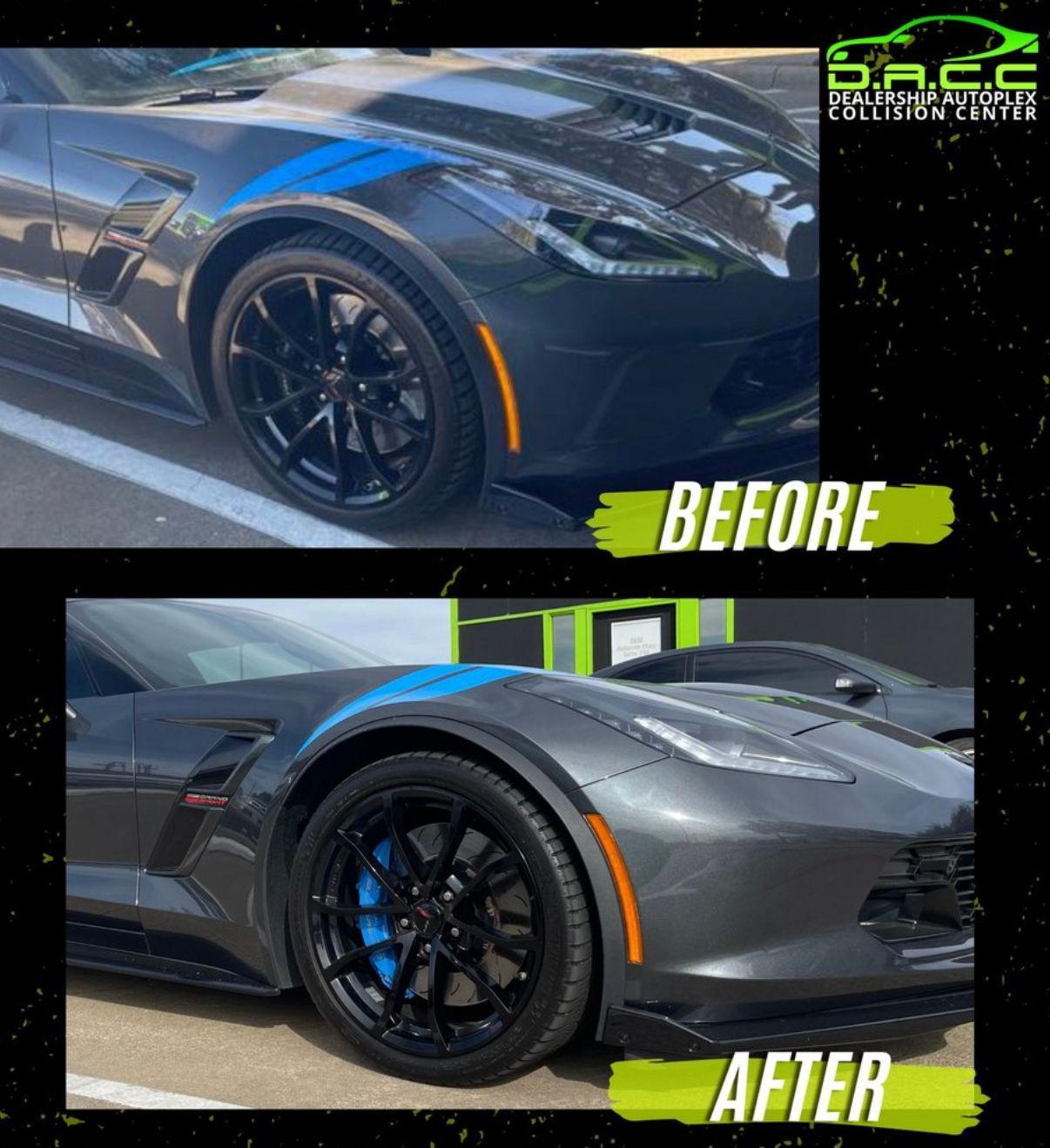
In the realm of automotive customization, attention to detail can make all the difference.
For enthusiasts seeking to elevate their ride to the next level, one often-overlooked but crucial aspect is the wheel calipers.
These unsung heroes of the braking system can be transformed from functional components into eye-catching focal points with the magic of powder coating.
At our state-of-the-art auto body shop, we're not just about fixing dents and scratches; we're about turning your vehicle into a work of art.
Let's delve into the world of powder coating and explore how it can breathe new life into your wheel calipers.
Understanding Powder Coating:
Powder coating is a process that involves applying a dry powder to a surface, which is then cured under heat to create a durable and high-quality finish. This technique has gained immense popularity in the automotive industry for its ability to provide a uniform, long-lasting, and customizable coating.
The versatility of powder coating extends beyond aesthetics, offering exceptional resistance to corrosion, chemicals, and UV rays, making it an ideal choice for enhancing the durability of wheel calipers.
Customization at Its Finest:
One of the primary advantages of powder coating is the vast array of colors and finishes available.
From classic gloss and matte options to metallic and textured finishes, the customization possibilities are nearly limitless.
Enthusiasts can choose a hue that complements their vehicle's overall aesthetic or opt for a contrasting color to make the wheel calipers stand out.
Here at DACC, we pride ourselves on our ability to turn your vision into reality, offering a spectrum of powder coating options that cater to even the most discerning tastes.
Durability and Protection:
Beyond the aesthetic appeal, powder coating provides an additional layer of protection to wheel calipers. As these components are constantly exposed to harsh road conditions, including debris, salt, and moisture, they are susceptible to corrosion.
Powder coating acts as a shield, enhancing the calipers' resistance to environmental elements and ensuring that they remain in top-notch condition for an extended period.
This not only contributes to the longevity of the calipers but also reduces the need for frequent replacements, ultimately saving you money in the long run.
The Process of Powder Coating Wheel Calipers at DACC:
At our state-of-the-art auto body shop, we prioritize precision and excellence in every step of the powder coating process. Our trained technicians meticulously prepare the wheel calipers by cleaning and sandblasting to create an ideal surface for the powder to adhere to.
The chosen powder coat color is then applied using advanced equipment, ensuring an even and consistent layer. The final step involves curing the coated calipers in a specialized oven, allowing the powder to melt and create a seamless and durable finish.
Summary: Powder coating wheel calipers is not just a trend; it's a transformative process that can redefine the look and performance of your vehicle.
At DACC, we go beyond the ordinary, offering a combination of craftsmanship, technology, and creativity to breathe new life into your ride.
To elevate your driving experience and make a statement on the road with meticulously powder-coated wheel calipers, please feel free to come by our shop at 2536 Dickerson Parkway, Suite 110, Carrollton, TX or call us at 972-242-0092 for your free estimate.
For enthusiasts seeking to elevate their ride to the next level, one often-overlooked but crucial aspect is the wheel calipers.
These unsung heroes of the braking system can be transformed from functional components into eye-catching focal points with the magic of powder coating.
At our state-of-the-art auto body shop, we're not just about fixing dents and scratches; we're about turning your vehicle into a work of art.
Let's delve into the world of powder coating and explore how it can breathe new life into your wheel calipers.
Understanding Powder Coating:
Powder coating is a process that involves applying a dry powder to a surface, which is then cured under heat to create a durable and high-quality finish. This technique has gained immense popularity in the automotive industry for its ability to provide a uniform, long-lasting, and customizable coating.
The versatility of powder coating extends beyond aesthetics, offering exceptional resistance to corrosion, chemicals, and UV rays, making it an ideal choice for enhancing the durability of wheel calipers.
Customization at Its Finest:
One of the primary advantages of powder coating is the vast array of colors and finishes available.
From classic gloss and matte options to metallic and textured finishes, the customization possibilities are nearly limitless.
Enthusiasts can choose a hue that complements their vehicle's overall aesthetic or opt for a contrasting color to make the wheel calipers stand out.
Here at DACC, we pride ourselves on our ability to turn your vision into reality, offering a spectrum of powder coating options that cater to even the most discerning tastes.
Durability and Protection:
Beyond the aesthetic appeal, powder coating provides an additional layer of protection to wheel calipers. As these components are constantly exposed to harsh road conditions, including debris, salt, and moisture, they are susceptible to corrosion.
Powder coating acts as a shield, enhancing the calipers' resistance to environmental elements and ensuring that they remain in top-notch condition for an extended period.
This not only contributes to the longevity of the calipers but also reduces the need for frequent replacements, ultimately saving you money in the long run.
The Process of Powder Coating Wheel Calipers at DACC:
At our state-of-the-art auto body shop, we prioritize precision and excellence in every step of the powder coating process. Our trained technicians meticulously prepare the wheel calipers by cleaning and sandblasting to create an ideal surface for the powder to adhere to.
The chosen powder coat color is then applied using advanced equipment, ensuring an even and consistent layer. The final step involves curing the coated calipers in a specialized oven, allowing the powder to melt and create a seamless and durable finish.
Summary: Powder coating wheel calipers is not just a trend; it's a transformative process that can redefine the look and performance of your vehicle.
At DACC, we go beyond the ordinary, offering a combination of craftsmanship, technology, and creativity to breathe new life into your ride.
To elevate your driving experience and make a statement on the road with meticulously powder-coated wheel calipers, please feel free to come by our shop at 2536 Dickerson Parkway, Suite 110, Carrollton, TX or call us at 972-242-0092 for your free estimate.
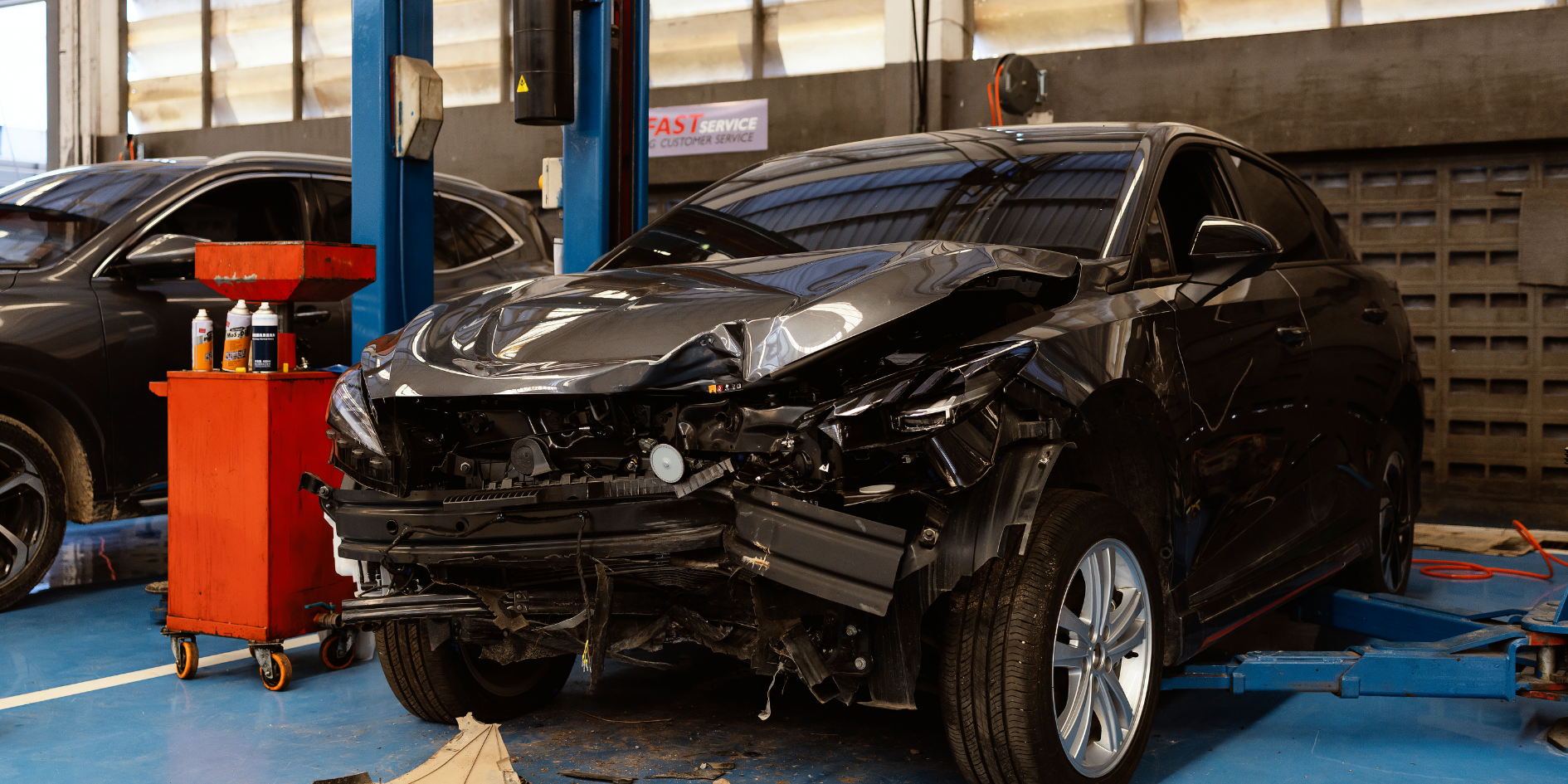
After an accident, the damage you can see isn’t always the only damage your vehicle sustained. A damaged bumper, dented quarter panel, or broken headlight may be obvious, but the impact can also affect structural components underneath the vehicle’s exterior. At Dealership Autoplex Collision Center (DACC) , we believe a proper collision repair is about more than making a vehicle look good again. It’s about identifying and addressing the damage that may be hidden underneath. What Is Structural Damage? Modern vehicles are designed with structural components that help support the vehicle and manage crash forces. Depending on the location and severity of an impact, a collision can potentially affect areas such as: Frame or unibody components Structural rails Suspension mounting points Body alignment Doors and panels Wheel alignment Bumpers and reinforcement components Even an accident that doesn’t appear severe from the outside can sometimes cause damage behind exterior panels.
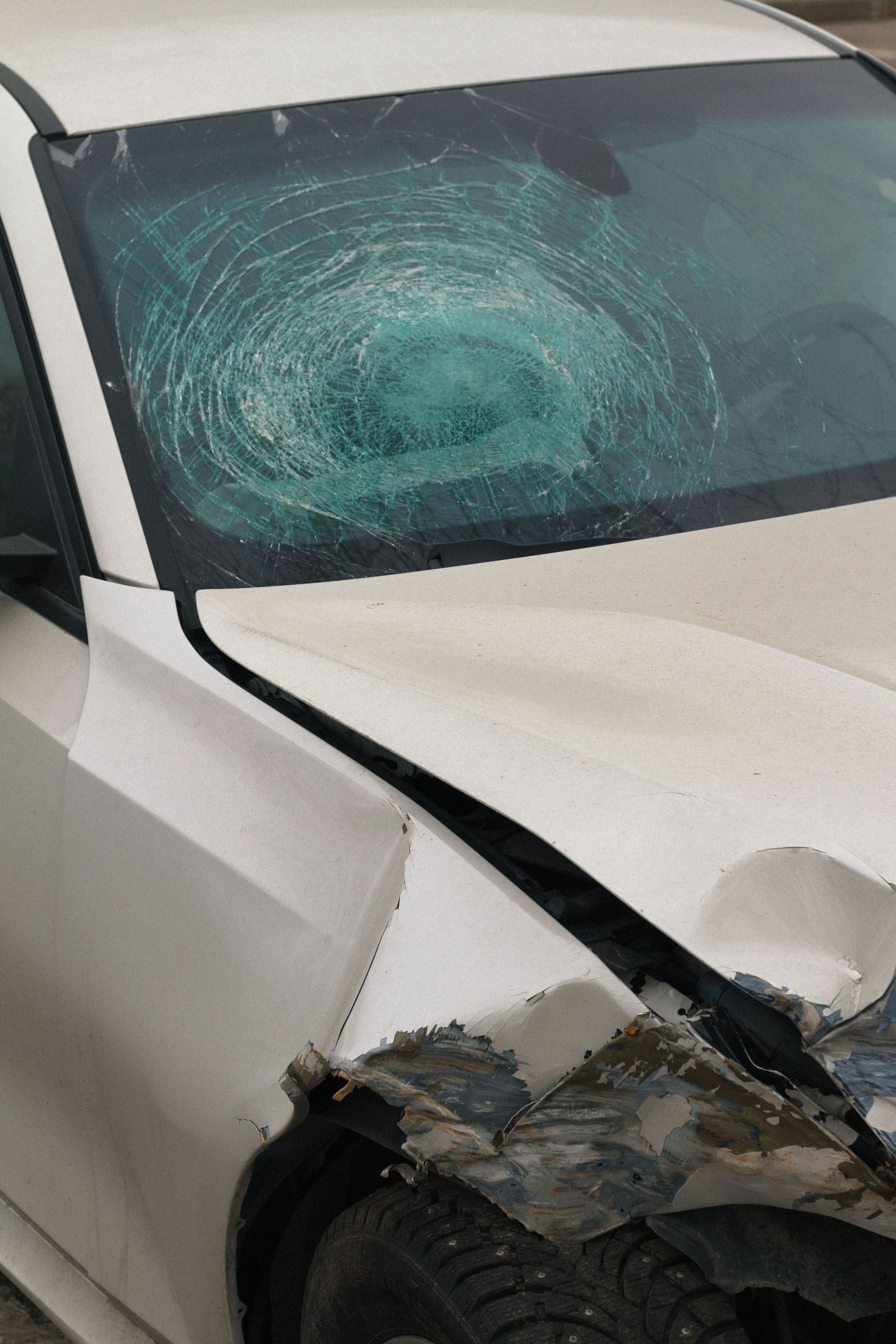
After a car accident, there are a lot of decisions to make. Between filing an insurance claim, arranging transportation, and getting your vehicle repaired, the process can quickly become overwhelming. One common question we hear at Dealership Autoplex Collision Center (DACC) is: “Do I have to use the collision repair shop my insurance company recommends?” In Texas, you generally have the right to choose the repair facility you want to handle your vehicle. Your Insurance Company May Recommend a Shop After you file a claim, your insurance company may provide a list of repair facilities or recommend one of its preferred shops. While these recommendations can be convenient, you are not necessarily required to choose a shop simply because it was suggested by the insurance company. Your vehicle is an important investment, and you should feel comfortable with the facility performing the repairs. What Should You Look for in a Collision Repair Shop? When choosing a collision center, consider more than just how quickly the shop can get your vehicle in. Look for a facility that provides: Experienced collision repair technicians Proper structural and body repairs Professional paint matching and refinishing Clear communication throughout the repair process Assistance working with insurance companies Quality-control inspections before the vehicle is returned Help coordinating rental transportation when needed A quality collision repair should restore more than the appearance of your vehicle. The goal is to properly repair the damage and return the vehicle to you safely and professionally.
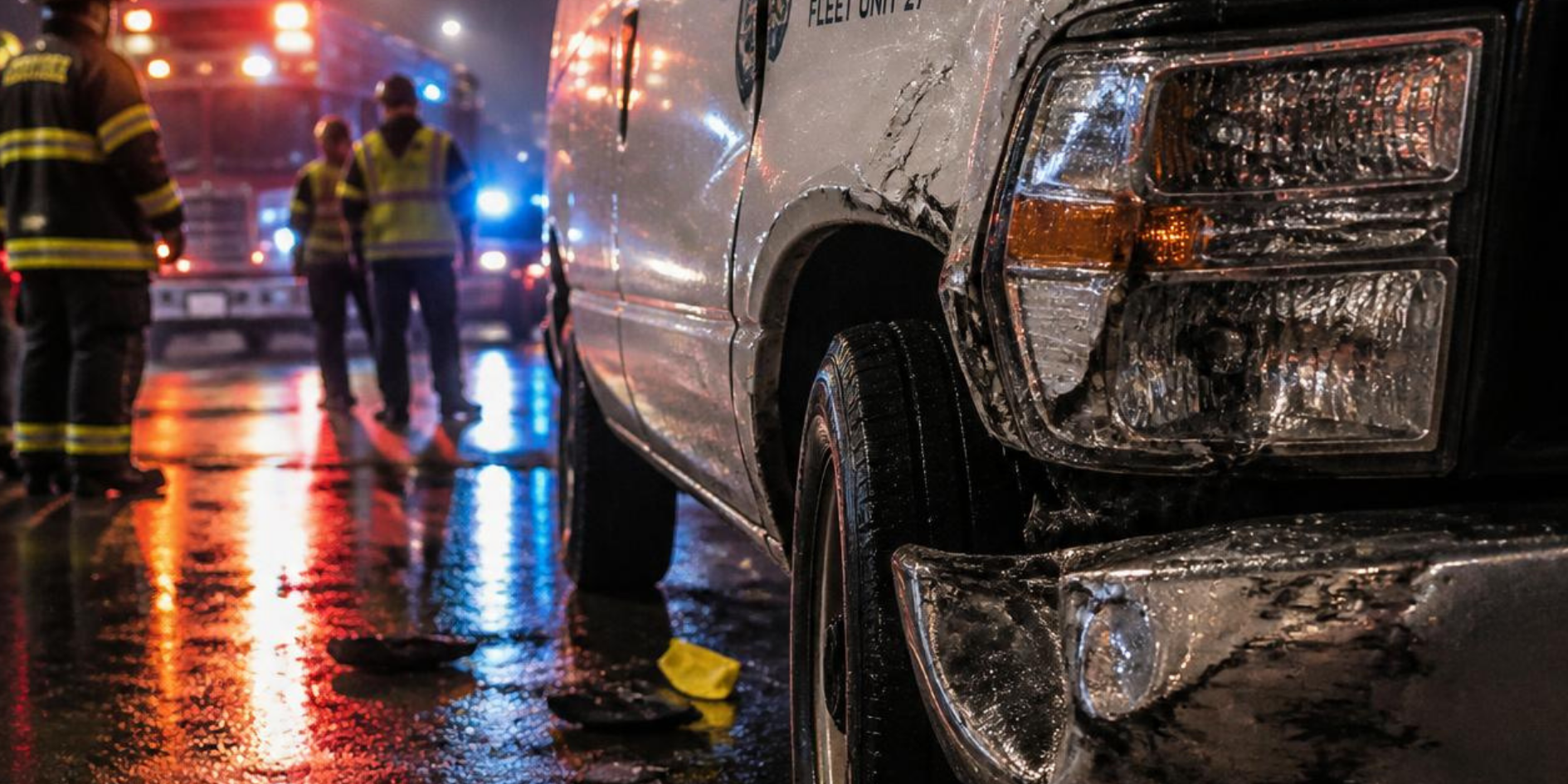
Today’s vehicles are equipped with more technology than ever before. Cameras, radar sensors, parking sensors, lane-assist systems, and automatic emergency braking can all be affected by a collision—even when the damage appears minor. That’s why modern collision repair involves much more than repairing dents and replacing damaged parts. What Is ADAS? ADAS stands for Advanced Driver Assistance Systems. Depending on your vehicle, these systems may include: Forward collision warning Automatic emergency braking Lane departure warning Lane-keeping assistance Adaptive cruise control Blind-spot monitoring Parking assistance Surround-view or backup cameras Many of these features rely on cameras and sensors positioned throughout the vehicle.