

Essential Preventative Car Maintenance Tips for Longevity and Safety
July 17, 2023
Auto Maintenance | Auto Safety Tips
Essential Preventative Car Maintenance Tips for Longevity and Safety
Regular preventative car maintenance is crucial for keeping your vehicle in optimal condition, extending its lifespan, and ensuring your safety on the road. In this blog post, we will explore essential maintenance tips that every car owner should follow to maintain their vehicle's performance, reliability, and value.
1. Regular Fluid Checks and Changes: Checking and changing fluids at recommended intervals is vital for your vehicle's health. This includes engine oil, coolant, transmission fluid, brake fluid, and power steering fluid. Neglecting these fluids can lead to engine damage, overheating, poor braking performance, and premature wear on vital components.
2. Routine Oil Changes:
Regular oil changes are one of the most critical maintenance tasks. Clean oil ensures proper engine lubrication and prevents friction and wear. Follow the manufacturer's recommendations for the oil change interval, and consider using high-quality synthetic oil for better engine protection.
3. Air Filter Replacement
A clean air filter promotes proper airflow to the engine, improving fuel efficiency and overall performance. Check and replace the air filter at recommended intervals or if it appears dirty or clogged. This simple step can help prevent engine damage and optimize fuel economy.
4. Tire Maintenance:
Proper tire maintenance is essential for safety and fuel efficiency. Regularly check tire pressure, rotate the tires, and ensure they have adequate tread depth. Underinflated or worn-out tires can decrease fuel efficiency, compromise handling, and increase the risk of blowouts. Additionally, remember to align and balance the tires periodically to prevent uneven wear and improve stability.
5. Brake Inspection and Pad Replacement:
Maintaining a vehicle's braking system is vital for safety. Regularly inspect the brake pads, rotors, and brake fluid levels. If the brake pads appear worn or if you notice squeaking or grinding noises when braking, have them replaced immediately. Prompt brake maintenance prevents potential accidents, improves stopping power, and prolongs the life of other brake system components.
6. Battery Care :
Check the battery's condition, clean the terminals, and ensure they are securely connected. Extreme temperatures and long periods of inactivity can affect battery performance. If your battery is more than three years old or showing signs of weakness, consider having it tested or replaced to avoid unexpected breakdowns.
7. Regular Inspections and Tune-ups:
Schedule regular inspections and tune-ups with a qualified mechanic. They can identify potential issues, detect early signs of wear or damage, and perform necessary adjustments. Routine tune-ups can improve fuel efficiency, prevent breakdowns, and extend the lifespan of various components, such as belts, hoses, spark plugs, and filters.
Conclusion:
Following these preventative car maintenance tips will help keep your vehicle in excellent condition, ensuring both longevity and safety. By investing a little time and effort into regular maintenance, you can save money on costly repairs, optimize fuel efficiency, and enjoy a reliable and trouble-free driving experience for years to come.
At DACC, our ASE-certified technicians are here to help you with your maintenance needs. Simply give us a call at (972) 242-0092 or come by our location at 2536 Dickerson Parkway Suite 110, Carrollton, Texas 75006
Regular preventative car maintenance is crucial for keeping your vehicle in optimal condition, extending its lifespan, and ensuring your safety on the road. In this blog post, we will explore essential maintenance tips that every car owner should follow to maintain their vehicle's performance, reliability, and value.
1. Regular Fluid Checks and Changes: Checking and changing fluids at recommended intervals is vital for your vehicle's health. This includes engine oil, coolant, transmission fluid, brake fluid, and power steering fluid. Neglecting these fluids can lead to engine damage, overheating, poor braking performance, and premature wear on vital components.
2. Routine Oil Changes:
Regular oil changes are one of the most critical maintenance tasks. Clean oil ensures proper engine lubrication and prevents friction and wear. Follow the manufacturer's recommendations for the oil change interval, and consider using high-quality synthetic oil for better engine protection.
3. Air Filter Replacement
A clean air filter promotes proper airflow to the engine, improving fuel efficiency and overall performance. Check and replace the air filter at recommended intervals or if it appears dirty or clogged. This simple step can help prevent engine damage and optimize fuel economy.
4. Tire Maintenance:
Proper tire maintenance is essential for safety and fuel efficiency. Regularly check tire pressure, rotate the tires, and ensure they have adequate tread depth. Underinflated or worn-out tires can decrease fuel efficiency, compromise handling, and increase the risk of blowouts. Additionally, remember to align and balance the tires periodically to prevent uneven wear and improve stability.
5. Brake Inspection and Pad Replacement:
Maintaining a vehicle's braking system is vital for safety. Regularly inspect the brake pads, rotors, and brake fluid levels. If the brake pads appear worn or if you notice squeaking or grinding noises when braking, have them replaced immediately. Prompt brake maintenance prevents potential accidents, improves stopping power, and prolongs the life of other brake system components.
6. Battery Care :
Check the battery's condition, clean the terminals, and ensure they are securely connected. Extreme temperatures and long periods of inactivity can affect battery performance. If your battery is more than three years old or showing signs of weakness, consider having it tested or replaced to avoid unexpected breakdowns.
7. Regular Inspections and Tune-ups:
Schedule regular inspections and tune-ups with a qualified mechanic. They can identify potential issues, detect early signs of wear or damage, and perform necessary adjustments. Routine tune-ups can improve fuel efficiency, prevent breakdowns, and extend the lifespan of various components, such as belts, hoses, spark plugs, and filters.
Conclusion:
Following these preventative car maintenance tips will help keep your vehicle in excellent condition, ensuring both longevity and safety. By investing a little time and effort into regular maintenance, you can save money on costly repairs, optimize fuel efficiency, and enjoy a reliable and trouble-free driving experience for years to come.
At DACC, our ASE-certified technicians are here to help you with your maintenance needs. Simply give us a call at (972) 242-0092 or come by our location at 2536 Dickerson Parkway Suite 110, Carrollton, Texas 75006
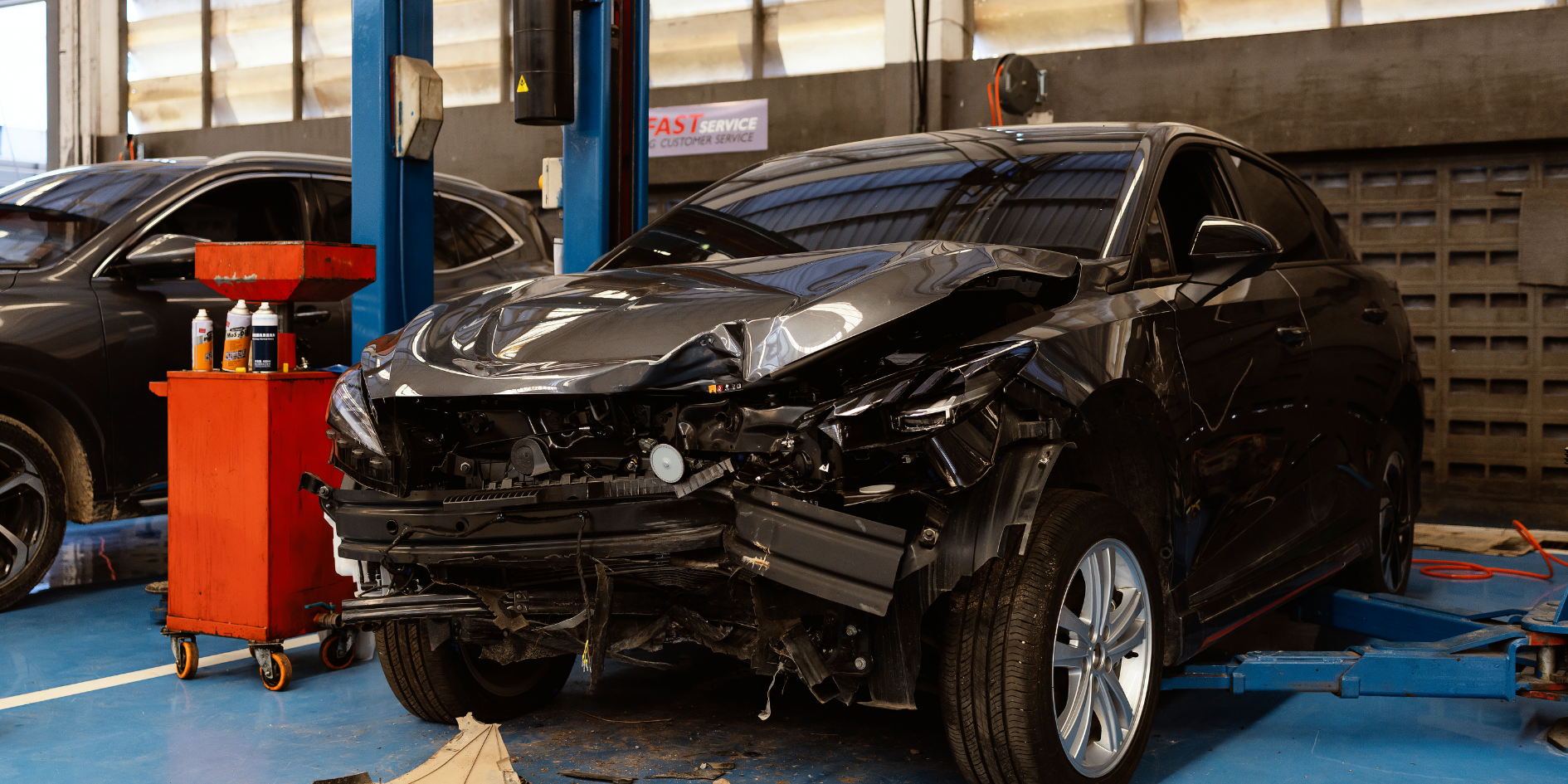
After an accident, the damage you can see isn’t always the only damage your vehicle sustained. A damaged bumper, dented quarter panel, or broken headlight may be obvious, but the impact can also affect structural components underneath the vehicle’s exterior. At Dealership Autoplex Collision Center (DACC) , we believe a proper collision repair is about more than making a vehicle look good again. It’s about identifying and addressing the damage that may be hidden underneath. What Is Structural Damage? Modern vehicles are designed with structural components that help support the vehicle and manage crash forces. Depending on the location and severity of an impact, a collision can potentially affect areas such as: Frame or unibody components Structural rails Suspension mounting points Body alignment Doors and panels Wheel alignment Bumpers and reinforcement components Even an accident that doesn’t appear severe from the outside can sometimes cause damage behind exterior panels.
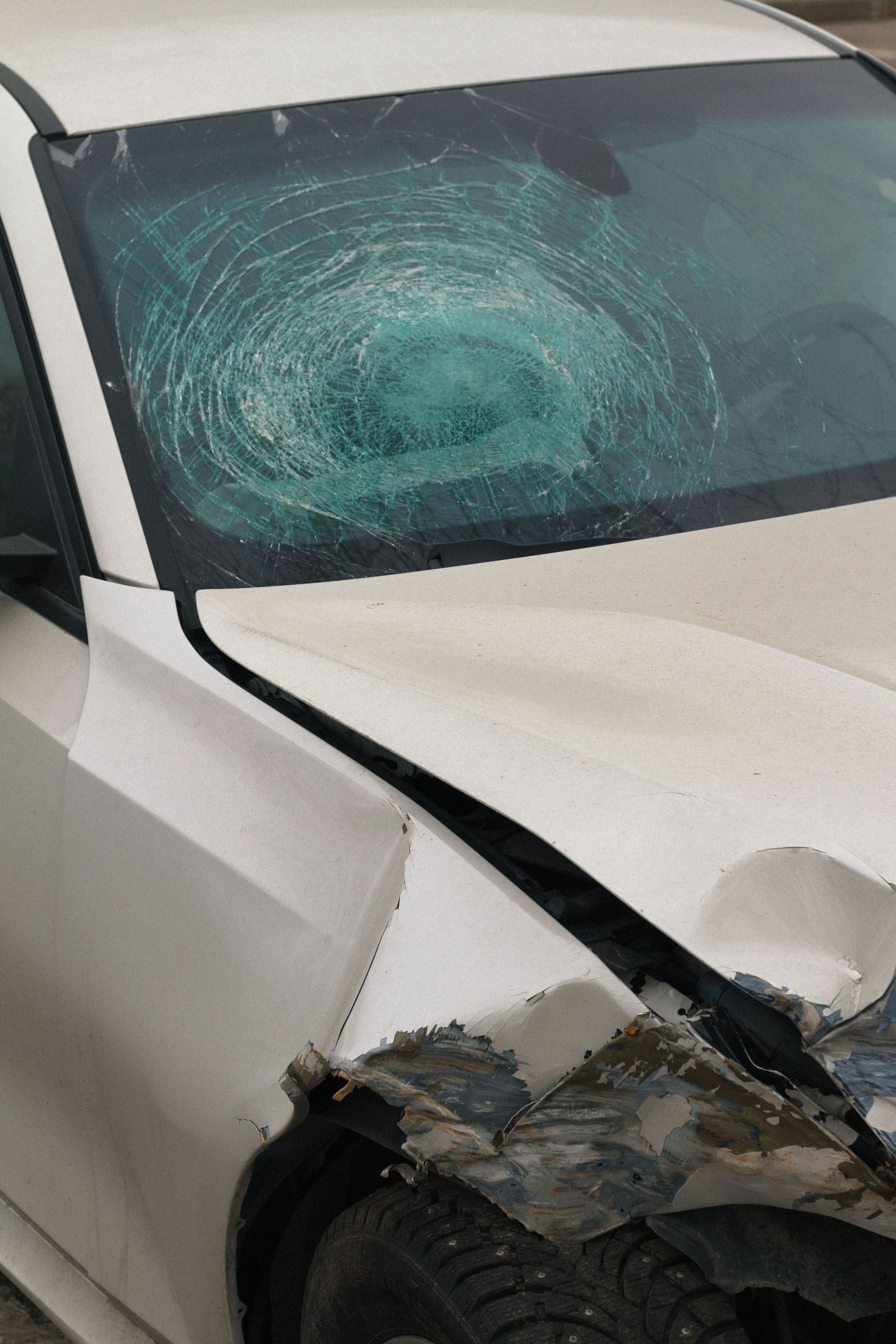
After a car accident, there are a lot of decisions to make. Between filing an insurance claim, arranging transportation, and getting your vehicle repaired, the process can quickly become overwhelming. One common question we hear at Dealership Autoplex Collision Center (DACC) is: “Do I have to use the collision repair shop my insurance company recommends?” In Texas, you generally have the right to choose the repair facility you want to handle your vehicle. Your Insurance Company May Recommend a Shop After you file a claim, your insurance company may provide a list of repair facilities or recommend one of its preferred shops. While these recommendations can be convenient, you are not necessarily required to choose a shop simply because it was suggested by the insurance company. Your vehicle is an important investment, and you should feel comfortable with the facility performing the repairs. What Should You Look for in a Collision Repair Shop? When choosing a collision center, consider more than just how quickly the shop can get your vehicle in. Look for a facility that provides: Experienced collision repair technicians Proper structural and body repairs Professional paint matching and refinishing Clear communication throughout the repair process Assistance working with insurance companies Quality-control inspections before the vehicle is returned Help coordinating rental transportation when needed A quality collision repair should restore more than the appearance of your vehicle. The goal is to properly repair the damage and return the vehicle to you safely and professionally.

Today’s vehicles are equipped with more technology than ever before. Cameras, radar sensors, parking sensors, lane-assist systems, and automatic emergency braking can all be affected by a collision—even when the damage appears minor. That’s why modern collision repair involves much more than repairing dents and replacing damaged parts. What Is ADAS? ADAS stands for Advanced Driver Assistance Systems. Depending on your vehicle, these systems may include: Forward collision warning Automatic emergency braking Lane departure warning Lane-keeping assistance Adaptive cruise control Blind-spot monitoring Parking assistance Surround-view or backup cameras Many of these features rely on cameras and sensors positioned throughout the vehicle.