

The Art and Science of Auto Frame Straightening at a Professional Auto Collision Center
July 17, 2023
Auto Frame Straightening | Collision Repair
When a vehicle experiences a collision, one of the most critical aspects of repair is frame straightening. Auto frame straightening is a specialized process that restores a damaged vehicle's structural integrity, ensuring it is safe to drive once again. In this blog post, we will explore the art and science behind auto frame straightening at a professional auto collision center.
The Importance of Frame Straightening:
The frame of a vehicle serves as its backbone, providing strength, stability, and overall structural support. After an accident, the frame may become misaligned or bent, compromising the vehicle's safety and performance. That's where auto frame straightening comes into play. This meticulous process involves using advanced equipment and techniques to bring the frame back to its original shape, ensuring the vehicle meets the manufacturer's specifications for structural integrity.
State-of-the-Art Equipment and Technology:
A professional auto collision center employs state-of-the-art equipment and technology to perform precise frame straightening. This includes computerized measuring systems, hydraulic presses, frame racks, and specialized tools. Computerized measuring systems assess the frame's alignment, identifying deviations from the original specifications. Hydraulic presses and frame racks exert controlled force to carefully manipulate the frame back into position. These advanced tools allow skilled technicians to ensure accurate and precise repairs, resulting in a restored frame that meets or exceeds industry standards.
Expertise of Skilled Technicians:
Auto frame straightening requires the expertise of skilled technicians who possess a deep understanding of automotive structures and repair techniques. These professionals undergo extensive training and certification to master the art of frame straightening. They are proficient in interpreting manufacturer specifications, assessing damage severity, and determining the best approach for restoring the frame. With their expert knowledge and attention to detail, skilled technicians meticulously apply the necessary forces and adjustments to bring the frame back to its original form, ensuring a safe and reliable vehicle.
The Process of Auto Frame Straightening:
The process of auto frame straightening involves several steps. Firstly, the technician carefully inspects the frame, assessing the extent of the damage and identifying any hidden issues. Next, computerized measuring systems are used to precisely measure and record deviations from the manufacturer's specifications. Based on this data, the technician determines the optimal approach for straightening the frame. Hydraulic presses and frame racks are then employed to apply controlled forces, gradually manipulating the frame back into alignment. Throughout the process, the technician continuously verifies measurements to ensure the frame is returning to its original shape accurately. Finally, a post-repair inspection is conducted to guarantee the frame meets all safety and quality standards.
Conclusion:
Auto frame straightening is a specialized and essential process in restoring a damaged vehicle's structural integrity after a collision. Here at DACC, with cutting-edge equipment, skilled technicians, and a meticulous approach, we ensure that the frame is restored to its original specifications, providing both safety and peace of mind for vehicle owners.
If you’re in need of frame straightening, give us a call at (972) 242-0092 or come by our location at 2536 Dickerson Parkway Suite 110, Carrollton, Texas 75006
The Importance of Frame Straightening:
The frame of a vehicle serves as its backbone, providing strength, stability, and overall structural support. After an accident, the frame may become misaligned or bent, compromising the vehicle's safety and performance. That's where auto frame straightening comes into play. This meticulous process involves using advanced equipment and techniques to bring the frame back to its original shape, ensuring the vehicle meets the manufacturer's specifications for structural integrity.
State-of-the-Art Equipment and Technology:
A professional auto collision center employs state-of-the-art equipment and technology to perform precise frame straightening. This includes computerized measuring systems, hydraulic presses, frame racks, and specialized tools. Computerized measuring systems assess the frame's alignment, identifying deviations from the original specifications. Hydraulic presses and frame racks exert controlled force to carefully manipulate the frame back into position. These advanced tools allow skilled technicians to ensure accurate and precise repairs, resulting in a restored frame that meets or exceeds industry standards.
Expertise of Skilled Technicians:
Auto frame straightening requires the expertise of skilled technicians who possess a deep understanding of automotive structures and repair techniques. These professionals undergo extensive training and certification to master the art of frame straightening. They are proficient in interpreting manufacturer specifications, assessing damage severity, and determining the best approach for restoring the frame. With their expert knowledge and attention to detail, skilled technicians meticulously apply the necessary forces and adjustments to bring the frame back to its original form, ensuring a safe and reliable vehicle.
The Process of Auto Frame Straightening:
The process of auto frame straightening involves several steps. Firstly, the technician carefully inspects the frame, assessing the extent of the damage and identifying any hidden issues. Next, computerized measuring systems are used to precisely measure and record deviations from the manufacturer's specifications. Based on this data, the technician determines the optimal approach for straightening the frame. Hydraulic presses and frame racks are then employed to apply controlled forces, gradually manipulating the frame back into alignment. Throughout the process, the technician continuously verifies measurements to ensure the frame is returning to its original shape accurately. Finally, a post-repair inspection is conducted to guarantee the frame meets all safety and quality standards.
Conclusion:
Auto frame straightening is a specialized and essential process in restoring a damaged vehicle's structural integrity after a collision. Here at DACC, with cutting-edge equipment, skilled technicians, and a meticulous approach, we ensure that the frame is restored to its original specifications, providing both safety and peace of mind for vehicle owners.
If you’re in need of frame straightening, give us a call at (972) 242-0092 or come by our location at 2536 Dickerson Parkway Suite 110, Carrollton, Texas 75006
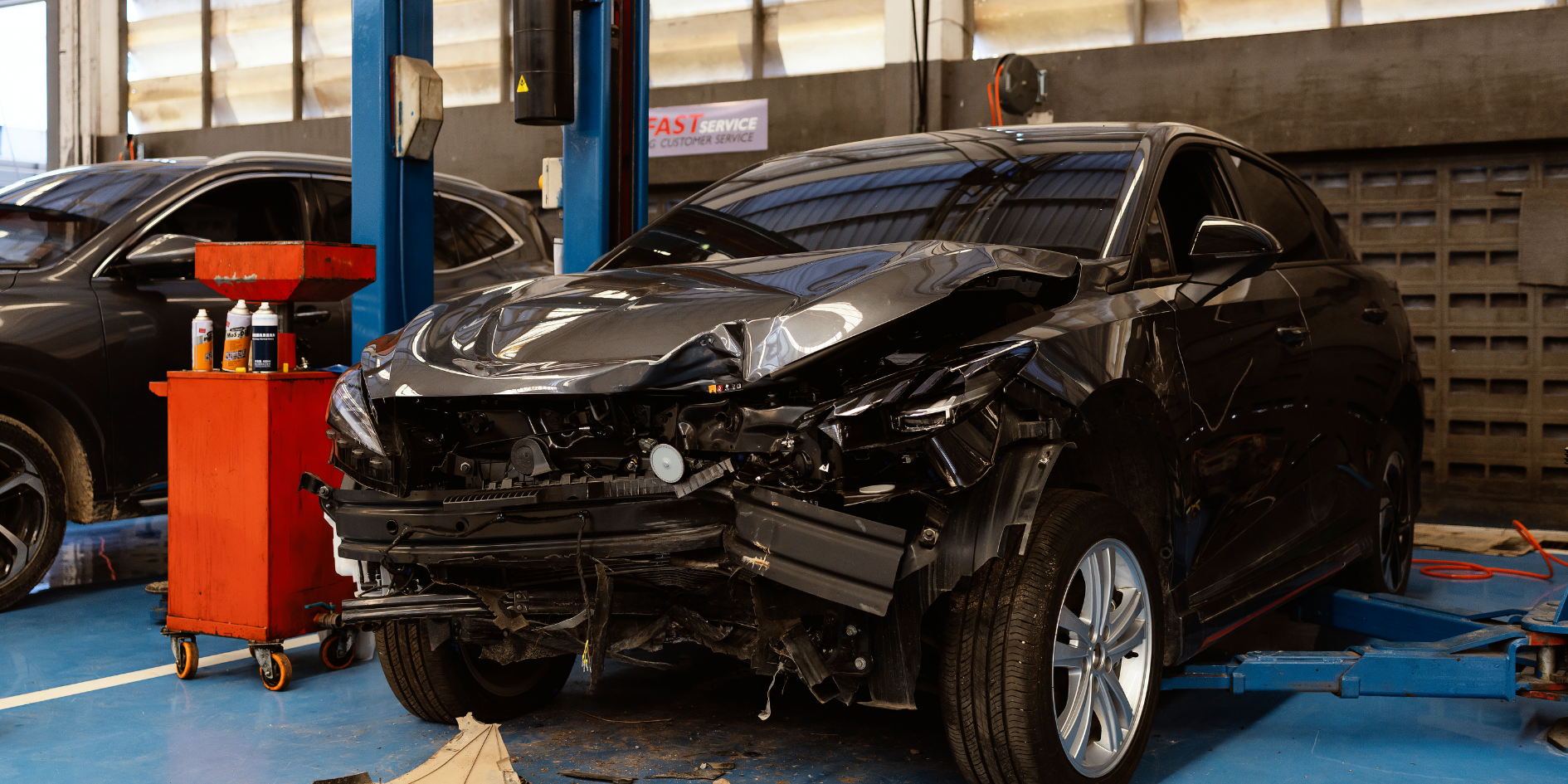
After an accident, the damage you can see isn’t always the only damage your vehicle sustained. A damaged bumper, dented quarter panel, or broken headlight may be obvious, but the impact can also affect structural components underneath the vehicle’s exterior. At Dealership Autoplex Collision Center (DACC) , we believe a proper collision repair is about more than making a vehicle look good again. It’s about identifying and addressing the damage that may be hidden underneath. What Is Structural Damage? Modern vehicles are designed with structural components that help support the vehicle and manage crash forces. Depending on the location and severity of an impact, a collision can potentially affect areas such as: Frame or unibody components Structural rails Suspension mounting points Body alignment Doors and panels Wheel alignment Bumpers and reinforcement components Even an accident that doesn’t appear severe from the outside can sometimes cause damage behind exterior panels.
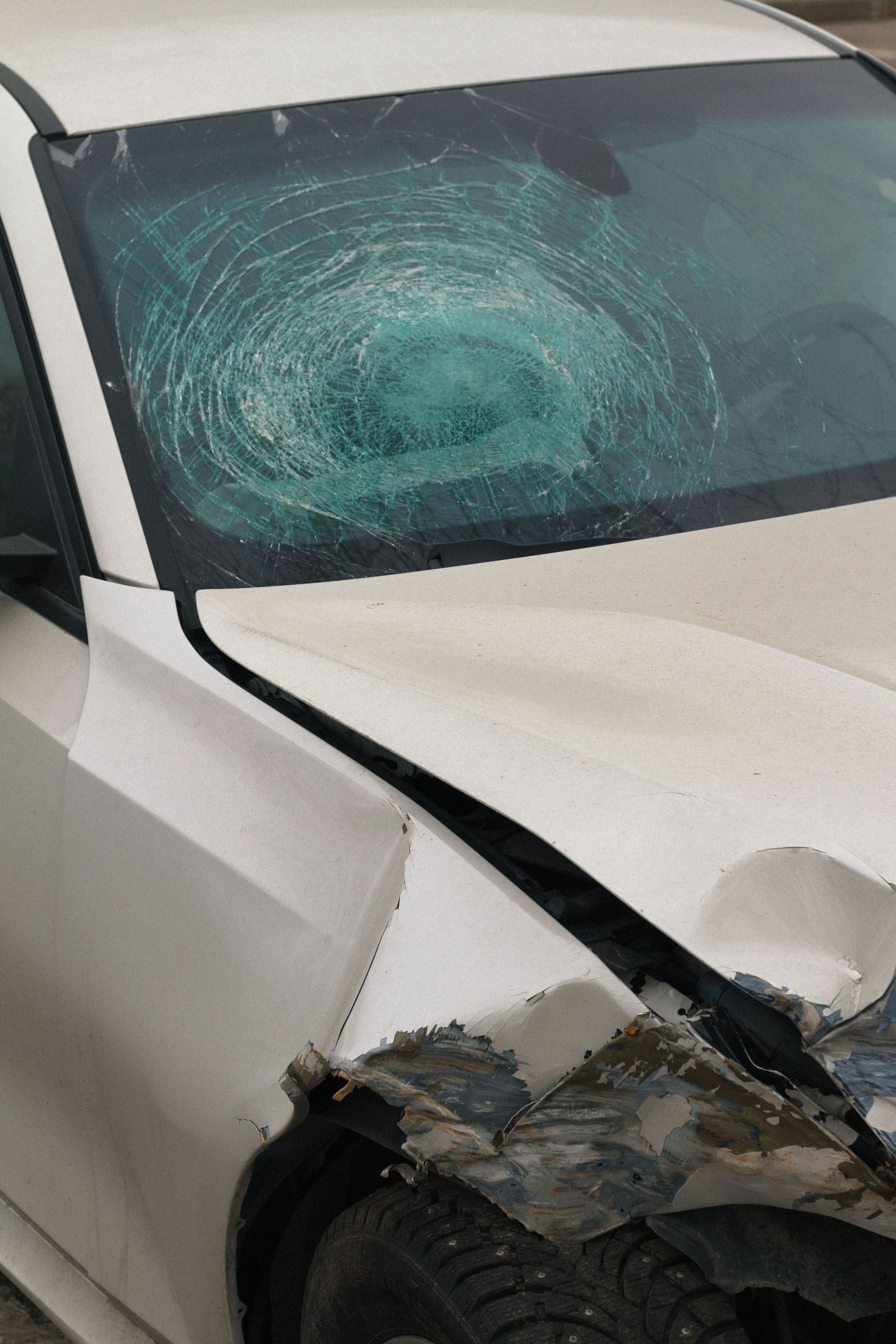
After a car accident, there are a lot of decisions to make. Between filing an insurance claim, arranging transportation, and getting your vehicle repaired, the process can quickly become overwhelming. One common question we hear at Dealership Autoplex Collision Center (DACC) is: “Do I have to use the collision repair shop my insurance company recommends?” In Texas, you generally have the right to choose the repair facility you want to handle your vehicle. Your Insurance Company May Recommend a Shop After you file a claim, your insurance company may provide a list of repair facilities or recommend one of its preferred shops. While these recommendations can be convenient, you are not necessarily required to choose a shop simply because it was suggested by the insurance company. Your vehicle is an important investment, and you should feel comfortable with the facility performing the repairs. What Should You Look for in a Collision Repair Shop? When choosing a collision center, consider more than just how quickly the shop can get your vehicle in. Look for a facility that provides: Experienced collision repair technicians Proper structural and body repairs Professional paint matching and refinishing Clear communication throughout the repair process Assistance working with insurance companies Quality-control inspections before the vehicle is returned Help coordinating rental transportation when needed A quality collision repair should restore more than the appearance of your vehicle. The goal is to properly repair the damage and return the vehicle to you safely and professionally.
Today’s vehicles are equipped with more technology than ever before. Cameras, radar sensors, parking sensors, lane-assist systems, and automatic emergency braking can all be affected by a collision—even when the damage appears minor. That’s why modern collision repair involves much more than repairing dents and replacing damaged parts. What Is ADAS? ADAS stands for Advanced Driver Assistance Systems. Depending on your vehicle, these systems may include: Forward collision warning Automatic emergency braking Lane departure warning Lane-keeping assistance Adaptive cruise control Blind-spot monitoring Parking assistance Surround-view or backup cameras Many of these features rely on cameras and sensors positioned throughout the vehicle.