

Know Your Winter Car Maintenance Requirements
December 7, 2021
Car Maintenance | Car Repair
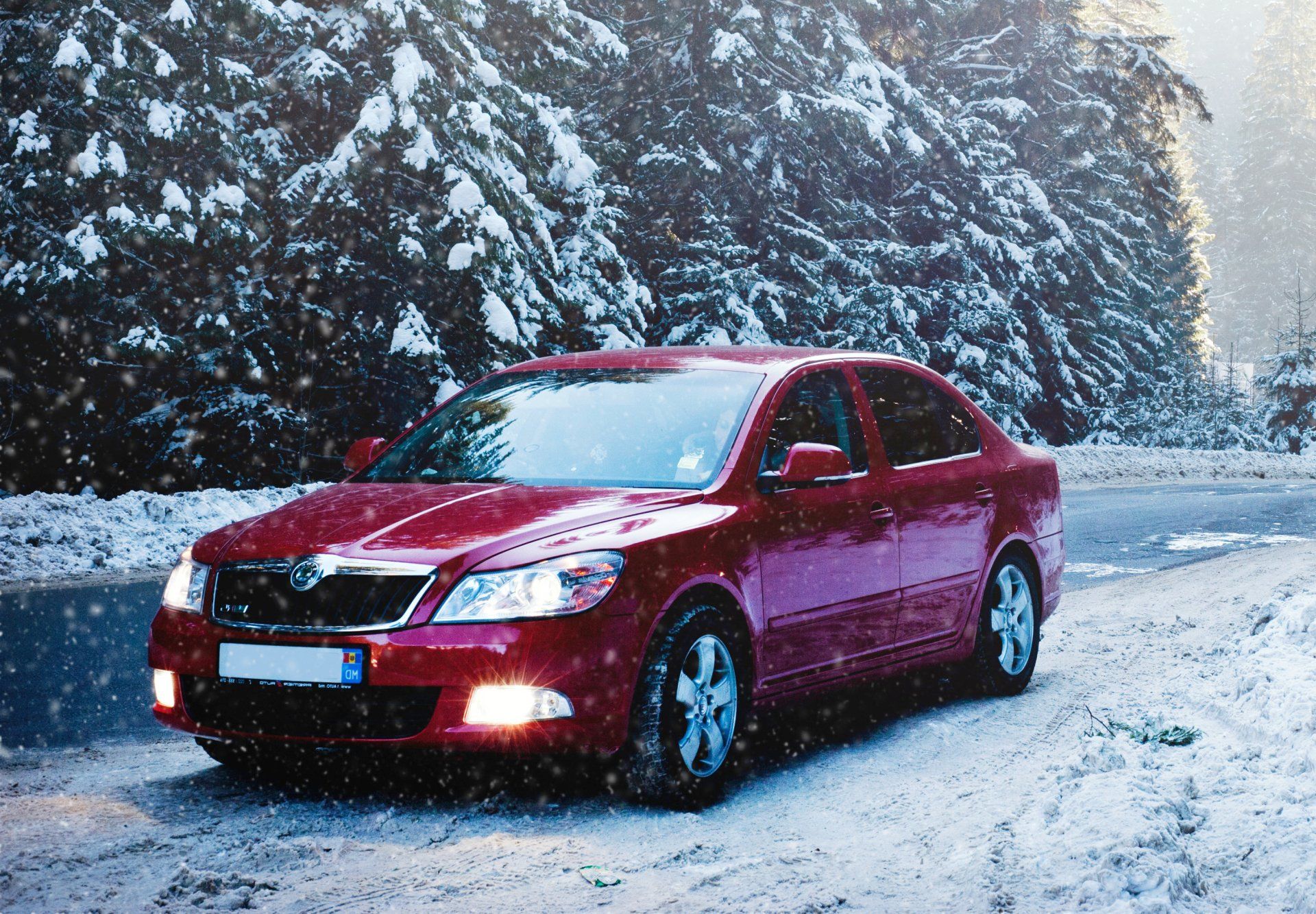
While white Winters in Texas come once in a blue moon, we should all still be aware of the car maintenance tips that keep the motor running through the Winter, and especially through any unexpected snowy and icy weather like we experienced in February of 2021!
This is especially true when many of us don’t lend a consideration to the changes that might occur under the hood just because of a drop in temperature.
So, as we head deeper into Winter, the team here at Dealership Autoplex Collision Center wanted to share 8 car maintenance tips to help see you and your vehicle through to Spring.
1. Invest in a Set of Winter Tires
Winter tires, Summer tires and all-year tires have their advantages and disadvantages. In fact, they’ve been made for their own season. Winter tires are made from a much softer compound to help with gripping through ice, snow and slush while keeping car repair at bay but can often melt in Texan Summer heat. Summer tires are great for the warm weather but wouldn’t be much help when trying to grip an icy road.
2. Do the Penny Tread Check
New tires will come will around 10/32” of tread; and when they wear down to 2/32”, you’re legally obliged to change them out. With Winter, you want as much grip as possible which means deep tread on your tires. To check, use a penny and turn Lincoln’s head down into the tread. If his head disappears into the rubber, your good to take the motor out. Otherwise, ya’ll will have to invest in a new set of Winter tires.
3. Keep a Can of De-Icer in the Trunk
De-icer is like having an aerosol can of magic at your fingertips. Most brands use an active ingredient called methanol which melts ice off your windshield in the blink of an eye. Sometimes, when doing the school run or trying to get to the office, we can get stuck in the snow relying on warm water from the house and a scraper. But this will keep the wheels turning no matter where you are.
4. Check Your Vehicle’s Suspension
Your suspension and chassis can take a beating in the colder months and it’s not really something we all think about. But, when the grit, the ice, the rocks, and the potholes caused by thermal contraction (the cold) hits the underside of your vehicle, unexpected car repair costs will be coming your way. So, get your vehicle a Winter suspension car maintenance check before hitting the cold track.
5. Treat Your Car to Wheel Alignment
Also known as “tracking”, there are many reasons to get your car’s wheels and axels re-aligned. Misalignment comes from worn tires, hitting potholes, new tire fittings, suspension modification, part wear, engine juddering, heavy impact and more. Then, if your wheels are misaligned, you’ll have worse steering, tread and overall control on the road. So, to avoid needing car repair in the Spring, get your wheels aligned.
6. Do a Quick Fluids Check
Winter car maintenance isn’t finished without checking your fluids. You’ve got coolant, engine oil, power steering fluid, brake fluid and windshield washer fluid. These fluids decrease in volume in cold weather, so it’s vital to check levels are up to standard. This is especially true with your coolant, which we might swap for an anti-freeze ratio to make sure the sub-zero temperatures don’t freeze the radiator system.
7. Always Remove Snow and Ice From Your Roof
You shouldn’t just be thinking about your own vehicle when it comes to Winter car maintenance. Other road user’s safety and car repair is just as important of a consideration. When you’re driving with snow on your roof, it will begin to melt from the heat of your car and fall off your roof onto the road. Yet, sheet ice can be in that snow and hit the windshield of the driver behind you. So, check and scrape away!
8. Keep Spare Fleece and Socks in Your Car
This last one is more about “you” maintenance rather than car maintenance or even car repair. That’s because you never know when you might be stuck in a snowstorm away from the house or stuck in traffic for hours after a collision on the highway involving black ice. So, to keep you and your passengers comfy, keep extra warm clothing and blankets in the back to access just when you need to.
And that makes all 8 of the team’s recommendations for Winter car maintenance and checks to make sure you have a safe drive through ice and snow.
Here at the Dealership Autoplex Collision Center, the team is good for more than just telling you a few Winter recommendations. We have a team of ASE-certified technicians and mechanics ready to help you maintain and repair your vehicle in the Winter months and right through to the height of Summer.
So, contact our team on (972) 242-0092 to find out more, or search our website where you’ll find all our services and our address. Alternatively, ya’ll are more than welcome to pop by for an eggnog in the snow while the team completes your Winter inspection here at the shop in Carrolton, TX.
This is especially true when many of us don’t lend a consideration to the changes that might occur under the hood just because of a drop in temperature.
So, as we head deeper into Winter, the team here at Dealership Autoplex Collision Center wanted to share 8 car maintenance tips to help see you and your vehicle through to Spring.
1. Invest in a Set of Winter Tires
Winter tires, Summer tires and all-year tires have their advantages and disadvantages. In fact, they’ve been made for their own season. Winter tires are made from a much softer compound to help with gripping through ice, snow and slush while keeping car repair at bay but can often melt in Texan Summer heat. Summer tires are great for the warm weather but wouldn’t be much help when trying to grip an icy road.
2. Do the Penny Tread Check
New tires will come will around 10/32” of tread; and when they wear down to 2/32”, you’re legally obliged to change them out. With Winter, you want as much grip as possible which means deep tread on your tires. To check, use a penny and turn Lincoln’s head down into the tread. If his head disappears into the rubber, your good to take the motor out. Otherwise, ya’ll will have to invest in a new set of Winter tires.
3. Keep a Can of De-Icer in the Trunk
De-icer is like having an aerosol can of magic at your fingertips. Most brands use an active ingredient called methanol which melts ice off your windshield in the blink of an eye. Sometimes, when doing the school run or trying to get to the office, we can get stuck in the snow relying on warm water from the house and a scraper. But this will keep the wheels turning no matter where you are.
4. Check Your Vehicle’s Suspension
Your suspension and chassis can take a beating in the colder months and it’s not really something we all think about. But, when the grit, the ice, the rocks, and the potholes caused by thermal contraction (the cold) hits the underside of your vehicle, unexpected car repair costs will be coming your way. So, get your vehicle a Winter suspension car maintenance check before hitting the cold track.
5. Treat Your Car to Wheel Alignment
Also known as “tracking”, there are many reasons to get your car’s wheels and axels re-aligned. Misalignment comes from worn tires, hitting potholes, new tire fittings, suspension modification, part wear, engine juddering, heavy impact and more. Then, if your wheels are misaligned, you’ll have worse steering, tread and overall control on the road. So, to avoid needing car repair in the Spring, get your wheels aligned.
6. Do a Quick Fluids Check
Winter car maintenance isn’t finished without checking your fluids. You’ve got coolant, engine oil, power steering fluid, brake fluid and windshield washer fluid. These fluids decrease in volume in cold weather, so it’s vital to check levels are up to standard. This is especially true with your coolant, which we might swap for an anti-freeze ratio to make sure the sub-zero temperatures don’t freeze the radiator system.
7. Always Remove Snow and Ice From Your Roof
You shouldn’t just be thinking about your own vehicle when it comes to Winter car maintenance. Other road user’s safety and car repair is just as important of a consideration. When you’re driving with snow on your roof, it will begin to melt from the heat of your car and fall off your roof onto the road. Yet, sheet ice can be in that snow and hit the windshield of the driver behind you. So, check and scrape away!
8. Keep Spare Fleece and Socks in Your Car
This last one is more about “you” maintenance rather than car maintenance or even car repair. That’s because you never know when you might be stuck in a snowstorm away from the house or stuck in traffic for hours after a collision on the highway involving black ice. So, to keep you and your passengers comfy, keep extra warm clothing and blankets in the back to access just when you need to.
And that makes all 8 of the team’s recommendations for Winter car maintenance and checks to make sure you have a safe drive through ice and snow.
Here at the Dealership Autoplex Collision Center, the team is good for more than just telling you a few Winter recommendations. We have a team of ASE-certified technicians and mechanics ready to help you maintain and repair your vehicle in the Winter months and right through to the height of Summer.
So, contact our team on (972) 242-0092 to find out more, or search our website where you’ll find all our services and our address. Alternatively, ya’ll are more than welcome to pop by for an eggnog in the snow while the team completes your Winter inspection here at the shop in Carrolton, TX.
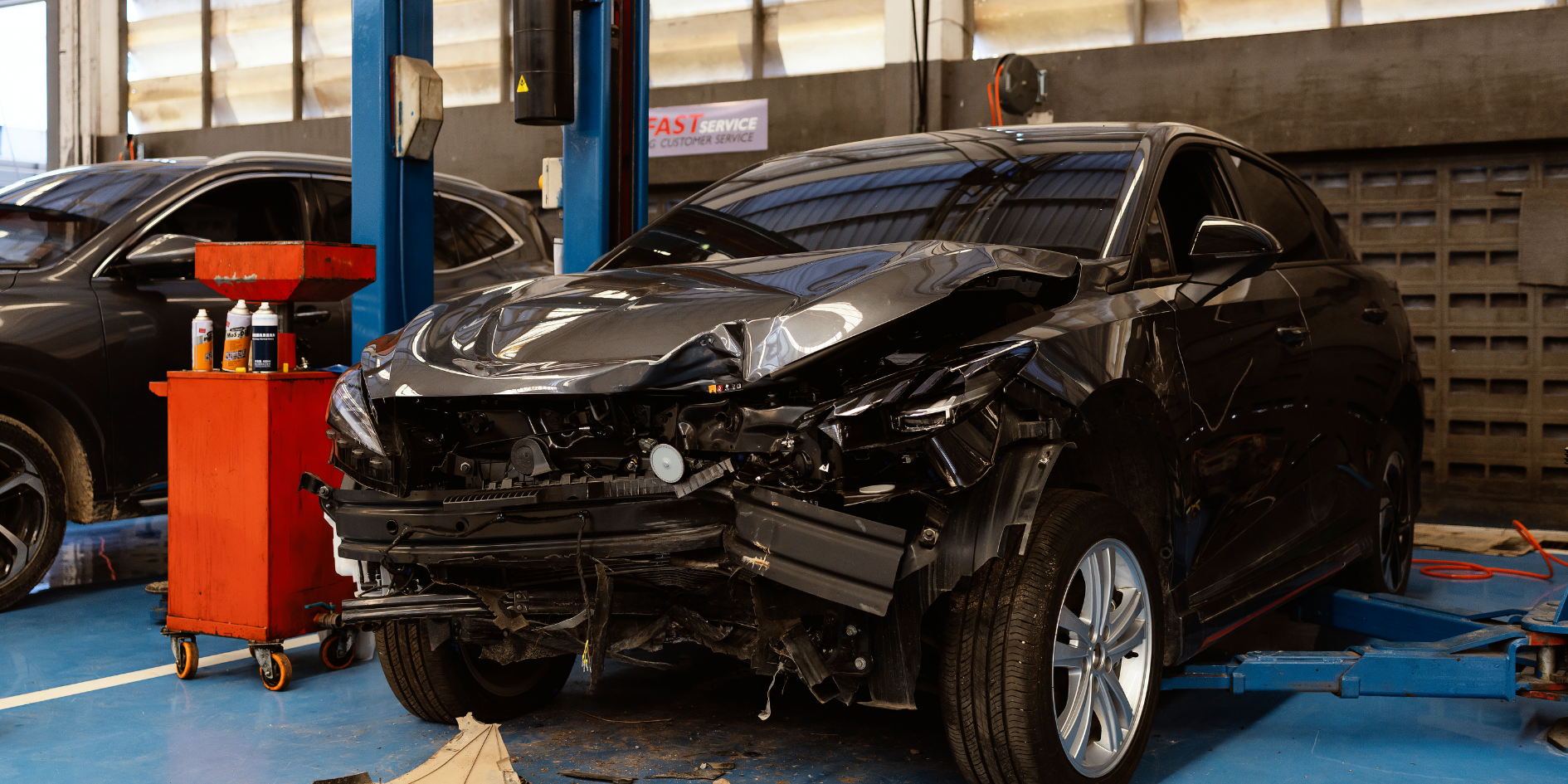
After an accident, the damage you can see isn’t always the only damage your vehicle sustained. A damaged bumper, dented quarter panel, or broken headlight may be obvious, but the impact can also affect structural components underneath the vehicle’s exterior. At Dealership Autoplex Collision Center (DACC) , we believe a proper collision repair is about more than making a vehicle look good again. It’s about identifying and addressing the damage that may be hidden underneath. What Is Structural Damage? Modern vehicles are designed with structural components that help support the vehicle and manage crash forces. Depending on the location and severity of an impact, a collision can potentially affect areas such as: Frame or unibody components Structural rails Suspension mounting points Body alignment Doors and panels Wheel alignment Bumpers and reinforcement components Even an accident that doesn’t appear severe from the outside can sometimes cause damage behind exterior panels.
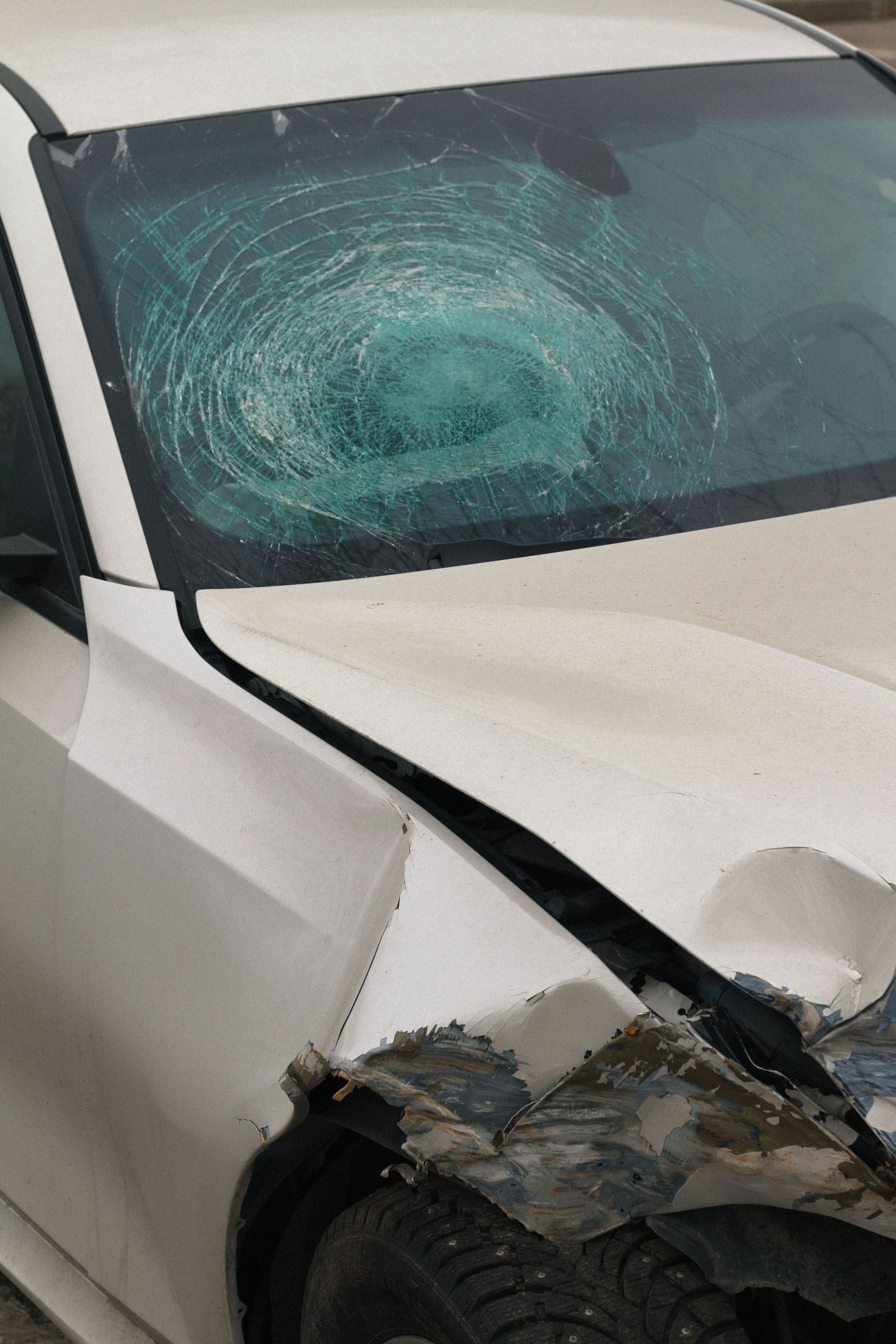
After a car accident, there are a lot of decisions to make. Between filing an insurance claim, arranging transportation, and getting your vehicle repaired, the process can quickly become overwhelming. One common question we hear at Dealership Autoplex Collision Center (DACC) is: “Do I have to use the collision repair shop my insurance company recommends?” In Texas, you generally have the right to choose the repair facility you want to handle your vehicle. Your Insurance Company May Recommend a Shop After you file a claim, your insurance company may provide a list of repair facilities or recommend one of its preferred shops. While these recommendations can be convenient, you are not necessarily required to choose a shop simply because it was suggested by the insurance company. Your vehicle is an important investment, and you should feel comfortable with the facility performing the repairs. What Should You Look for in a Collision Repair Shop? When choosing a collision center, consider more than just how quickly the shop can get your vehicle in. Look for a facility that provides: Experienced collision repair technicians Proper structural and body repairs Professional paint matching and refinishing Clear communication throughout the repair process Assistance working with insurance companies Quality-control inspections before the vehicle is returned Help coordinating rental transportation when needed A quality collision repair should restore more than the appearance of your vehicle. The goal is to properly repair the damage and return the vehicle to you safely and professionally.
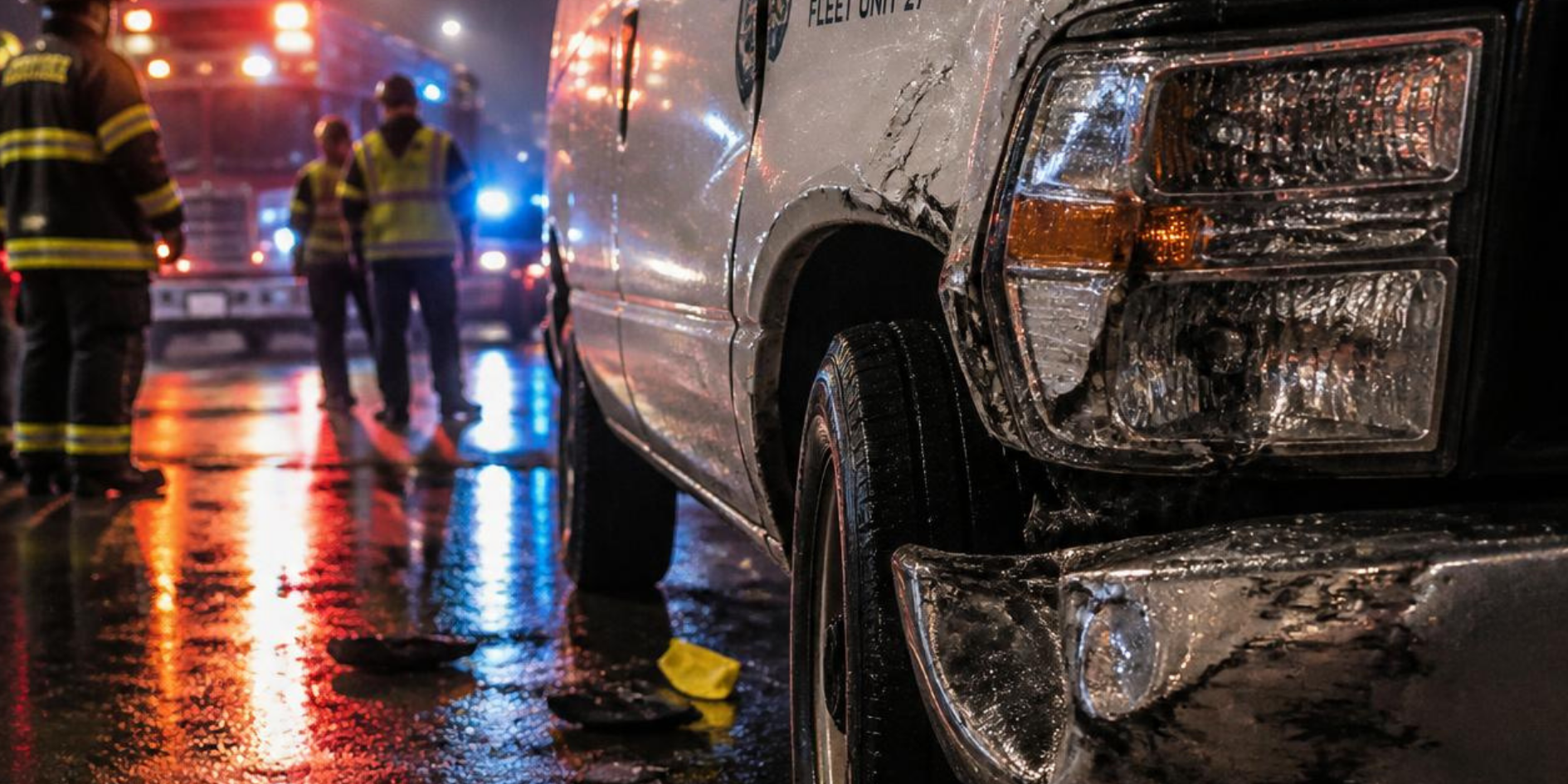
Today’s vehicles are equipped with more technology than ever before. Cameras, radar sensors, parking sensors, lane-assist systems, and automatic emergency braking can all be affected by a collision—even when the damage appears minor. That’s why modern collision repair involves much more than repairing dents and replacing damaged parts. What Is ADAS? ADAS stands for Advanced Driver Assistance Systems. Depending on your vehicle, these systems may include: Forward collision warning Automatic emergency braking Lane departure warning Lane-keeping assistance Adaptive cruise control Blind-spot monitoring Parking assistance Surround-view or backup cameras Many of these features rely on cameras and sensors positioned throughout the vehicle.