

45 Tips for Safe Driving in Snowy and Icy Weather
December 7, 2021
Driving Safety | Auto Maintenance
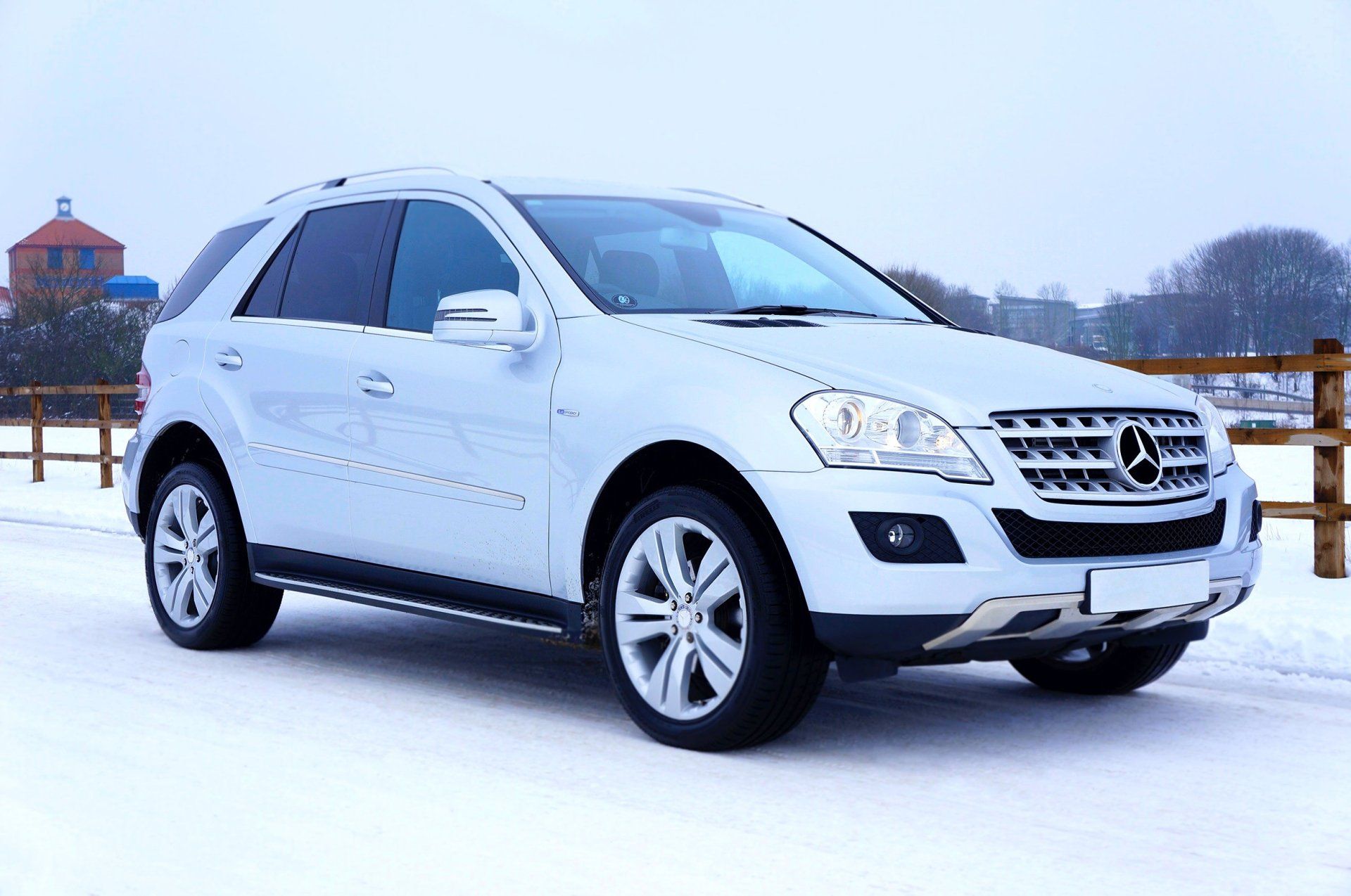
Even though our ice and snowstorms usually come upon us only once a year, it’s good to know the best way to handle any icy or snowy roads in Texas. Luckily, we’ve got 45 tips of driving safety to share.
However, these tips aren’t necessarily for a trip to the store and back. Or even the school run. Instead, we’ve also added a lot of crucial tips that help you get prepared in the case of a storm hitting Texas. While these aren’t a common occurrence, we want you to be as prepared as possible.
So, here we are, the Dealership Autoplex Collision Center team to the rescue. As enthusiasts of cars, we’re automatically enthusiasts of driving safety and auto maintenance (and how to avoid repair) meaning you’ll want to take these tips as a checklist of sorts:
1. Allow extra time for your journey before you set off, in case of a snowstorm. 2. Plan to use larger roads that are more likely to be gritted. 3. Wear grippy shoes so they don’t slip on the pedals. 4. Inspect your fuel levels in an auto maintenance check before you start your engine. 5. Use de-icer, a scraper and the vehicle’s heating to clean your windows. 6. Check your vehicle handbook to see if there’s a “slippery mode”. 7. Only apply your brakes gently at first to make sure they don’t stick. 8. Don’t deflate your tires to get more grip; it doesn’t actually work and is dangerous. 9. Keep a consistent speed driving uphill to avoid slipping. 10. Before you go downhill, slow down as much as you can. 11. Be on the look-out for black ice or hidden ice on the road. 12. For driving safety, don’t break when you hit and skid on black ice. 13. When stuck, use an old rug behind the tires to get traction. 14. Clear snow from your roof before starting your journey. 15. Keep clear of moving cars with snow on their roofs. 16. Leave a larger space between you and the car in front: about 5 to 6 seconds. 17. Account for longer stopping distances: about three car lengths worth. 18. Turn your fog light on in heavy snowfall and storms for driving safety. 19. Use air-con to demist your windscreen fast. 20. Drive slower in snow, ice and slush to avoid skidding or a collision. 21. Always make sure your wipers are down when you stop in case they freeze. 22. Don’t drive with cruise control so you can avoid rapid wheel spin on ice. 23. Add anti-freeze into your coolant ratio with auto maintenance. 24. Use an additive in your screen wash to prevent freezing. 25. Replace worn wiper blades so they’re more effective. 26. Keep your license plate clean of snow or muck. 27. Don’t use snow chains unless there’s enough deep snow to prevent road damage. 28. Invest in a set of Winter tires for the season. 29. If the engine doesn’t start immediately, try 5-second ignitions in 30-second bursts. 30. Never ignore a squealing noise; turn your engine off and let your fan belt thaw. 31. Don’t place your faith of driving safety in other road users. 32. Stop immediately if your car overheats after a few miles as the radiator has frozen. 33. Always keep a torch, scraper and spare blankets in your car for night driving. 34. Keep a first aid kit in your trunk at all times in case of a storm. 35. Keep emergency supplies such as a tow rope and a hazard triangle in your trunk. 36. Avoid driving unless you really must; treat yourself to home delivery and take-out. 37. Clear your exhaust pipe to avoid carbon monoxide build-up. 38. Conserve fuel by turning the heater off when you’re warm. 39. Drive with your lights on even during the day for visibility and driving safety. 40. Make sure your cell phone is always fully charged or take a power bank. 41. Add spare warm clothes, waterproofs and a high-visibility jacket into your trunk. 42. If the forecast is heavy snow, take a shovel to work. 43. Have jump leads at quick access as batteries can go flat in the cold. 44. Never forget to take hot drinks and snacks on your trip. 45. Keep the number for your Dealership Autoplex Collision Center handy.
And that counts all 45 of our Winter driving safety tips from the team. That said, we’ll reiterate just one of them again; if you don’t absolutely need to travel and couldn’t possibly get something delivered to your home, then don’t get behind the wheel. The best driving safety tip is not driving at all when the weather conditions are dangerous.
Yet, if you do need to know more about auto maintenance for your car during the Winter so you can ensure your vehicle is up for the snow and ice, then come to the team of ASE-certified technicians and specialists at Dealership Autoplex Collision Center.
Contact us on (972) 242-0092 or visit the website to find all our services. Alternatively, drive straight to the shop for a Winter auto maintenance service here in Carrolton, TX.
However, these tips aren’t necessarily for a trip to the store and back. Or even the school run. Instead, we’ve also added a lot of crucial tips that help you get prepared in the case of a storm hitting Texas. While these aren’t a common occurrence, we want you to be as prepared as possible.
So, here we are, the Dealership Autoplex Collision Center team to the rescue. As enthusiasts of cars, we’re automatically enthusiasts of driving safety and auto maintenance (and how to avoid repair) meaning you’ll want to take these tips as a checklist of sorts:
1. Allow extra time for your journey before you set off, in case of a snowstorm. 2. Plan to use larger roads that are more likely to be gritted. 3. Wear grippy shoes so they don’t slip on the pedals. 4. Inspect your fuel levels in an auto maintenance check before you start your engine. 5. Use de-icer, a scraper and the vehicle’s heating to clean your windows. 6. Check your vehicle handbook to see if there’s a “slippery mode”. 7. Only apply your brakes gently at first to make sure they don’t stick. 8. Don’t deflate your tires to get more grip; it doesn’t actually work and is dangerous. 9. Keep a consistent speed driving uphill to avoid slipping. 10. Before you go downhill, slow down as much as you can. 11. Be on the look-out for black ice or hidden ice on the road. 12. For driving safety, don’t break when you hit and skid on black ice. 13. When stuck, use an old rug behind the tires to get traction. 14. Clear snow from your roof before starting your journey. 15. Keep clear of moving cars with snow on their roofs. 16. Leave a larger space between you and the car in front: about 5 to 6 seconds. 17. Account for longer stopping distances: about three car lengths worth. 18. Turn your fog light on in heavy snowfall and storms for driving safety. 19. Use air-con to demist your windscreen fast. 20. Drive slower in snow, ice and slush to avoid skidding or a collision. 21. Always make sure your wipers are down when you stop in case they freeze. 22. Don’t drive with cruise control so you can avoid rapid wheel spin on ice. 23. Add anti-freeze into your coolant ratio with auto maintenance. 24. Use an additive in your screen wash to prevent freezing. 25. Replace worn wiper blades so they’re more effective. 26. Keep your license plate clean of snow or muck. 27. Don’t use snow chains unless there’s enough deep snow to prevent road damage. 28. Invest in a set of Winter tires for the season. 29. If the engine doesn’t start immediately, try 5-second ignitions in 30-second bursts. 30. Never ignore a squealing noise; turn your engine off and let your fan belt thaw. 31. Don’t place your faith of driving safety in other road users. 32. Stop immediately if your car overheats after a few miles as the radiator has frozen. 33. Always keep a torch, scraper and spare blankets in your car for night driving. 34. Keep a first aid kit in your trunk at all times in case of a storm. 35. Keep emergency supplies such as a tow rope and a hazard triangle in your trunk. 36. Avoid driving unless you really must; treat yourself to home delivery and take-out. 37. Clear your exhaust pipe to avoid carbon monoxide build-up. 38. Conserve fuel by turning the heater off when you’re warm. 39. Drive with your lights on even during the day for visibility and driving safety. 40. Make sure your cell phone is always fully charged or take a power bank. 41. Add spare warm clothes, waterproofs and a high-visibility jacket into your trunk. 42. If the forecast is heavy snow, take a shovel to work. 43. Have jump leads at quick access as batteries can go flat in the cold. 44. Never forget to take hot drinks and snacks on your trip. 45. Keep the number for your Dealership Autoplex Collision Center handy.
And that counts all 45 of our Winter driving safety tips from the team. That said, we’ll reiterate just one of them again; if you don’t absolutely need to travel and couldn’t possibly get something delivered to your home, then don’t get behind the wheel. The best driving safety tip is not driving at all when the weather conditions are dangerous.
Yet, if you do need to know more about auto maintenance for your car during the Winter so you can ensure your vehicle is up for the snow and ice, then come to the team of ASE-certified technicians and specialists at Dealership Autoplex Collision Center.
Contact us on (972) 242-0092 or visit the website to find all our services. Alternatively, drive straight to the shop for a Winter auto maintenance service here in Carrolton, TX.
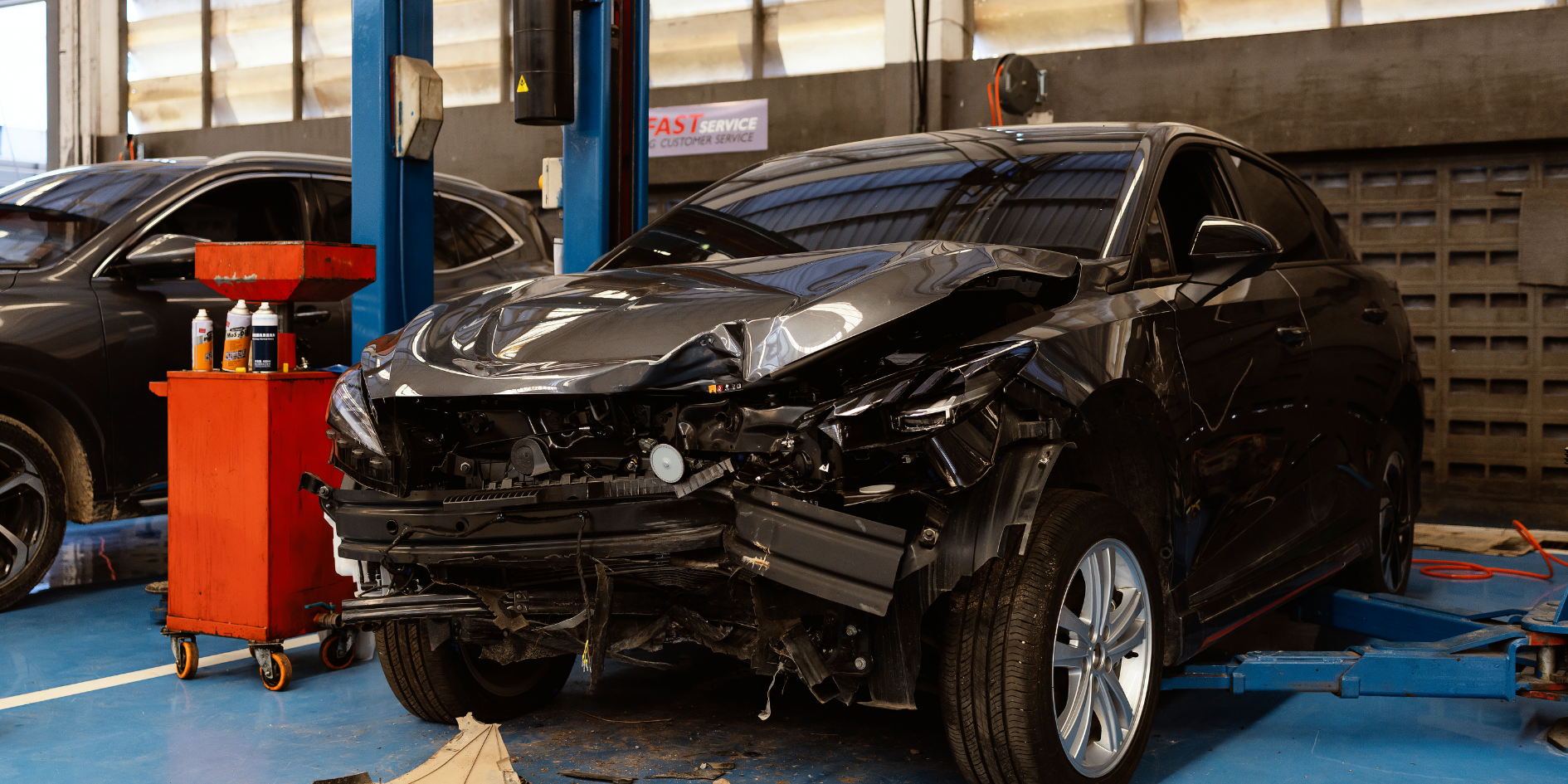
After an accident, the damage you can see isn’t always the only damage your vehicle sustained. A damaged bumper, dented quarter panel, or broken headlight may be obvious, but the impact can also affect structural components underneath the vehicle’s exterior. At Dealership Autoplex Collision Center (DACC) , we believe a proper collision repair is about more than making a vehicle look good again. It’s about identifying and addressing the damage that may be hidden underneath. What Is Structural Damage? Modern vehicles are designed with structural components that help support the vehicle and manage crash forces. Depending on the location and severity of an impact, a collision can potentially affect areas such as: Frame or unibody components Structural rails Suspension mounting points Body alignment Doors and panels Wheel alignment Bumpers and reinforcement components Even an accident that doesn’t appear severe from the outside can sometimes cause damage behind exterior panels.
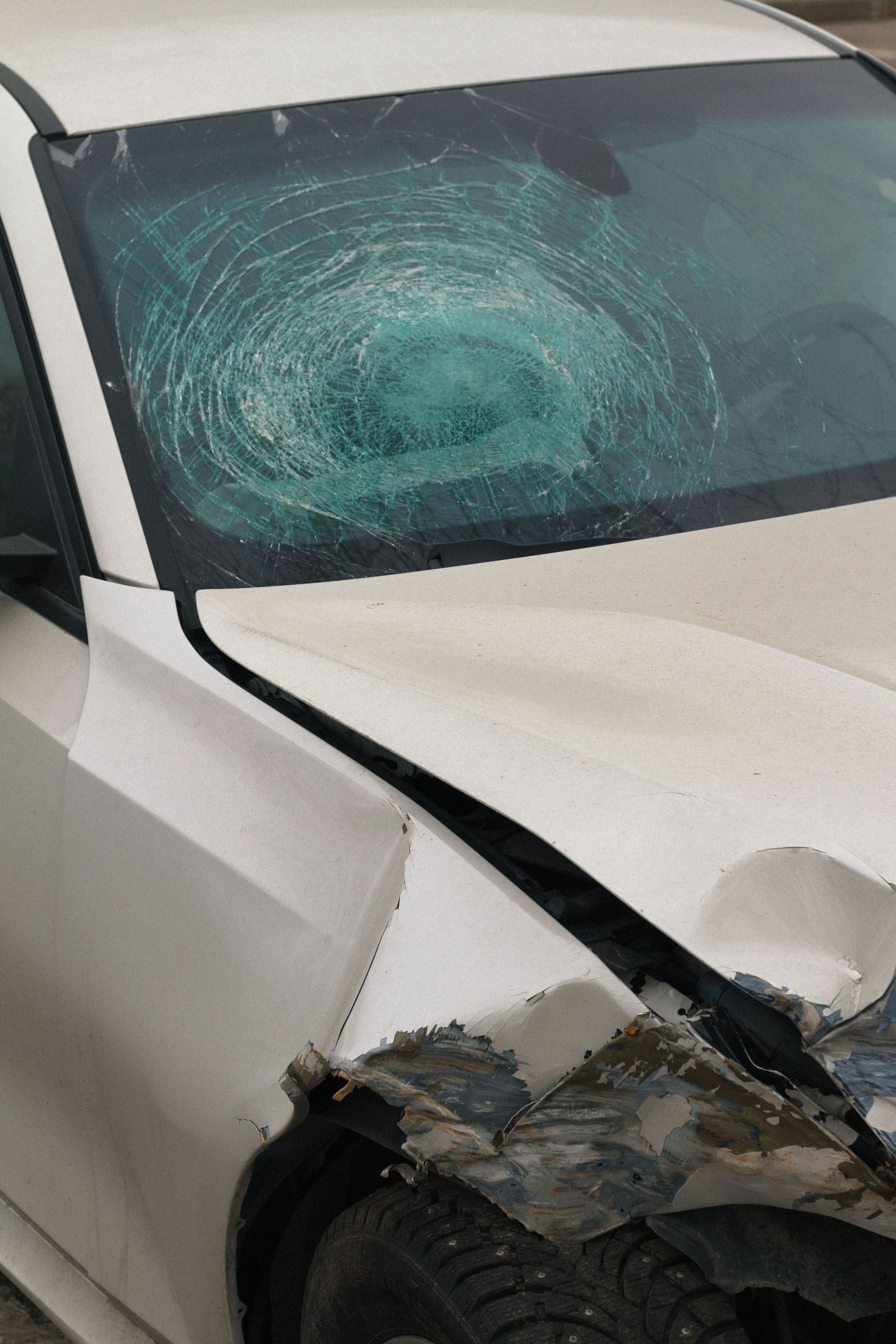
After a car accident, there are a lot of decisions to make. Between filing an insurance claim, arranging transportation, and getting your vehicle repaired, the process can quickly become overwhelming. One common question we hear at Dealership Autoplex Collision Center (DACC) is: “Do I have to use the collision repair shop my insurance company recommends?” In Texas, you generally have the right to choose the repair facility you want to handle your vehicle. Your Insurance Company May Recommend a Shop After you file a claim, your insurance company may provide a list of repair facilities or recommend one of its preferred shops. While these recommendations can be convenient, you are not necessarily required to choose a shop simply because it was suggested by the insurance company. Your vehicle is an important investment, and you should feel comfortable with the facility performing the repairs. What Should You Look for in a Collision Repair Shop? When choosing a collision center, consider more than just how quickly the shop can get your vehicle in. Look for a facility that provides: Experienced collision repair technicians Proper structural and body repairs Professional paint matching and refinishing Clear communication throughout the repair process Assistance working with insurance companies Quality-control inspections before the vehicle is returned Help coordinating rental transportation when needed A quality collision repair should restore more than the appearance of your vehicle. The goal is to properly repair the damage and return the vehicle to you safely and professionally.
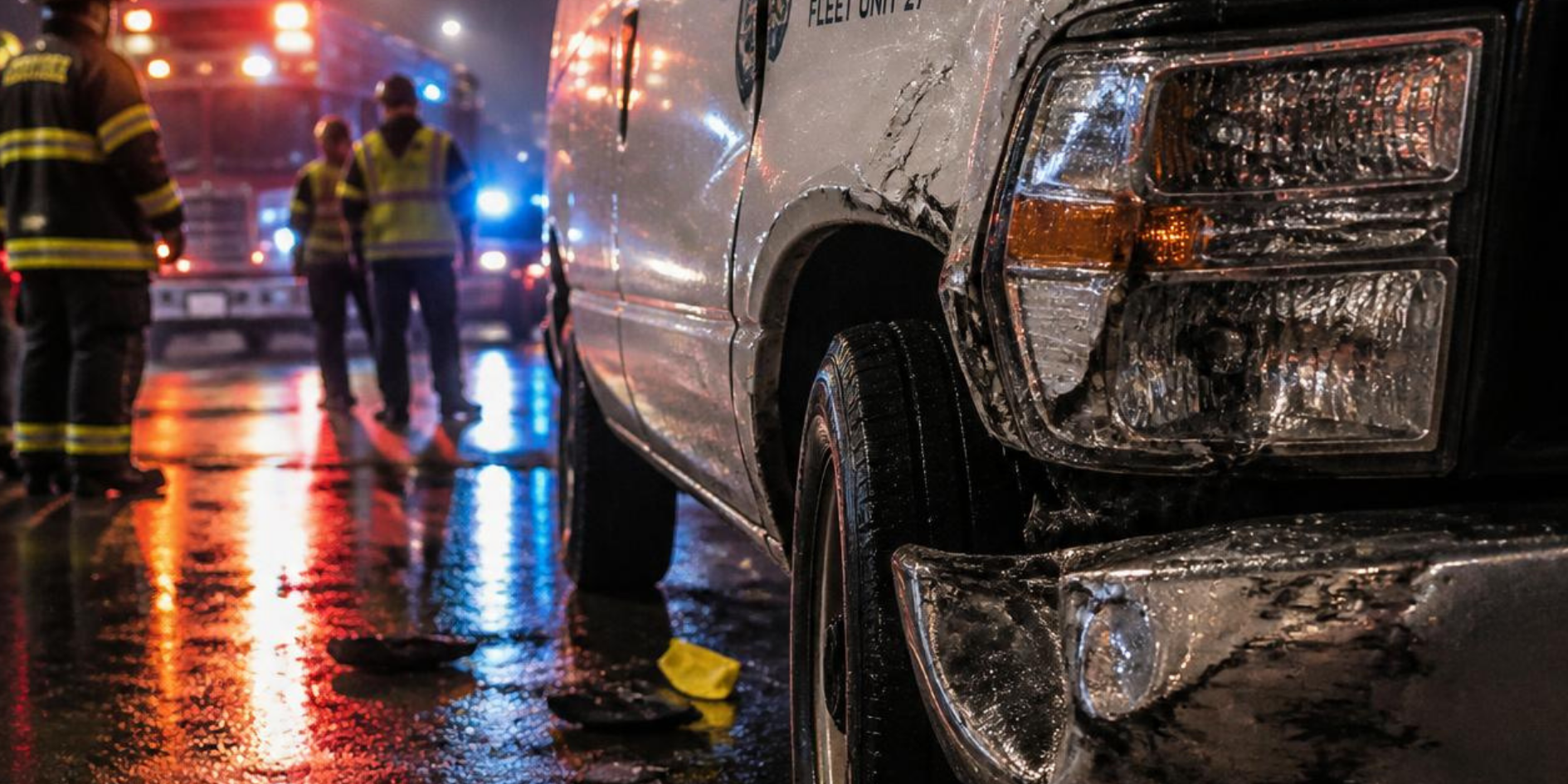
Today’s vehicles are equipped with more technology than ever before. Cameras, radar sensors, parking sensors, lane-assist systems, and automatic emergency braking can all be affected by a collision—even when the damage appears minor. That’s why modern collision repair involves much more than repairing dents and replacing damaged parts. What Is ADAS? ADAS stands for Advanced Driver Assistance Systems. Depending on your vehicle, these systems may include: Forward collision warning Automatic emergency braking Lane departure warning Lane-keeping assistance Adaptive cruise control Blind-spot monitoring Parking assistance Surround-view or backup cameras Many of these features rely on cameras and sensors positioned throughout the vehicle.