

Designing Your Own Custom Car Wrap
January 20, 2022
Auto Wrap | Custom Wrap
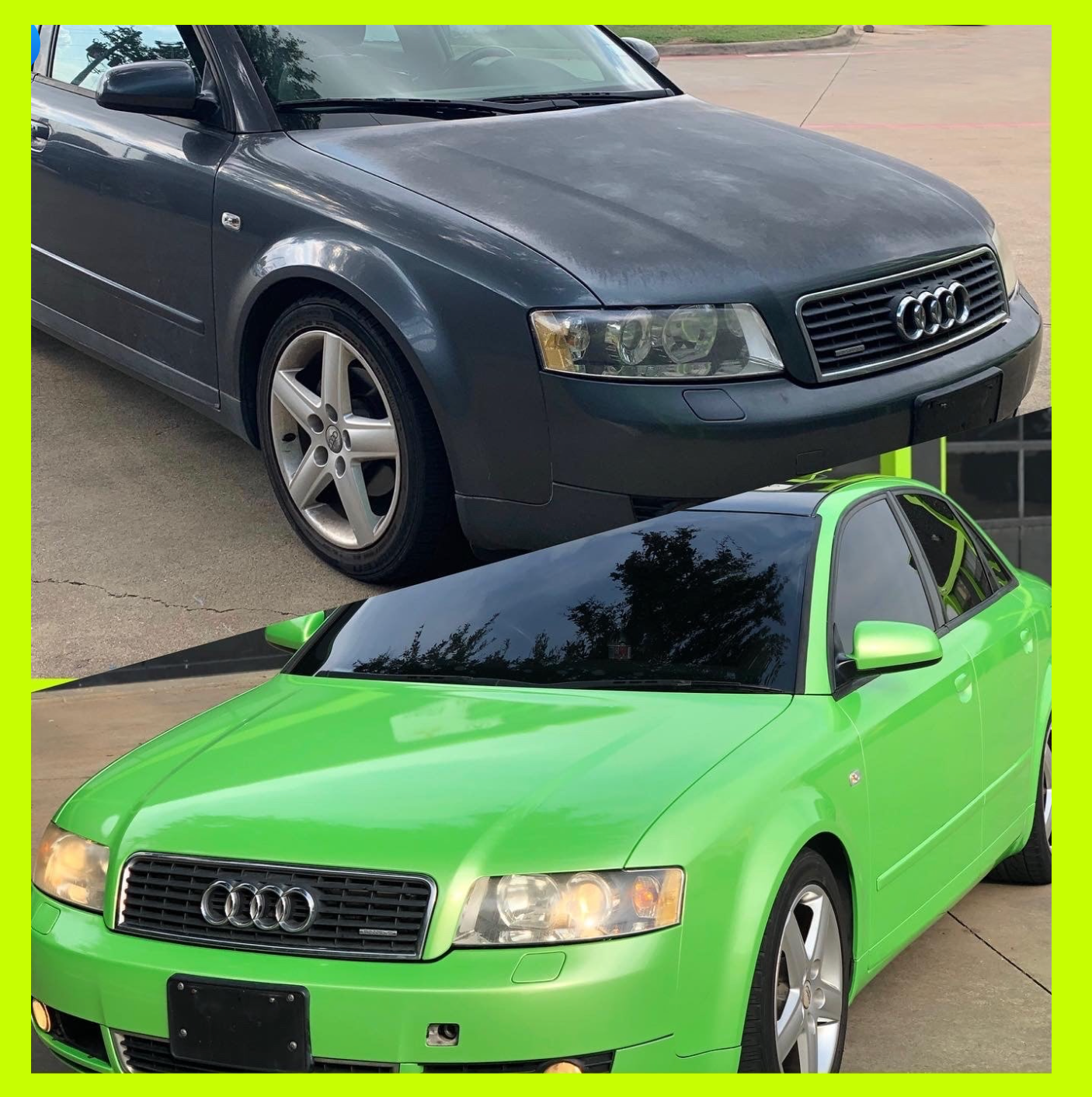
For a twist in auto personalization, opt for a custom wrap. To know how, we’ve got the right information as well as 5 tips to get the designs started.
Here at the Dealership Autoplex Collision Center, the team can let you know the ins and outs of a car wrap as well as what personalization means for your vehicle. Plus, we have 5 things you should think about when creating your designs!
1. A Custom Wrap Design Can Be Modified to Any Vehicle
Auto wrap vinyl comes in many shapes and colors with some arriving in the packaging already custom cut to your car’s specific panels. However, for most of the time, car wrap will come on a long roll of vinyl that can be cut down to size.
However, when you custom wrap your car, it’ll have been through a personalized design process fit specifically to your car and it’s panels to make sure there’s no distortion in the design when it’s stretched over curved pieces. For example, imaging your brand character needing to be stretched over a side-view mirror.
For more information, have a read of our other article; “All Your Questions About a Custom Color Wrap Answered”.
2. An Auto Wrap Can Be for the Whole Car or Select Panels
There’s never a need to go to town when it comes to an auto wrap. And, by that, we mean there’s no obligation to custom wrap every panel, module or part to your vehicle. Whether it’s just the van doors, the hood of your car, or even the side panels to your pick-up and not much else.
When you design your own custom color car wrap, you’ll probably have a specific message you’re trying to convey to anyone on the sidewalk or in the street. Whether it’s a personal brand message or advertising to generate passive income, you can choose a select area of your car to do so.
Plus, the team here at Dealership Autoplex Collision Center can help you color match the vinyl to the rest of your car. This way, remaining panel areas without the specific design don’t mismatch the rest of your vehicle.
3. 5 Tips to Creating Your Own Custom Car Wrap
a. Take Plenty of Photos and Measurements
You really want to ensure the design matches every inch and there won’t be any unwanted warping. While wraps are non-damaging and can be replaced, mistakes will up the dollar count of the process. So, measure the sides, hood, rear, roof, bumpers, and everything else that will be wrapped!
b. Never Rely on Just Digital Templates
In the same way that you need to be meticulous with measurements and taking photos, some digital templates can be slightly off. With this, they may not fit every panel of your vehicle’s make, model or year. While they are useful with primary designs, you can’t rely on just these for a full custom wrap.
c. Come Up with a Choice of Designs
Many times, the team here at Dealership Autoplex Collision Center will wrap a car only to find out the design was taken from stage one and doesn’t quite match expectations. With this, we will always recommend working with the designer to create at least two different designs to choose from.
d. Be Bold but Don’t Overcrowd the Design
An auto wrap is supposed to be seen. It’s there to make a statement; so, let it by using bold colors. That said, an overcrowded design can often take away from the full effect, especially if you’re trying to convey a message such as “buy”, “contact” or “visit”. Sometimes, simple and bold is most powerful.
e. Highlight the Message of the Car Wrap
As we’ve mentioned, there’s generally a message to be heard when it comes to a custom wrap. So, be sure to highlight this message using large and concise copy as well as any brand logos and one form of contact. This way, you’re not overloading the viewer or overcrowding the design.
After you’ve designed your custom auto wrap, come straight into the shop to see our ASE-certified technicians and mechanics. We’re trained and tested to wrap and personalize vehicles from small four-wheelers to the large pick-up truck.
To find out more about having a custom wrap for your car, call the Dealership Autoplex Collision Center team on (972) 242-0092 or visit the website where you’ll find our shop opening times and shop location here in Carrolton, TX.
Here at the Dealership Autoplex Collision Center, the team can let you know the ins and outs of a car wrap as well as what personalization means for your vehicle. Plus, we have 5 things you should think about when creating your designs!
1. A Custom Wrap Design Can Be Modified to Any Vehicle
Auto wrap vinyl comes in many shapes and colors with some arriving in the packaging already custom cut to your car’s specific panels. However, for most of the time, car wrap will come on a long roll of vinyl that can be cut down to size.
However, when you custom wrap your car, it’ll have been through a personalized design process fit specifically to your car and it’s panels to make sure there’s no distortion in the design when it’s stretched over curved pieces. For example, imaging your brand character needing to be stretched over a side-view mirror.
For more information, have a read of our other article; “All Your Questions About a Custom Color Wrap Answered”.
2. An Auto Wrap Can Be for the Whole Car or Select Panels
There’s never a need to go to town when it comes to an auto wrap. And, by that, we mean there’s no obligation to custom wrap every panel, module or part to your vehicle. Whether it’s just the van doors, the hood of your car, or even the side panels to your pick-up and not much else.
When you design your own custom color car wrap, you’ll probably have a specific message you’re trying to convey to anyone on the sidewalk or in the street. Whether it’s a personal brand message or advertising to generate passive income, you can choose a select area of your car to do so.
Plus, the team here at Dealership Autoplex Collision Center can help you color match the vinyl to the rest of your car. This way, remaining panel areas without the specific design don’t mismatch the rest of your vehicle.
3. 5 Tips to Creating Your Own Custom Car Wrap
a. Take Plenty of Photos and Measurements
You really want to ensure the design matches every inch and there won’t be any unwanted warping. While wraps are non-damaging and can be replaced, mistakes will up the dollar count of the process. So, measure the sides, hood, rear, roof, bumpers, and everything else that will be wrapped!
b. Never Rely on Just Digital Templates
In the same way that you need to be meticulous with measurements and taking photos, some digital templates can be slightly off. With this, they may not fit every panel of your vehicle’s make, model or year. While they are useful with primary designs, you can’t rely on just these for a full custom wrap.
c. Come Up with a Choice of Designs
Many times, the team here at Dealership Autoplex Collision Center will wrap a car only to find out the design was taken from stage one and doesn’t quite match expectations. With this, we will always recommend working with the designer to create at least two different designs to choose from.
d. Be Bold but Don’t Overcrowd the Design
An auto wrap is supposed to be seen. It’s there to make a statement; so, let it by using bold colors. That said, an overcrowded design can often take away from the full effect, especially if you’re trying to convey a message such as “buy”, “contact” or “visit”. Sometimes, simple and bold is most powerful.
e. Highlight the Message of the Car Wrap
As we’ve mentioned, there’s generally a message to be heard when it comes to a custom wrap. So, be sure to highlight this message using large and concise copy as well as any brand logos and one form of contact. This way, you’re not overloading the viewer or overcrowding the design.
After you’ve designed your custom auto wrap, come straight into the shop to see our ASE-certified technicians and mechanics. We’re trained and tested to wrap and personalize vehicles from small four-wheelers to the large pick-up truck.
To find out more about having a custom wrap for your car, call the Dealership Autoplex Collision Center team on (972) 242-0092 or visit the website where you’ll find our shop opening times and shop location here in Carrolton, TX.
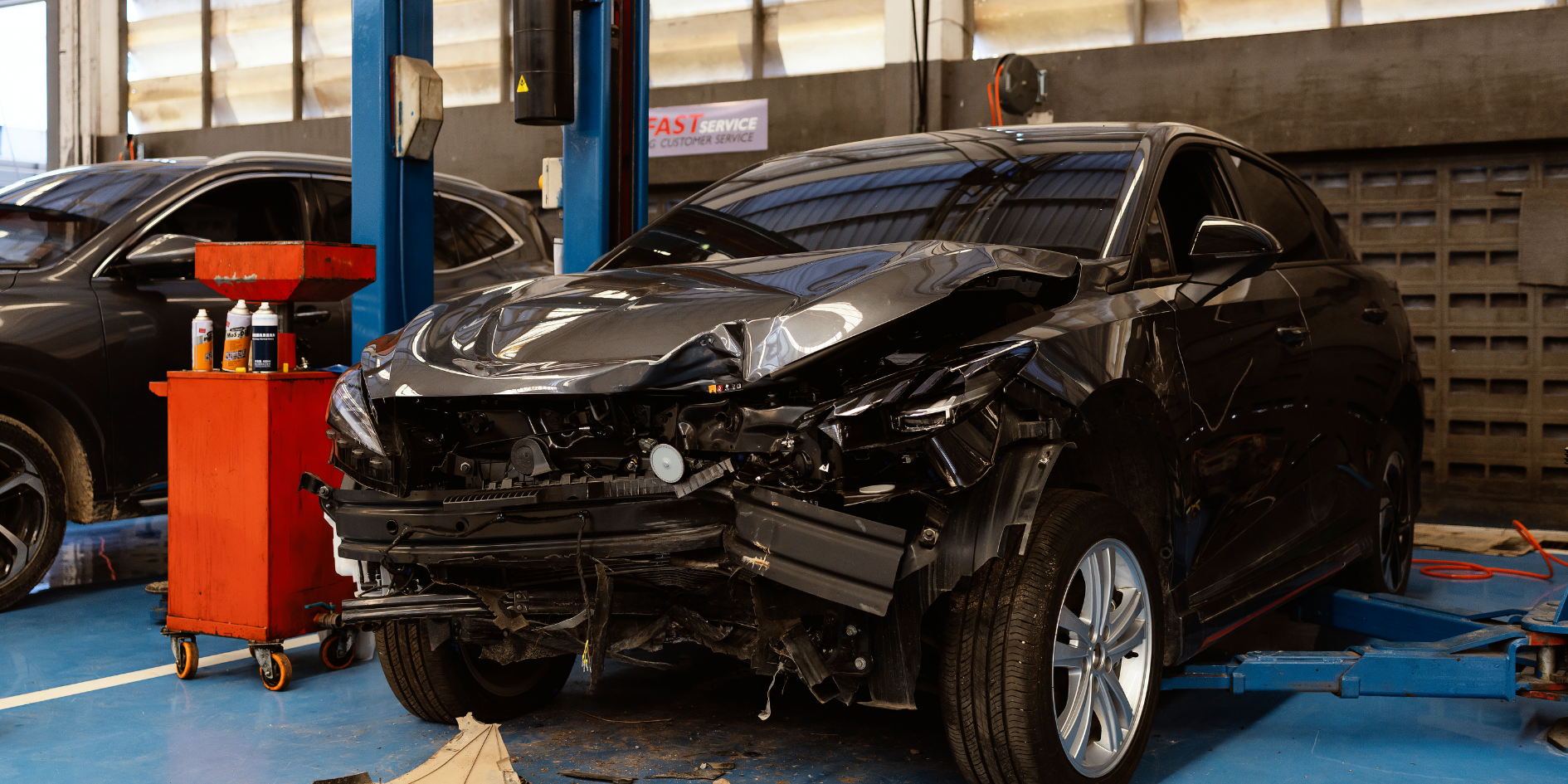
After an accident, the damage you can see isn’t always the only damage your vehicle sustained. A damaged bumper, dented quarter panel, or broken headlight may be obvious, but the impact can also affect structural components underneath the vehicle’s exterior. At Dealership Autoplex Collision Center (DACC) , we believe a proper collision repair is about more than making a vehicle look good again. It’s about identifying and addressing the damage that may be hidden underneath. What Is Structural Damage? Modern vehicles are designed with structural components that help support the vehicle and manage crash forces. Depending on the location and severity of an impact, a collision can potentially affect areas such as: Frame or unibody components Structural rails Suspension mounting points Body alignment Doors and panels Wheel alignment Bumpers and reinforcement components Even an accident that doesn’t appear severe from the outside can sometimes cause damage behind exterior panels.
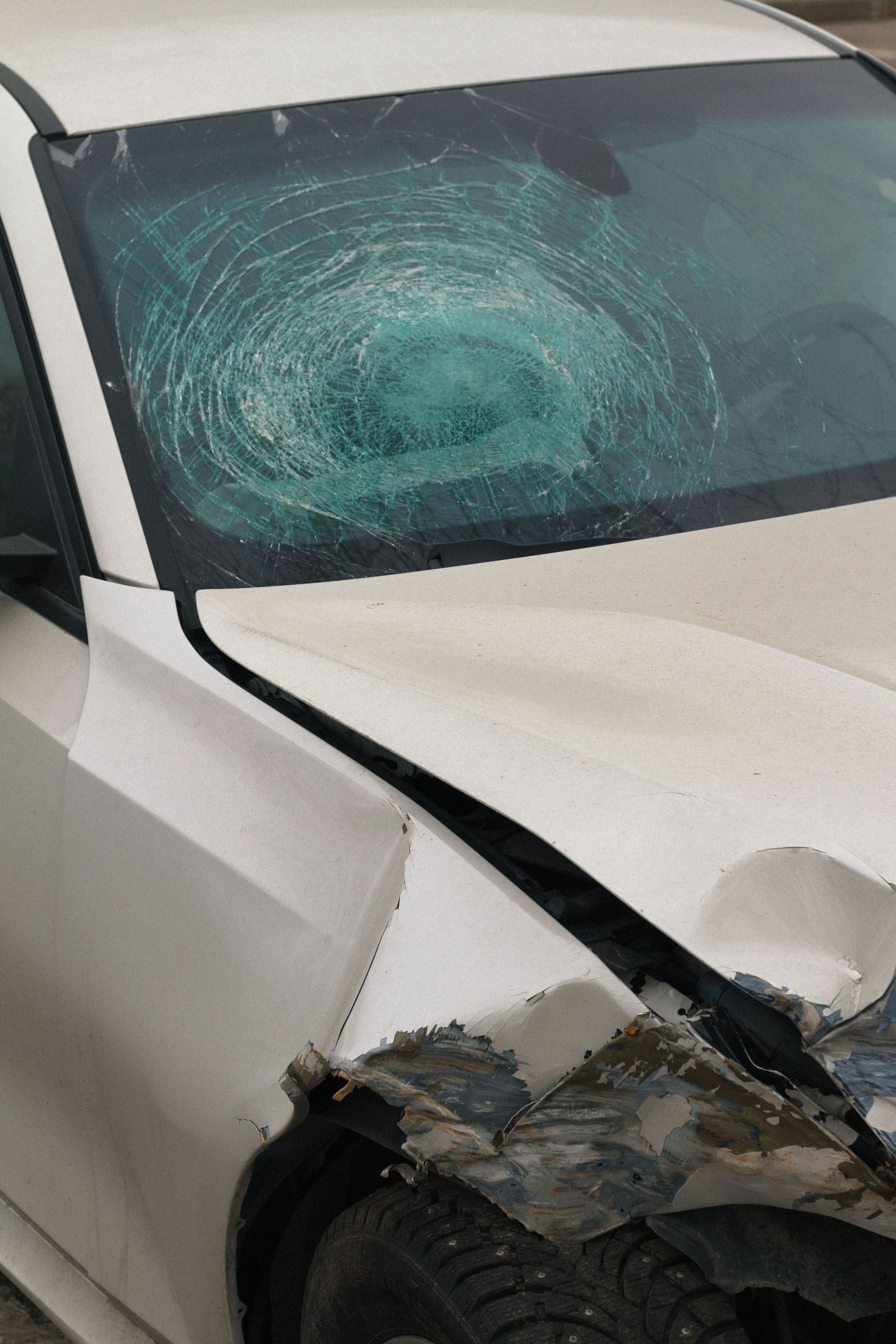
After a car accident, there are a lot of decisions to make. Between filing an insurance claim, arranging transportation, and getting your vehicle repaired, the process can quickly become overwhelming. One common question we hear at Dealership Autoplex Collision Center (DACC) is: “Do I have to use the collision repair shop my insurance company recommends?” In Texas, you generally have the right to choose the repair facility you want to handle your vehicle. Your Insurance Company May Recommend a Shop After you file a claim, your insurance company may provide a list of repair facilities or recommend one of its preferred shops. While these recommendations can be convenient, you are not necessarily required to choose a shop simply because it was suggested by the insurance company. Your vehicle is an important investment, and you should feel comfortable with the facility performing the repairs. What Should You Look for in a Collision Repair Shop? When choosing a collision center, consider more than just how quickly the shop can get your vehicle in. Look for a facility that provides: Experienced collision repair technicians Proper structural and body repairs Professional paint matching and refinishing Clear communication throughout the repair process Assistance working with insurance companies Quality-control inspections before the vehicle is returned Help coordinating rental transportation when needed A quality collision repair should restore more than the appearance of your vehicle. The goal is to properly repair the damage and return the vehicle to you safely and professionally.
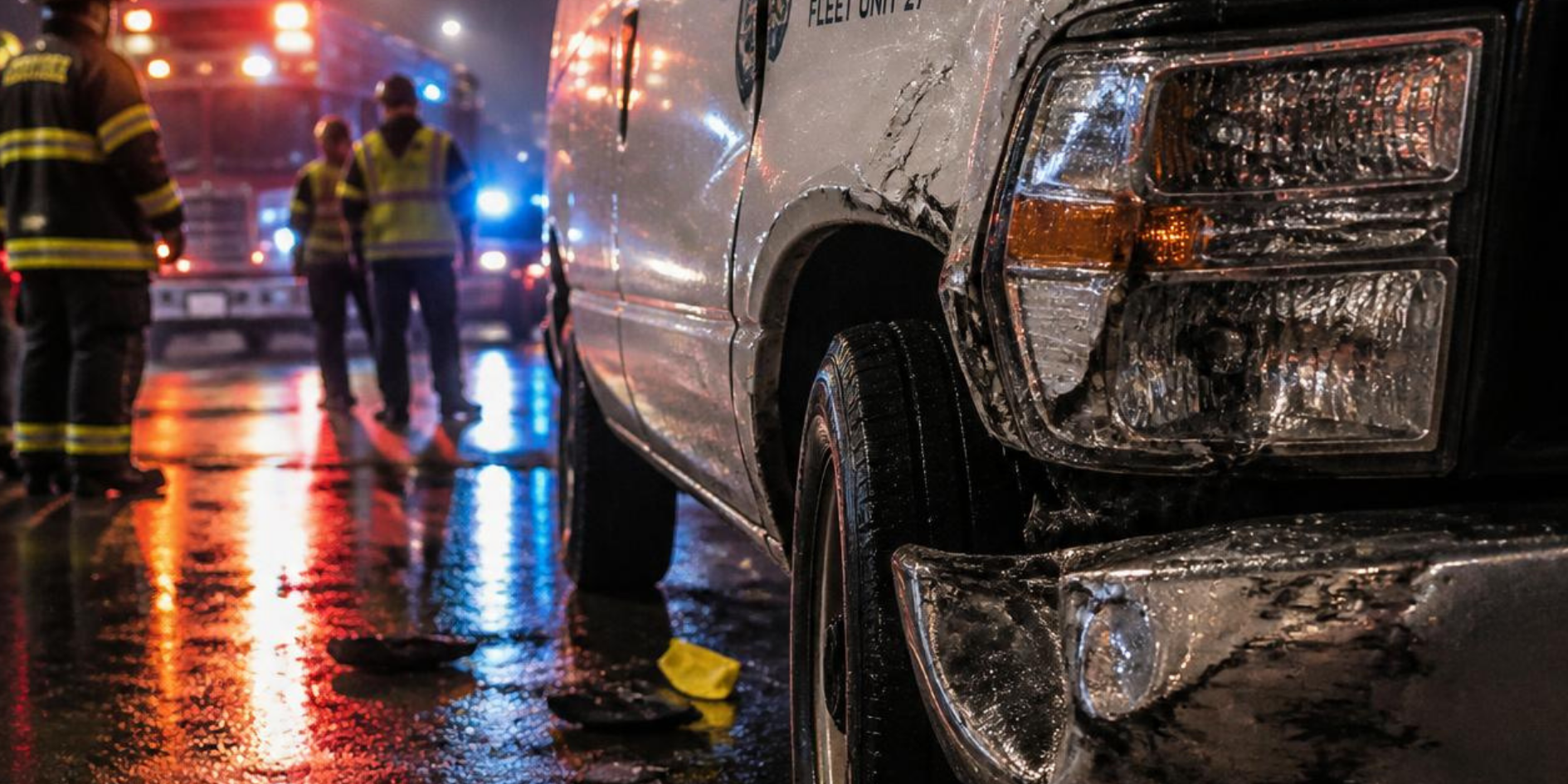
Today’s vehicles are equipped with more technology than ever before. Cameras, radar sensors, parking sensors, lane-assist systems, and automatic emergency braking can all be affected by a collision—even when the damage appears minor. That’s why modern collision repair involves much more than repairing dents and replacing damaged parts. What Is ADAS? ADAS stands for Advanced Driver Assistance Systems. Depending on your vehicle, these systems may include: Forward collision warning Automatic emergency braking Lane departure warning Lane-keeping assistance Adaptive cruise control Blind-spot monitoring Parking assistance Surround-view or backup cameras Many of these features rely on cameras and sensors positioned throughout the vehicle.