

Choosing Spray-On Toff Bedliner
January 20, 2022
TOFF Bedliner | Pick-Up Bedliner
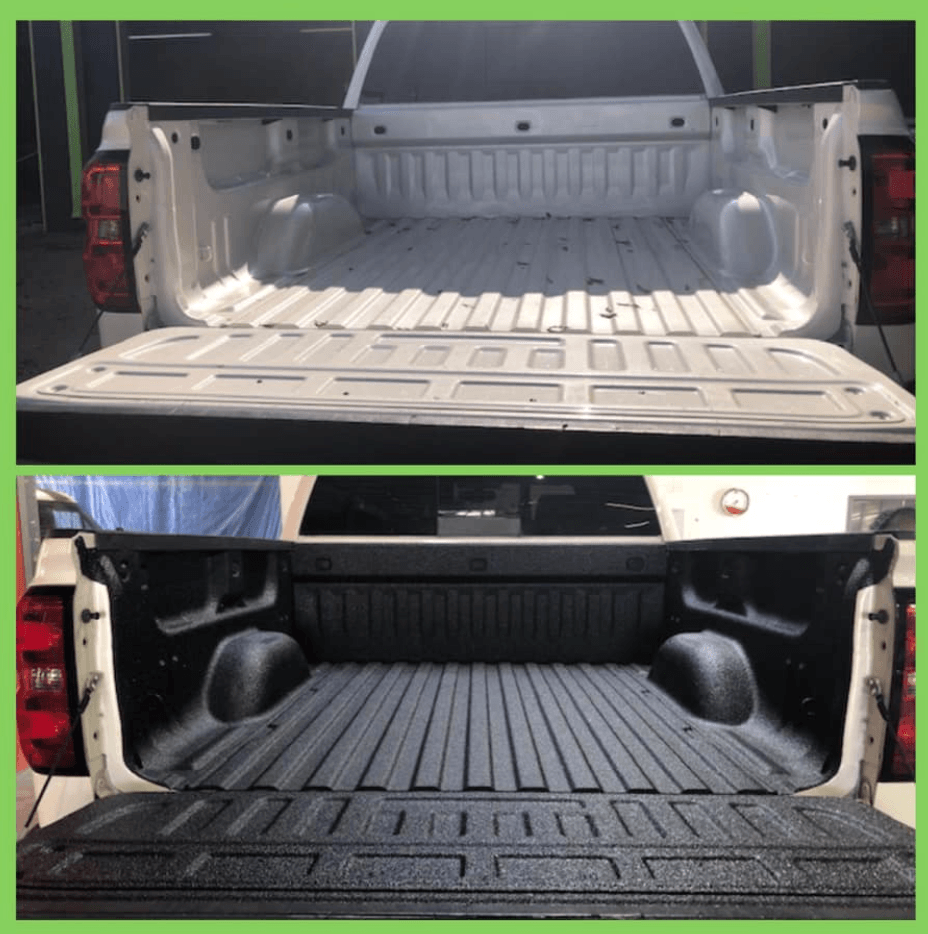
The TOFF bedliner is a leading choice for protecting pick-ups here in Texas. But it’s important to know why, so you’re sure you’re making the right decision.
In the past, we’ve talked about the different types of pick-up bedliner and we’ve touched on the method we’ll use to get the perfect finish when you use a brand such as the spray-on TOFF bedliner. Now, it’s time we discussed the brand itself and rev our engines into the pros and cons of choosing the TOFF Bedliner for your pick-up.
To do this, we’ve cherrypicked 6 of the most common questions we hear around the shop here at the Dealership Autoplex Collision Center. While our ASE-certified team are ready to protect your pick-up with the bedliner of your choice, we’re also here to help answer your questions and let you drive out of the shop with a yee-haw knowing you’ve made the right decision.
1. How Is Spray-On Bedliner Applied?
By this, we mean how easy the application process is, how little room there is for error, how watertight the application can be and how quick the overall process is.
With the TOFF bedliner, you’re looking at a wait time of around two hours for the full 4-step process. As an authorized TOFF dealership, we’re selected for our due care and attention. In fact, the initial spray-on process can be completed in as little as fifteen minutes. Yet, the preparation and detailing ensures a perfect and water-tight finish every time.
TOFF bedliner is applied directly to the truck’s bed. This way, it can adhere to each curve as a pick-up bedliner and can maintain the resale value for years.
To know more about the exact 4-step process we take, visit our other blog “The 4 Steps to the Perfect Finish Spray-On Truck Bedliner”.
2. How Many Cans of Pick-Up Bedliner are Needed?
Instead of a drop-in or using rubber mats as your pick-up bedliner, you’ll need a little more than one item. With TOFF bedliner, their application process required cans of material that can be sprayed directly onto the truck bed.
With this, the average pick-up will take around 6 cans or around a gallon of TOFF. While it may seem like a lot, it’s important for the team to have the right layering system in place with the right amount of bedliner to ensure a perfect finish that can protect your vehicle.
However, the right amount for your pick-up bedliner application will depend on the size of your truck. For a 6-footer, 6 cans will get the job done; for an 8-footer you’ll need around 8 cans; and for a bigger flatbed, you’ll want even more.
3. What is TOFF Bedliner Made of?
In short, TOFF bedliner is a sustainable protector made using a mix of polyurethane and a polyurea hybrid coating to make a state-of-the-art (as called by the TOFF manufacturers) product.
For a slightly longer answer to this question, we can say that it is the only bedliner product on the market here in Texas that is made using renewable resources. Despite being a spray-on solution for protecting your truck’s bed, it is 100% a solid. With this, they don’t emit any Volatile Organic Compounds (VOCs), which are dangerous gasses that are released into the atmosphere.
4. Will Spray-On Bedliners Stick to Fiberglass?
Spray-on TOFF bedliners are designed to protect a wide range of vehicle materials. In fact, it has even been used to protect a range of other materials, too. For example, metal, wood and concrete. So, yes, it can also be used on fiberglass.
However, while TOFF pick-up bedliner can be applied to fiberglass, it’s not something the team here at Dealership Autoplex Collision Center would recommend.
TOFF is designed to be a permanent protecting solution for truck bedliners to help prevent rust, weathering, scratches and more. So, while it might protect the fiberglass, it won’t come off and the fiberglass will lose its lightweight appeal.
5. How Durable is the Spray-On TOFF Bedliner?
TOFF bedliner was made with durability in mind. Where other spray-on pick-up bedliners will chemically react with the moisture in the air, TOFF is formulated to last using a combination of hardness and adhesion. After a series of tests – such as the ASTM D4329 or the ISO 200-9001 certification – we can see its durability and quality:
a. Noise and vibration reduction b. Chemical resistance c. Temperature resistance between -40˚F and 230˚F d. Pressure resistance of 3200 PSI e. UV-Ray protection f. Scratch resistance g. Skid resistance h. Watertight seal i. Maintained total cargo space j. 1 st in green bedliners
6. How Much Does TOFF Bedliner Cost?
The cost of your TOFF bedliner will depend on your vehicle and pick-up bed size. As well as this, it’ll vary based on the service you require.
Our 4-step service for ensuring the perfect pick-up bedliner application will help you roll out of the shop and down the highway with prices starting at $450. But for extra pre-cleaning processes for vehicles having already seen good usage or for larger pick-ups, the cost will raise accordingly.
Here at the center, the team will always be sure to provide you will exceptional and personalized services to help you stay in love with your wheels. So, give the shop a call and we’ll give you a quote for spray-on TOFF bedliner.
To learn more about the TOFF application process from a member of the ASE-certified mechanics team, contact Dealership Autoplex Collision Center, today. Reach us by phone on (972) 242-0092 or by contact form on our website. Alternatively, roll straight into the shop in Carrolton, TX, and we’ll discuss your pick-up bedliner application.
In the past, we’ve talked about the different types of pick-up bedliner and we’ve touched on the method we’ll use to get the perfect finish when you use a brand such as the spray-on TOFF bedliner. Now, it’s time we discussed the brand itself and rev our engines into the pros and cons of choosing the TOFF Bedliner for your pick-up.
To do this, we’ve cherrypicked 6 of the most common questions we hear around the shop here at the Dealership Autoplex Collision Center. While our ASE-certified team are ready to protect your pick-up with the bedliner of your choice, we’re also here to help answer your questions and let you drive out of the shop with a yee-haw knowing you’ve made the right decision.
1. How Is Spray-On Bedliner Applied?
By this, we mean how easy the application process is, how little room there is for error, how watertight the application can be and how quick the overall process is.
With the TOFF bedliner, you’re looking at a wait time of around two hours for the full 4-step process. As an authorized TOFF dealership, we’re selected for our due care and attention. In fact, the initial spray-on process can be completed in as little as fifteen minutes. Yet, the preparation and detailing ensures a perfect and water-tight finish every time.
TOFF bedliner is applied directly to the truck’s bed. This way, it can adhere to each curve as a pick-up bedliner and can maintain the resale value for years.
To know more about the exact 4-step process we take, visit our other blog “The 4 Steps to the Perfect Finish Spray-On Truck Bedliner”.
2. How Many Cans of Pick-Up Bedliner are Needed?
Instead of a drop-in or using rubber mats as your pick-up bedliner, you’ll need a little more than one item. With TOFF bedliner, their application process required cans of material that can be sprayed directly onto the truck bed.
With this, the average pick-up will take around 6 cans or around a gallon of TOFF. While it may seem like a lot, it’s important for the team to have the right layering system in place with the right amount of bedliner to ensure a perfect finish that can protect your vehicle.
However, the right amount for your pick-up bedliner application will depend on the size of your truck. For a 6-footer, 6 cans will get the job done; for an 8-footer you’ll need around 8 cans; and for a bigger flatbed, you’ll want even more.
3. What is TOFF Bedliner Made of?
In short, TOFF bedliner is a sustainable protector made using a mix of polyurethane and a polyurea hybrid coating to make a state-of-the-art (as called by the TOFF manufacturers) product.
For a slightly longer answer to this question, we can say that it is the only bedliner product on the market here in Texas that is made using renewable resources. Despite being a spray-on solution for protecting your truck’s bed, it is 100% a solid. With this, they don’t emit any Volatile Organic Compounds (VOCs), which are dangerous gasses that are released into the atmosphere.
4. Will Spray-On Bedliners Stick to Fiberglass?
Spray-on TOFF bedliners are designed to protect a wide range of vehicle materials. In fact, it has even been used to protect a range of other materials, too. For example, metal, wood and concrete. So, yes, it can also be used on fiberglass.
However, while TOFF pick-up bedliner can be applied to fiberglass, it’s not something the team here at Dealership Autoplex Collision Center would recommend.
TOFF is designed to be a permanent protecting solution for truck bedliners to help prevent rust, weathering, scratches and more. So, while it might protect the fiberglass, it won’t come off and the fiberglass will lose its lightweight appeal.
5. How Durable is the Spray-On TOFF Bedliner?
TOFF bedliner was made with durability in mind. Where other spray-on pick-up bedliners will chemically react with the moisture in the air, TOFF is formulated to last using a combination of hardness and adhesion. After a series of tests – such as the ASTM D4329 or the ISO 200-9001 certification – we can see its durability and quality:
a. Noise and vibration reduction b. Chemical resistance c. Temperature resistance between -40˚F and 230˚F d. Pressure resistance of 3200 PSI e. UV-Ray protection f. Scratch resistance g. Skid resistance h. Watertight seal i. Maintained total cargo space j. 1 st in green bedliners
6. How Much Does TOFF Bedliner Cost?
The cost of your TOFF bedliner will depend on your vehicle and pick-up bed size. As well as this, it’ll vary based on the service you require.
Our 4-step service for ensuring the perfect pick-up bedliner application will help you roll out of the shop and down the highway with prices starting at $450. But for extra pre-cleaning processes for vehicles having already seen good usage or for larger pick-ups, the cost will raise accordingly.
Here at the center, the team will always be sure to provide you will exceptional and personalized services to help you stay in love with your wheels. So, give the shop a call and we’ll give you a quote for spray-on TOFF bedliner.
To learn more about the TOFF application process from a member of the ASE-certified mechanics team, contact Dealership Autoplex Collision Center, today. Reach us by phone on (972) 242-0092 or by contact form on our website. Alternatively, roll straight into the shop in Carrolton, TX, and we’ll discuss your pick-up bedliner application.
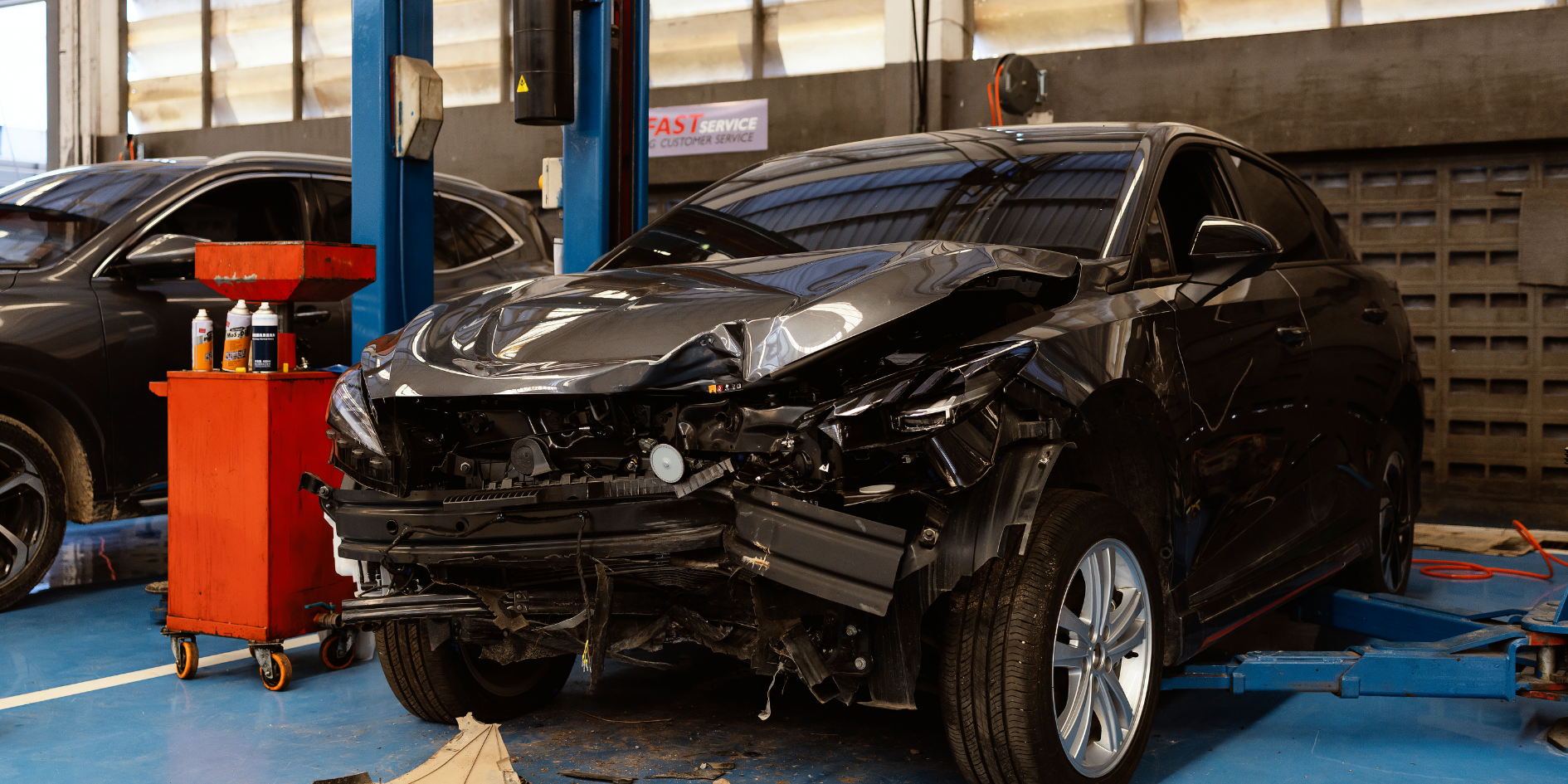
After an accident, the damage you can see isn’t always the only damage your vehicle sustained. A damaged bumper, dented quarter panel, or broken headlight may be obvious, but the impact can also affect structural components underneath the vehicle’s exterior. At Dealership Autoplex Collision Center (DACC) , we believe a proper collision repair is about more than making a vehicle look good again. It’s about identifying and addressing the damage that may be hidden underneath. What Is Structural Damage? Modern vehicles are designed with structural components that help support the vehicle and manage crash forces. Depending on the location and severity of an impact, a collision can potentially affect areas such as: Frame or unibody components Structural rails Suspension mounting points Body alignment Doors and panels Wheel alignment Bumpers and reinforcement components Even an accident that doesn’t appear severe from the outside can sometimes cause damage behind exterior panels.
After a car accident, there are a lot of decisions to make. Between filing an insurance claim, arranging transportation, and getting your vehicle repaired, the process can quickly become overwhelming. One common question we hear at Dealership Autoplex Collision Center (DACC) is: “Do I have to use the collision repair shop my insurance company recommends?” In Texas, you generally have the right to choose the repair facility you want to handle your vehicle. Your Insurance Company May Recommend a Shop After you file a claim, your insurance company may provide a list of repair facilities or recommend one of its preferred shops. While these recommendations can be convenient, you are not necessarily required to choose a shop simply because it was suggested by the insurance company. Your vehicle is an important investment, and you should feel comfortable with the facility performing the repairs. What Should You Look for in a Collision Repair Shop? When choosing a collision center, consider more than just how quickly the shop can get your vehicle in. Look for a facility that provides: Experienced collision repair technicians Proper structural and body repairs Professional paint matching and refinishing Clear communication throughout the repair process Assistance working with insurance companies Quality-control inspections before the vehicle is returned Help coordinating rental transportation when needed A quality collision repair should restore more than the appearance of your vehicle. The goal is to properly repair the damage and return the vehicle to you safely and professionally.
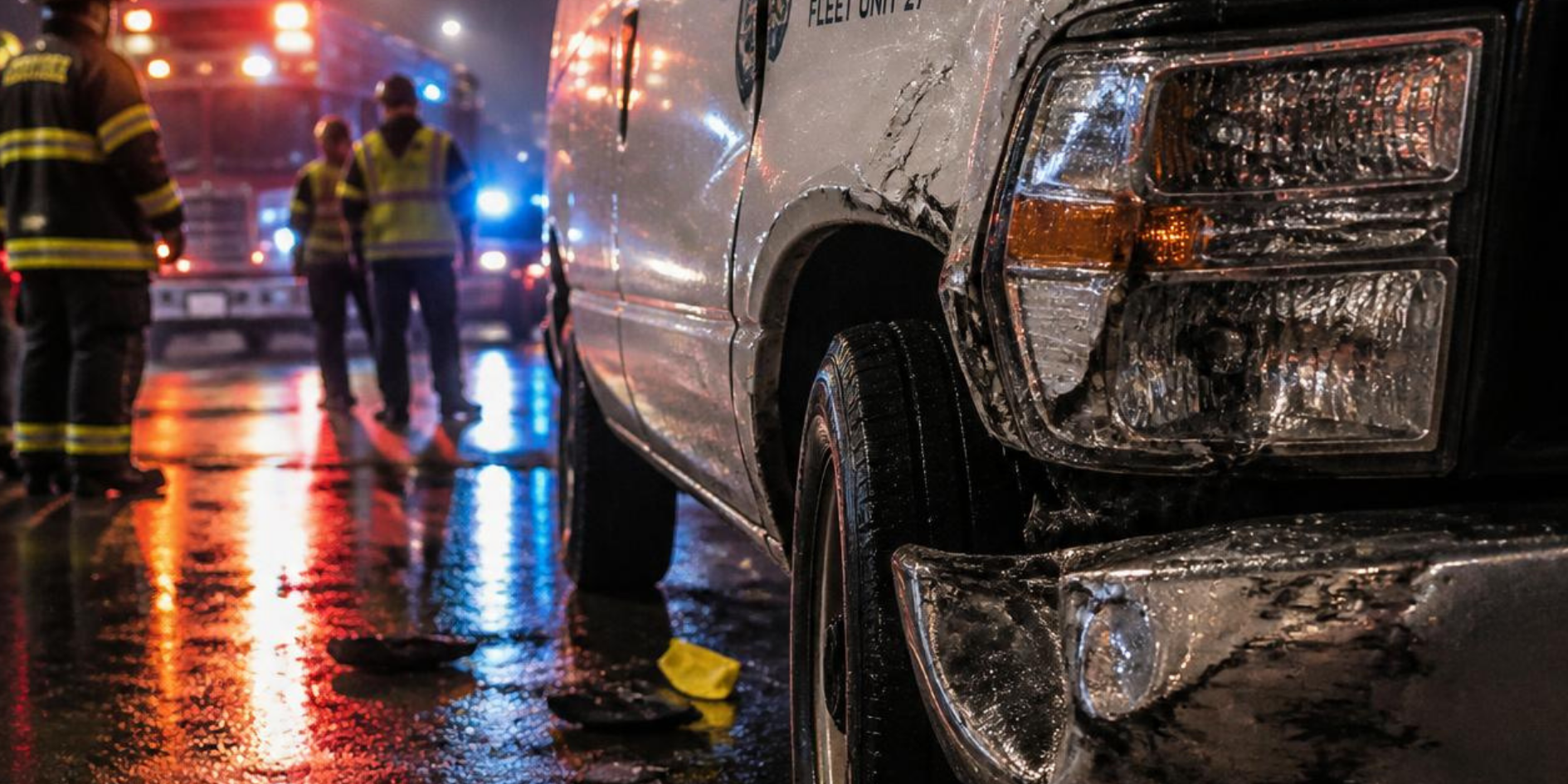
Today’s vehicles are equipped with more technology than ever before. Cameras, radar sensors, parking sensors, lane-assist systems, and automatic emergency braking can all be affected by a collision—even when the damage appears minor. That’s why modern collision repair involves much more than repairing dents and replacing damaged parts. What Is ADAS? ADAS stands for Advanced Driver Assistance Systems. Depending on your vehicle, these systems may include: Forward collision warning Automatic emergency braking Lane departure warning Lane-keeping assistance Adaptive cruise control Blind-spot monitoring Parking assistance Surround-view or backup cameras Many of these features rely on cameras and sensors positioned throughout the vehicle.