

Do I Need Crack Repair or Windshield and Glass Replacement
March 1, 2022
Windshield Repair
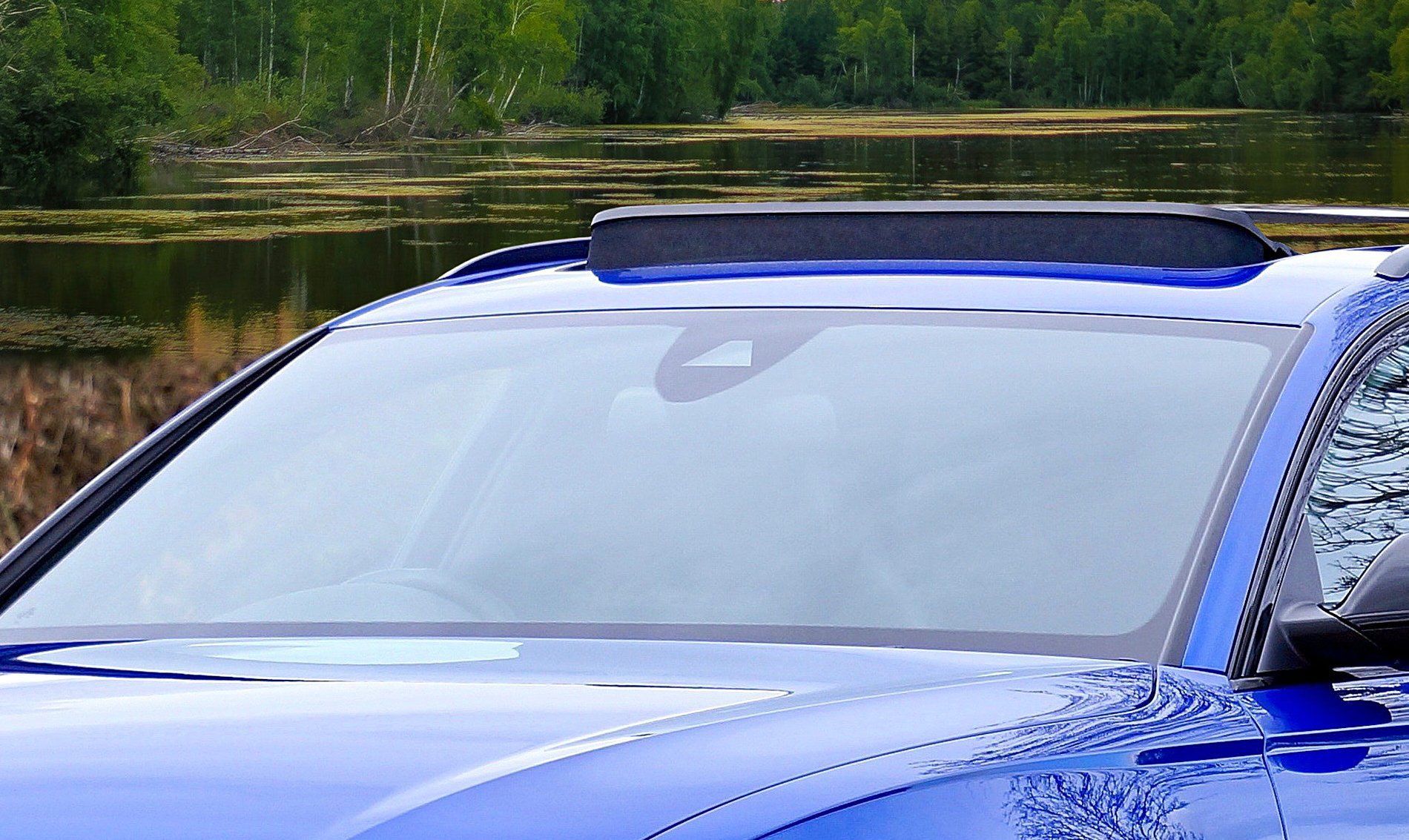
When you protect your windshield, you protect yourself. From what causes cracks to when you should get a windshield replacement, here’s the need-to-know.
So often we’ll see windshield damage that could have been prevented if the driver came to us sooner and requested a chip repair (which is much lower on the dollar count). And there are other instances where we see the car part has done its job and the driver, themselves, can request a windshield replacement.
With that, we wanted to share a bit of windshield know-how so yall’re more aware of when you need crack repair or a full windshield and glass replacement.
1. Why Your Windshield Might Need Repair
Your windshield has many functions. From protecting you and your passengers from the elements while on the highway to making your vehicle more aerodynamic and lighter on the gas.
But there’s one more way your windshield is a vital part of your drive; it has multiple protective layers that are specially designed and reinforced to protect you and your passengers in the event of a collision or even from flying debris.
If these layers are compromised, if your line-of-sight is compromised or if the structural integrity of the windshield, itself, is compromised, then it’s time for a repair.
2. The Types of Windshield Damage
Windshield damage may need repair or replacement based on the location, size or type of the break.
There are two locations that would warrant replacement or immediate repair and those are if the damage affects driver line-of sight or if the crack is near the surrounding metal frame (which would affect the strength and integrity of the windshield, overall).
In terms of size, any crack wider than a dollar bill will warrant windshield replacement. But this is typically because of the tools used to repair chips. Then, there’s the type of crack to consider (and there’s 5 of ‘em!):
a. Star-Break
A star break is exactly what is says on the tin. You’ll have a small impact zone with multiple radial cracks coming away from it in all directions. With this, the general look of the crack will be a star shape.
b. Bullseye
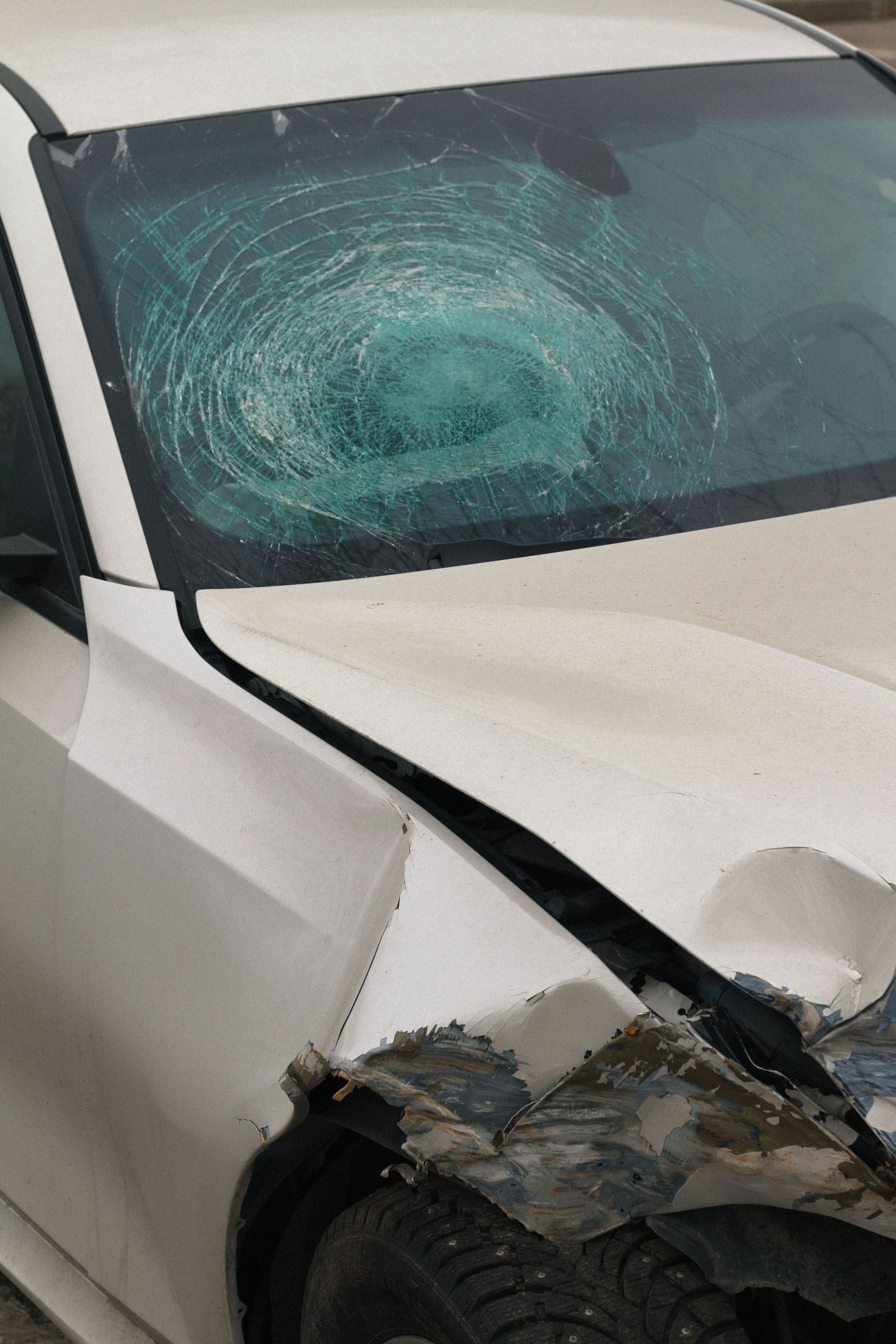
Again, the bullseye doesn’t leave much to the imagination. When something small and round hits the glass very hard and fast, it’ll cause circular damage to the windshield.
c. Partial Bullseye
Also known as the half moon, it’s just like the bullseye but – instead of showing a perfectly circular chip – it’ll produce a half-circle or moon shape because the impacting object wasn’t completely round.
d. Crack Chip
The crack ship is generally around the size of a quarter, will have a starting impact zone and will then have one crack that extends from it. This is generally due to the impacting shape being uneven.
e. Stress Crack
The stress crack is different from the other examples because it isn’t an impacting object that causes it. The windshield will have multiple cracks because of heat or pressure stress.
3. How Windshield Replacement is Done
Because windshields have such an important role in keeping you and your passengers safe, it’s important to know when a small chip could lead to a full windshield replacement.
As we’ve said, if the impact zone is close to the metal frame, more substantial than a dollar bill or is in your line-of-sight as a driver, you’ll need to go for a full replacement. The latter is especially important when we look at Texas law about obstructed views!
So, here’s a quick break-down of the 13 easy steps our ASE-certified technicians use for windshield replacement:
a. Fully open both front doors b. Inspect the vehicle for damage c. Apply protective covers d. Remove trims, wipers and cowl panel e. Disconnect cameras or sensors f. Use a fiber line to cut through the windshield adhesive g. Carefully suction lift the glass panel h. Clean out the pinch weld i. Clean the new windshield and prime the edges j. Apply a urethane adhesive layer to the windshield bezel k. Place windshield over the pinch weld l. Allow adhesive to dry m. Replace trims, wipers and cowl panel
And now you know why windshield replacement is needed, what the typed of windshield damage are and how your vehicle’s windshield will be replaced when you roll into the shop here in Carrollton, TX.
To learn more about the offers and services our ASE-certified technicians and engineers can provide your wheels, give the team at Dealership Autoplex Collision Center a call on (972) 242-0092. Alternatively, visit our website to learn more or give the team a holla in the shop.
So often we’ll see windshield damage that could have been prevented if the driver came to us sooner and requested a chip repair (which is much lower on the dollar count). And there are other instances where we see the car part has done its job and the driver, themselves, can request a windshield replacement.
With that, we wanted to share a bit of windshield know-how so yall’re more aware of when you need crack repair or a full windshield and glass replacement.
1. Why Your Windshield Might Need Repair
Your windshield has many functions. From protecting you and your passengers from the elements while on the highway to making your vehicle more aerodynamic and lighter on the gas.
But there’s one more way your windshield is a vital part of your drive; it has multiple protective layers that are specially designed and reinforced to protect you and your passengers in the event of a collision or even from flying debris.
If these layers are compromised, if your line-of-sight is compromised or if the structural integrity of the windshield, itself, is compromised, then it’s time for a repair.
2. The Types of Windshield Damage
Windshield damage may need repair or replacement based on the location, size or type of the break.
There are two locations that would warrant replacement or immediate repair and those are if the damage affects driver line-of sight or if the crack is near the surrounding metal frame (which would affect the strength and integrity of the windshield, overall).
In terms of size, any crack wider than a dollar bill will warrant windshield replacement. But this is typically because of the tools used to repair chips. Then, there’s the type of crack to consider (and there’s 5 of ‘em!):
a. Star-Break
A star break is exactly what is says on the tin. You’ll have a small impact zone with multiple radial cracks coming away from it in all directions. With this, the general look of the crack will be a star shape.
b. Bullseye
Again, the bullseye doesn’t leave much to the imagination. When something small and round hits the glass very hard and fast, it’ll cause circular damage to the windshield.
c. Partial Bullseye
Also known as the half moon, it’s just like the bullseye but – instead of showing a perfectly circular chip – it’ll produce a half-circle or moon shape because the impacting object wasn’t completely round.
d. Crack Chip
The crack ship is generally around the size of a quarter, will have a starting impact zone and will then have one crack that extends from it. This is generally due to the impacting shape being uneven.
e. Stress Crack
The stress crack is different from the other examples because it isn’t an impacting object that causes it. The windshield will have multiple cracks because of heat or pressure stress.
3. How Windshield Replacement is Done
Because windshields have such an important role in keeping you and your passengers safe, it’s important to know when a small chip could lead to a full windshield replacement.
As we’ve said, if the impact zone is close to the metal frame, more substantial than a dollar bill or is in your line-of-sight as a driver, you’ll need to go for a full replacement. The latter is especially important when we look at Texas law about obstructed views!
So, here’s a quick break-down of the 13 easy steps our ASE-certified technicians use for windshield replacement:
a. Fully open both front doors b. Inspect the vehicle for damage c. Apply protective covers d. Remove trims, wipers and cowl panel e. Disconnect cameras or sensors f. Use a fiber line to cut through the windshield adhesive g. Carefully suction lift the glass panel h. Clean out the pinch weld i. Clean the new windshield and prime the edges j. Apply a urethane adhesive layer to the windshield bezel k. Place windshield over the pinch weld l. Allow adhesive to dry m. Replace trims, wipers and cowl panel
And now you know why windshield replacement is needed, what the typed of windshield damage are and how your vehicle’s windshield will be replaced when you roll into the shop here in Carrollton, TX.
To learn more about the offers and services our ASE-certified technicians and engineers can provide your wheels, give the team at Dealership Autoplex Collision Center a call on (972) 242-0092. Alternatively, visit our website to learn more or give the team a holla in the shop.
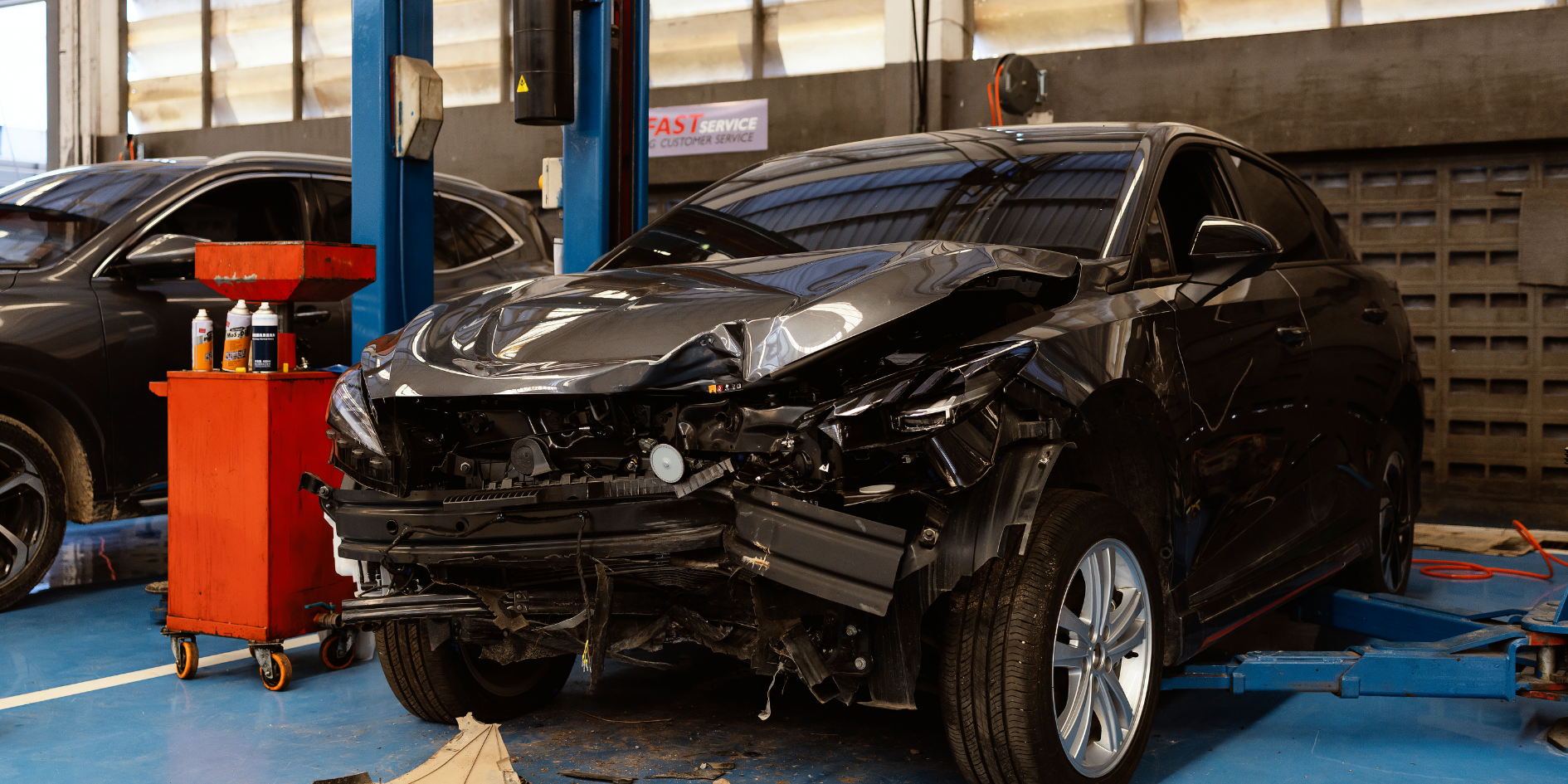
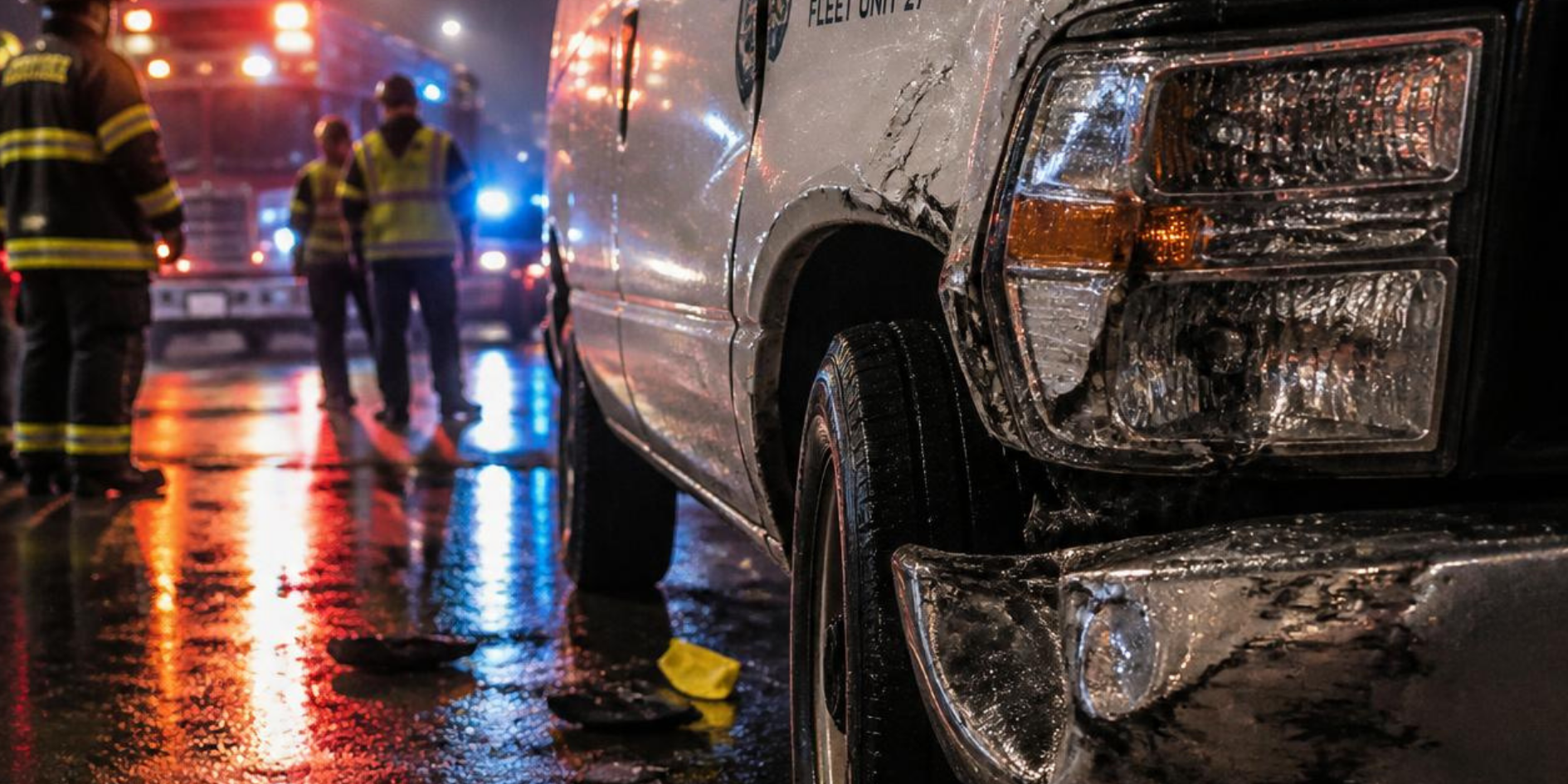
After an accident, the damage you can see isn’t always the only damage your vehicle sustained. A damaged bumper, dented quarter panel, or broken headlight may be obvious, but the impact can also affect structural components underneath the vehicle’s exterior. At Dealership Autoplex Collision Center (DACC) , we believe a proper collision repair is about more than making a vehicle look good again. It’s about identifying and addressing the damage that may be hidden underneath. What Is Structural Damage? Modern vehicles are designed with structural components that help support the vehicle and manage crash forces. Depending on the location and severity of an impact, a collision can potentially affect areas such as: Frame or unibody components Structural rails Suspension mounting points Body alignment Doors and panels Wheel alignment Bumpers and reinforcement components Even an accident that doesn’t appear severe from the outside can sometimes cause damage behind exterior panels.
After a car accident, there are a lot of decisions to make. Between filing an insurance claim, arranging transportation, and getting your vehicle repaired, the process can quickly become overwhelming. One common question we hear at Dealership Autoplex Collision Center (DACC) is: “Do I have to use the collision repair shop my insurance company recommends?” In Texas, you generally have the right to choose the repair facility you want to handle your vehicle. Your Insurance Company May Recommend a Shop After you file a claim, your insurance company may provide a list of repair facilities or recommend one of its preferred shops. While these recommendations can be convenient, you are not necessarily required to choose a shop simply because it was suggested by the insurance company. Your vehicle is an important investment, and you should feel comfortable with the facility performing the repairs. What Should You Look for in a Collision Repair Shop? When choosing a collision center, consider more than just how quickly the shop can get your vehicle in. Look for a facility that provides: Experienced collision repair technicians Proper structural and body repairs Professional paint matching and refinishing Clear communication throughout the repair process Assistance working with insurance companies Quality-control inspections before the vehicle is returned Help coordinating rental transportation when needed A quality collision repair should restore more than the appearance of your vehicle. The goal is to properly repair the damage and return the vehicle to you safely and professionally.
Today’s vehicles are equipped with more technology than ever before. Cameras, radar sensors, parking sensors, lane-assist systems, and automatic emergency braking can all be affected by a collision—even when the damage appears minor. That’s why modern collision repair involves much more than repairing dents and replacing damaged parts. What Is ADAS? ADAS stands for Advanced Driver Assistance Systems. Depending on your vehicle, these systems may include: Forward collision warning Automatic emergency braking Lane departure warning Lane-keeping assistance Adaptive cruise control Blind-spot monitoring Parking assistance Surround-view or backup cameras Many of these features rely on cameras and sensors positioned throughout the vehicle.