

Understanding the Collision Repair Process From Estimate to Final Inspection
Collision Repair Explained
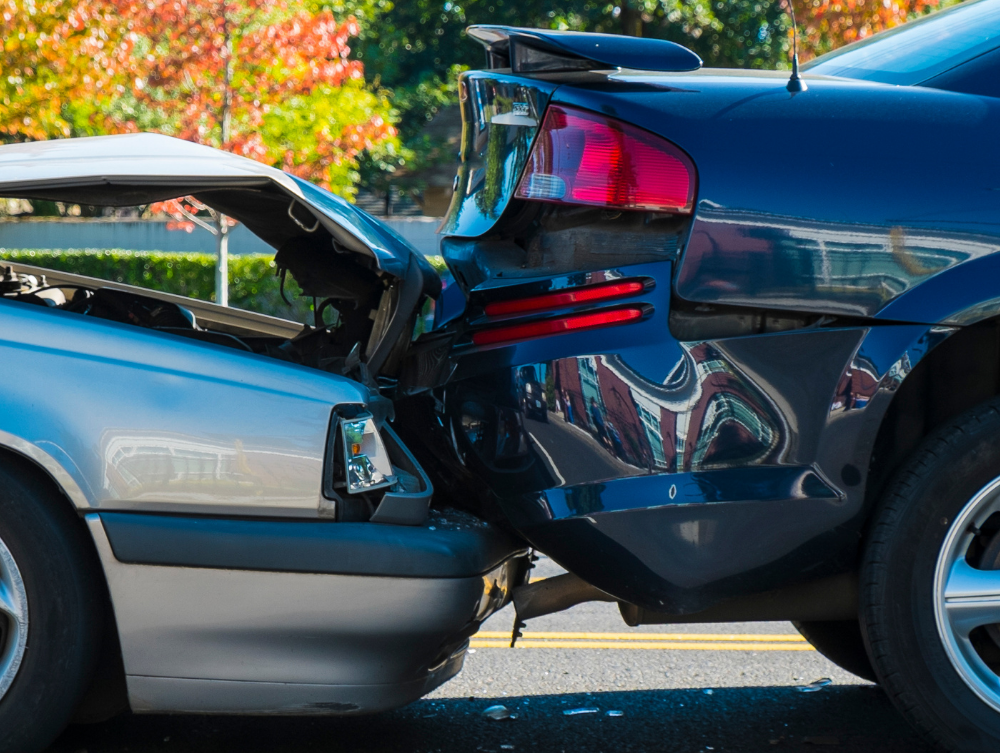
Being involved in a car accident is stressful, and for many drivers, the repair process feels unfamiliar and overwhelming. Understanding what happens between the initial estimate and the final inspection can provide clarity and peace of mind. Knowing what to expect helps vehicle owners feel more confident and informed throughout each stage of collision repair.

Step One: The Initial Estimate
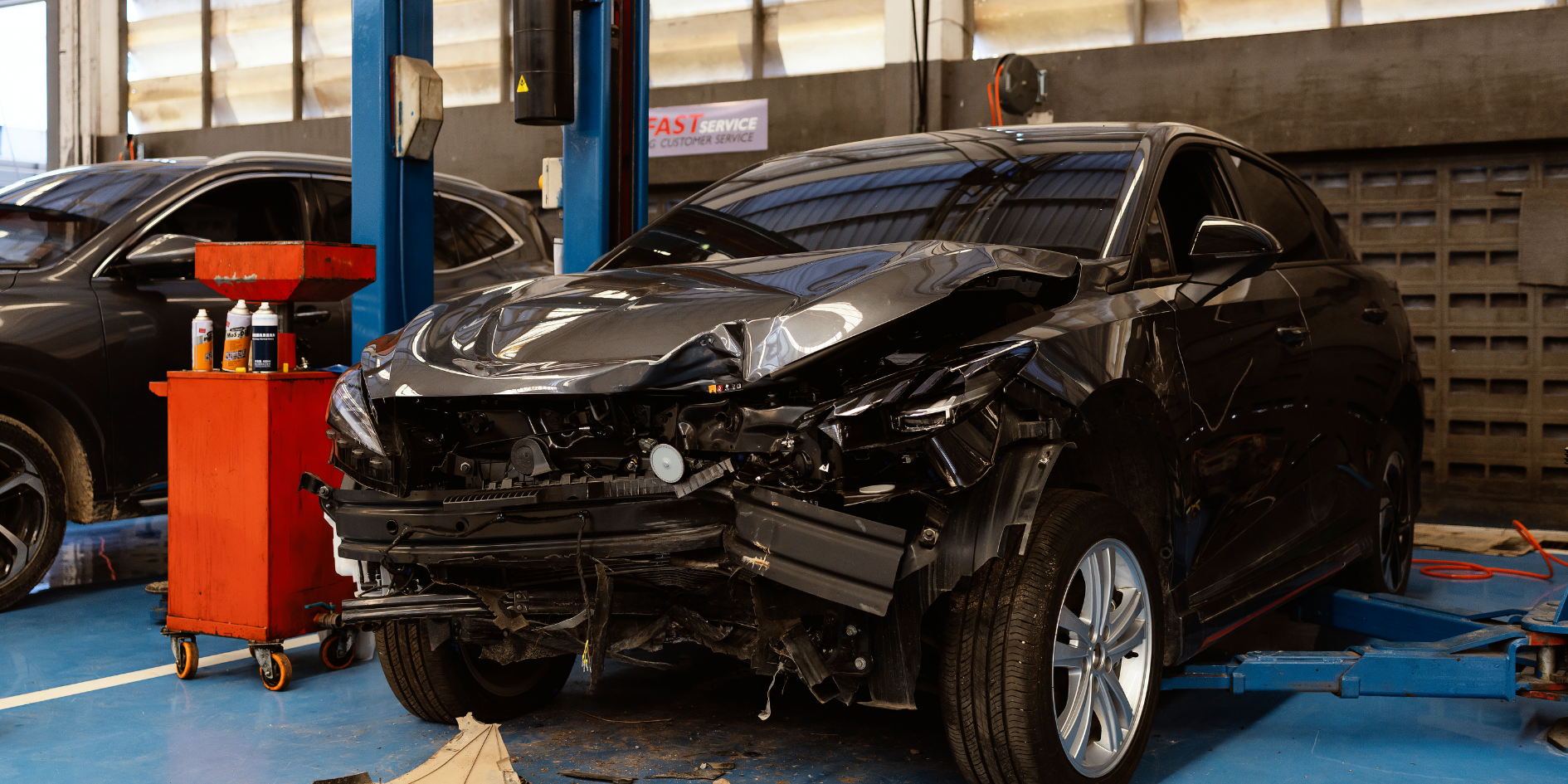
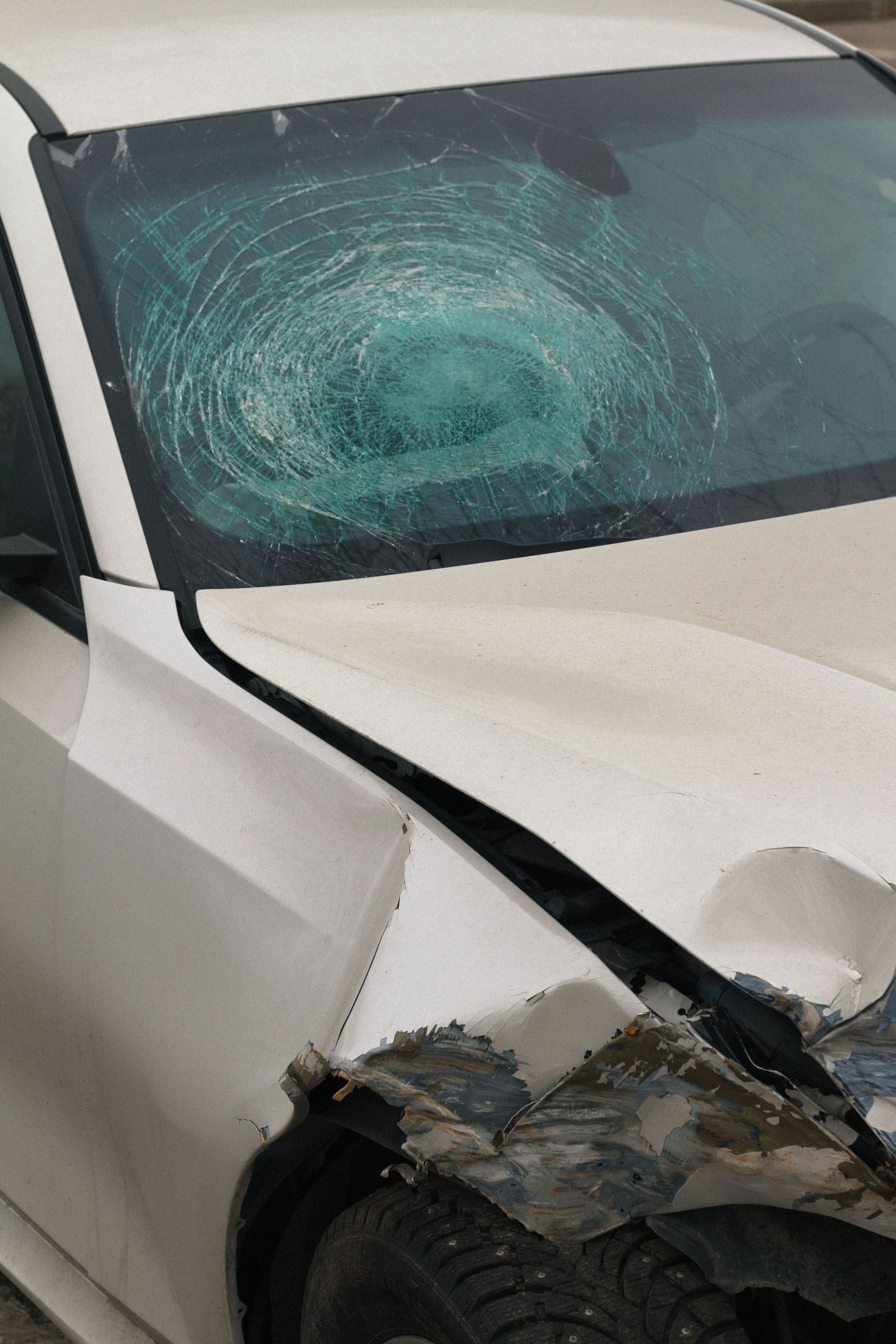
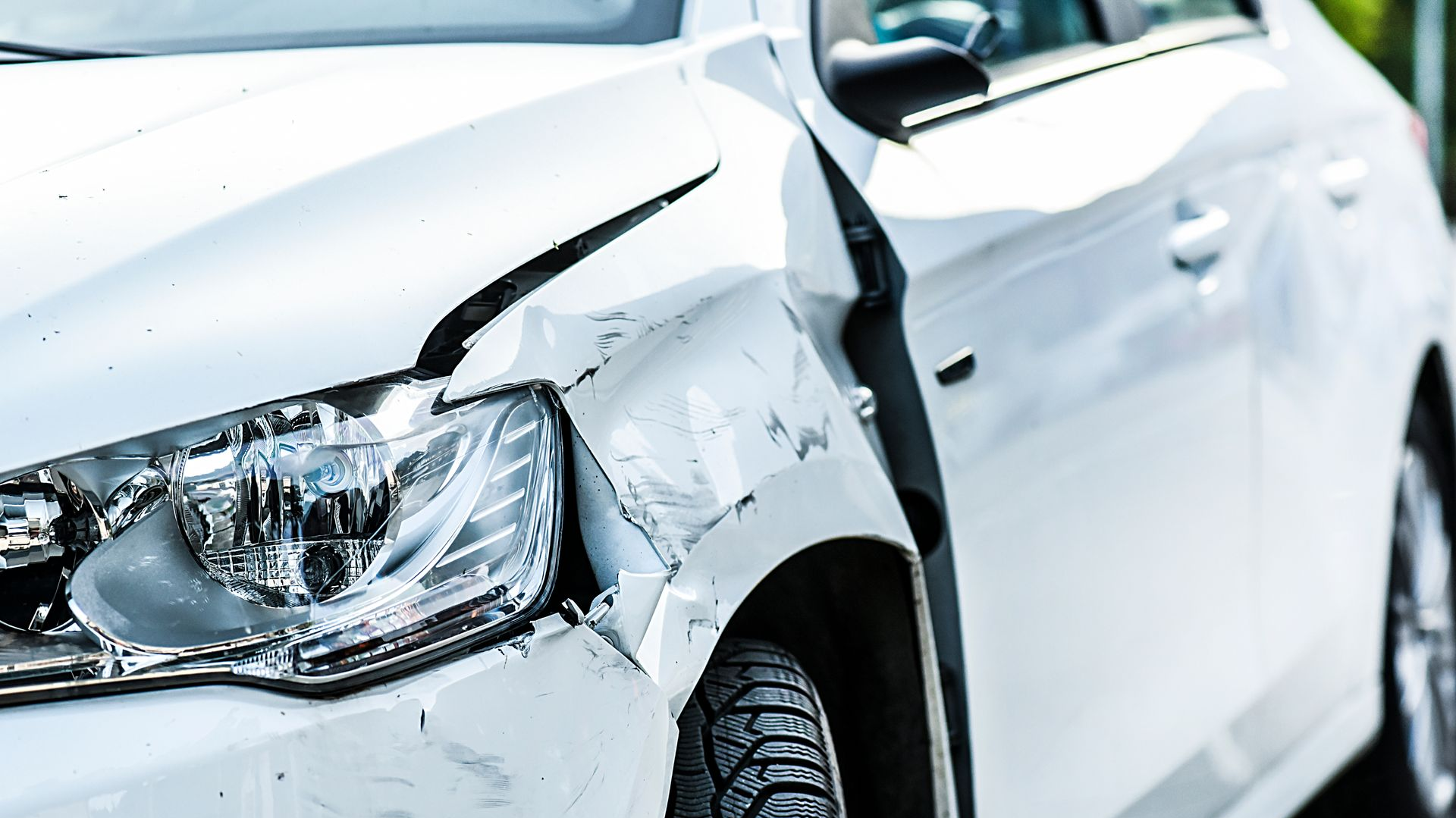
The collision repair process begins with a thorough inspection of the vehicle. During the estimate, visible damage is assessed and documented. This includes body panel damage, paint issues, glass damage, and any signs of structural impact that can be identified at this stage.
The
estimate outlines the anticipated scope of repairs, parts needed, and labor involved. It is important to understand that this initial estimate is based on visible damage. Some issues may not become apparent until repairs begin and components are removed.
Step Two: Insurance Coordination
After the estimate is completed, the repair facility works with the insurance company to review the findings. Insurance coordination helps ensure the repair plan aligns with coverage and approval requirements.
During this phase, communication is key.
Adjusters may request additional documentation or clarification, especially if supplemental damage is discovered later. A repair facility experienced in insurance coordination can help streamline this process and reduce delays.
Step Three: Disassembly and Damage Discovery
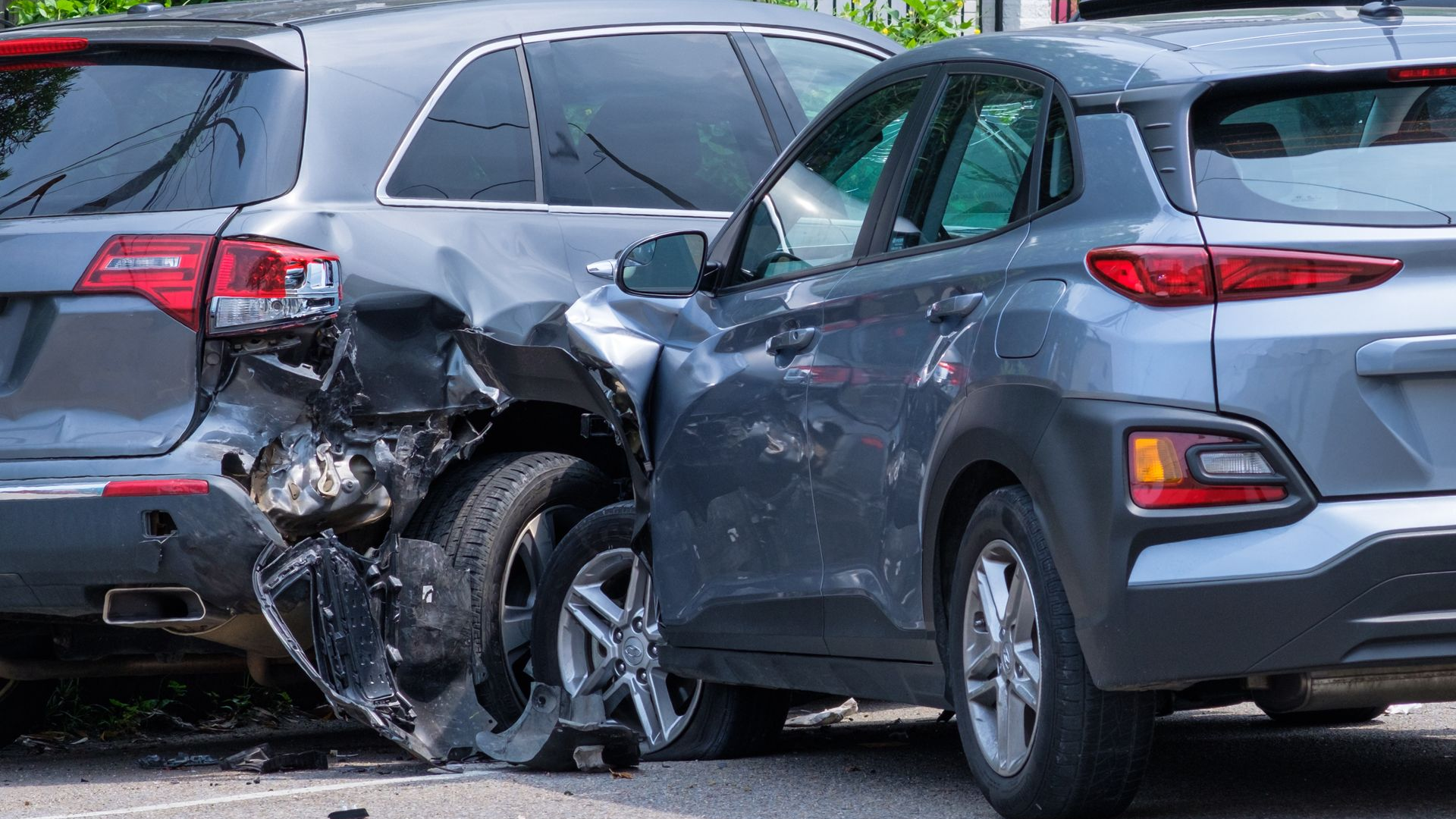
Once repairs are authorized, the vehicle is partially disassembled to identify hidden damage. Modern vehicles are complex, with interconnected systems beneath exterior panels. This step is critical to ensure all damage is identified and addressed properly.
If additional issues are discovered, a supplemental estimate may be submitted to the insurance provider. Addressing hidden damage is essential for safety, performance, and long term reliability.
Step Four: Structural and Mechanical Repairs
If structural damage is present, precise repairs are performed to restore the vehicle to manufacturer specifications. This may include frame correction, alignment, and structural reinforcement.
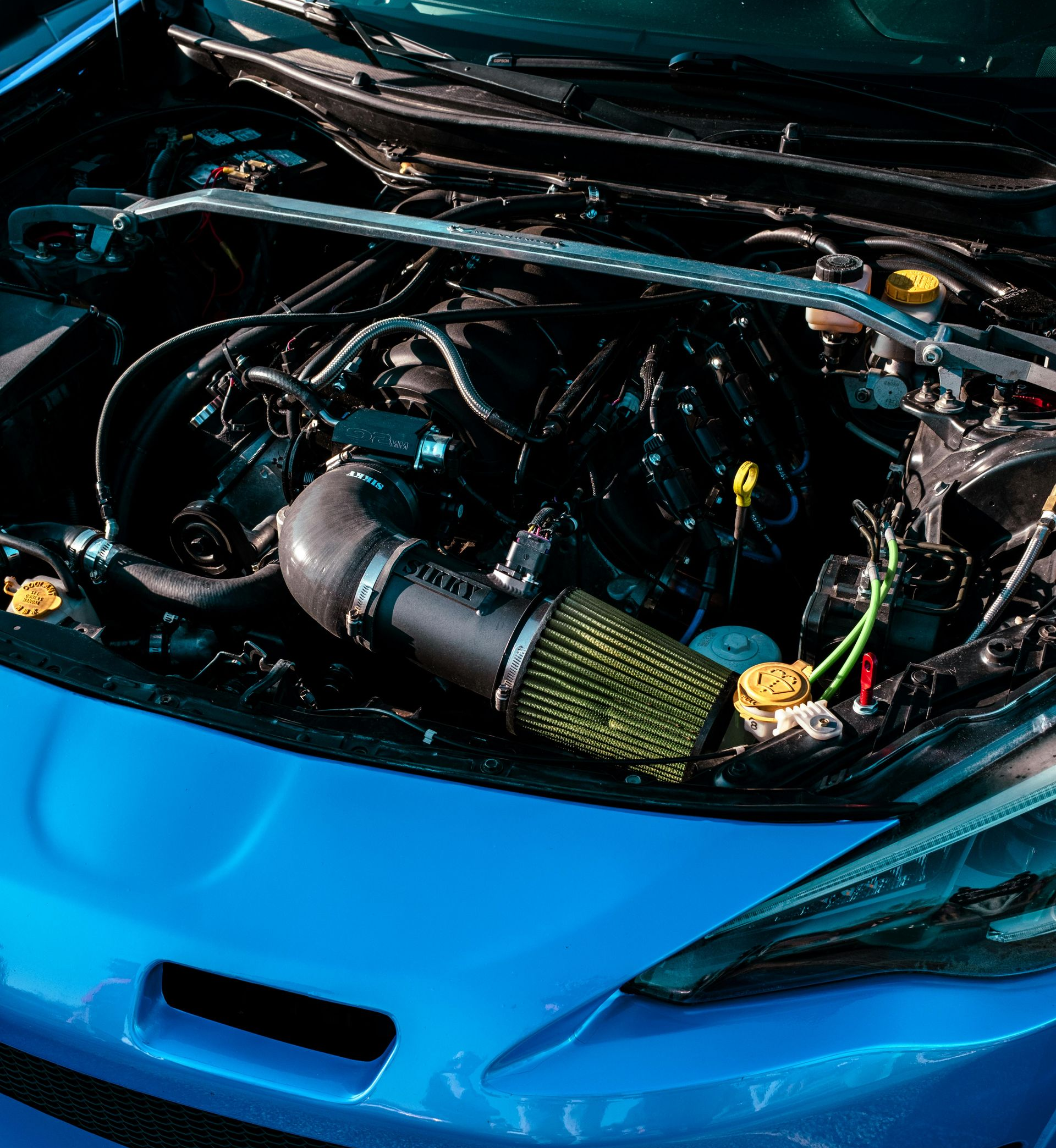
Mechanical components affected by the collision are also repaired or replaced as needed. Proper structural and mechanical repairs help ensure the vehicle performs as intended and maintains its safety features.
Step Five: Body Work and Surface Preparation
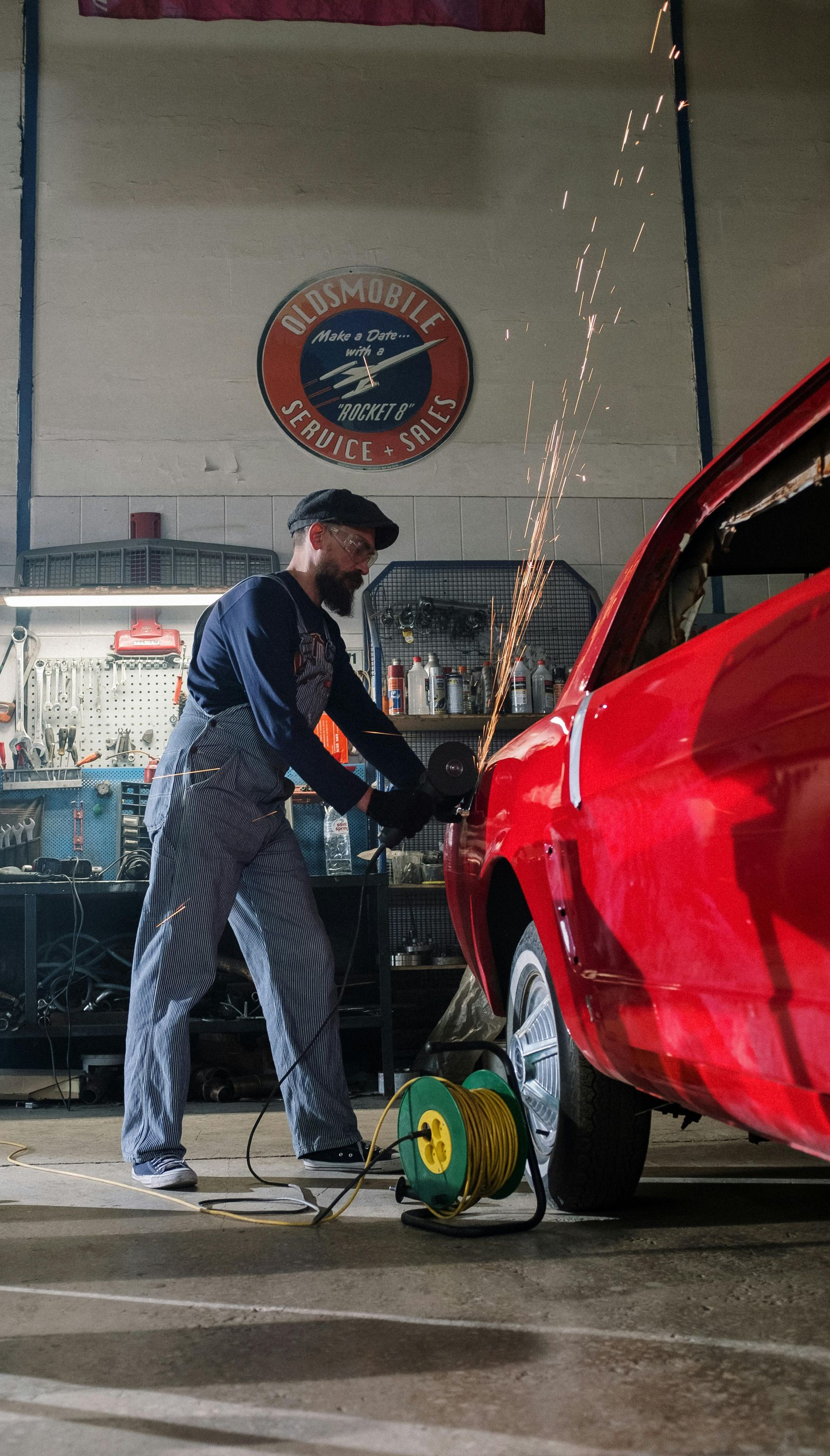
After structural repairs are completed, body work begins. Panels are repaired or replaced, and surfaces are prepared for refinishing. This stage focuses on restoring the vehicle’s exterior shape and integrity.
Surface preparation is critical for achieving a quality finish. Proper sanding, priming, and preparation ensure that paint adheres correctly and maintains durability.
Step Six: Paint and Refinishing
Modern color matching technology is used to restore the vehicle’s appearance as closely as possible to its original finish. This process involves matching color, texture, and gloss.
Paint is applied in controlled conditions to ensure consistency and quality. After painting, surfaces are cured and inspected for uniformity and accuracy.

Step Seven: Reassembly and System Checks
Once refinishing is complete, the vehicle is reassembled. Components removed earlier are carefully reinstalled, and all systems are checked for proper function.
This step includes verifying alignment, ensuring safety systems are operating correctly, and confirming that all repairs meet established standards.
Step Eight: Final Inspection and Quality Control
Before the vehicle is returned to the owner, a final inspection is performed. This quality control step ensures repairs were completed correctly and that the vehicle is safe to drive.
Any remaining concerns are addressed before delivery. This final review provides assurance that the repair process was completed thoroughly and professionally.
Confidence Through Transparency
Understanding the collision repair process helps remove uncertainty during an already challenging time. Each step plays an important role in restoring both the vehicle and the driver’s confidence.
At Dealership Autoplex Collision Center, we guide customers through every phase of repair with clear communication and careful attention to detail. From estimate to final inspection, our goal is to make the process as straightforward and reassuring as possible for every driver we serve.