

Why OEM Parts Matter in Collision Repair
Making Informed Choices for Your Vehicle
After a collision, vehicle owners are often faced with many decisions, including where to take their vehicle and what type of parts will be used in the repair process. One of the most important, yet frequently misunderstood, considerations is whether
original equipment manufacturer, or OEM, parts are used during repairs. Understanding why OEM parts matter helps vehicle owners make informed decisions that protect safety, performance, and long term value.

What OEM Parts Are
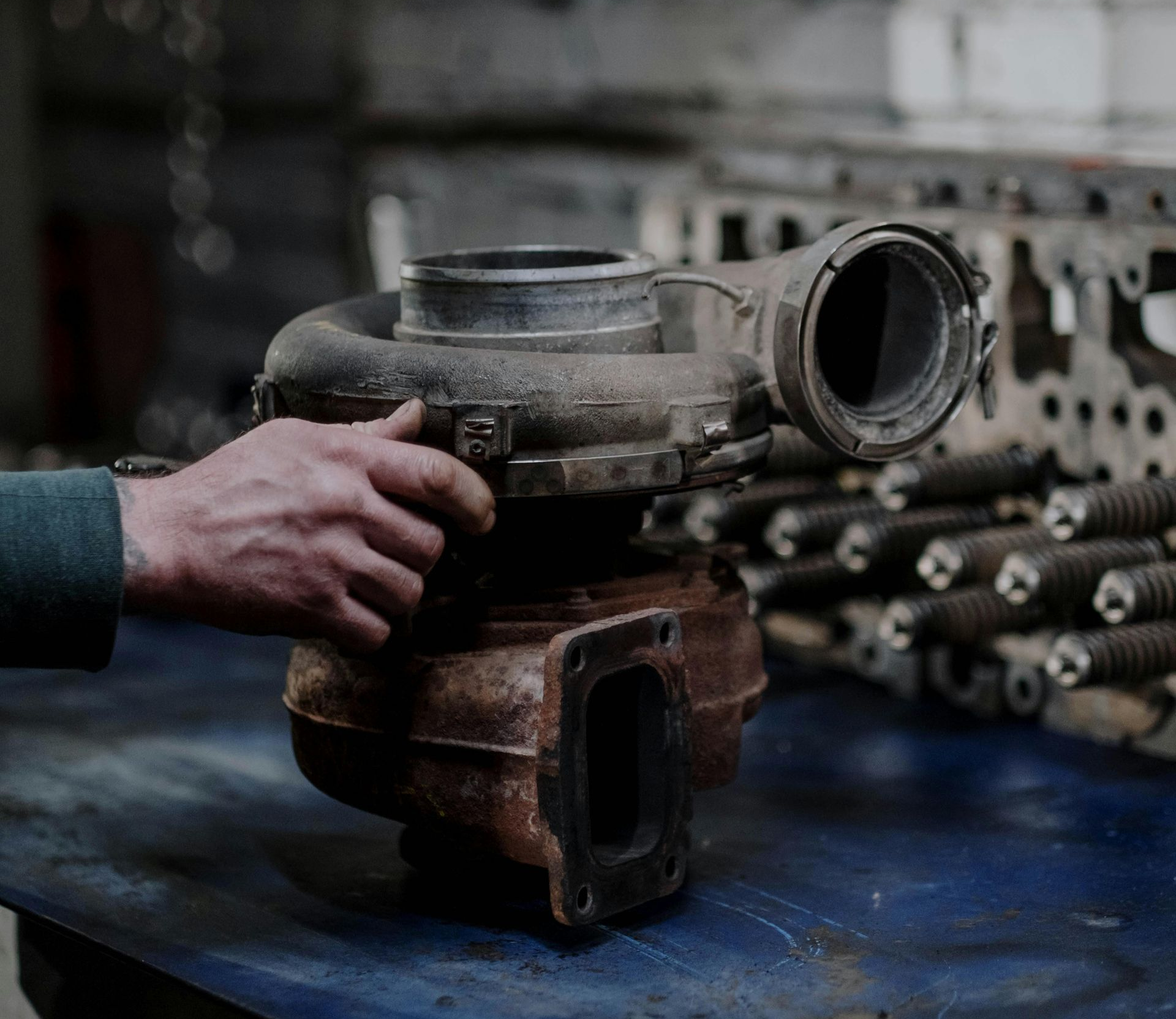
OEM parts are components made by the same manufacturer that produced the original parts installed on the vehicle at the factory. These parts are designed specifically for a particular make and model, using the same materials, specifications, and engineering standards as the original components.
Because OEM parts are built to exact factory specifications, they are intended to fit, function, and perform as the vehicle manufacturer designed.
Fit and Compatibility
One of the primary advantages of OEM parts is precise fit. Vehicles today are engineered with tight tolerances, and even small variations in part dimensions can affect alignment, panel gaps, and structural integrity.
OEM parts are manufactured to integrate seamlessly with surrounding components. This consistency reduces the likelihood of adjustments, modifications, or compromises during installation. Proper fit also contributes to a cleaner appearance and more predictable repair outcomes.
Vehicle Safety Considerations
Modern vehicles are equipped with advanced safety systems that rely on precise alignment and structural integrity. Airbags, crumple zones, and driver assistance features are designed to work together during an impact.
Using OEM parts helps preserve the intended performance of these systems. Components that differ in strength, thickness, or design may not respond the same way in a future collision. Maintaining factory specifications supports the vehicle’s ability to protect occupants as designed.
Performance and Longevity
OEM parts are built with durability and long term performance in mind. They are tested to meet manufacturer standards for strength, corrosion resistance, and wear.
While some alternative parts may appear similar, differences in materials or manufacturing processes can affect how long a repair lasts. OEM parts are designed to perform consistently over the life of the vehicle, helping maintain reliability and reduce the risk of premature failure.
Appearance and Resale Value
The visual quality of a repair matters to many vehicle owners, especially when it comes to resale or trade in value. OEM body panels and components are designed to match original contours and finishes.
Using factory specified parts helps ensure consistent panel alignment and appearance. This attention to detail can make a meaningful difference when the vehicle is evaluated in the future.
Insurance Considerations
Insurance policies vary in how they address parts usage. Some policies allow or encourage the use of non OEM parts as a cost saving measure. Vehicle owners have the right to ask questions and understand what parts are being proposed for their repair.
Working with a repair facility that advocates for proper repair methods and communicates clearly with insurers helps protect the quality of the repair. Understanding options empowers vehicle owners to make choices that align with their priorities.
The Importance of Professional Repair Planning
Collision repair is not simply about replacing damaged parts. It is about restoring the vehicle to safe operating condition. This requires careful planning, accurate estimates, and appropriate part selection.
A professional repair process evaluates which parts are necessary to restore structural integrity, functionality, and appearance. OEM parts play a key role in this process for many repairs.
Making an Informed Decision
Choosing OEM parts is often an investment in safety, quality, and peace of mind. While every repair situation is unique, understanding the role of OEM components helps vehicle owners ask the right questions and feel confident in their repair decisions.
Restoring Confidence After a Collision
At Dealership Autoplex Collision Center, we focus on repairs that prioritize safety, quality, and transparency. When OEM parts are appropriate for a repair, we explain their benefits and work with vehicle owners and insurers to support proper restoration. Our goal is to return vehicles to the road with confidence, knowing the repair was completed with care and attention to detail.