

Why Choosing a Certified Collision Repair Facility Matters
Ensuring Quality After a Collision
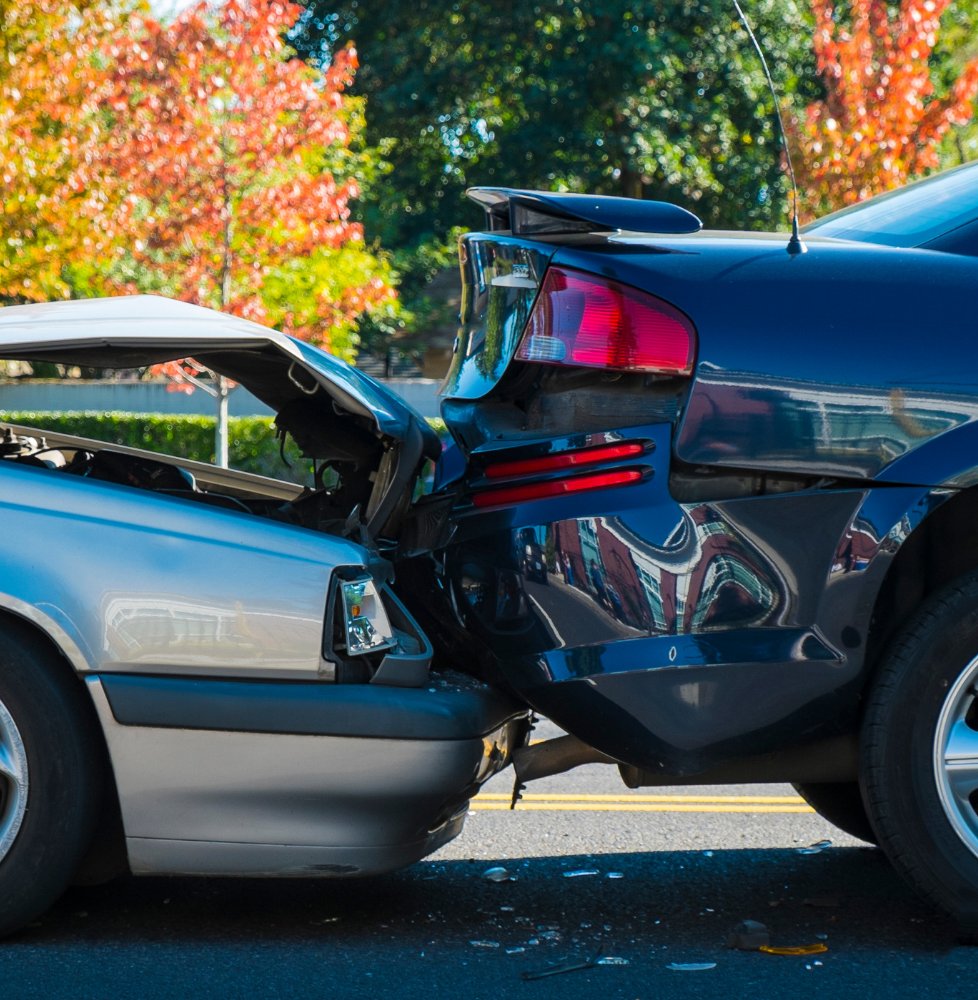
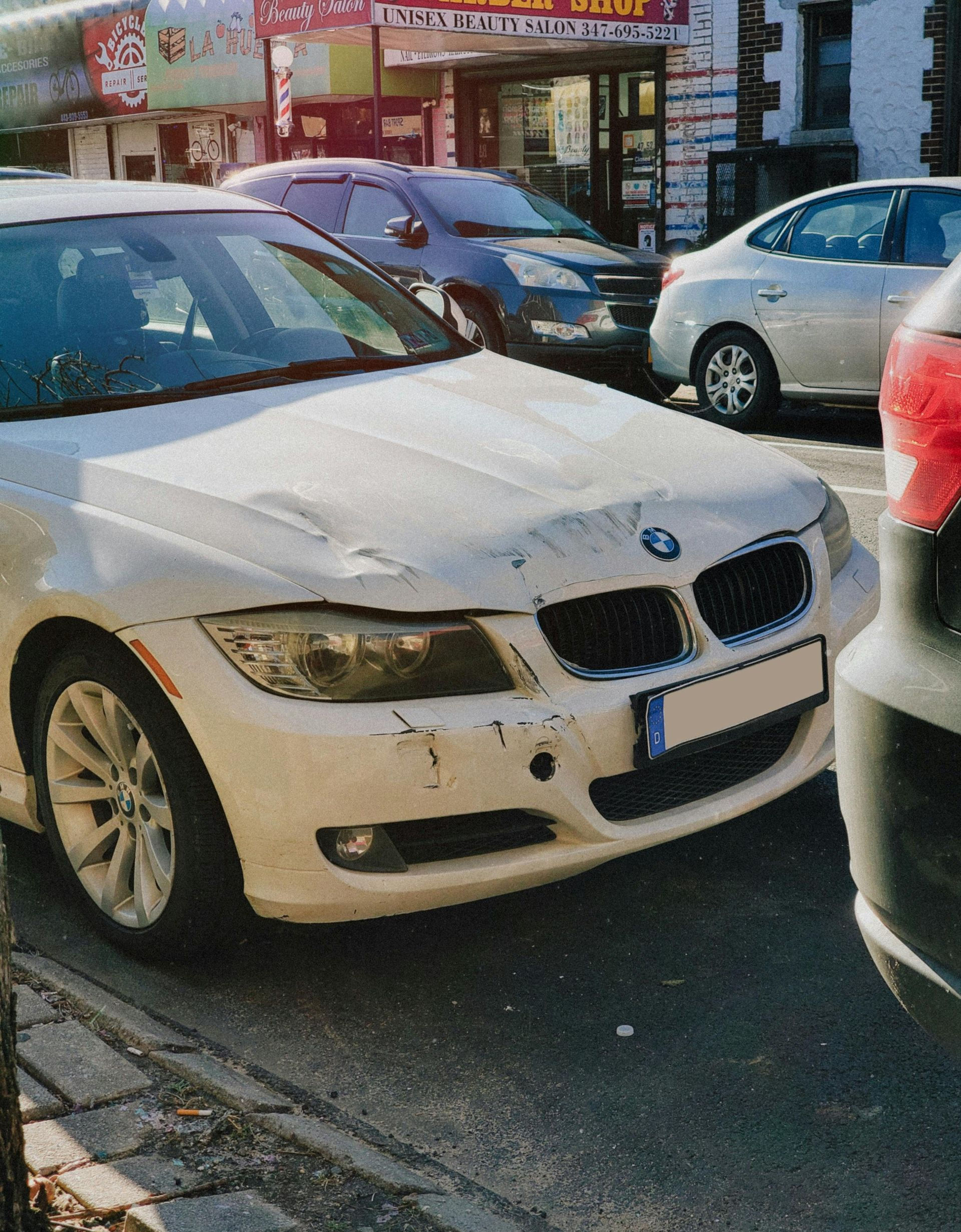
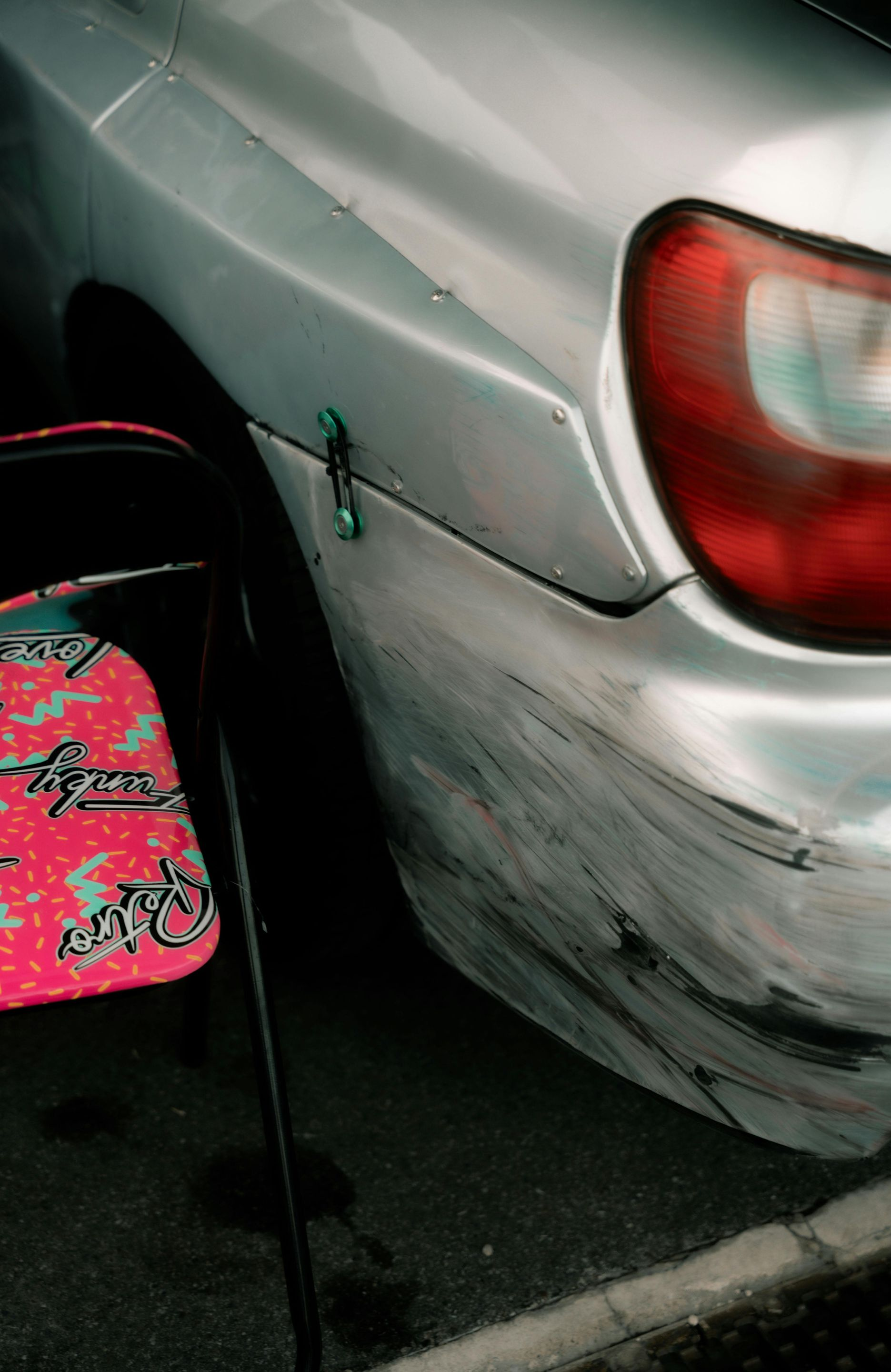
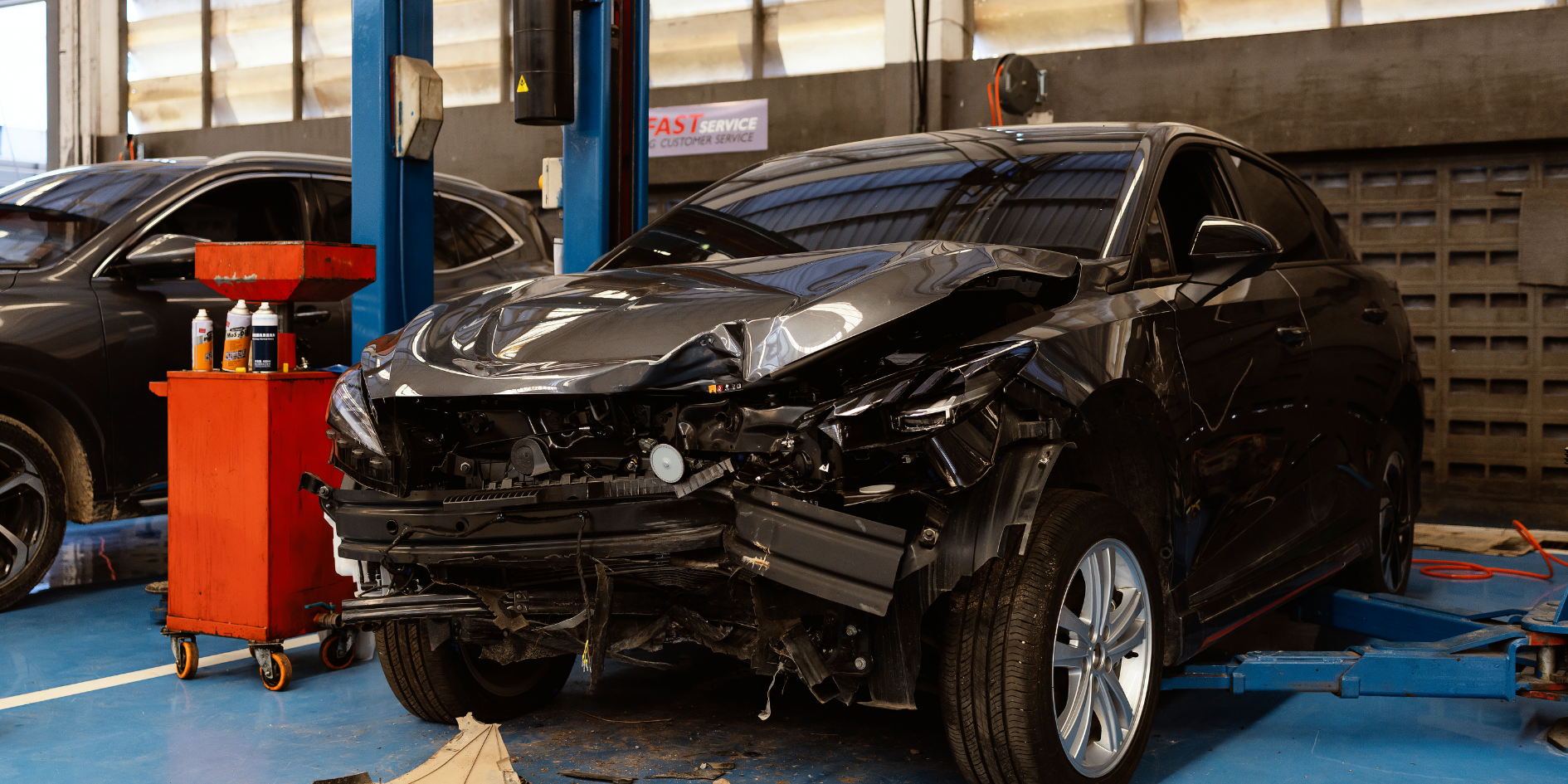
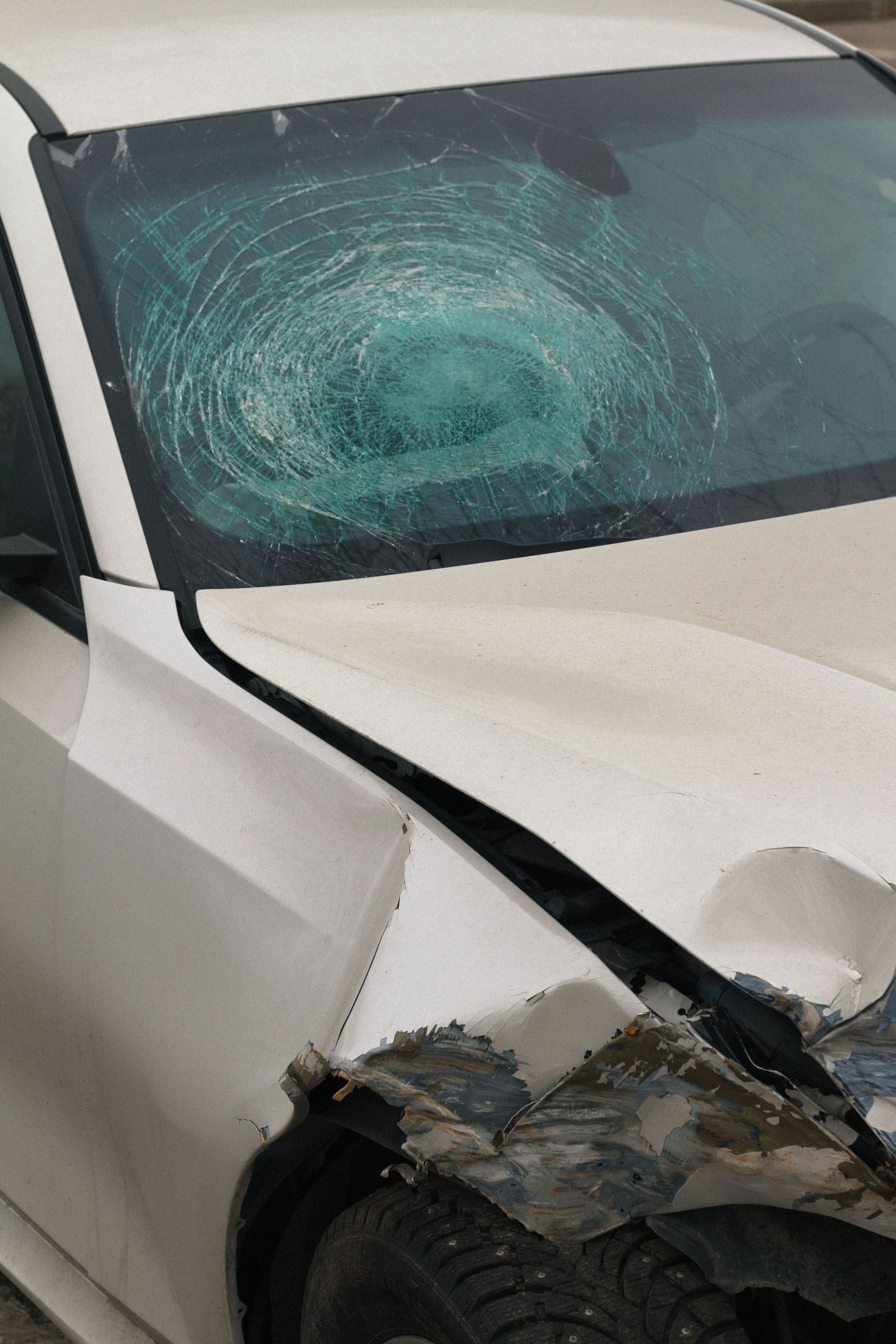
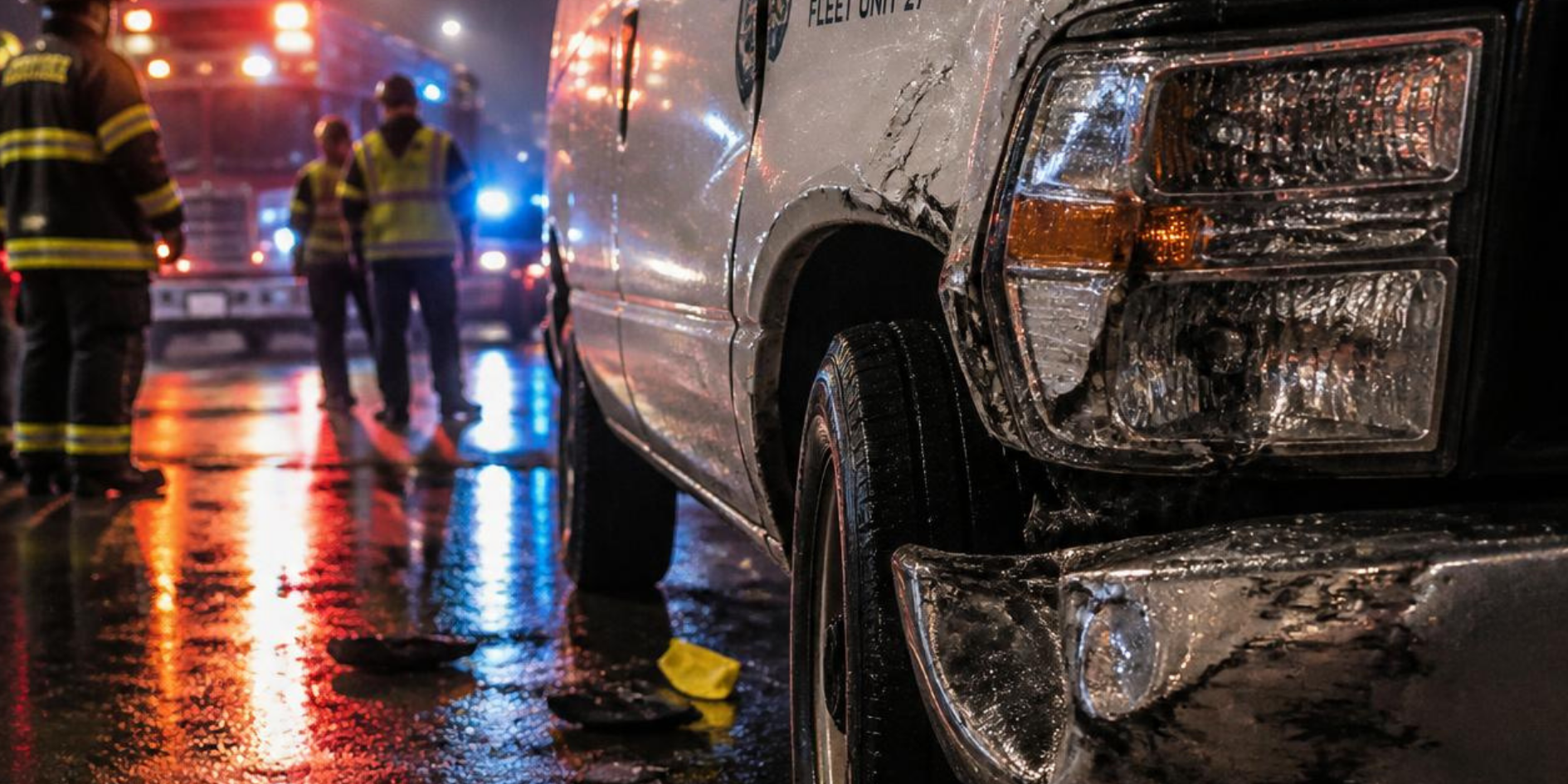
After a collision, vehicle owners are often focused on getting back on the road as quickly as possible. While speed is important, the quality of repairs plays a far greater role in long term safety, performance, and value. One of the most important decisions a driver can make during this process is choosing a certified collision repair facility. Certification is not just a label. It reflects training, equipment, and standards that directly affect how well a vehicle is restored after an accident.

What Certification Actually Means
A certified collision repair facility has met specific requirements established by manufacturers or industry organizations. These requirements often include technician training, specialized equipment, documented repair procedures, and ongoing quality standards.
Modern vehicles are engineered with precise tolerances and advanced safety systems. Certification indicates that a repair facility has the tools and knowledge required to follow manufacturer approved repair methods rather than relying on guesswork or outdated techniques.

Vehicle Safety Depends on Proper Repairs
Today’s vehicles are designed to manage impact forces in very specific ways. Structural components, crumple zones, and safety systems all work together to protect occupants during a collision.
If these systems are not repaired correctly, the vehicle may not perform as intended in a future accident. Certified facilities are trained to restore structural integrity according to manufacturer guidelines, which helps ensure that the vehicle retains its designed safety performance.
Safety is not always visible once repairs are complete. That is why adherence to proper repair procedures matters so much.

Advanced Technology Requires Specialized Knowledge
Modern vehicles are equipped with sensors, cameras, and driver assistance features that require precise calibration after repairs. Even minor collisions can affect these systems.
Certified repair facilities invest in diagnostic tools and training to properly recalibrate these components. Without proper calibration, safety features such as collision avoidance or lane monitoring may not function correctly.
Choosing a certified facility helps reduce the risk of overlooked technology related issues.
Insurance Considerations and Peace of Mind
Insurance companies often work with a wide range of repair facilities, but vehicle owners have the right to choose where their vehicle is repaired. Selecting a certified facility provides confidence that repairs meet recognized standards rather than minimum requirements.
Certified facilities are also experienced in working with insurance providers to ensure repairs are documented properly and completed according to approved procedures. This coordination helps reduce delays and misunderstandings during the claims process.
Consistency and Accountability
Certification requires ongoing compliance. Facilities must maintain training, update equipment, and follow evolving repair standards. This creates a level of accountability that benefits vehicle owners.
When a facility is committed to certification, it demonstrates an investment in quality and continuous improvement rather than short term solutions.

Making an Informed Choice After an Accident
After a collision, vehicle owners are often under stress and faced with multiple decisions at once. Understanding the importance of certification helps simplify one of those decisions.
Choosing a certified collision repair facility is an investment in safety, reliability, and long term performance. It ensures that repairs are performed with the same level of care and precision that went into building the vehicle in the first place.
At Dealership Autoplex Collision Center, certification reflects our commitment to proper repair standards and customer confidence. By following manufacturer approved procedures and maintaining rigorous training, we help vehicle owners move forward with peace of mind after an accident.