

Understanding the Difference Between Collision Repair and Cosmetic Repair
Collision Repair Differs From Cosmetic Fixes
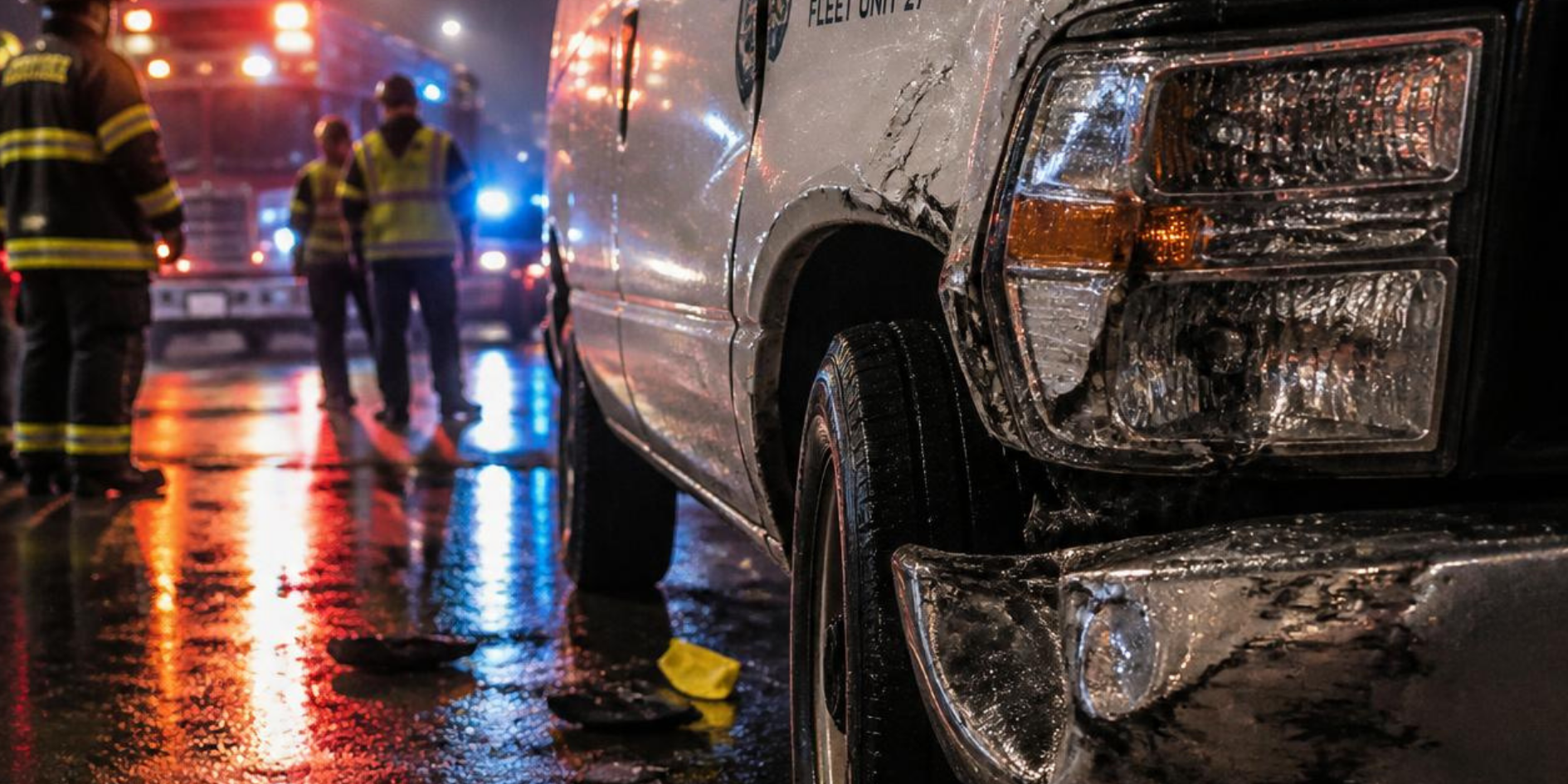
After an accident, vehicle damage can be confusing. Scratches, dents, warning lights, or subtle changes in how the car drives may all appear at once. One of the most important distinctions drivers need to understand is the difference between
collision repair and
cosmetic repair. While both address vehicle damage, they serve very different purposes and have very different implications for safety and long term performance.

What Cosmetic Repair Addresses
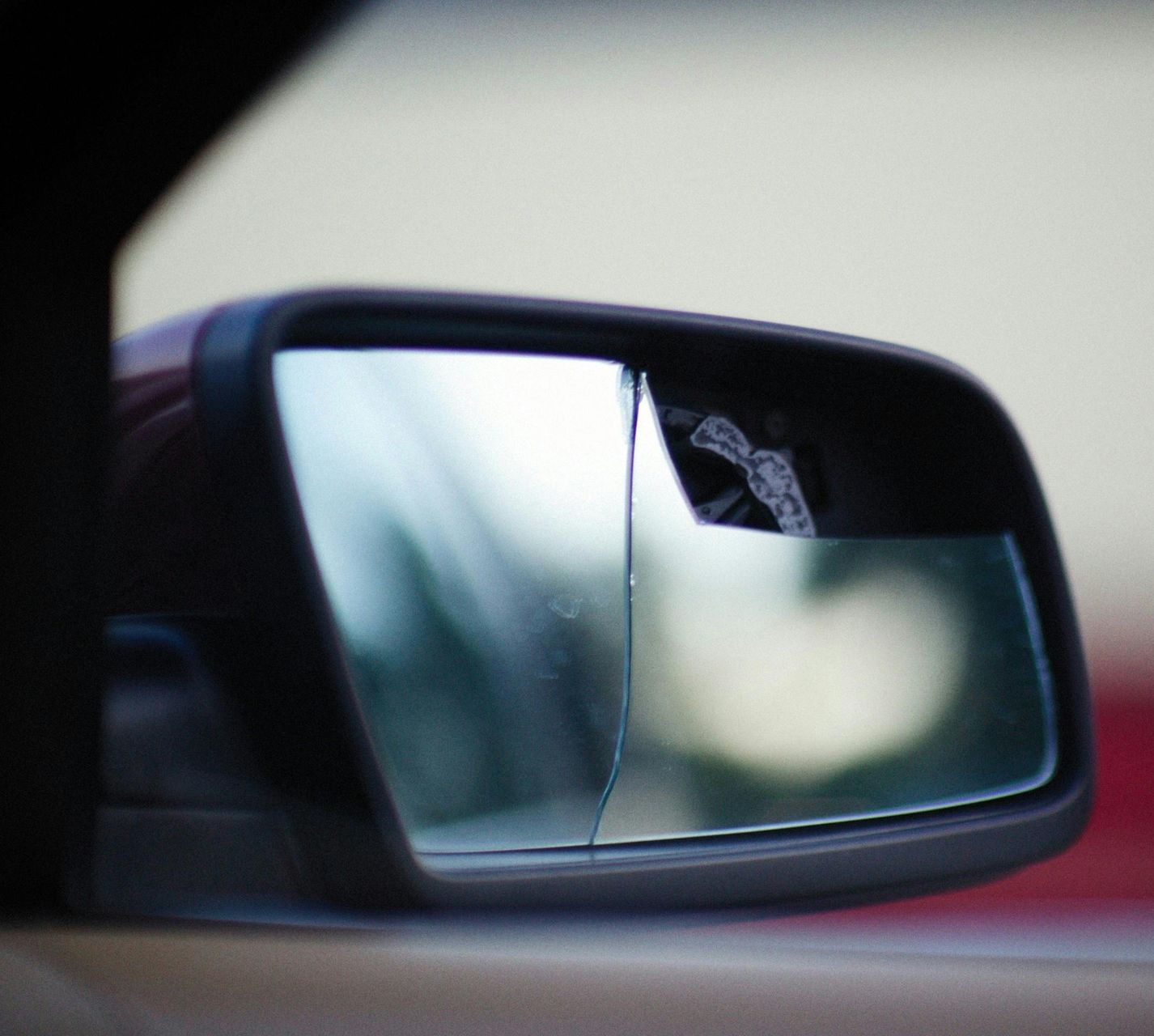
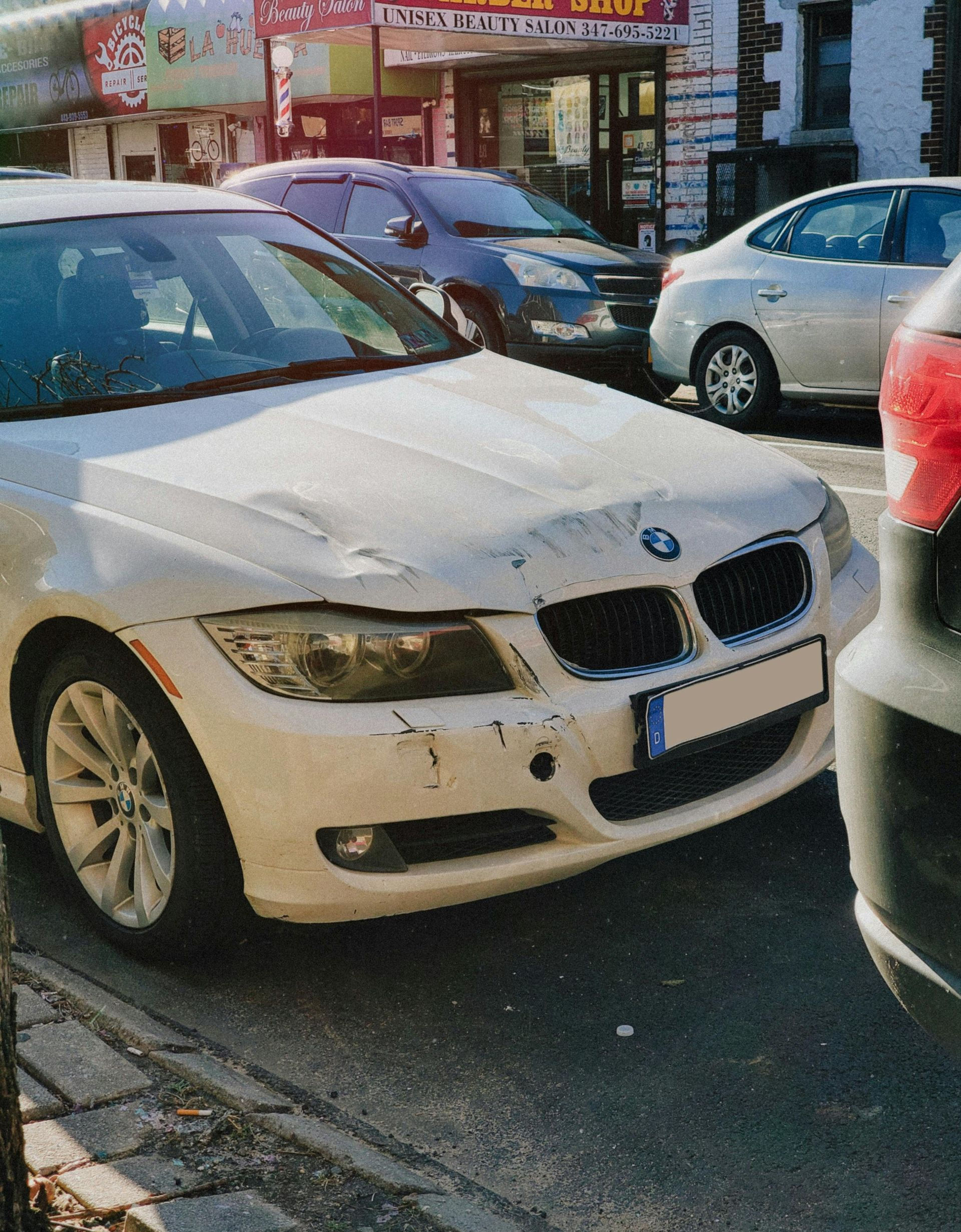
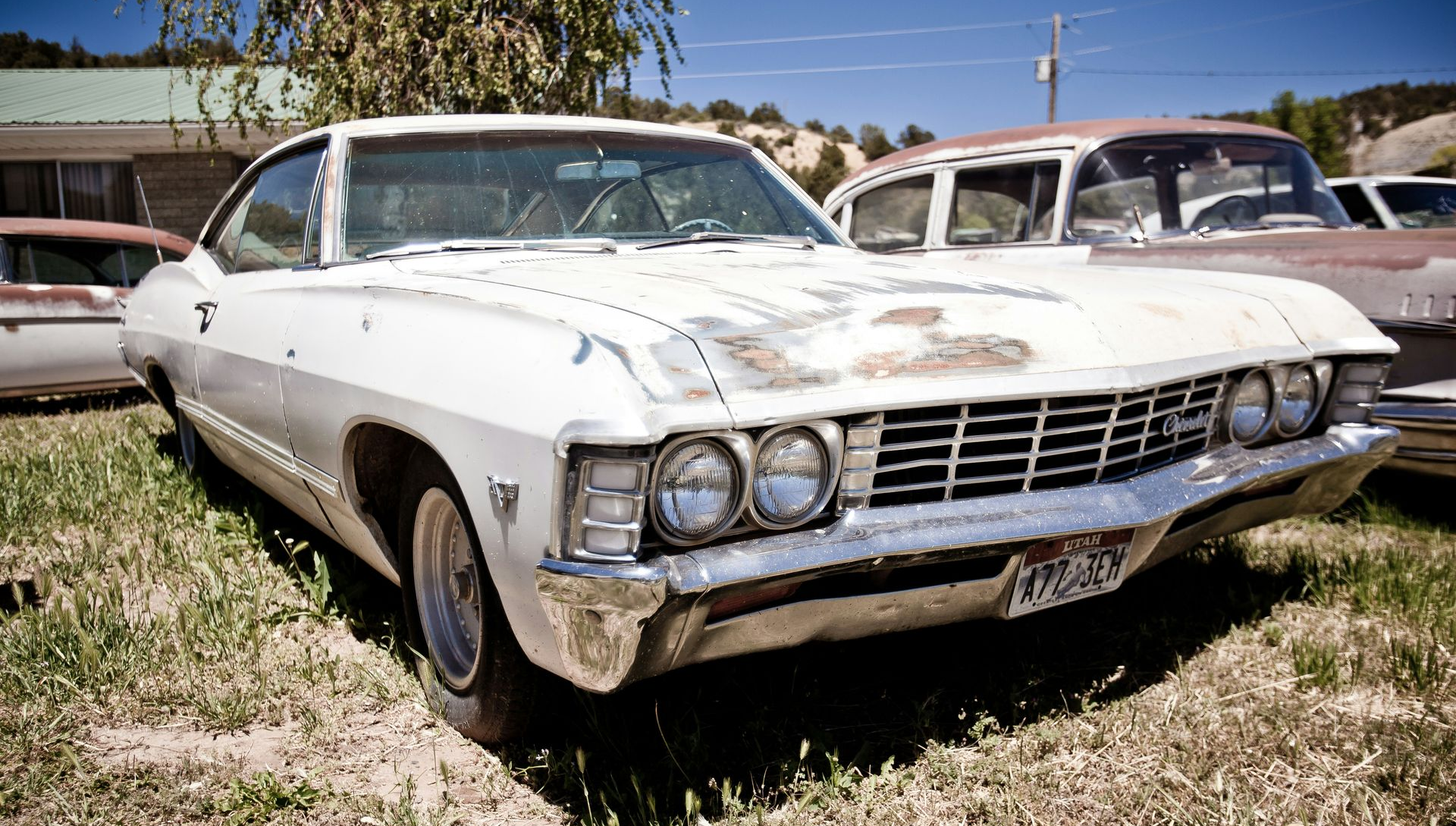
Cosmetic repair focuses on the appearance of a vehicle. This includes dents, scratches, paint damage, cracked trim, or minor exterior imperfections that do not affect how the vehicle operates. Cosmetic issues can occur from parking lot incidents, hail, or minor impacts that do not compromise structural components.
These repairs are primarily visual. They restore the look of the vehicle and help maintain pride of ownership and resale value. In some cases, cosmetic damage may appear minor and lead drivers to assume the repair is optional or purely aesthetic.
What Collision Repair Involves
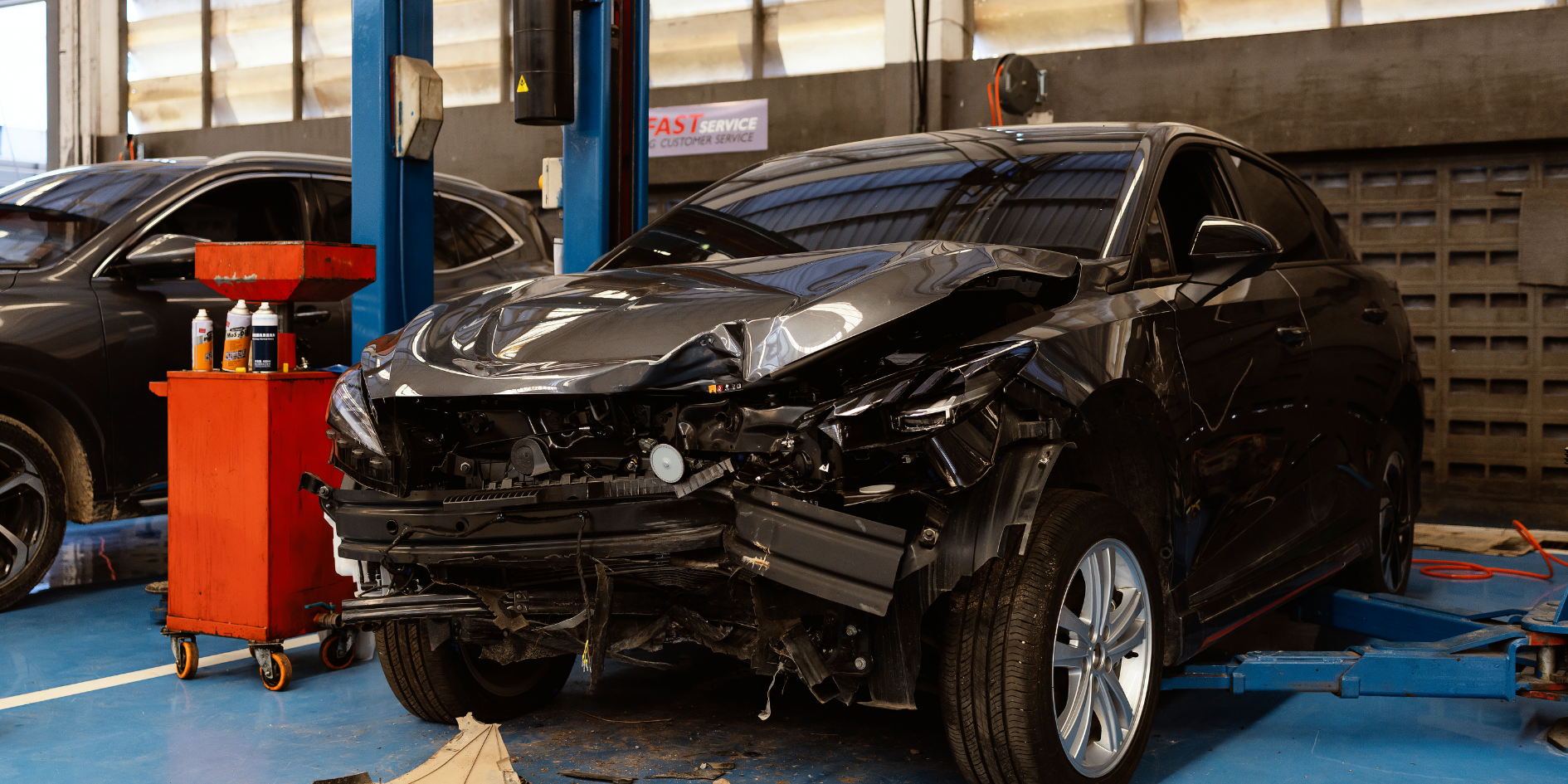
Collision repair goes beyond surface level damage. It addresses the structural, mechanical, and safety related components of a vehicle after an accident. This may include frame alignment, unibody repairs, suspension components, airbag systems, sensors, and electronic safety features.
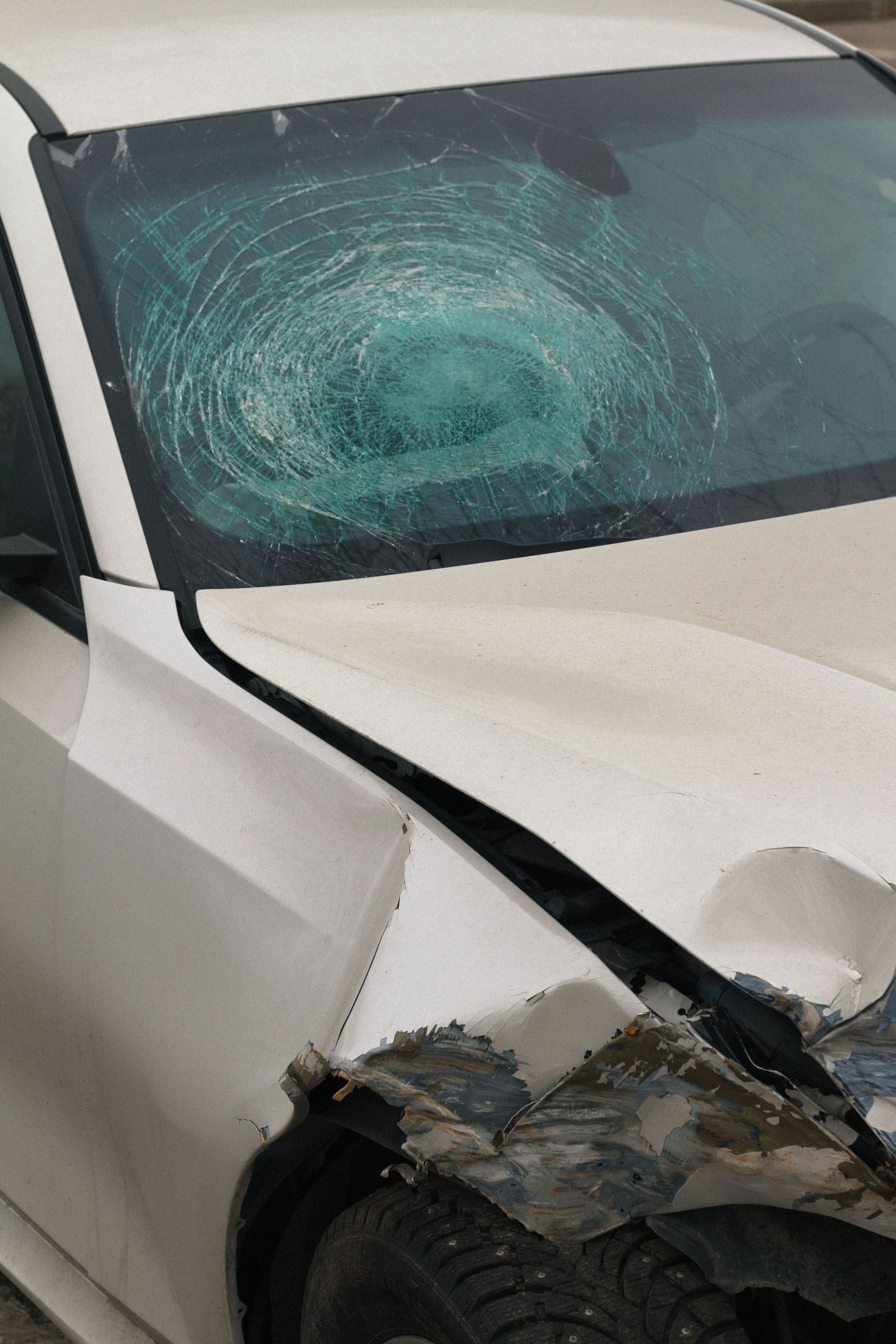
Even when exterior damage appears minimal, internal components may have shifted or absorbed impact forces. Modern vehicles are engineered with crumple zones and advanced safety systems designed to manage energy during a collision. When these systems are compromised, the vehicle may not protect occupants properly in a future accident.
Why the Difference Matters
The key difference between cosmetic and collision repair is safety. Cosmetic repair restores appearance. Collision repair restores function and protection.
A vehicle that looks repaired but has unresolved structural or mechanical issues may handle poorly, wear tires unevenly, or fail to perform correctly in another accident. Advanced driver assistance systems, such as lane monitoring or collision avoidance features, may also malfunction if sensors are misaligned or damaged.
This is why professional evaluation after an accident is critical, even if damage appears minor.

Hidden Damage Is Common
Many drivers are surprised to learn how often collision damage is hidden beneath exterior panels. Bumpers, for example, are designed to flex and absorb impact, which can conceal damage to reinforcement bars or mounting points behind them.
Suspension components and frame elements may also shift slightly without obvious visual cues. These changes can affect steering, braking, and overall stability over time.
Only a thorough inspection by trained collision repair professionals can determine whether
damage is cosmetic or structural.

Insurance Considerations
Insurance coverage often depends on the type of repair needed. Collision repair is typically necessary to restore the vehicle to pre accident condition and meet safety standards. Insurance adjusters and repair facilities work together to document damage and determine appropriate repairs.
Understanding the difference helps drivers advocate for proper repairs rather than settling for surface fixes that do not address underlying issues.
Modern Vehicles Require Specialized Knowledge
Today’s vehicles are more complex than ever. Electronics, cameras, and sensors are integrated throughout the body and frame. A minor collision can disrupt these systems even if exterior damage is limited.
Collision repair requires specialized equipment, training, and calibration procedures to ensure systems function as designed. Cosmetic repair alone does not address these technical requirements.