

How Advanced Driver Assistance Systems Are Affected by Minor Collisions
Big Risks Following a Small Accident
Modern vehicles are equipped with Advanced Driver Assistance Systems, commonly referred to as ADAS. These systems are designed to support safer driving by monitoring surroundings, assisting with braking and steering, and alerting drivers to potential hazards. Even though these features often operate quietly in the background, they rely on precise calibration to function correctly.
What many drivers do not realize is that even minor collisions can disrupt these systems.
What Are ADAS Features
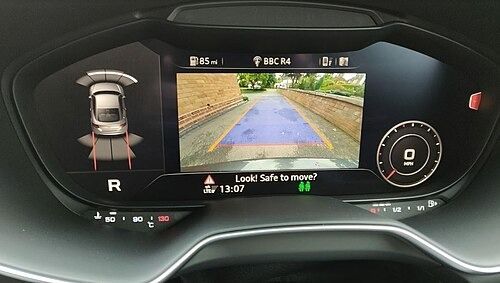
ADAS includes technologies such as lane departure warnings, adaptive cruise control, automatic emergency braking, blind spot monitoring, and parking assistance. These features rely on a network of cameras, radar sensors, ultrasonic sensors, and control modules that work together to interpret the vehicle’s environment.
Because these components are calibrated to extremely tight tolerances, small changes in alignment or positioning can affect performance.

Why Minor Collisions Can Cause Major Issues
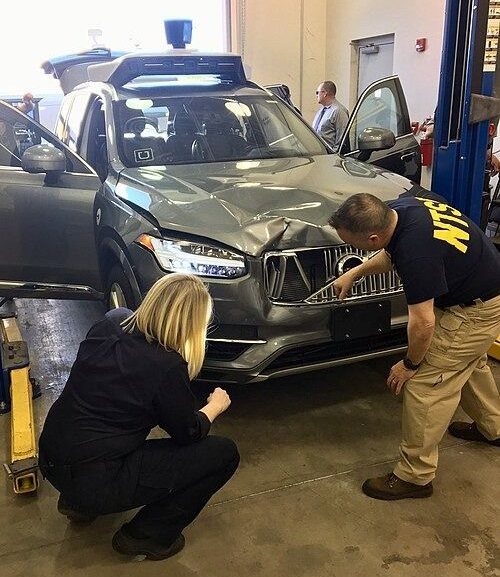
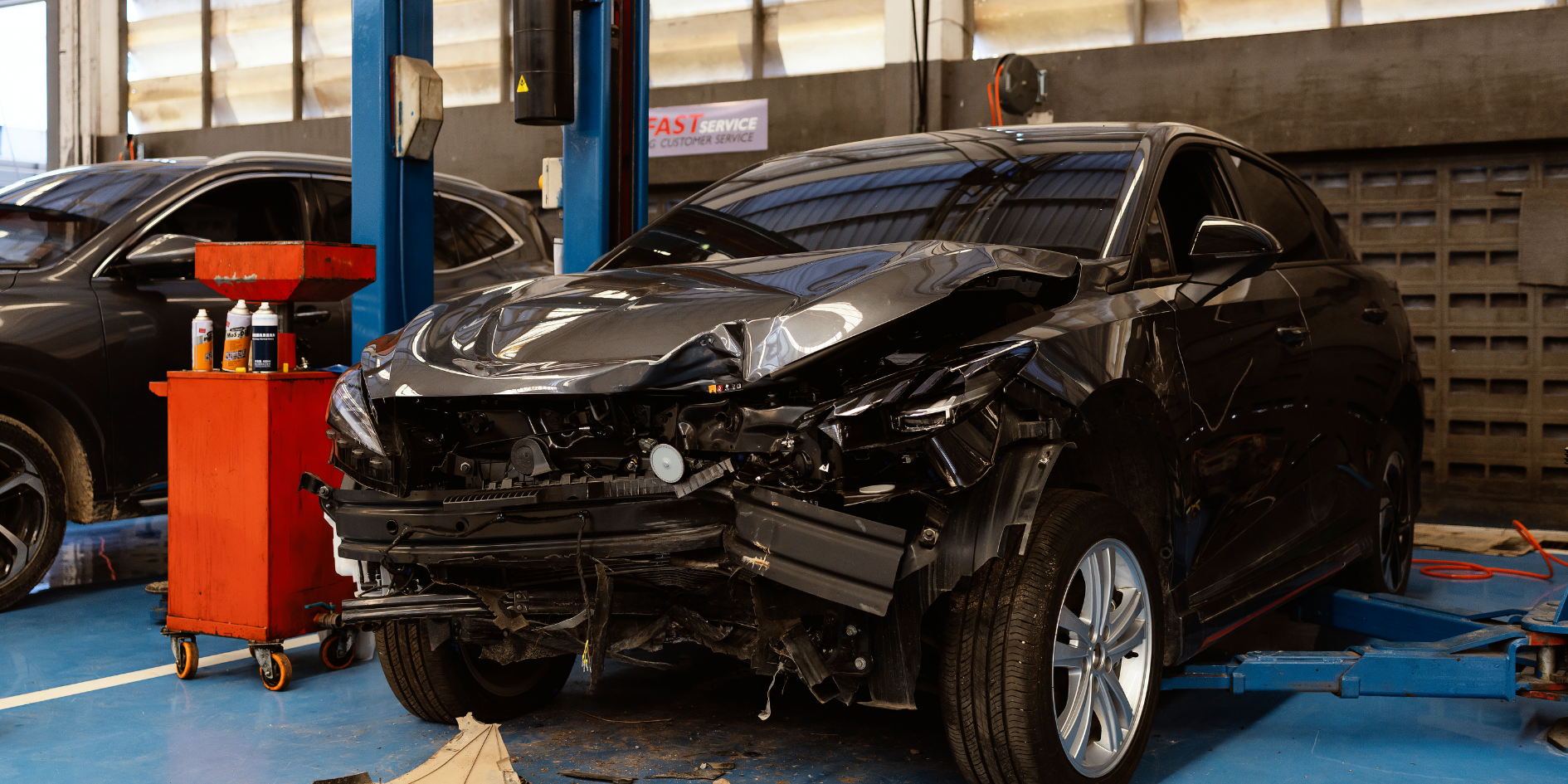
Low speed accidents, parking lot impacts, and minor fender benders often appear cosmetic on the surface. However, bumpers, windshields, side mirrors, and grilles frequently house ADAS sensors. Even a slight shift in mounting angle or sensor position can cause inaccurate readings.
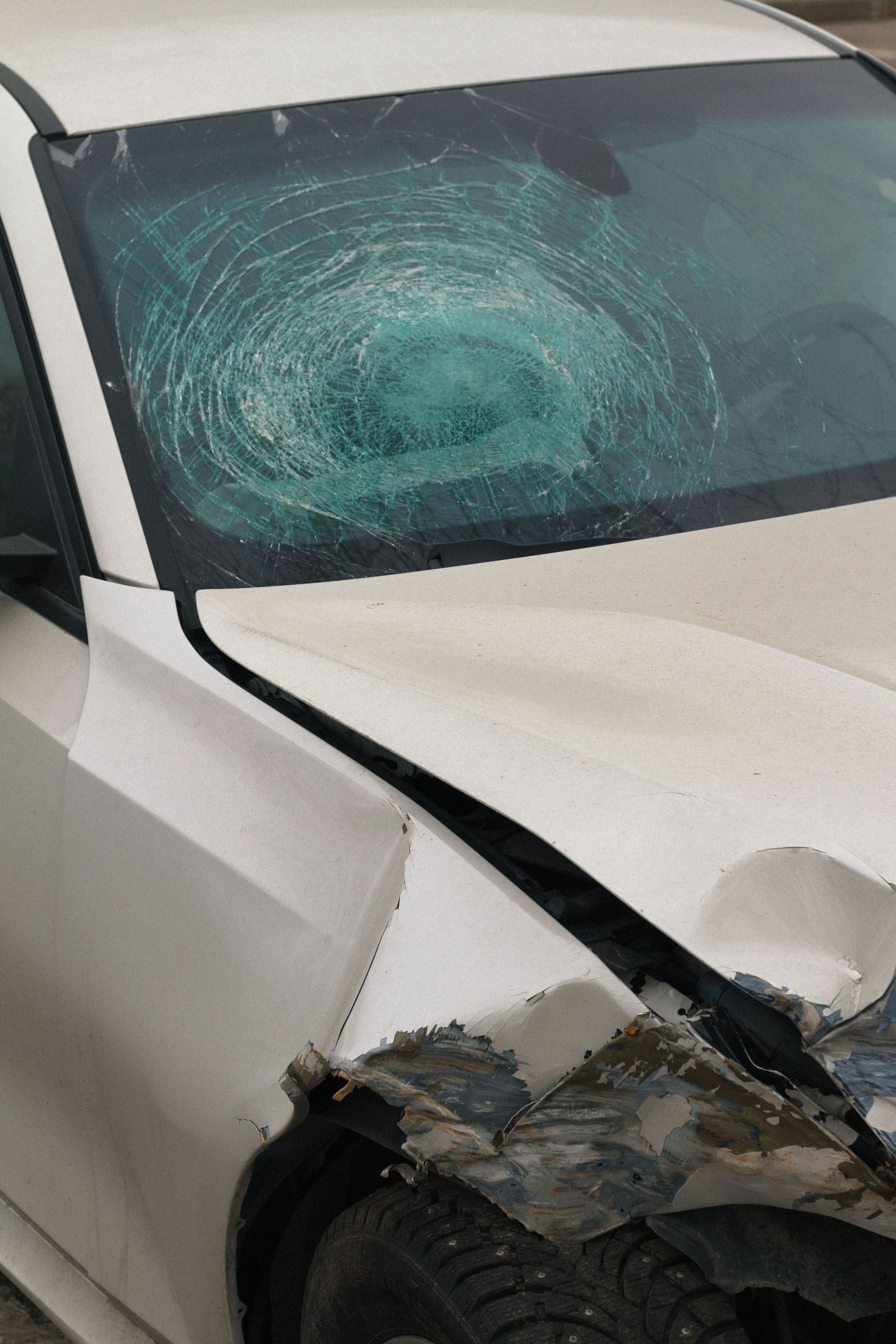
For example, a small bumper impact may not visibly damage the exterior, but it can alter the alignment of radar sensors used for adaptive cruise control or emergency braking. Similarly, windshield replacements can affect forward facing cameras used for lane keeping systems if calibration is not performed afterward.

The Importance of Proper Calibration
ADAS calibration ensures that sensors and cameras are accurately aligned according to manufacturer specifications. This process requires specialized equipment, controlled environments, and trained technicians.
There are two main types of calibration. Static calibration is performed in a shop using targets and measurement tools. Dynamic calibration involves driving the vehicle under specific conditions so the system can relearn reference points. Many vehicles require one or both methods depending on the repair performed.
Skipping calibration or relying on incomplete procedures can lead to delayed system response, false warnings, or failure to activate when needed.

Safety and Liability Considerations
ADAS features are designed to support driver awareness and reaction time. When these systems are not functioning properly, drivers may unknowingly rely on technology that is compromised. This can increase the risk of accidents and reduce the effectiveness of built in safety measures.
From a liability standpoint, improper repair or lack of calibration can create serious concerns. If an ADAS system fails after a repair, responsibility may fall on the repair process rather than the technology itself.
Why Professional Collision Repair Matters
Modern collision repair involves far more than restoring appearance. It requires understanding how vehicle systems interact and how repairs affect integrated technology. Facilities that invest in diagnostic tools, calibration equipment, and ongoing training are better equipped to address these complexities.
Professional repair ensures that ADAS components are inspected, recalibrated, and tested as part of the repair process. This helps restore not only the vehicle’s appearance, but also its safety performance.

What Drivers Should Expect After a Collision
After any collision, even a minor one, drivers should expect a thorough inspection that includes diagnostic scanning and system evaluation. This allows technicians to identify faults that may not be visible.
Documentation of calibration and testing is also important. It provides assurance that safety systems have been properly restored and that the vehicle meets manufacturer standards.
Protecting Safety Beyond the Surface
Minor collisions can have hidden consequences in vehicles equipped with advanced technology. Addressing those issues correctly is essential for safety, reliability, and peace of mind.
At Dealership Autoplex Collision Center, repairs are approached with a focus on restoring the full integrity of the vehicle. By addressing ADAS systems as part of the repair process, we help ensure that drivers can rely on the safety features designed to protect them every time they are on the road.