

Rolling Smoothly: The Essential Guide to Tire Maintenance and Regulations
January 8, 2024
Tire Maintenance | Tire Regulations
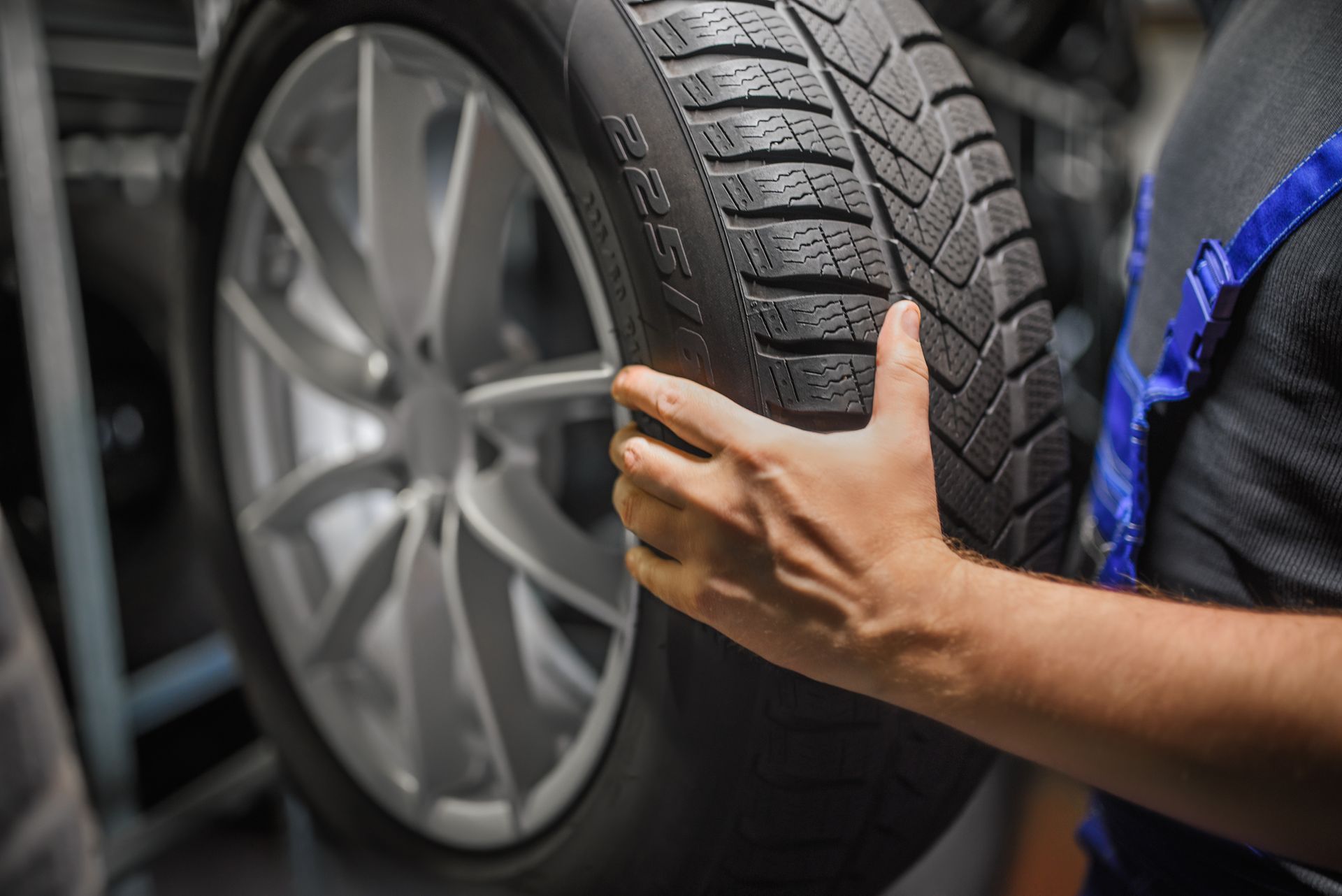
Tires are the unsung heroes of every journey, ensuring a safe and smooth ride.
Proper tire maintenance is not only essential for optimal performance but also for adhering to crucial regulations.
In this blog post, we'll explore the importance of tire maintenance and delve into the regulations that govern the condition and use of tires on the road.
The Foundation of Vehicle Safety:
Tires play a fundamental role in vehicle safety. They are the sole point of contact between your vehicle and the road, influencing crucial factors like traction, handling, and braking. Regular tire maintenance is imperative to ensure these functions operate at peak efficiency. Neglecting tire care can lead to decreased fuel efficiency, compromised handling, and, in extreme cases, tire failure—a scenario that poses significant safety risks to both the vehicle occupants and others on the road.
Routine Tire Maintenance:
Pressure Checks: Regularly check tire pressure, including the spare. Underinflated tires can lead to increased fuel consumption and premature wear.
Tread Inspection: Inspect tire treads for uneven wear and ensure they meet the minimum tread depth requirements. Adequate tread depth is essential for proper traction, especially in wet or snowy conditions.
Rotation and Balancing: Rotate tires regularly to promote even wear and balance. This extends the lifespan of the tires and enhances overall vehicle performance.
Regulations on Tread Depth:
Most jurisdictions have regulations specifying the minimum allowable tread depth for tires. The rationale behind these regulations is to ensure that tires maintain sufficient grip on the road. Insufficient tread depth can result in compromised handling, especially in adverse weather conditions. Commonly, the legal minimum tread depth is around 2/32 of an inch, but it's crucial to be aware of and adhere to the specific regulations in your area.
Importance of Proper Inflation:
Tire inflation is a critical aspect of safety and efficiency. Underinflated tires generate excess heat, leading to increased rolling resistance and wear. Overinflated tires, on the other hand, can result in reduced traction and a harsher ride. Adhering to the recommended tire pressure specified by the vehicle manufacturer is essential for maintaining optimal fuel efficiency, tire lifespan, and overall safety.
Load Capacity and Speed Ratings:
Tires come with load capacity and speed ratings that indicate the maximum load they can carry and the maximum speed at which they can operate safely. It's imperative to match these ratings to the vehicle's specifications. Using tires with inadequate load capacity can compromise safety and lead to accelerated wear, while exceeding speed ratings may result in reduced tire durability and increased risk of failure.
Weather-Specific Regulations:
In regions with diverse weather conditions, there are often regulations specifying the use of seasonal tires. Winter tires, for example, may be legally required during cold months to enhance traction and reduce the risk of accidents. Adhering to these regulations is not only a legal obligation but also a common-sense approach to ensuring safety in varying weather conditions.
Alignment and Suspension Regulations:
Proper tire alignment and suspension maintenance are crucial for even tire wear and optimal vehicle performance. Some jurisdictions may have regulations related to wheel alignment, ensuring that vehicles operate with stability and control. Regular alignment checks, especially after significant suspension work, contribute to compliance with these regulations and promote overall road safety.
Educational Initiatives on Tire Safety:
Many regions engage in educational initiatives to raise awareness about tire safety. These programs often emphasize the importance of routine tire maintenance practices, proper inflation, and adherence to regulations. Public awareness campaigns contribute to a safer road environment by encouraging responsible tire care habits among drivers.
Summary:
Tire maintenance is not just a matter of vehicle performance; it's a fundamental aspect of road safety. Adhering to regulations governing tire condition and usage is a responsibility that each driver carries. By understanding and implementing proper tire care practices, motorists contribute not only to their safety but also to the well-being of everyone sharing the road.
Here at DACC, we are happy to help you with all your tire maintenance and tire safety needs.
Please feel free to stop by our location at 2536 Dickerson Parkway, Suite 110, Carrollton, Tx, or call us a 972-242-0092.
Proper tire maintenance is not only essential for optimal performance but also for adhering to crucial regulations.
In this blog post, we'll explore the importance of tire maintenance and delve into the regulations that govern the condition and use of tires on the road.
The Foundation of Vehicle Safety:
Tires play a fundamental role in vehicle safety. They are the sole point of contact between your vehicle and the road, influencing crucial factors like traction, handling, and braking. Regular tire maintenance is imperative to ensure these functions operate at peak efficiency. Neglecting tire care can lead to decreased fuel efficiency, compromised handling, and, in extreme cases, tire failure—a scenario that poses significant safety risks to both the vehicle occupants and others on the road.
Routine Tire Maintenance:
Pressure Checks: Regularly check tire pressure, including the spare. Underinflated tires can lead to increased fuel consumption and premature wear.
Tread Inspection: Inspect tire treads for uneven wear and ensure they meet the minimum tread depth requirements. Adequate tread depth is essential for proper traction, especially in wet or snowy conditions.
Rotation and Balancing: Rotate tires regularly to promote even wear and balance. This extends the lifespan of the tires and enhances overall vehicle performance.
Regulations on Tread Depth:
Most jurisdictions have regulations specifying the minimum allowable tread depth for tires. The rationale behind these regulations is to ensure that tires maintain sufficient grip on the road. Insufficient tread depth can result in compromised handling, especially in adverse weather conditions. Commonly, the legal minimum tread depth is around 2/32 of an inch, but it's crucial to be aware of and adhere to the specific regulations in your area.
Importance of Proper Inflation:
Tire inflation is a critical aspect of safety and efficiency. Underinflated tires generate excess heat, leading to increased rolling resistance and wear. Overinflated tires, on the other hand, can result in reduced traction and a harsher ride. Adhering to the recommended tire pressure specified by the vehicle manufacturer is essential for maintaining optimal fuel efficiency, tire lifespan, and overall safety.
Load Capacity and Speed Ratings:
Tires come with load capacity and speed ratings that indicate the maximum load they can carry and the maximum speed at which they can operate safely. It's imperative to match these ratings to the vehicle's specifications. Using tires with inadequate load capacity can compromise safety and lead to accelerated wear, while exceeding speed ratings may result in reduced tire durability and increased risk of failure.
Weather-Specific Regulations:
In regions with diverse weather conditions, there are often regulations specifying the use of seasonal tires. Winter tires, for example, may be legally required during cold months to enhance traction and reduce the risk of accidents. Adhering to these regulations is not only a legal obligation but also a common-sense approach to ensuring safety in varying weather conditions.
Alignment and Suspension Regulations:
Proper tire alignment and suspension maintenance are crucial for even tire wear and optimal vehicle performance. Some jurisdictions may have regulations related to wheel alignment, ensuring that vehicles operate with stability and control. Regular alignment checks, especially after significant suspension work, contribute to compliance with these regulations and promote overall road safety.
Educational Initiatives on Tire Safety:
Many regions engage in educational initiatives to raise awareness about tire safety. These programs often emphasize the importance of routine tire maintenance practices, proper inflation, and adherence to regulations. Public awareness campaigns contribute to a safer road environment by encouraging responsible tire care habits among drivers.
Summary:
Tire maintenance is not just a matter of vehicle performance; it's a fundamental aspect of road safety. Adhering to regulations governing tire condition and usage is a responsibility that each driver carries. By understanding and implementing proper tire care practices, motorists contribute not only to their safety but also to the well-being of everyone sharing the road.
Here at DACC, we are happy to help you with all your tire maintenance and tire safety needs.
Please feel free to stop by our location at 2536 Dickerson Parkway, Suite 110, Carrollton, Tx, or call us a 972-242-0092.
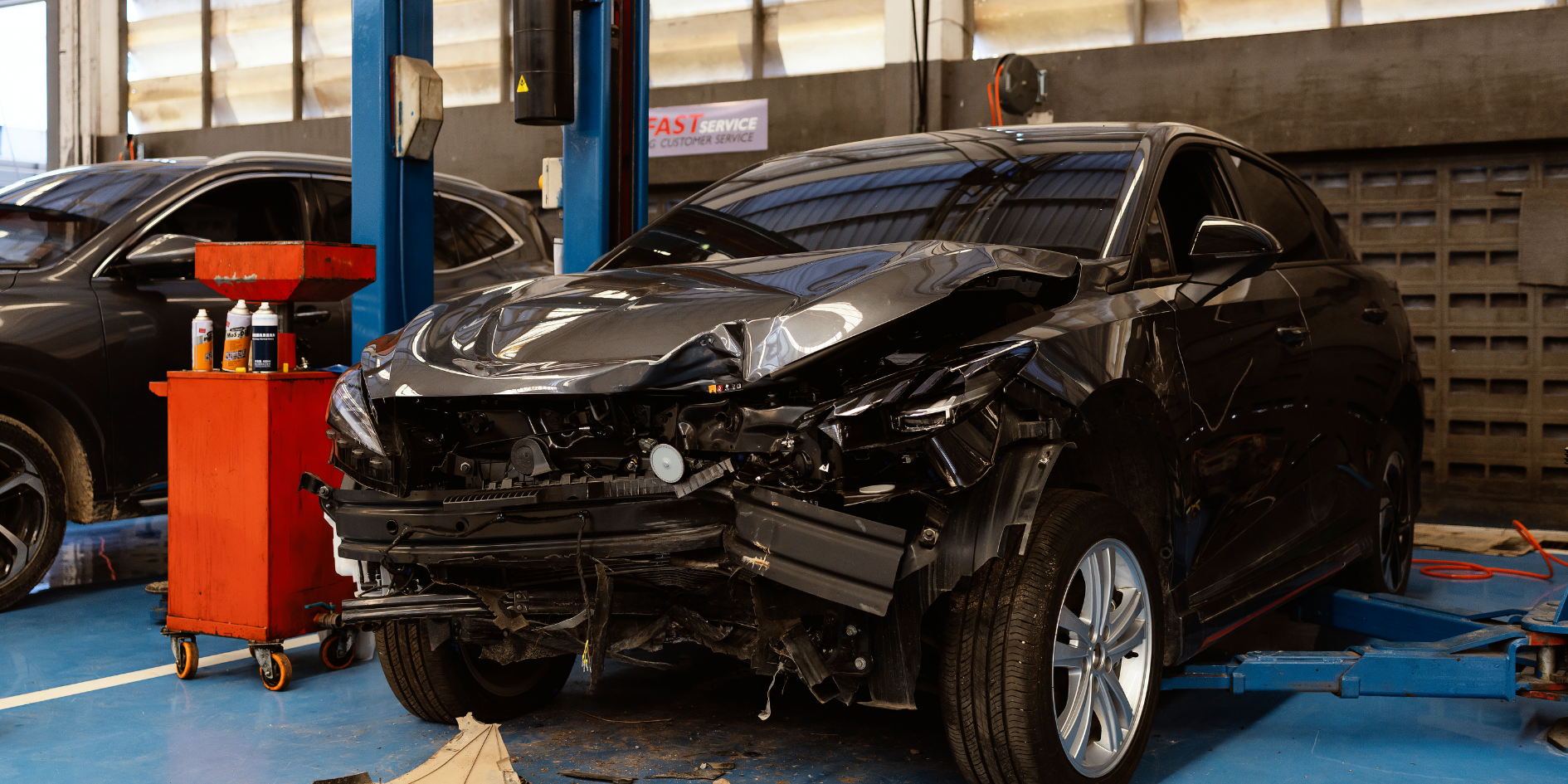
After an accident, the damage you can see isn’t always the only damage your vehicle sustained. A damaged bumper, dented quarter panel, or broken headlight may be obvious, but the impact can also affect structural components underneath the vehicle’s exterior. At Dealership Autoplex Collision Center (DACC) , we believe a proper collision repair is about more than making a vehicle look good again. It’s about identifying and addressing the damage that may be hidden underneath. What Is Structural Damage? Modern vehicles are designed with structural components that help support the vehicle and manage crash forces. Depending on the location and severity of an impact, a collision can potentially affect areas such as: Frame or unibody components Structural rails Suspension mounting points Body alignment Doors and panels Wheel alignment Bumpers and reinforcement components Even an accident that doesn’t appear severe from the outside can sometimes cause damage behind exterior panels.
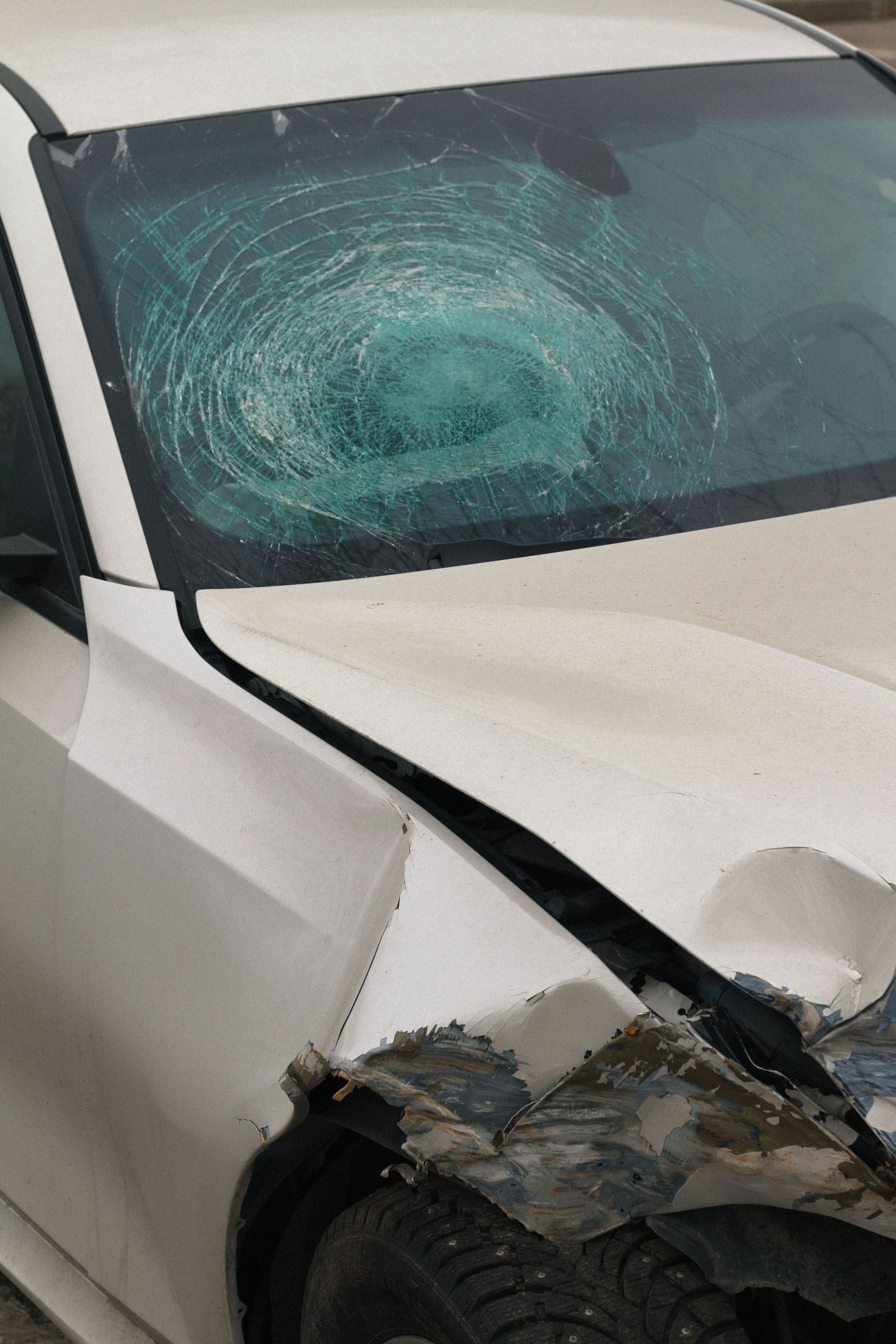
After a car accident, there are a lot of decisions to make. Between filing an insurance claim, arranging transportation, and getting your vehicle repaired, the process can quickly become overwhelming. One common question we hear at Dealership Autoplex Collision Center (DACC) is: “Do I have to use the collision repair shop my insurance company recommends?” In Texas, you generally have the right to choose the repair facility you want to handle your vehicle. Your Insurance Company May Recommend a Shop After you file a claim, your insurance company may provide a list of repair facilities or recommend one of its preferred shops. While these recommendations can be convenient, you are not necessarily required to choose a shop simply because it was suggested by the insurance company. Your vehicle is an important investment, and you should feel comfortable with the facility performing the repairs. What Should You Look for in a Collision Repair Shop? When choosing a collision center, consider more than just how quickly the shop can get your vehicle in. Look for a facility that provides: Experienced collision repair technicians Proper structural and body repairs Professional paint matching and refinishing Clear communication throughout the repair process Assistance working with insurance companies Quality-control inspections before the vehicle is returned Help coordinating rental transportation when needed A quality collision repair should restore more than the appearance of your vehicle. The goal is to properly repair the damage and return the vehicle to you safely and professionally.

Today’s vehicles are equipped with more technology than ever before. Cameras, radar sensors, parking sensors, lane-assist systems, and automatic emergency braking can all be affected by a collision—even when the damage appears minor. That’s why modern collision repair involves much more than repairing dents and replacing damaged parts. What Is ADAS? ADAS stands for Advanced Driver Assistance Systems. Depending on your vehicle, these systems may include: Forward collision warning Automatic emergency braking Lane departure warning Lane-keeping assistance Adaptive cruise control Blind-spot monitoring Parking assistance Surround-view or backup cameras Many of these features rely on cameras and sensors positioned throughout the vehicle.